
Germany Challenges ICJ Jurisdiction in Nicaragua Genocide Case
Germany has taken a significant stance at the International Court of Justice (ICJ), stating that the court lacks jurisdiction in the genocide case brought by Nicaragua. The case centers around Nicaragua's accusations that Germany violated the Genocide Convention by supplying weapons to Israel, which Nicaragua claims were used in acts of genocide in Gaza. This
Germany has taken a significant stance at the International Court of Justice (ICJ), stating that the court lacks jurisdiction in the genocide case brought by Nicaragua. The case centers around Nicaragua’s accusations that Germany violated the Genocide Convention by supplying weapons to Israel, which Nicaragua claims were used in acts of genocide in Gaza.
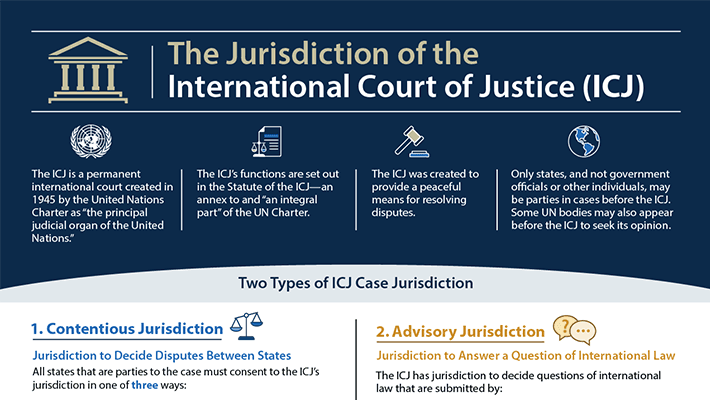
This development marks a crucial point in the ongoing legal proceedings, as Germany seeks to have the case thrown out based on jurisdictional grounds. The move by Germany highlights the complexities of international law and the challenges faced by the ICJ in adjudicating cases that involve sensitive geopolitical issues.
- Germany argues the ICJ lacks jurisdiction in the case.
- Nicaragua accuses Germany of violating the Genocide Convention.
- The case involves the supply of weapons to Israel, allegedly used in Gaza.
Background to the Case
The roots of the case stem from Nicaragua’s allegations that Germany, by supplying weapons to Israel, has contributed to acts of genocide in Gaza. This claim is based on the argument that such weapons were used in military operations that resulted in significant loss of life and human rights violations.
The Genocide Convention, to which both Germany and Nicaragua are signatories, imposes obligations on states to prevent and punish acts of genocide. Nicaragua’s argument hinges on the assertion that Germany’s actions, or inactions, in the context of arms supply to Israel, constitute a breach of these obligations.
Germany’s Jurisdictional Challenge
“The ICJ’s jurisdiction in this matter is contested by Germany,” a legal expert noted, underlining the complexities of establishing jurisdiction in international legal disputes. Germany’s challenge to the ICJ’s jurisdiction is a procedural move aimed at dismissing the case without the court having to consider the merits of Nicaragua’s allegations.
Implications of the Case
The outcome of this jurisdictional challenge has significant implications for the future of international legal proceedings. If the ICJ rules in favor of Germany, it could set a precedent that limits the court’s ability to hear cases involving similar allegations of genocide and violations of international humanitarian law.
Conversely, a ruling that upholds the ICJ’s jurisdiction could pave the way for more states to bring similar cases against other countries, potentially leading to a more proactive role for the ICJ in enforcing international law and holding states accountable for their actions.
International Reaction and Future Steps
As the ICJ considers Germany’s jurisdictional challenge, international attention is focused on the potential implications of the court’s decision. “The international community is watching this case closely,