
Nepal Seeks Billions in Funding to Rebuild After Devastating Flash Floods
Nepal is facing a daunting task of rebuilding after the devastating flash floods that have ravaged the country, leaving a trail of death and destruction in their wake. The floods, which have been described as one of the worst in recent memory, have killed over 1,200 people and left thousands more missing. The Nepalese government
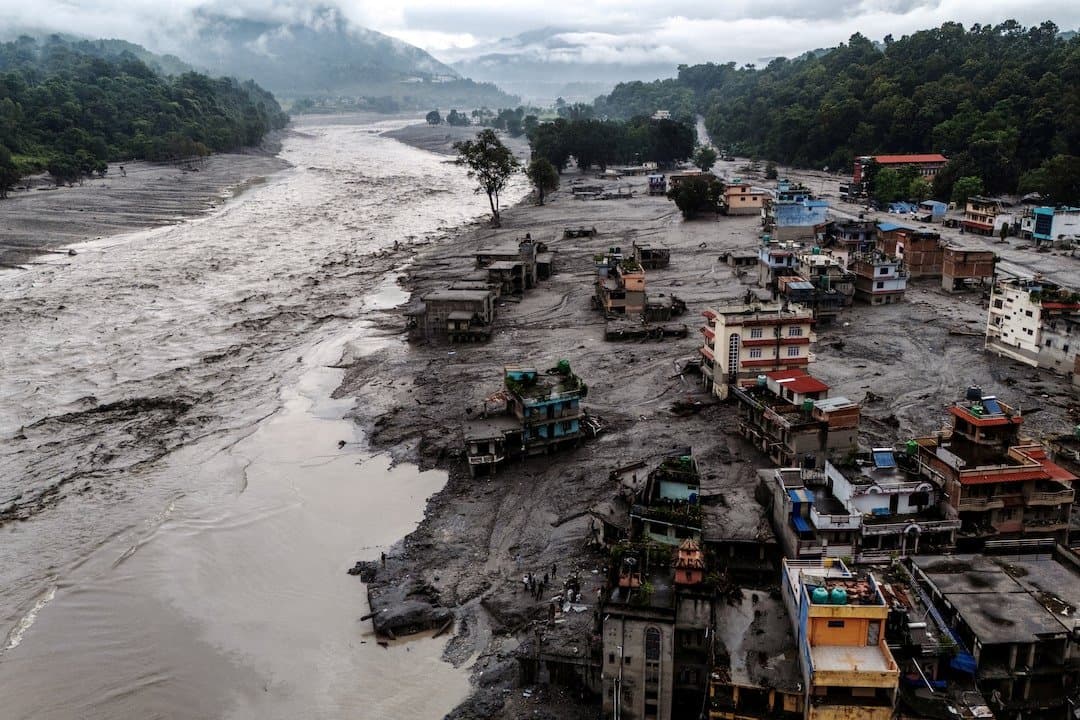
Nepal is facing a daunting task of rebuilding after the devastating flash floods that have ravaged the country, leaving a trail of death and destruction in their wake. The floods, which have been described as one of the worst in recent memory, have killed over 1,200 people and left thousands more missing. The Nepalese government has estimated that it will need billions of dollars in funding to rebuild and recover from the disaster.
The flash floods, which occurred on the Nepal-Tibet border, have been attributed to the climate crisis, with scientists still studying the exact cause of the disaster. Nepal is one of the most vulnerable countries to the climate crisis, despite being one of the lowest emitters of global greenhouse emissions. The country’s geography, with its steep mountains and narrow valleys, makes it prone to flash flooding, which can be deadly and destructive.
- At least 1,200 people have died in the flash floods
- Thousands more are missing, with many feared dead
- The Nepalese government has estimated that it will need billions of dollars in funding to rebuild and recover
Nepal-Tibet Border Flash Floods
The flash floods on the Nepal-Tibet border have been described as a disaster of epic proportions. The floods have destroyed entire villages, leaving nothing but mud and silt in their wake. The village of Changu Narayan, which was once a thriving community, is now nothing more than a barren land. The floods have also destroyed roads, bridges, and other critical infrastructure, making it difficult for rescue teams to reach affected areas.
Rebuilding Efforts
The Nepalese government has begun rebuilding efforts, with a focus on providing shelter, food, and medical care to those affected by the floods. The government has also appealed for international aid, with many countries responding with offers of assistance. According to the Nepalese Prime Minister, the country will need billions of dollars in funding to rebuild and recover from the disaster.
Climate Crisis
The flash floods in Nepal have highlighted the country’s vulnerability to the climate crisis. Nepal is one of the most vulnerable countries to climate change, despite being one of the lowest emitters of global greenhouse emissions. The country’s geography, with its steep mountains and narrow valleys, makes it prone to flash flooding, which can be deadly and destructive. The climate crisis is expected to have a significant impact on Nepal in the coming years, with more frequent and intense flooding expected.
International Response
The international community has responded to the disaster with offers of assistance. Many countries, including the United States, China, and India, have offered aid to Nepal, including financial assistance, food, and medical supplies. The Watan News team has been on the ground in Nepal, providing updates on the situation and the response efforts.
Future Impact
The flash floods in Nepal are expected to have a significant impact on the country’s economy and infrastructure. The floods have destroyed critical infrastructure, including roads, bridges, and buildings, which will need to be rebuilt. The floods have also had a significant impact on the country’s agriculture, with many crops destroyed and livestock killed. The Nepalese government will need to work closely with the international community to rebuild and recover from the disaster.
Conclusion
In conclusion, the flash floods in Nepal have been a devastating disaster, with significant loss of life and destruction of property. The Nepalese government will need to work closely with the international community to rebuild and recover from the disaster. The climate crisis is expected to have a significant impact on Nepal in the coming years, with more frequent and intense flooding expected.
FAQs
Q1: What led to the flash floods in Nepal?
A1: The flash floods in Nepal were caused by the climate crisis, with scientists still studying the exact cause of the disaster. Nepal’s geography, with its steep mountains and narrow valleys, makes it prone to flash flooding, which can be deadly and destructive.
Q2: How many people have been affected by the floods?
A2: At least 1,200 people have died in the flash floods, with thousands more missing. Many villages have been destroyed, leaving nothing but mud and silt in their wake.
Q3: What is the estimated cost of rebuilding and recovering from the disaster?
A3: The Nepalese government has estimated that it will need billions of dollars in funding to rebuild and recover from the disaster. The government has appealed for international aid, with many countries responding with offers of assistance.
Q4: How has the international community responded to the disaster?
A4: The international community has responded to the disaster with offers of assistance. Many countries, including the United States, China, and India, have offered aid to Nepal, including financial assistance, food, and medical supplies.
Q5: What is the expected impact of the climate crisis on Nepal in the coming years?
A5: The climate crisis is expected to have a significant impact on Nepal in the coming years, with more frequent and intense flooding expected. The country’s geography, with its steep mountains and narrow valleys, makes it prone to flash flooding, which can be deadly and destructive.
Q6: How can people help those affected by the floods?
A6: People can help those affected by the floods by donating to reputable charities and organizations that are providing aid to Nepal. They can also spread awareness about the disaster and the need for international assistance.