
Syedaal Says Young Population is Pakistan’s Greatest Asset
Pakistan's young population has been described as the country's greatest asset by Syedaal, highlighting the importance of this demographic in driving Pakistan's future growth and development. Young population as Pakistan's greatest asset Key to future growth and development Pakistan's growing youth population Significance of Young Population in Pakistan The statement by Syedaal underscores the critical
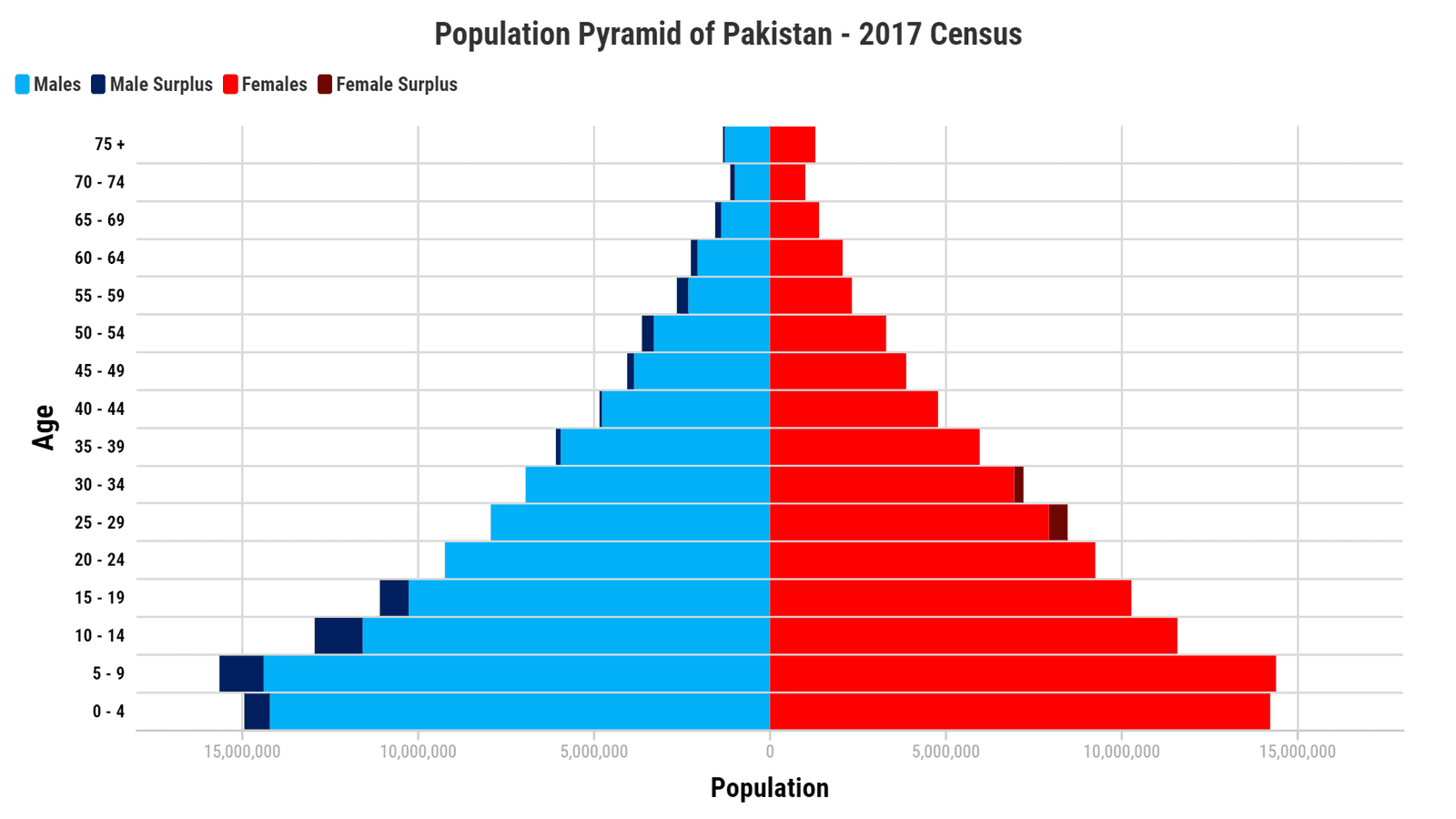
Pakistan’s young population has been described as the country’s greatest asset by Syedaal, highlighting the importance of this demographic in driving Pakistan’s future growth and development.
- Young population as Pakistan’s greatest asset
- Key to future growth and development
- Pakistan’s growing youth population
Significance of Young Population in Pakistan
The statement by Syedaal underscores the critical role that the young population plays in Pakistan’s future prospects. With over 60% of the population below the age of 30, Pakistan has one of the largest youth populations in the world.
Investing in Education
In order to harness the potential of this demographic, it is essential to invest in education and provide young people with the skills and knowledge required to compete in the global economy. This will not only help to drive economic growth but also ensure that the country is able to address the social and environmental challenges it faces.
Empowering Young People
Empowering young people through education and skills training is critical to Pakistan’s future success. By providing young people with the opportunities and resources they need to succeed, Pakistan can unlock the potential of its young population and secure a brighter future for generations to come.
Addressing Challenges
However, in order to realize the potential of its young population, Pakistan must address the challenges it faces, including poverty, inequality, and a lack of access to education and healthcare. By addressing these challenges, Pakistan can ensure that its young population is equipped with the skills and knowledge required to drive growth and development.
Conclusion
In conclusion, Pakistan’s young population is a valuable asset that has the potential to drive growth and development in the country. By investing in education and providing young people with the skills and knowledge required to compete in the global economy, Pakistan can unlock the potential of its young population and secure a brighter future for generations to come.
FAQs
Q1: What is the significance of Pakistan’s young population?
A1: Pakistan’s young population is the country’s greatest asset, with over 60% of the population below the age of 30. This demographic has the potential to drive growth and development in the country.
Q2: Why is education important for Pakistan’s young population?
A2: Education is critical for Pakistan’s young population as it provides them with the skills and knowledge required to compete in the global economy and drive growth and development in the country.
Q3: What challenges does Pakistan’s young population face?
A3: Pakistan’s young population faces a number of challenges, including poverty, inequality, and a lack of access to education and healthcare. These challenges must be addressed in order to realize the potential of the young population.
Q4: How can Pakistan harness the potential of its young population?
A4: Pakistan can harness the potential of its young population by investing in education and providing young people with the skills and knowledge required to compete in the global economy.
Q5: What is the role of the government in supporting Pakistan’s young population?
A5: The government has a critical role to play in supporting Pakistan’s young population by providing access to education and healthcare, as well as creating opportunities for skills training and employment.
Q6: What is the potential impact of Pakistan’s young population on the country’s future?
A6: Pakistan’s young population has the potential to drive growth and development in the country, ensuring a brighter future for generations to come.