
Trump Hints at Lack of US Support for UK in Falkland Islands Dispute
Donald Trump has hinted that the US may not come to the UK's aid in a potential future conflict with Argentina over the Falkland Islands, citing the UK's lack of support in the US's conflict with Iran. In an interview with GB News, Trump stated that the UK had not provided sufficient assistance during the
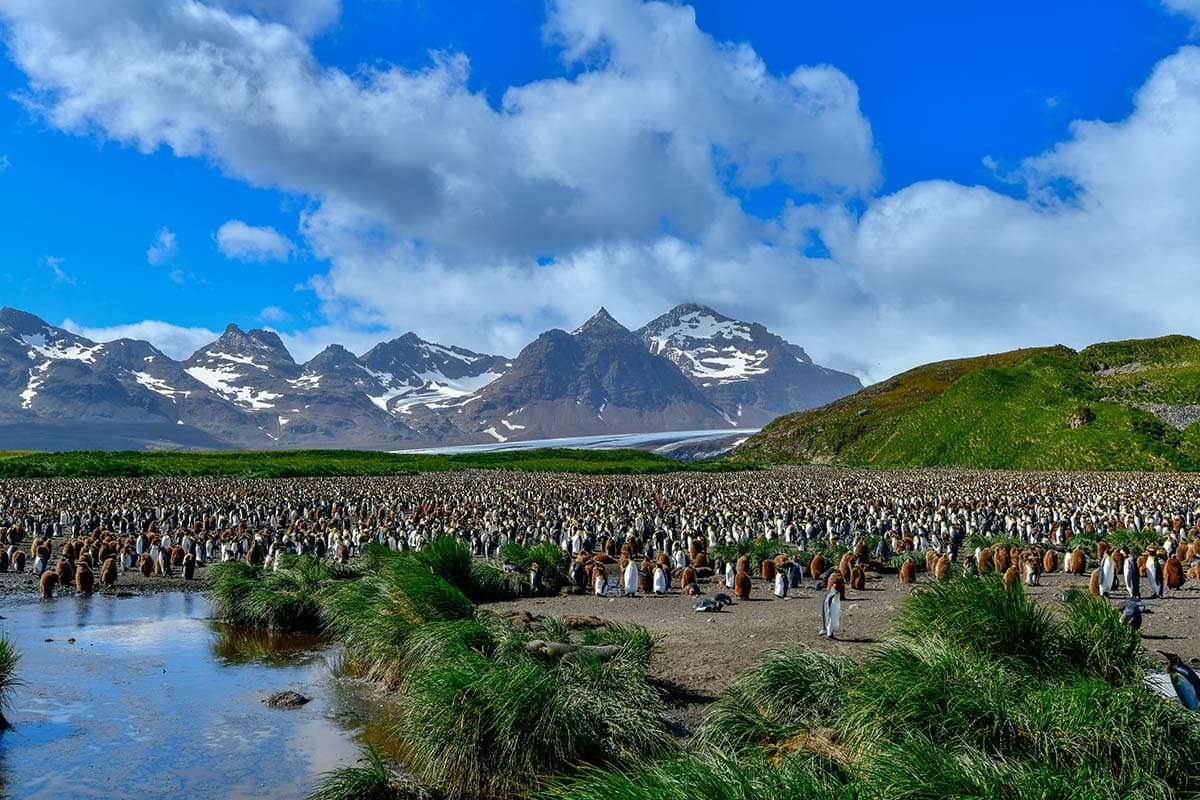
Donald Trump has hinted that the US may not come to the UK’s aid in a potential future conflict with Argentina over the Falkland Islands, citing the UK’s lack of support in the US’s conflict with Iran. In an interview with GB News, Trump stated that the UK had not provided sufficient assistance during the US’s war with Iran, despite the UK’s significant reliance on oil from the Strait of Hormuz.
The Falkland Islands, located in the south-west Atlantic Ocean, have been a subject of dispute between the UK and Argentina for over 40 years, following a brief but bitter war in 1982. The US has traditionally maintained a neutral position on the islands’ sovereignty, but Trump’s comments suggest a potential shift in this stance.
- The US may not support the UK in a potential conflict with Argentina over the Falkland Islands.
- The UK’s lack of support in the US’s conflict with Iran was cited as a reason for this potential lack of support.
- Argentina’s President Javier Milei is due to make a televised statement on the country’s claim to the islands.
- The UK government has reiterated its commitment to the Falkland Islands, stating that the islanders have the right to determine their own future.
Falkland Islands Dispute Background
The Falkland Islands have been a British overseas territory since 1833, but Argentina has long claimed sovereignty over the islands. The dispute led to a 74-day war in 1982, resulting in the deaths of 255 British military personnel, three islanders, and 649 Argentine military personnel. A 2013 referendum saw 99.8% of islanders vote in favour of remaining a British overseas territory.
Trump’s Comments on US Support
“Well, look, I was there when they had the first war. That was a long time ago and I watched it so carefully, and you comported yourselves very well. You took it back pretty strongly, but it’s a long way away,” Trump said in the GB News interview. He also stated that the UK’s lack of support in the US’s conflict with Iran was “pretty sad”, and that “Nato was not there, even though they get – most of those countries get – a big portion of their oil from there.”
UK Government Response
The UK government has responded to Trump’s comments by reiterating its commitment to the Falkland Islands. A spokesperson stated that “Falkland islanders are British with a right to determine their own future”, and that “our commitment to them is unwavering.” The UK government has also emphasized the islanders’ overwhelming vote in favour of remaining a British overseas territory in the 2013 referendum.
Argentina’s Claim to the Islands
Argentina’s President Javier Milei is due to make a televised statement on the country’s claim to the Falkland Islands. The Argentine government has long claimed sovereignty over the islands, and has sought to negotiate with the UK on the issue. However, the UK has maintained that the islanders have the right to determine their own future, and has rejected Argentine claims to the islands.
Implications of Trump’s Comments
Trump’s comments have sparked concerns over the UK’s sovereignty claim to the Falkland Islands. The US’s potential lack of support in a conflict with Argentina could have significant implications for the UK’s ability to defend the islands. The UK government has sought to reassure the islanders of its commitment to their security, but Trump’s comments have raised questions about the US’s role in the dispute.
For more information on this story, visit Watan News.
Conclusion
In conclusion, Trump’s comments on the Falkland Islands dispute have significant implications for the UK’s sovereignty claim and the potential for conflict with Argentina. The US’s potential lack of support in a conflict could have far-reaching consequences for the UK’s ability to defend the islands, and has raised questions about the US’s role in the dispute.
FAQs
Q1: What led to Trump’s comments on the Falkland Islands dispute?
A1: Trump’s comments were made in response to a question about the US’s position on the Falkland Islands, and were influenced by the UK’s lack of support in the US’s conflict with Iran.
Q2: What is the UK government’s position on the Falkland Islands dispute?
A2: The UK government has reiterated its commitment to the Falkland Islands, stating that the islanders have the right to determine their own future, and has rejected Argentine claims to the islands.
Q3: What are the implications of Trump’s comments for the UK’s sovereignty claim?
A3: Trump’s comments have sparked concerns over the UK’s sovereignty claim to the Falkland Islands, and have raised questions about the US’s role in the dispute. The UK government has sought to reassure the islanders of its commitment to their security, but Trump’s comments have significant implications for the UK’s ability to defend the islands.
Q4: What is Argentina’s position on the Falkland Islands dispute?
A4: Argentina has long claimed sovereignty over the Falkland Islands, and has sought to negotiate with the UK on the issue. The Argentine government has emphasized the islanders’ right to self-determination, but has also sought to assert its claim to the islands.
Q5: What is the historical context of the Falkland Islands dispute?
A5: The Falkland Islands have been a British overseas territory since 1833, but Argentina has long claimed sovereignty over the islands. The dispute led to a 74-day war in 1982, resulting in the deaths of 255 British military personnel, three islanders, and 649 Argentine military personnel. A 2013 referendum saw 99.8% of islanders vote in favour of remaining a British overseas territory.