
US Deports 20 People to Liberia Under Trump Deal
The United States has deported 20 people to Liberia, marking the first batch of migrants to be sent back to the west African country under a new agreement with the Trump administration. This move is part of a larger immigration crackdown, which aims to deport as many as 1,200 people to Liberia. The deportees arrived
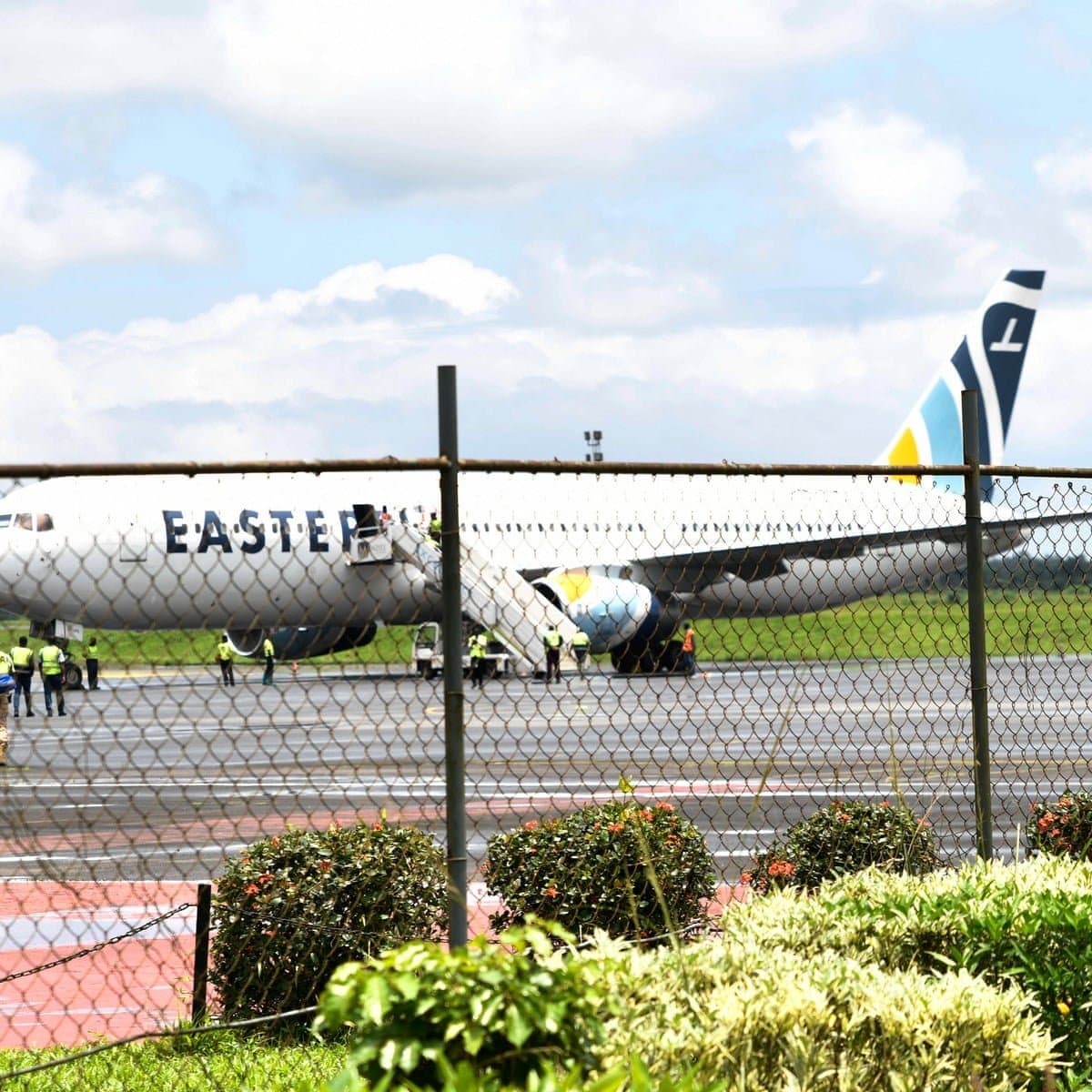
The United States has deported 20 people to Liberia, marking the first batch of migrants to be sent back to the west African country under a new agreement with the Trump administration. This move is part of a larger immigration crackdown, which aims to deport as many as 1,200 people to Liberia.
The deportees arrived at the Roberts international airport outside of Monrovia, Liberia, on Thursday, in what is considered one of the largest third-country deportations driven by the Trump administration’s immigration policies. This development has sparked concerns among human rights groups and immigration advocates, who argue that such deportations can put the lives of migrants at risk.
- The US has deported 20 people to Liberia, with up to 1,200 more expected to follow under the new agreement.
- This move is part of the Trump administration’s broader immigration crackdown, which has been criticized by human rights groups and immigration advocates.
- The deportations are among the largest third-country deportations driven by the Trump administration’s immigration policies.
Core Details
The agreement between the US and Liberia is seen as a significant development in the Trump administration’s efforts to curb immigration. The administration has been seeking to increase deportations to third countries, and the deal with Liberia is one of the largest such agreements to date. The deportees who arrived in Liberia on Thursday were reportedly taken into custody by Liberian authorities, who will be responsible for their processing and integration into society.
The Trump administration has faced criticism for its immigration policies, which have been accused of being overly harsh and inhumane. The deportations to Liberia have raised concerns among human rights groups, who argue that the country may not have the resources or infrastructure to support the influx of new arrivals. Despite these concerns, the US has pushed ahead with the deportations, citing the need to enforce its immigration laws and protect national security.
Official Statements
Official statements from the US government have emphasized the importance of enforcing immigration laws and protecting national security. However, critics argue that the deportations are a result of a flawed and inhumane immigration policy that prioritizes enforcement over human rights. ‘This is a clear example of the Trump administration’s misguided approach to immigration,’ said one immigration advocate, who wished to remain anonymous. ‘The deportations to Liberia are a recipe for disaster, and will only serve to put the lives of migrants at risk.’
Meanwhile, Liberian officials have sought to reassure the public that the country is prepared to receive the deportees and provide them with the necessary support. However, there are concerns that the country’s resources may be stretched to the limit, and that the deportees may face significant challenges in integrating into society. For more information on this story, visit Watan News.
Future Impact
The deportations to Liberia are likely to have a significant impact on the country, both in terms of its resources and its social fabric. The influx of new arrivals will put a strain on the country’s infrastructure, and may lead to tensions between the deportees and the local population. Furthermore, the deportations may also have a broader impact on the region, as other countries may be encouraged to follow suit and establish similar agreements with the US.
The future of the deportees themselves is also uncertain, as they will face significant challenges in integrating into Liberian society. Many of the deportees may have been living in the US for years, and may have limited ties to Liberia. As such, they may struggle to adapt to their new surroundings, and may face difficulties in accessing basic services such as healthcare and education. As the situation continues to unfold, it remains to be seen how the deportees will fare, and what the long-term consequences of the deportations will be.