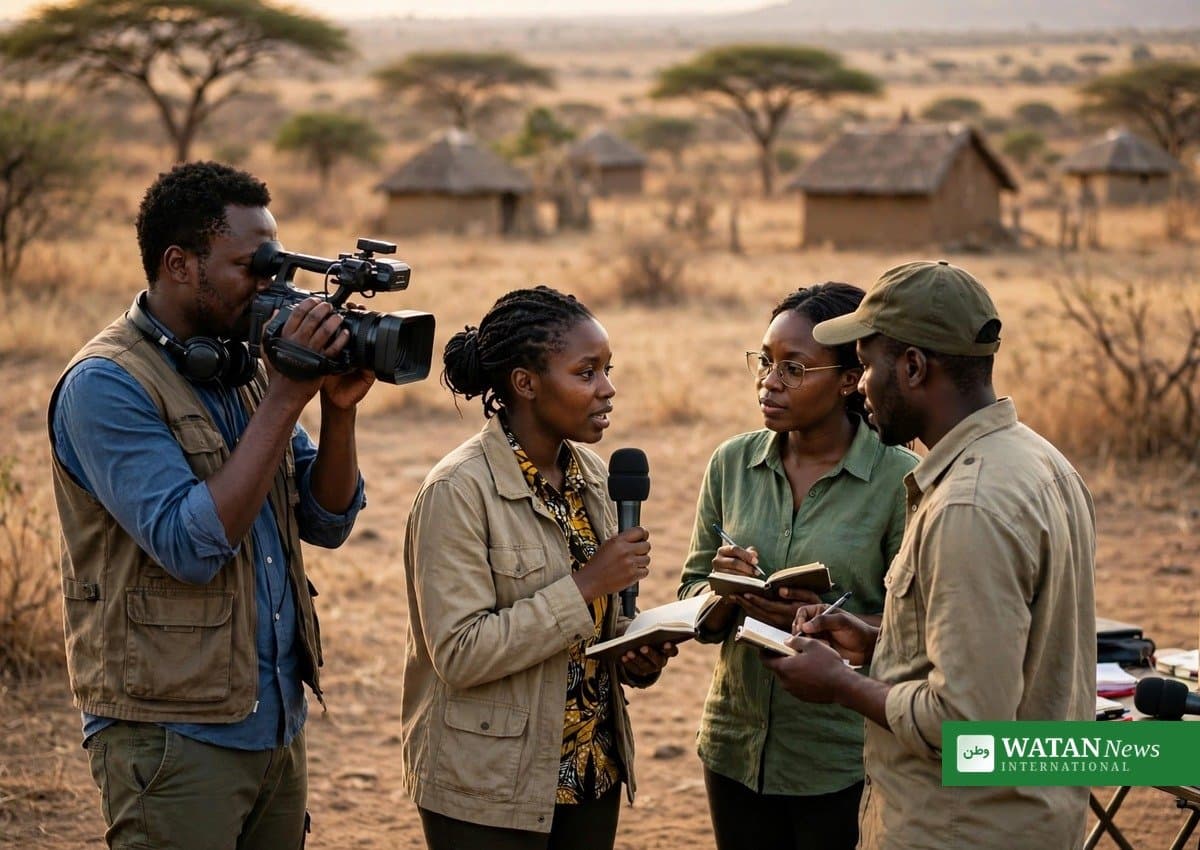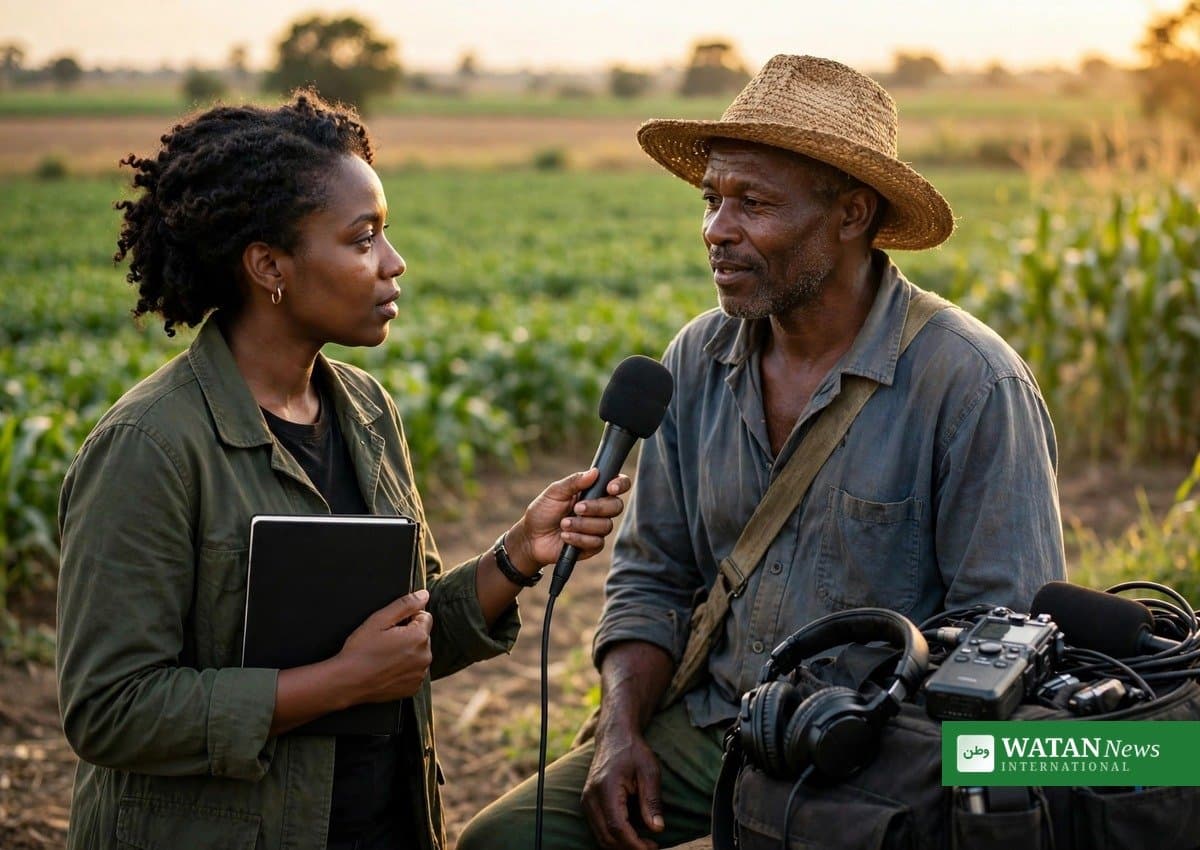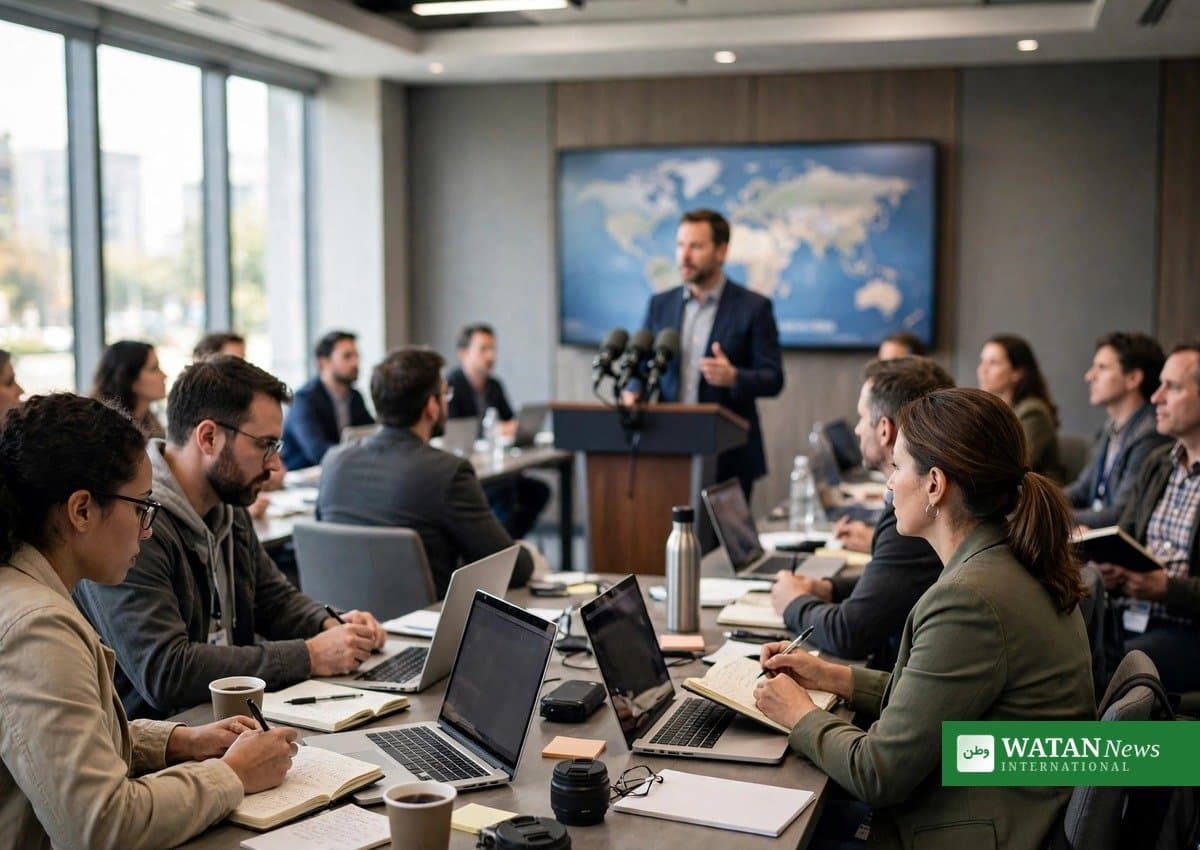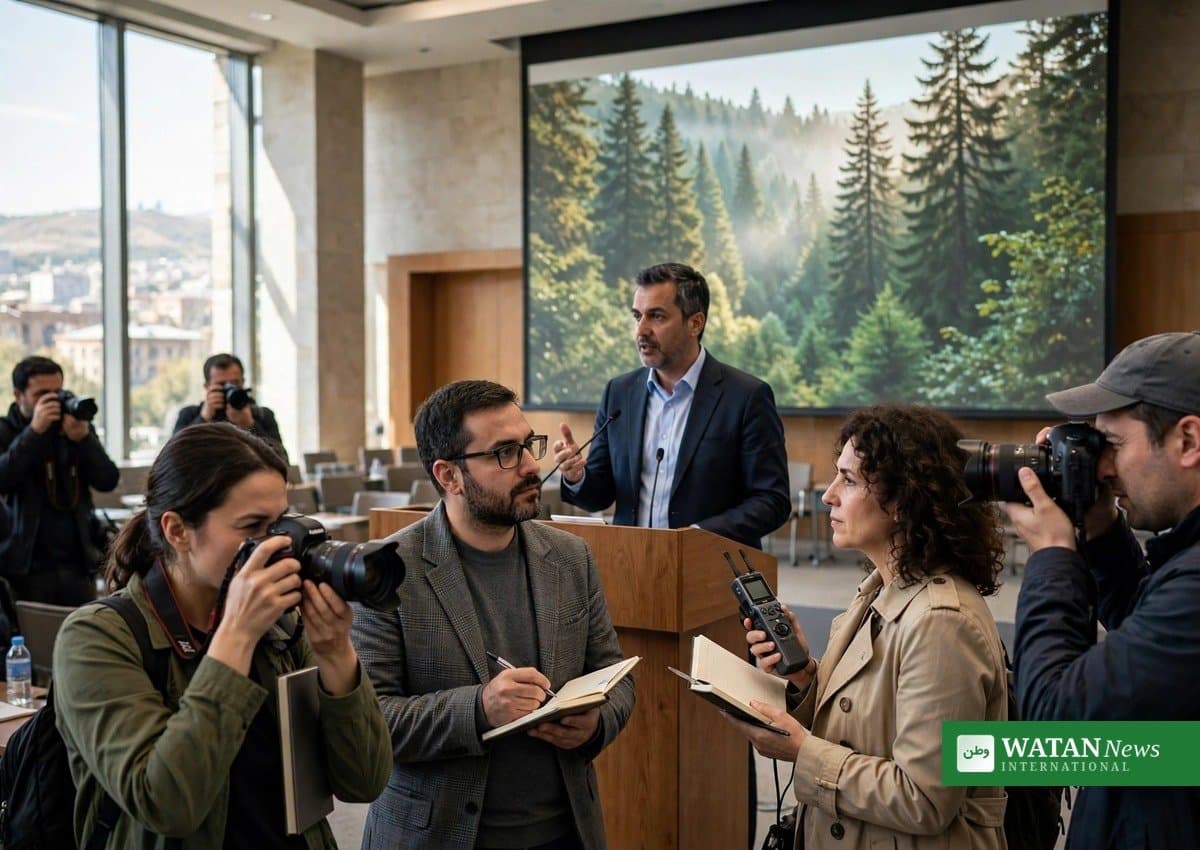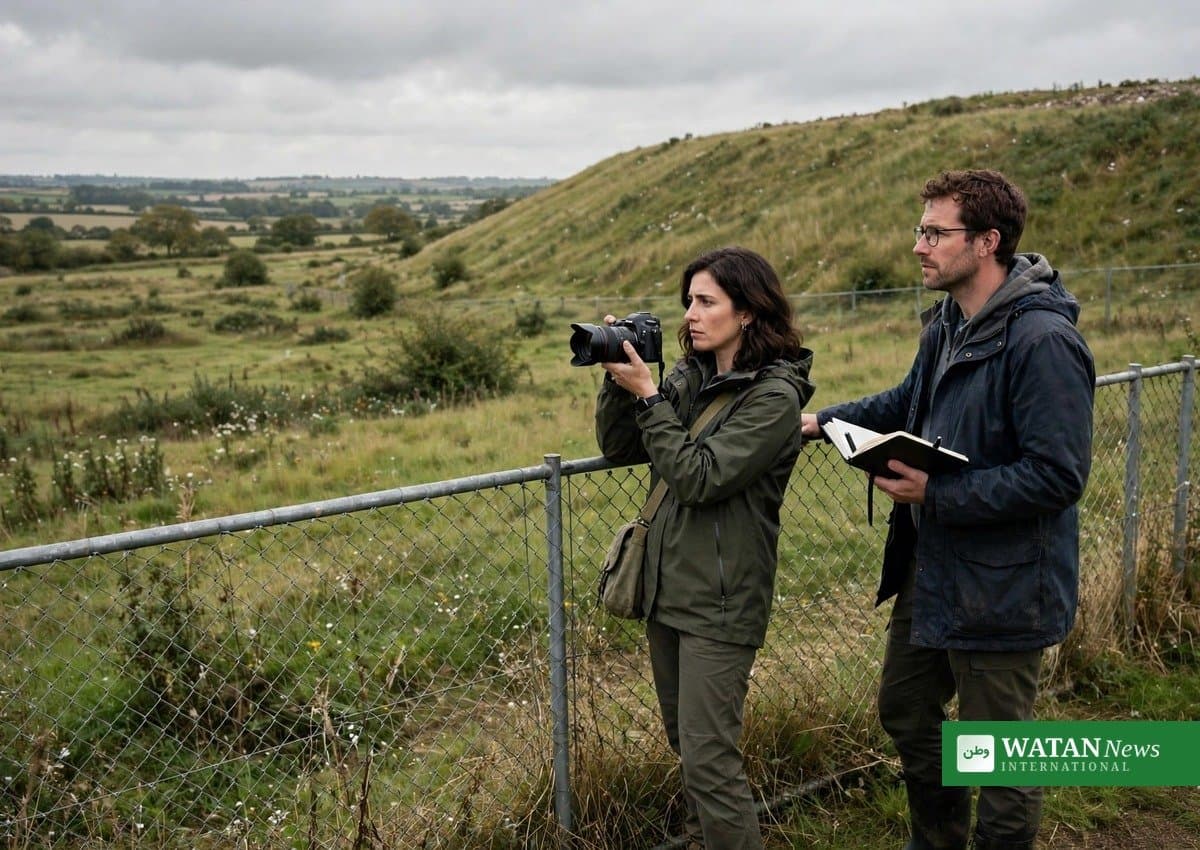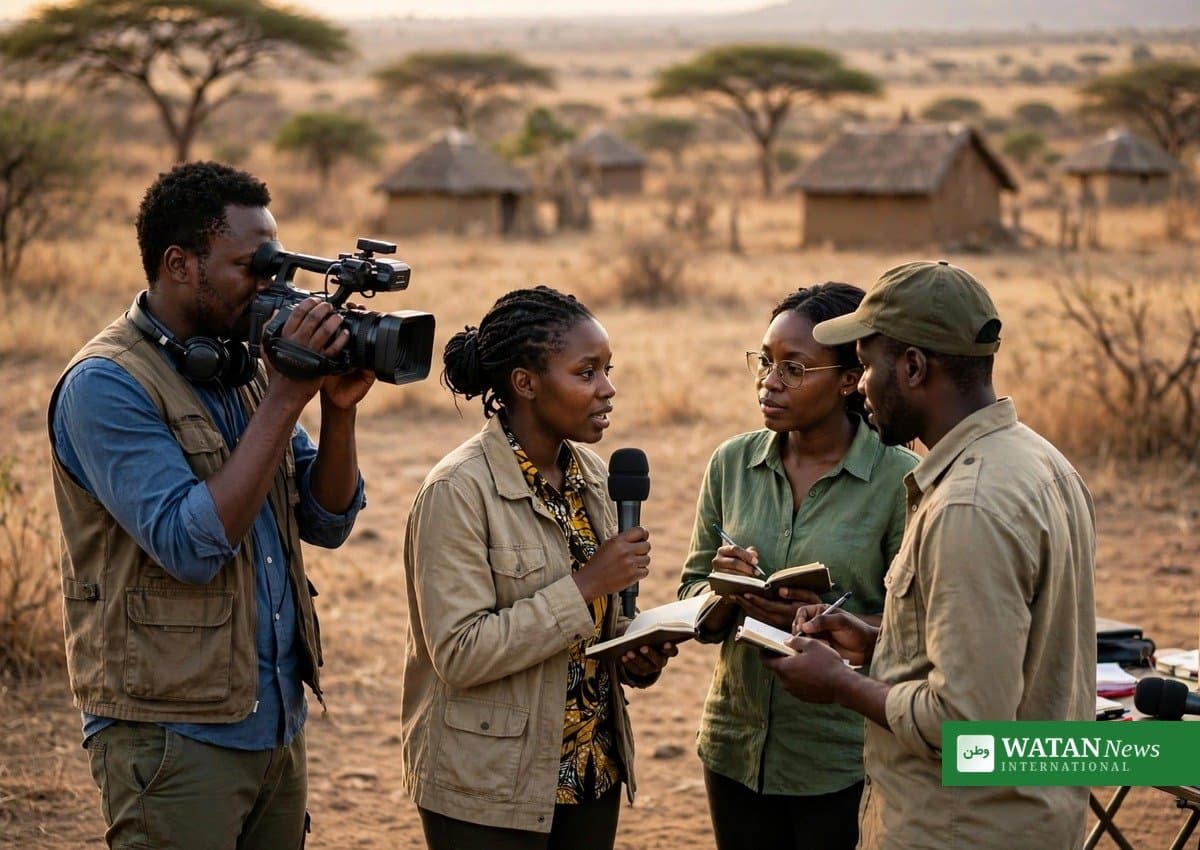
Broadcast journalists from Namibia, Zambia and Senegal have begun a two-day climate reporting training programme under a new partnership between the African Union of Broadcasting (AUB) and the Green Climate Fund (GCF), the AUB announced on 4 November 2026. The programme aims to strengthen accurate, human-centred and solutions-focused reporting on climate change across Africa.
The training opened on 4 November 2026 and launches the Climate Impact Stories Partnership, which supports broadcast news coverage of GCF projects in Africa. According to the AUB, the goal is to help journalists move beyond crisis-driven coverage and tell stories that examine the human consequences of climate change, explore practical responses and hold relevant institutions to account.
The partnership and the training
The partnership brings together the continent’s broadcasting union and the world’s largest dedicated climate fund. Andrew McElroy, Media Senior Specialist in the GCF Department of Communications and the Fund’s focal point for the partnership, outlined the GCF’s role in supporting climate action through finance, strengthening national institutions and mobilising private sector investment.
According to the AUB announcement, the GCF’s African portfolio comprises 155 projects with a total value of US$7.7 billion across 55 countries. The training sessions are led by trainer Onengiye Fyneface, who is guiding participants through approaches to effective climate storytelling.
What the journalists will report
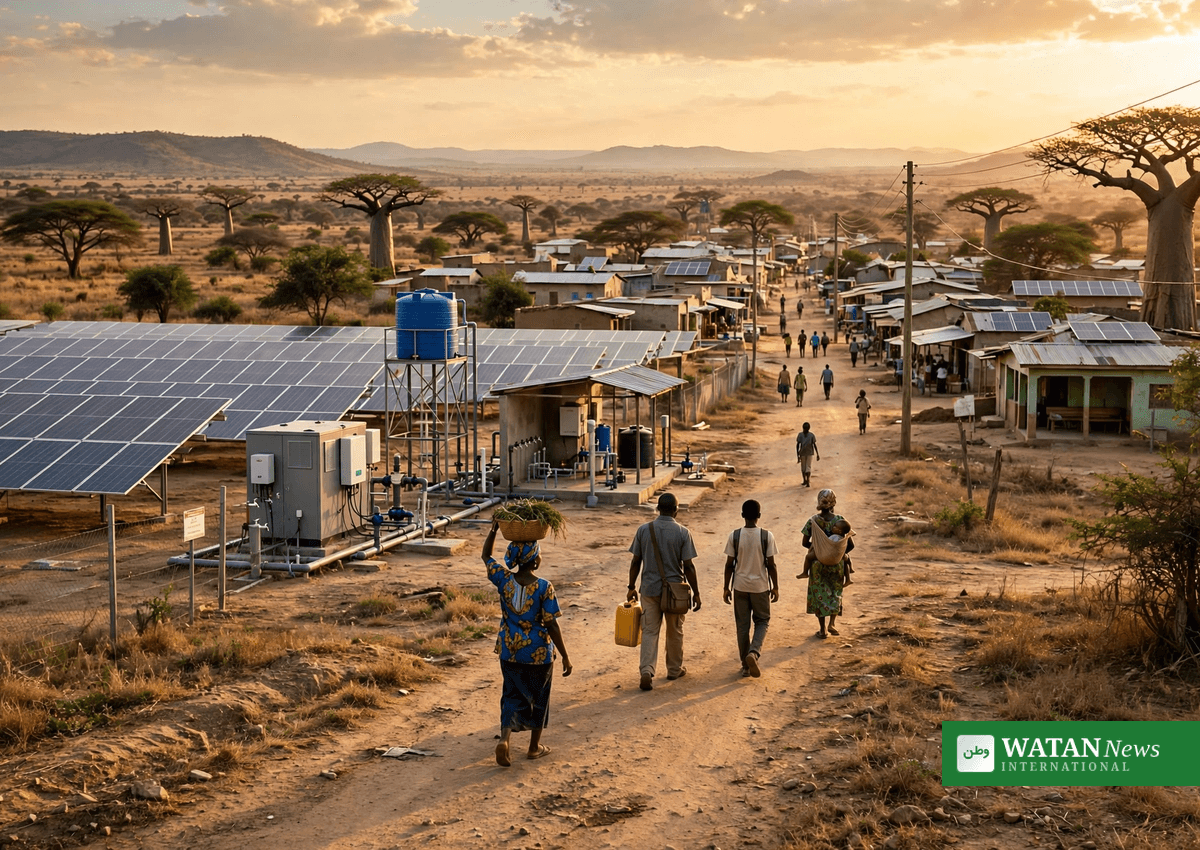
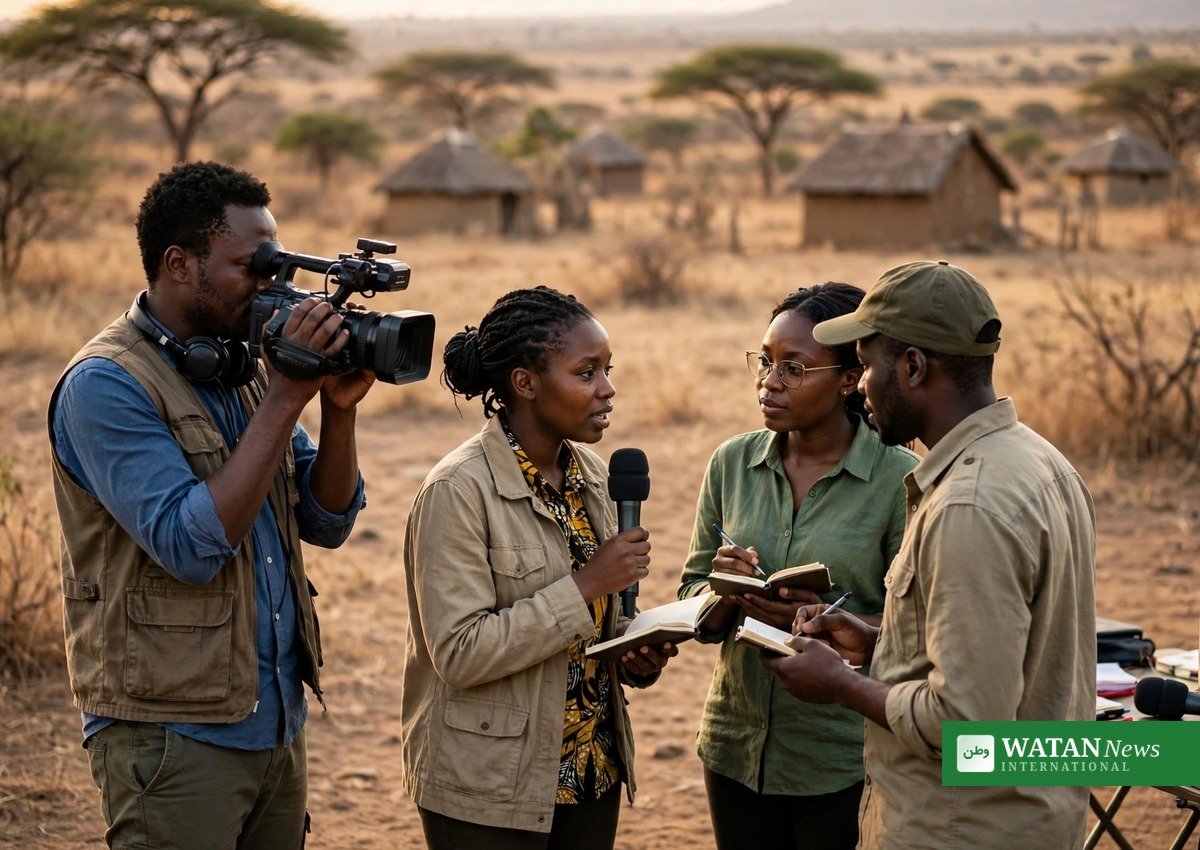
Participants examined a range of potential story topics reflecting the climate challenges facing their countries and communities. These included coastal erosion in Saint-Louis, Senegal; the impact of drought on maize production and cattle farming in Zambia; challenges facing communal farmers in Namibia; and the effects of climate change on rice farming in northern Cameroon.
After the training, the participating journalists will develop and produce documentaries and news features examining climate challenges and responses, including initiatives supported by the Green Climate Fund. Production grants will support the reporting process, with funding for fieldwork for participating colleagues in Zambia and Namibia. English-speaking journalists from Senegal will join a French-speaking cohort for the production activities.
Why solutions-focused reporting matters
For audiences living with drought, coastal erosion and shifting rainfall, climate news is not abstract. It affects harvests, water, homes and livelihoods. Reporting that only records disaster can leave audiences informed about the damage but unclear about what is being done, what works and who is responsible.
Solutions-focused reporting keeps the human story at the centre while also examining responses: what a project delivers, who benefits, what it costs and where it falls short. That approach is especially important for climate finance, where large sums are committed across many countries and the public needs clear, evidence-based reporting on whether money reaches communities.
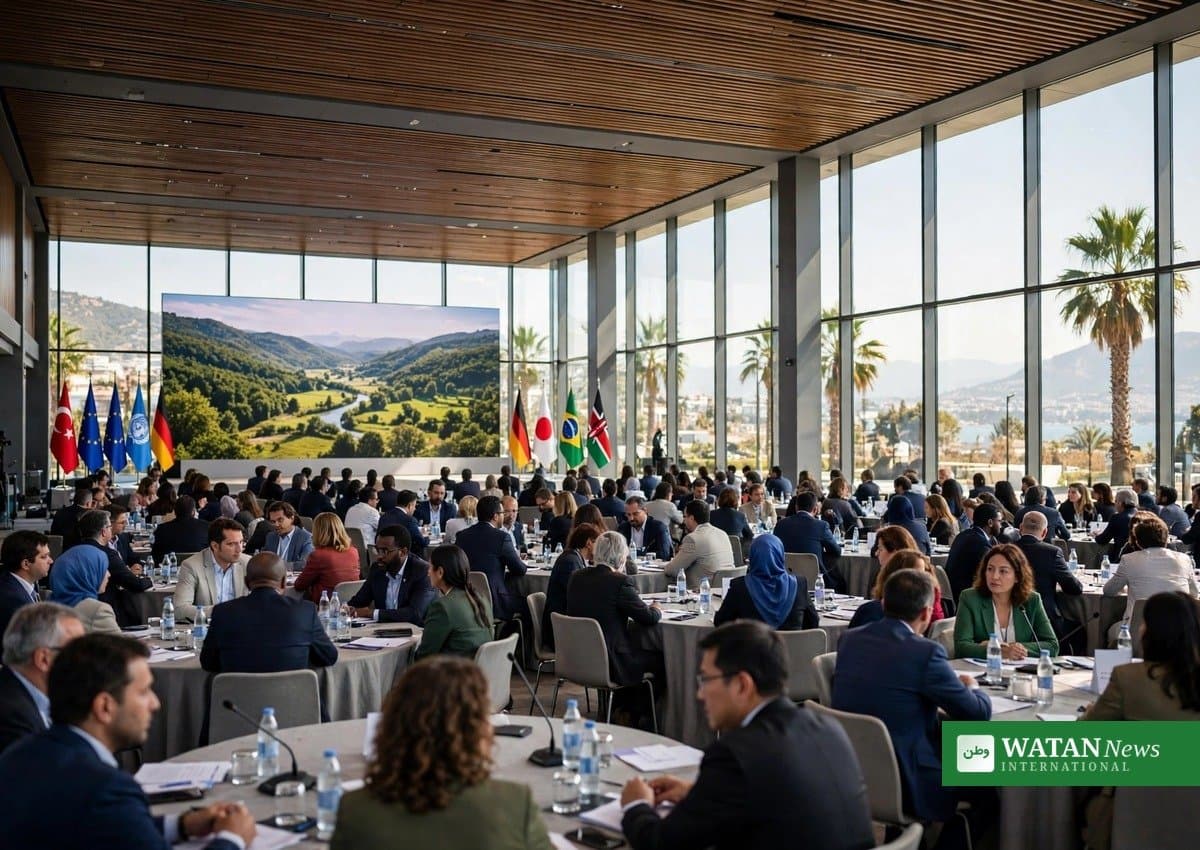
The timing also matters for newsrooms. The UN climate conference COP31 takes place in Antalya, Türkiye, from 9 to 20 November 2026, and African broadcasters will be covering negotiations whose outcomes affect adaptation funding, agriculture and resilience across the continent. Journalists trained to report climate finance and local impacts in plain, verified language will be better placed to explain those talks to their audiences.
What happens next
According to the AUB, the productions are expected to begin immediately after the training and to be completed by December 2026. The resulting documentaries and news features will be broadcast by participating outlets, bringing community-level climate stories from Namibia, Zambia and Senegal to wider African audiences.
Read more on climate journalism and COP31 coverage: 16 journalists win fellowships to report from COP31 in Antalya.
Key facts
- Partnership: Climate Impact Stories Partnership, by the African Union of Broadcasting (AUB) and the Green Climate Fund (GCF).
- Training: a two-day climate reporting programme, opened 4 November 2026, for journalists from Namibia, Zambia and Senegal.
- Trainer: Onengiye Fyneface; GCF focal point: Andrew McElroy, Media Senior Specialist, GCF Department of Communications.
- GCF African portfolio, according to the AUB: 155 projects worth US$7.7 billion across 55 countries.
- Output: documentaries and news features, starting immediately after training and due by December 2026.