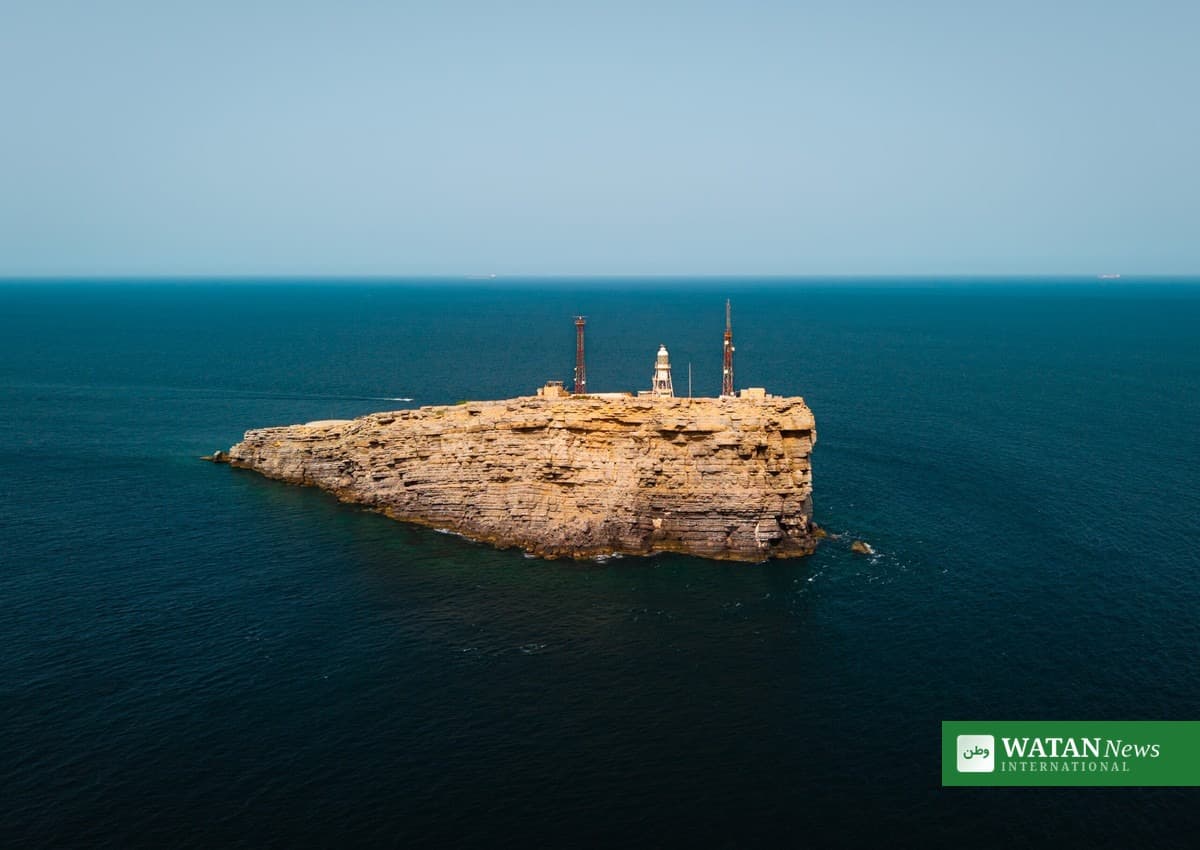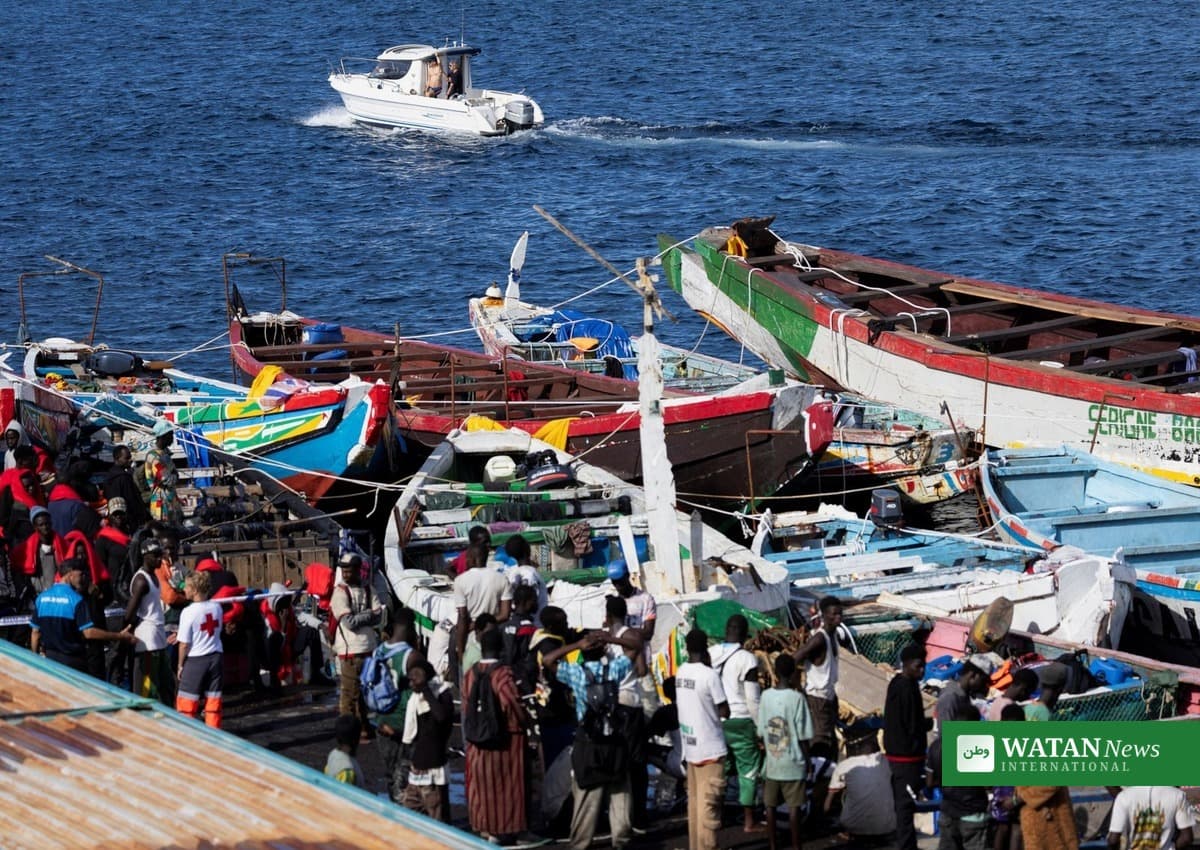
Authorities on the Spanish Canary Island of El Hierro have declared a social emergency after more than 3,300 migrants reached the island by boat since the start of November, in an El Hierro migrant emergency that has overwhelmed reception services on an island of about 11,400 people.
The island’s governing council, the Cabildo de El Hierro, formalised the declaration by decree on Friday, 6 November, and asked the regional and national governments for more support. More than 8,000 people have arrived on the island by boat over the previous five weeks, the council said, including more than 3,000 in the last five days alone.
FAKTA
- Where: El Hierro, the smallest of Spain’s Canary Islands and a main entry point for migrants crossing the Atlantic from West Africa.
- What: The island council declared a social emergency on Friday, 6 November, and asked the national government in Madrid for help.
- Scale: More than 3,300 arrivals in about 30 boats since 1 November, and more than 8,000 in five weeks, on an island of about 11,400 residents.
- Response: The Canary Islands government has asked Spain’s Interior Ministry for extra police officers and equipment, and its president has written to the European Commission.
- Route: The Atlantic crossing from West Africa to the Canary Islands is one of the world’s deadliest migration routes.
Island services under strain
Alpidio Armas, head of the island’s governing council, told Spanish television on Saturday that the emergency declaration was meant to set up a framework of cooperation with higher levels of government. He said officials were looking for temporary accommodation for the new arrivals and that conditions at the island’s hospital had become “undesirable”.
“We need more resources and more means so that the protocol we have been running for these last years does not overflow or break,” Armas said.
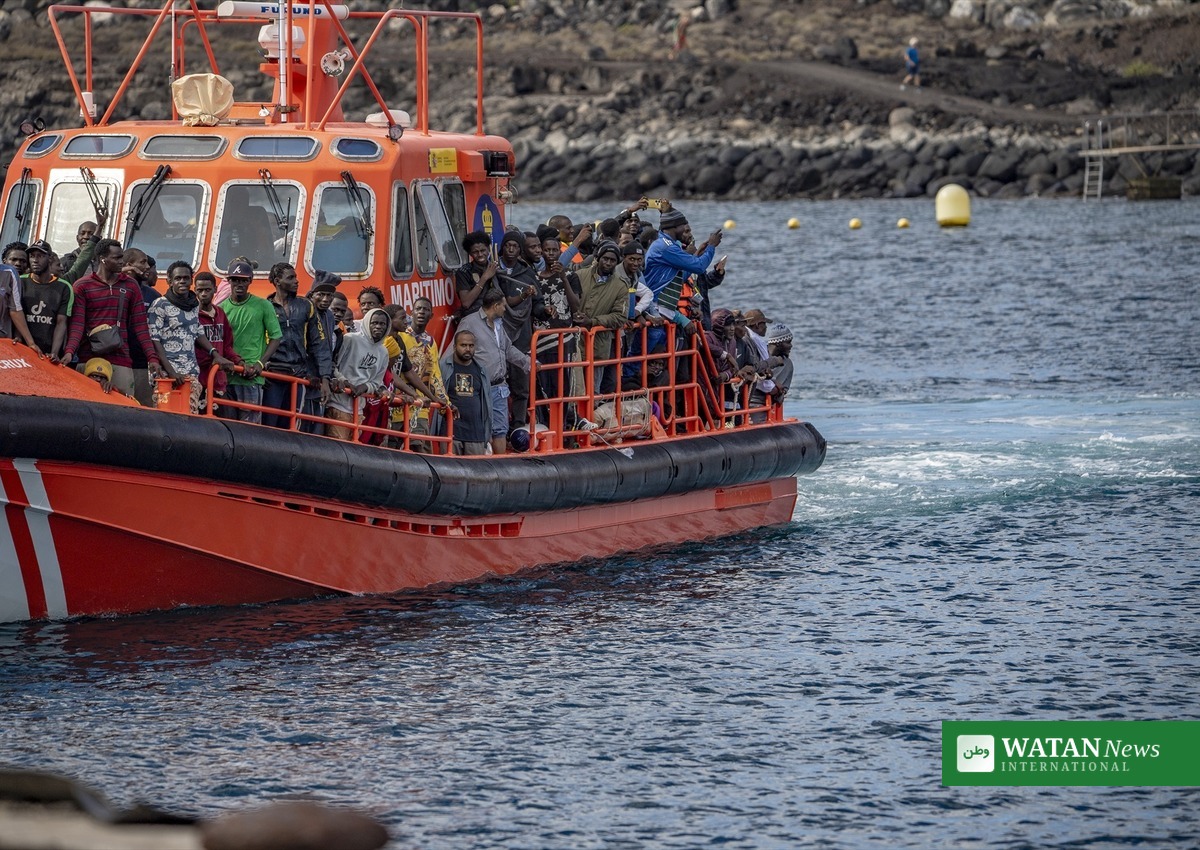
Fernando Clavijo, the regional leader of the Canary Islands, called the situation “absolutely unsustainable” on Friday. Maritime rescue services rescued 3,261 people off the islands in the first six days of November. Buses have been diverted to migration operations and medical staff brought in from other islands.
The Red Cross, which runs first-aid teams for arriving migrants in the Canaries, said one team often had not finished one intervention before the next boat arrived.
Appeals to Madrid and Brussels
In a letter sent on Friday, 6 November, the Canary government’s counsellor for the presidency, Nieves Lady Barreto, asked Interior Minister Fernando Grande-Marlaska for immediate extra officers and equipment from the National Police and the Civil Guard on El Hierro.
The regional government counted 49 boats carrying about 4,587 people to the archipelago between 1 and 6 November, 35 of them to El Hierro. In the same period of 2025 only two boats reached the island, and in 2024 there were eleven.
Clavijo has also written to Magnus Brunner, the European Commissioner for Internal Affairs and Migration, asking for an urgent intervention. His letter sets out five priorities, including an immediate assessment of the pressure, a review of solidarity and funding mechanisms under the EU Pact on Migration and Asylum, and closer cooperation with Morocco, Mauritania, Senegal and Gambia. He has also asked Prime Minister Pedro Sanchez for an urgent meeting between the two governments.
One of the world’s deadliest crossings
The Atlantic route from West Africa to the Canaries is one of the deadliest migration crossings in the world. Two people were found dead on a boat heading for the islands this week, and survivors said five others died during the voyage, according to AFP.
One survivor described a ten-day crossing in which food and water ran out by the seventh day and some passengers drank seawater. Two people went overboard because they could no longer go on, the survivor said.
Patrols off Senegal, Mauritania and Morocco have pushed departures further south to The Gambia, Guinea-Bissau and Guinea, making the crossings longer.
Arrivals near record pace
Clavijo said arrivals were approaching the record pace of 2024, when more than 46,000 people reached the Canary Islands by sea. Spain’s Interior Ministry recorded 13,327 irregular sea arrivals in the Canaries between January and October, 5.5 percent fewer than in the same period last year.
The island council said the emergency declaration would provide a framework for cooperation, protect fundamental rights and open access to budget funds for the emergency. Follow further updates on the El Hierro migrant emergency on Watan News.