
Fuel Tanker Blast in Western Iran Kills at Least 10
A devastating fuel tanker blast in western Iran has resulted in the loss of at least 10 lives, according to reports from Iranian national broadcast media (IRIB). The incident occurred on the Hamedan-Sanandaj highway, where a road crash triggered the explosion of the fuel tanker on Saturday. The accident was attributed to a technical fault
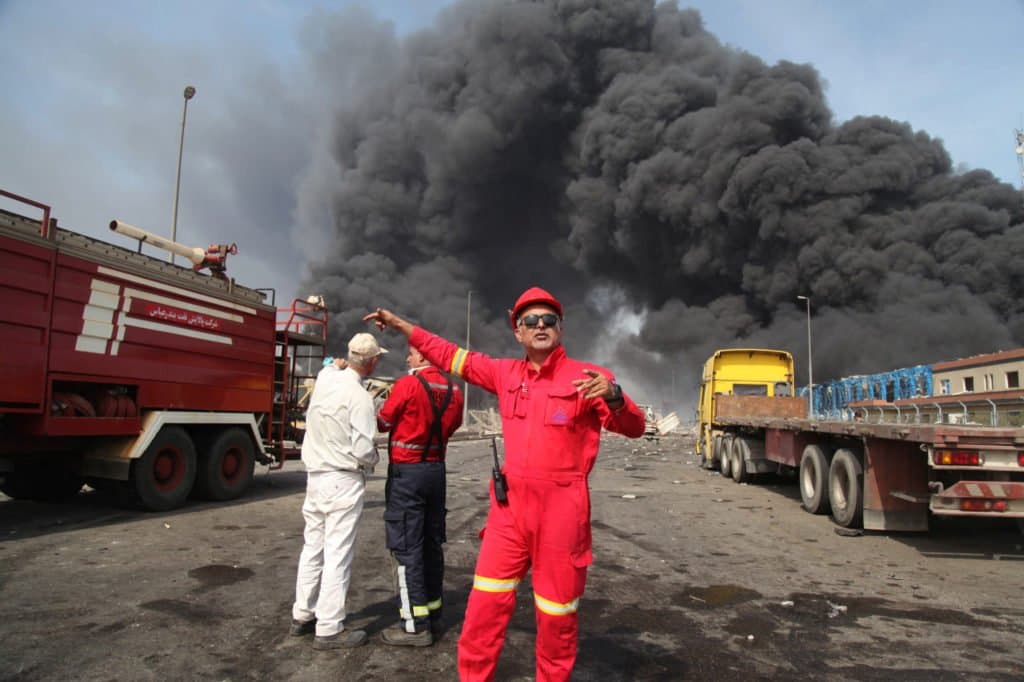
A devastating fuel tanker blast in western Iran has resulted in the loss of at least 10 lives, according to reports from Iranian national broadcast media (IRIB). The incident occurred on the Hamedan-Sanandaj highway, where a road crash triggered the explosion of the fuel tanker on Saturday.
The accident was attributed to a technical fault in the braking system of the vehicle carrying the tanker, as stated by the governor of Sanandaj, the capital of Iran’s Kurdistan province. This technical issue led to the crash, which subsequently caused the fuel tanker to explode, resulting in the tragic loss of life and injuring at least six other people.
- At least 10 people were killed in the fuel tanker blast.
- The accident was caused by a technical fault in the braking system of the vehicle.
- At least six other people were injured in the incident.
Sanandaj Governor’s Statement
The governor of Sanandaj provided initial reports on the casualty figures and stated that the resulting fire from the explosion was immediately brought under control. However, the identities of those killed in the accident were not disclosed by local officials.
Technical Fault and Road Conditions
The incident highlights the recurring issue of poor road conditions and ageing vehicle fleets in Iran, which have contributed to a history of deadly tanker and bus collisions in the country. “The accident was caused by a technical fault in the braking system of the vehicle carrying the tanker,” said the governor of Sanandaj, as reported by the Reuters news agency.
History of Deadly Accidents in Iran
Iran has a long history of deadly accidents involving tankers and buses, with at least 13 people killed in 2018 after a fuel tanker slammed into a bus near Sanandaj. The country’s poor road conditions, ageing vehicle fleets, and heavy freight traffic have made such accidents a common hazard.
UNICEF Report on Traffic Accidents
According to UNICEF, Iran’s rate of traffic crashes is 20 times the world’s average, with the country suffering from poor roads and lax traffic enforcement. A report by the Tehran-based newspaper Financial Tribune in May 2017 stated that more than 20,000 people are killed and 800,000 are injured annually in road accidents in Iran.
Future Implications and Prevention
The latest deadly accident underscores the need for improved road safety measures and stricter traffic enforcement in Iran. The government and relevant authorities must take immediate action to address the issue of poor road conditions and ageing vehicle fleets to prevent such accidents in the future. For more news and updates, visit Watan News.
Conclusion
In conclusion, the fuel tanker blast in western Iran is a tragic reminder of the need for improved road safety measures and stricter traffic enforcement in the country. The incident has resulted in the loss of at least 10 lives and highlights the recurring issue of poor road conditions and ageing vehicle fleets in Iran.
FAQs
Q1: What caused the fuel tanker blast in western Iran?
A1: The fuel tanker blast in western Iran was caused by a technical fault in the braking system of the vehicle carrying the tanker, which led to a road crash and subsequent explosion.
Q2: How many people were killed in the accident?
A2: At least 10 people were killed in the fuel tanker blast, according to reports from Iranian national broadcast media (IRIB).
Q3: What is the history of deadly accidents in Iran?
A3: Iran has a long history of deadly accidents involving tankers and buses, with at least 13 people killed in 2018 after a fuel tanker slammed into a bus near Sanandaj. The country’s poor road conditions, ageing vehicle fleets, and heavy freight traffic have made such accidents a common hazard.
Q4: What is the rate of traffic crashes in Iran compared to the world average?
A4: According to UNICEF, Iran’s rate of traffic crashes is 20 times the world’s average, with the country suffering from poor roads and lax traffic enforcement.
Q5: How many people are killed and injured annually in road accidents in Iran?
A5: More than 20,000 people are killed and 800,000 are injured annually in road accidents in Iran, according to a report by the Tehran-based newspaper Financial Tribune in May 2017.
Q6: What needs to be done to prevent such accidents in the future?
A6: The government and relevant authorities must take immediate action to address the issue of poor road conditions and ageing vehicle fleets, and implement stricter traffic enforcement to prevent such accidents in the future.