This article is an informative explainer — not breaking news. It profiles the people behind the world’s growing green ambassador programmes and what they actually do.
Behind every major climate negotiation, there is a quieter workforce: teachers, students, migrant workers and community volunteers who carry climate action into everyday life. They are called green ambassadors — and from Hong Kong to Yerevan, their ranks are growing.
A green ambassador is not a diplomat in the traditional sense. The title is given to ordinary people trained to spread environmental awareness, run local projects and speak for the climate in their own communities. Governments, churches, universities and international organisations now run formal ambassador programmes on every continent.
FAKTA: Green ambassadors at a glance
- Hong Kong’s Caritas project is training nearly 100 migrant domestic workers as green ambassadors in a two-year, government-funded programme.
- Armenia is preparing up to 350 university students as Biodiversity Ambassadors ahead of the UN biodiversity conference COP17 in Yerevan this October.
- QS ImpACT has named 10 climate education ambassadors from 10 countries, including Türkiye and Pakistan, for outstanding local climate teaching.
- Europe’s EU Climate Pact counts more than 1,000 climate ambassadors across the continent; its 2026 call is open from 1 to 31 October.
Migrant workers become green ambassadors in Hong Kong
In Hong Kong, the Catholic Church is involving migrant domestic workers in its Season of Creation campaign, training nearly 100 of them as “green ambassadors” to promote low-carbon living, according to a report by LiCAS.news.
The two-year, government-funded “Green Migrant Workers, Green Project” is being carried out by the Caritas Asian Migrant Workers Social Service Project. At the project’s launch in June, migrant workers designed and modelled high-fashion outfits made from discarded plastic bags, newspapers and cartons. More than 400 workers later installed the government’s Go Green app.
The project will also organise a photography exhibition presenting foreign domestic workers’ views on global warming and a beach-cleaning campaign involving workers, their employers and kindergarten students.
“They came to Hong Kong not only to take care of our families, but also to protect our environment,” said Angel Wong, the project supervisor. She added that the workers’ participation had encouraged their employers to become more involved in environmental protection.
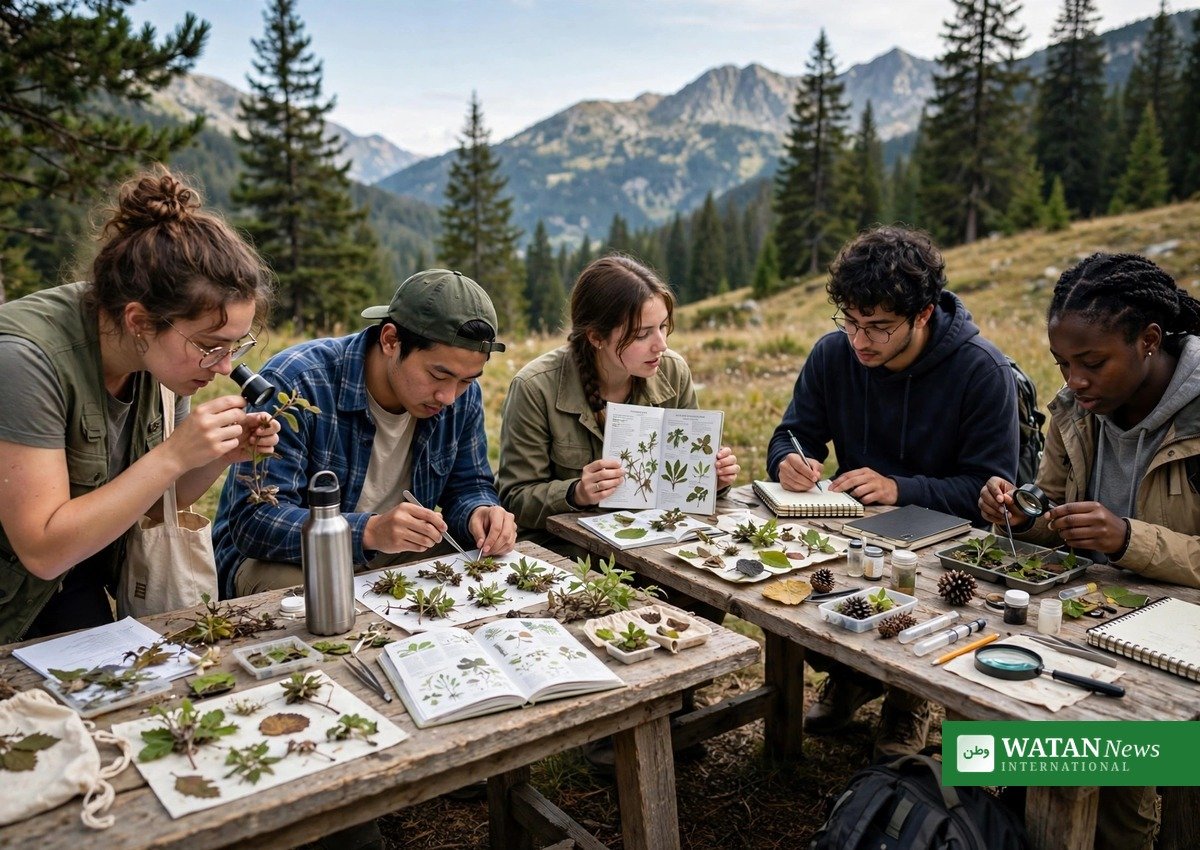
University students in a biodiversity training workshop — the kind of hands-on training ambassador programmes use worldwide. Image: Watan News / AI illustration.
Armenia trains 350 biodiversity ambassadors for COP17
In Armenia, the AUA Acopian Center for the Environment has launched a Biodiversity Ambassador Program to prepare up to 350 university students as active advocates for nature ahead of the UN Convention on Biological Diversity’s 17th Conference of the Parties (COP17), to be hosted in Yerevan in October 2026.
The initiative is run by the Armenian University Coalition for Biodiversity, a network of around a dozen Armenian universities. It is open to students of all academic backgrounds who are citizens or residents of Armenia between the ages of 18 and 35.
Selected candidates receive intensive training — in-person workshops and online courses covering environmental diplomacy and environmental sciences — along with hands-on citizen science projects and field collaborations. Graduates earn the official title of Biodiversity Ambassador in a formal award ceremony.
During COP17, the ambassadors will facilitate events, serve as liaisons and guide visitors. Afterwards, they will join an alumni network supporting local governments, schools and future environmental initiatives throughout Armenia’s two-year COP presidency.
Ten young climate education ambassadors honoured
Recognition also matters. Under its Global Day of Action 2026: Climate Education for Change, QS ImpACT has celebrated ten young leaders as Top Climate Education Ambassadors — from India, Rwanda, Ethiopia, Nigeria, Ghana, Vietnam, Türkiye and Pakistan.
The honourees — Deepti Tomar, Prisha Saraf, Renzaho Celestin, Zelalem Samuel, Haruna Sule, Jannatul-Firdaus Alhussein, Mai Truong, Asya Çarmıklı, Hisam Nizamani and Flavienne Munyentwari Uwasenga — led projects ranging from tribal-community outreach in India and AI-powered climate education in Ethiopia to gamified learning in Vietnam and local-language outreach in Pakistan.
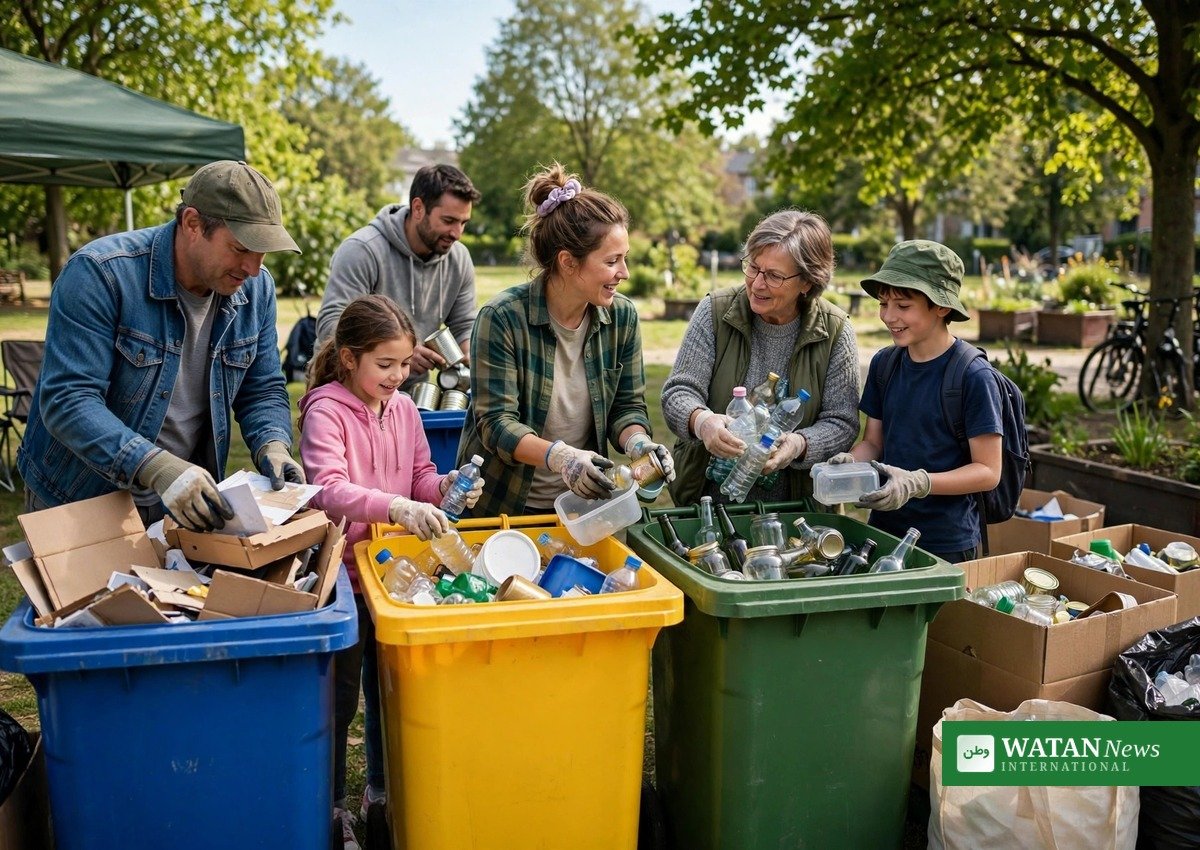
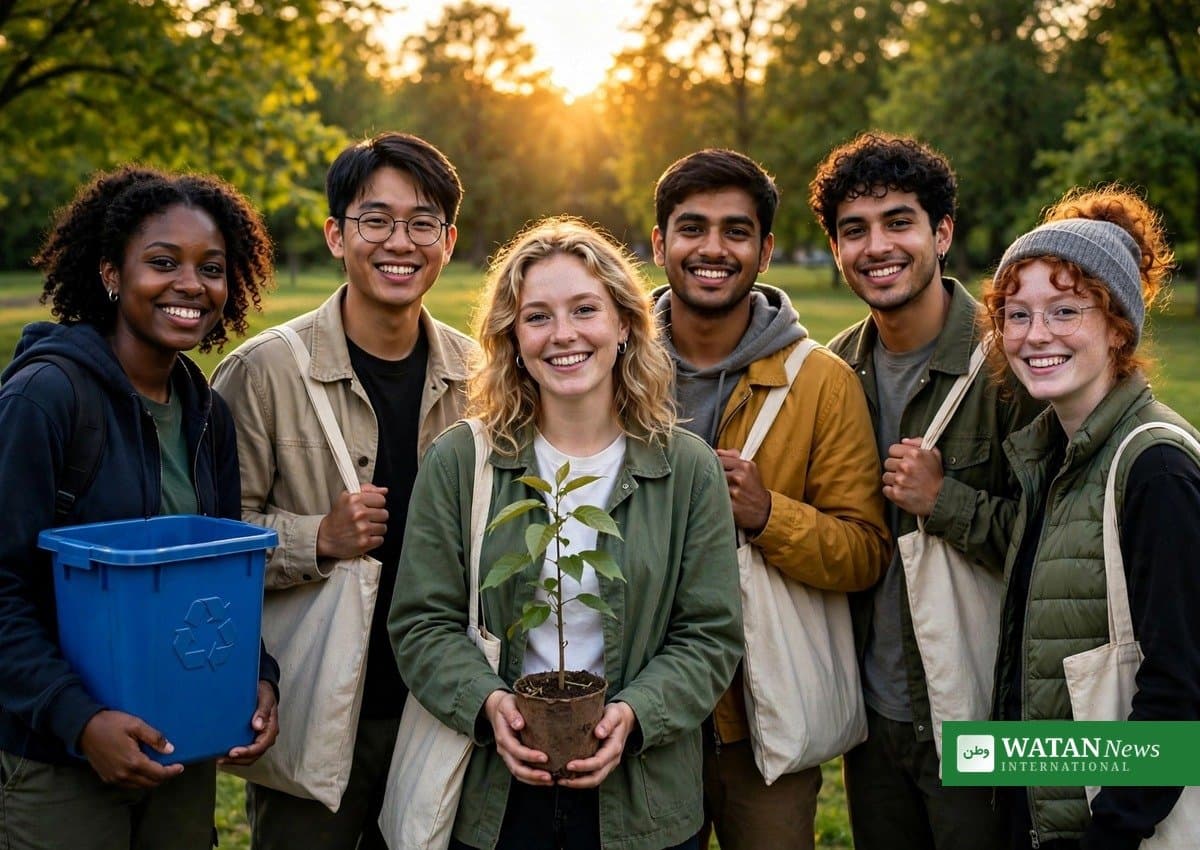
Community recycling drives are a typical green ambassador activity, turning awareness into daily habits. Image: Watan News / AI illustration.
How ambassador programmes work
Most programmes follow the same pattern. A public call invites volunteers — often students, teachers or community workers. The selected ambassadors get training in climate science, communication and project management. Then they go out: running school workshops, clean-up drives, tree plantings and recycling campaigns, and speaking at local events.
Europe’s EU Climate Pact is the largest example, with more than 1,000 ambassadors across the EU inspiring local climate action; its 2026 call for new ambassadors runs from 1 to 31 October 2026. Faith groups, universities and companies run smaller versions of the same idea everywhere.
Why the quiet workforce matters
Climate policy is negotiated in summit halls, but it is delivered in streets, schools and kitchens. Ambassadors translate big targets into small daily actions — a recycled bottle, a planted tree, a classroom lesson. Their work rarely makes headlines, yet it is how climate awareness reaches people that conferences never will.
As Armenia’s biodiversity ambassadors take their posts this October and Hong Kong’s green ambassadors continue their two-year mission, the lesson is the same: the climate movement runs on ordinary people who choose to lead where they live.
Read more climate explainers in English on Watan News.