Washington: Eleven technology companies have committed a combined $2.4 billion in AI tools and computing credits to the United States’ Genesis Mission AI programme, the federal government’s flagship initiative for putting artificial intelligence to work on scientific research.
FAKTA
- What: Eleven companies pledged $2.4 billion in AI tools and compute credits to the Genesis Mission Consortium, announced on Thursday, 8 October 2026.
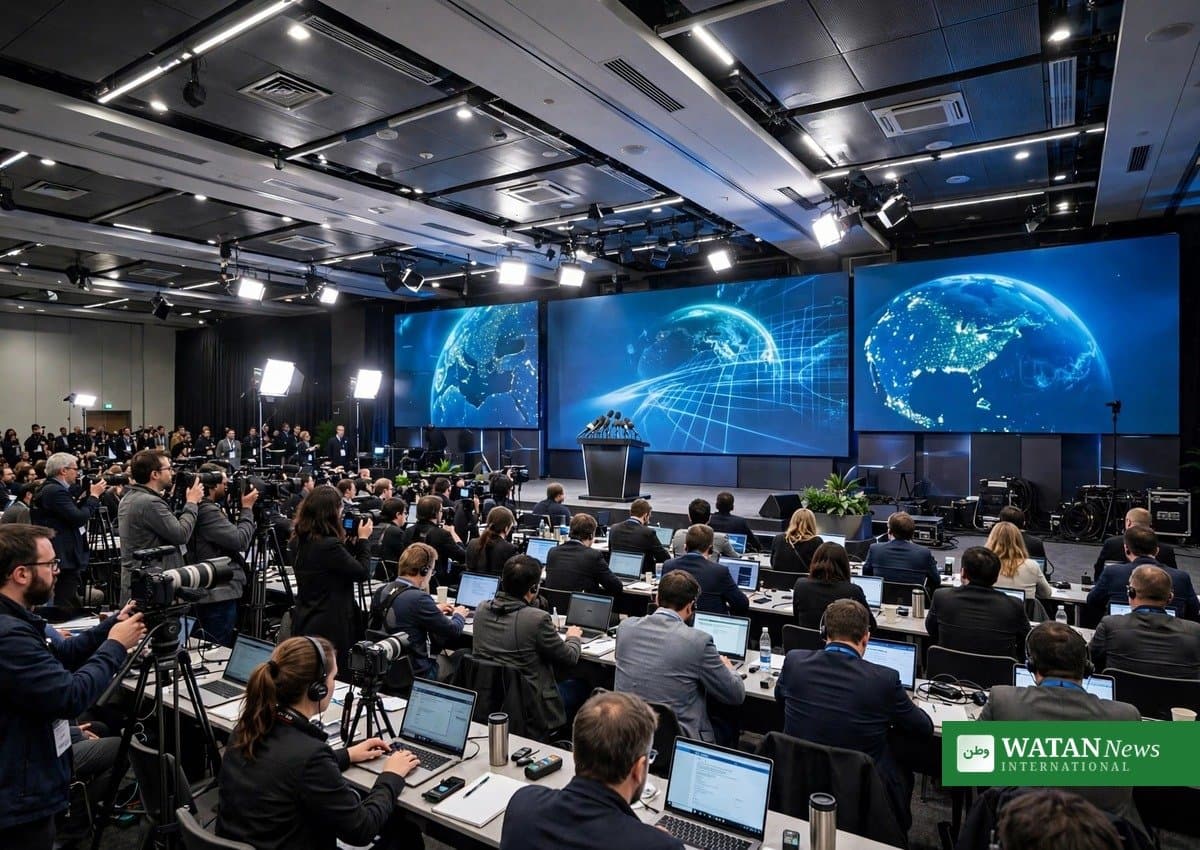
- Where announced: The White House “Science: A New Golden Age” summit in Washington.
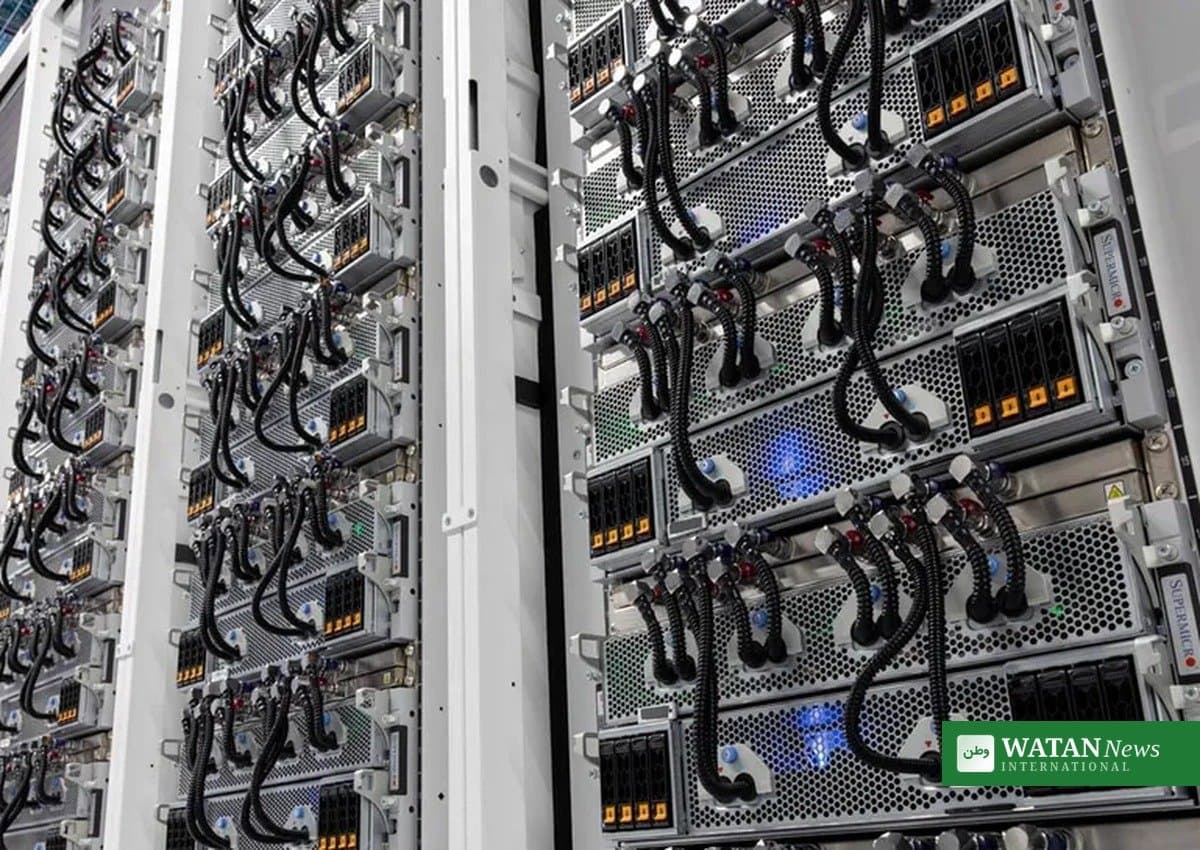
- Biggest donors: Nvidia pledged $1 billion and AMD $500 million, both in compute capabilities and AI tools.
- What it is: Not cash — the pledges are in-kind: cloud and compute credits, AI model access and engineering support, delivered over several years.
- Who benefits: Researchers across more than 15 federal agencies working on national science and technology challenges in energy, health, space and related fields.
- Companion announcements: State and regional AI infrastructure hubs, plus a National Science Foundation and Department of Energy investment of more than $100 million in AI-enabled scientific instrumentation and autonomous laboratories.
Who pledged what
According to the White House fact sheet, the $2.4 billion is described as “super-intelligence-for-science tools and compute credits” for the Genesis Mission Consortium. The consortium, established in February 2026, acts as a collaborative hub for public-private research through working groups and joint projects.
| Company | Pledged commitment |
|---|---|
| Nvidia | $1 billion in compute capabilities and AI tools |
| AMD | $500 million |
| OpenAI | $200 million |
| Anthropic | $150 million |
| $150 million | |
| AMP | $100 million |
| Emerald AI | $100 million |
| AWS, Armada, Crusoe, Micron | $50 million each |
How the Genesis Mission AI programme uses the credits
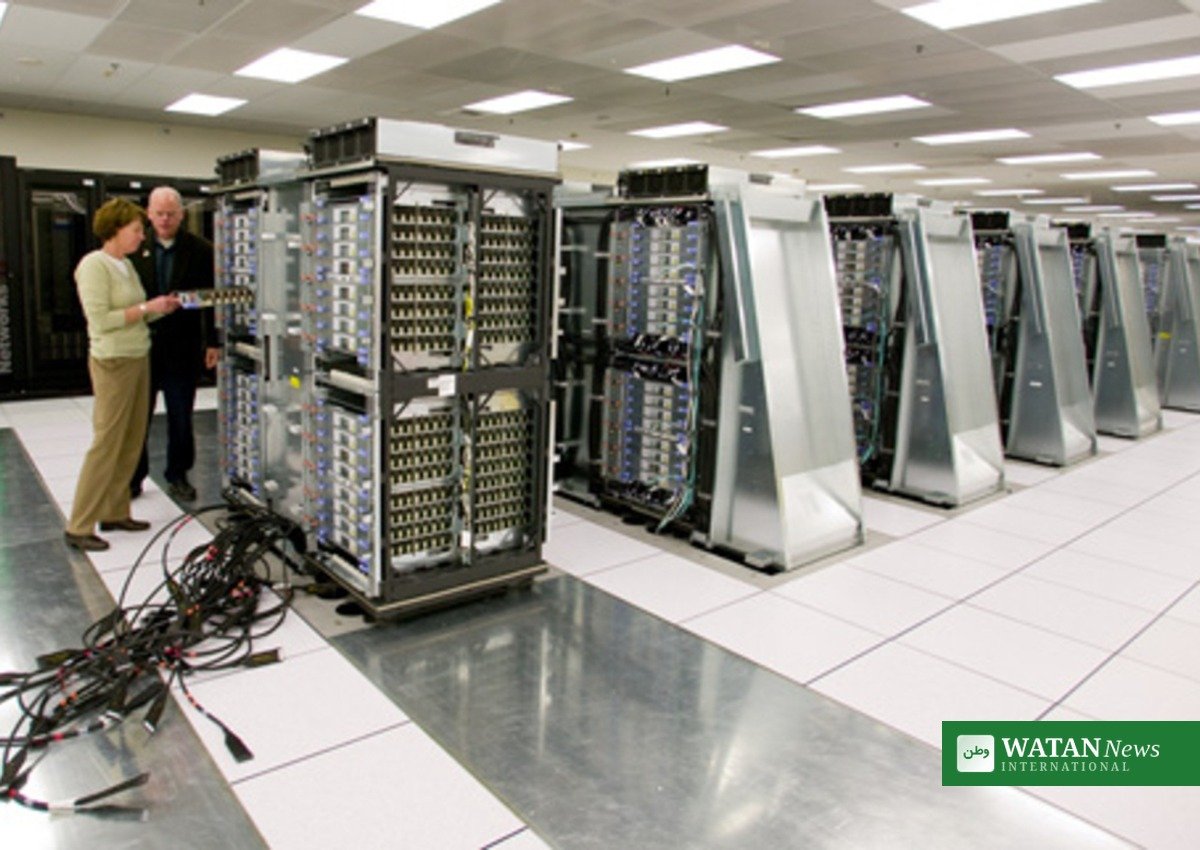
The Genesis Mission is led by the Department of Energy and aims to build a unified AI platform that connects federal scientific data, national laboratory supercomputers and private-sector cloud capacity. The mission was launched in November 2025 with the goal of accelerating breakthroughs across scientific fields.
The private-sector commitments give agency researchers access to computing power and AI models that would otherwise be hard to obtain. Anthropic, for example, said it will make its Claude models, Claude Code and API credits available to more than 15 federal agencies over a multi-year period, along with technical support for tasks such as code assistance and model training.
Crusoe chief executive Chase Lochmiller pledged $50 million in Crusoe Cloud credits for compute and inference to the consortium. According to the White House, the credits and tools will support work on national science and technology challenges spanning energy, health, space and other priority areas.

What else was announced at the summit
The $2.4 billion in industry commitments was part of a wider package. The administration also announced investments in scientific computing through state and regional AI infrastructure hubs, intended to put advanced computing within reach of more researchers across the country. The National Science Foundation and the Department of Energy jointly announced more than $100 million for AI-enabled scientific instrumentation and autonomous laboratories.
The Genesis Mission has already been moving large amounts of funding: this summer, the first round of 278 team-based awards was announced, and a separate $293 million Genesis funding opportunity required large teams to include private-sector partners. Companies have been part of the Genesis effort since December 2025, when two dozen organisations expressed interest in related projects covering science, energy and national security.
For more on how policymakers are scrutinising AI, see our coverage of AI giants grilled at New York City Council’s first AI safety hearing, or browse our AI section for the latest technology news.
Conclusion
The Genesis Mission pledges mark one of the largest private-sector commitments to publicly funded science in the AI era. Whether the credits reach independent researchers at smaller labs and universities — and how priority access is decided — will determine how much of the promised benefit actually flows to the wider scientific community.