India’s opposition INDIA bloc marched to the Supreme Court in New Delhi on Monday, hours after Chief Justice of India Surya Kant declined a requested meeting with opposition leaders over the bloc’s campaign against the Election Commission and the ongoing revision of electoral rolls.
FAKTA
- What: INDIA bloc march from Connaught Place to the Supreme Court, New Delhi, on Monday, October 12, 2026.
- Demands: Resignation of Chief Election Commissioner Gyanesh Kumar, a halt to the Special Intensive Revision (SIR) of electoral rolls, and action on alleged “vote chori” (vote theft).
- CJI’s reply: Surya Kant declined the meeting request, saying the electoral-roll issues are already sub judice and must come through a formal petition, not an administrative meeting with a political delegation.
- Security: Heavy barricades across central Delhi; entries and exits at six metro stations closed from 6 AM to 4 PM; traffic diversions at around 30 locations.
- Leaders expected: Rahul Gandhi, Mallikarjun Kharge, Mamata Banerjee and Akhilesh Yadav were among those reported as joining.
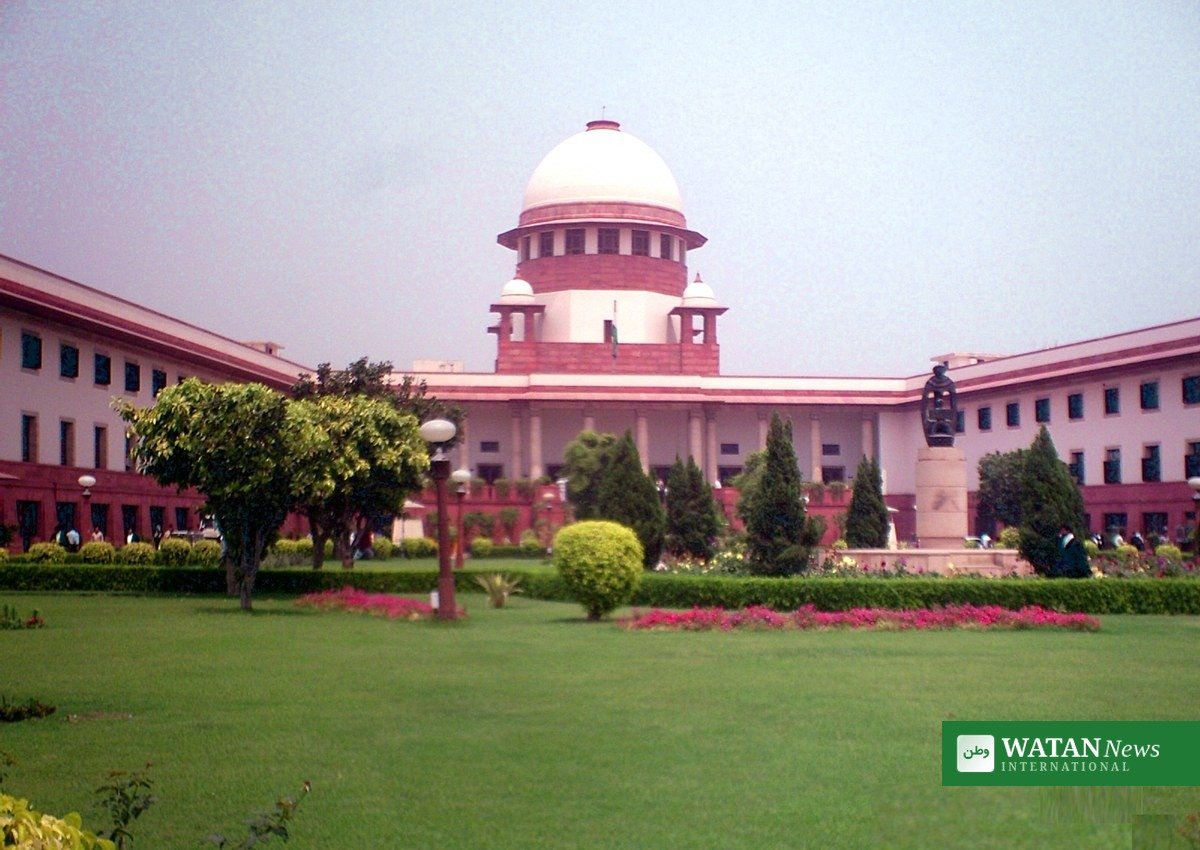
CJI declines meeting, march goes ahead
The opposition had sought a meeting with the Chief Justice to hand over a memorandum over alleged irregularities in the SIR and to demand action against the Chief Election Commissioner. In a reply on Sunday night, CJI Surya Kant refused, saying similar matters were sub judice in the court and should be raised through proper legal channels.
After the rejection, Congress general secretary (Organisation) KC Venugopal said the march would proceed regardless. Speaking to news agency ANI, he described the agitation as having become “a movement” to protect the country’s democratic values, and urged people to join.
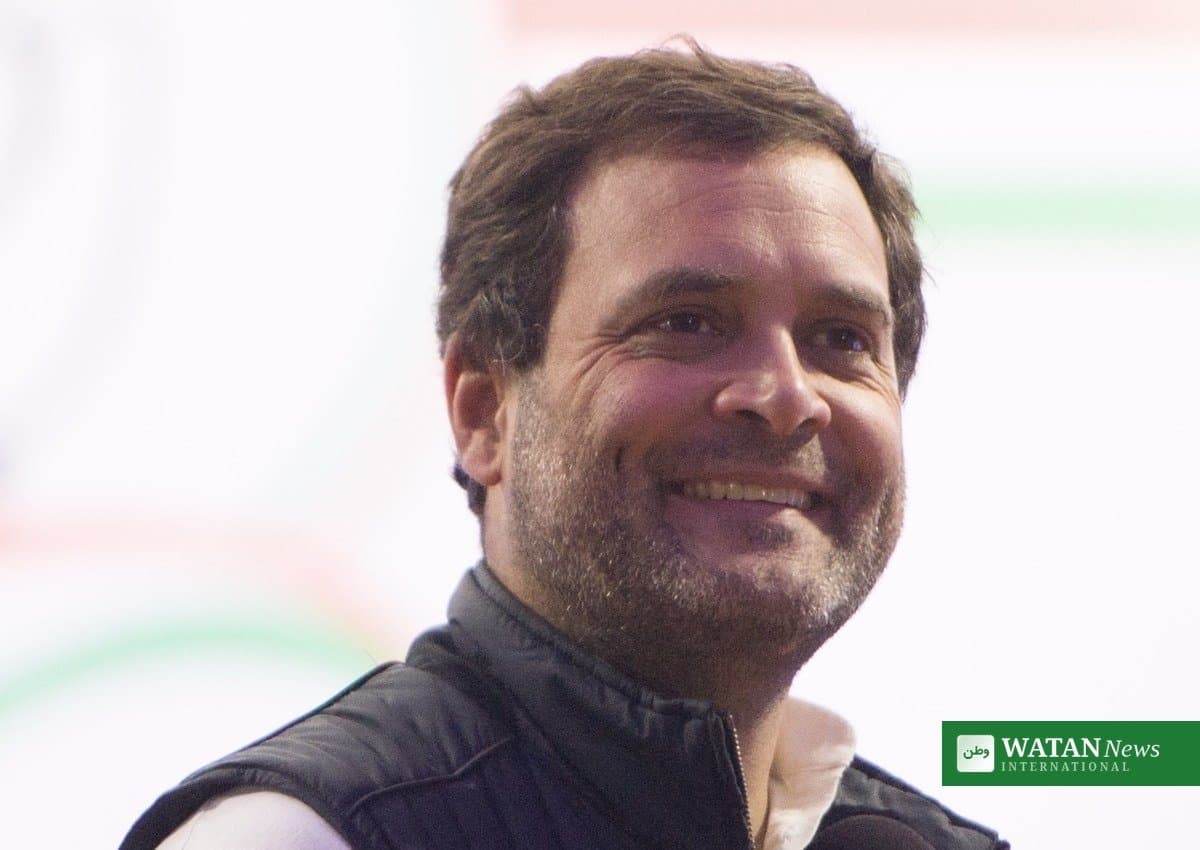
Rahul Gandhi, the Leader of the Opposition, wrote that opposition parties, civil society groups and youth would march together “as Indians, united beyond party, gender, caste, community and state,” to submit a memorandum to the Chief Justice on behalf of the nation.
Security across central Delhi
Security was tightened across central Delhi ahead of the march. Delhi Police and Rapid Action Force personnel set up barricades along the planned route, and the Delhi Metro Rail Corporation closed the entries and exits at six stations — Rajiv Chowk, Patel Chowk, Central Secretariat, Barakhamba Road, Mandi House and Janpath — from 6 AM to 4 PM.
The Delhi Traffic Police issued an advisory early Monday, with restrictions or diversions expected at around 30 locations across the capital from 6 AM, including Dhaula Kuan, Mandi House, Connaught Place and the Lodhi Road flyover. Commuters heading to railway stations and the airport were asked to plan for extra travel time.
Sharp reactions from both sides
Gandhi has accused the Delhi Police of using force against students and women during an earlier protest demanding the CEC’s resignation, and has said the opposition will not be intimidated. West Bengal minister Dilip Ghosh hit back, accusing the INDIA bloc of trying to “intimidate” institutions including the Supreme Court. The BJP has rejected the opposition’s “vote chori” charge and defended the Election Commission’s revision exercise.
Background: weeks of protest
Monday’s march is the latest chapter in the INDIA bloc’s weeks-long campaign against the Special Intensive Revision of electoral rolls. On Friday, bloc leaders marched to Parliament and met President Droupadi Murmu, submitting a memorandum. On Saturday, a protest demanding the CEC’s resignation saw Delhi Police detain more than 1,500 people; the Supreme Court later ordered that peaceful protesters must not be illegally detained.
Earlier on Monday, Congress workers gathered outside the AICC headquarters raising slogans against the CEC ahead of the march. The bloc has also demanded a return to ballot-paper voting.
More on India’s political developments: World news on Watan News.