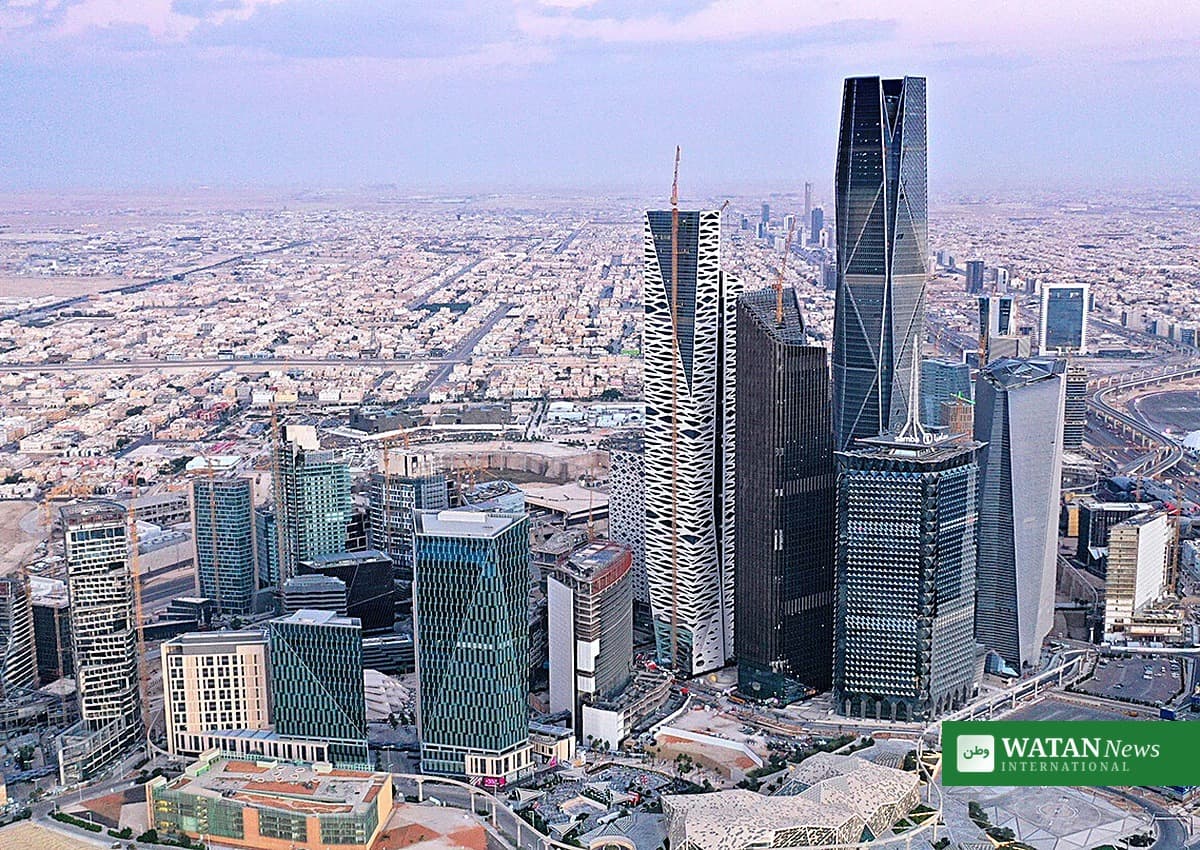
An Aramco tower missile strike hit Riyadh’s King Abdullah Financial District on Sunday, damaging the upper floors of a multi-story building owned by Saudi oil giant Aramco, witnesses and geolocated video showed, in the latest escalation of the revived war in Yemen.
FAKTA
- What happened: A missile struck a multi-story Aramco building in Riyadh’s King Abdullah Financial District on Sunday. Video verified by CNN shows damage to the building’s upper floors.
- Damage: Saudi Arabia’s Energy Ministry said falling shrapnel caused minor damage to the building, with no injuries or fatalities reported. The building, which also contains residential units, was empty at the time, Saudi officials said.
- Attribution: The Houthis have not claimed responsibility for this strike. Regional officials told The Wall Street Journal the damage came in a drone-and-missile attack launched by the Houthis.
- Interceptions: The Saudi-led coalition said it intercepted and destroyed two cruise missiles in Riyadh and the southern region, and two ballistic missiles fired towards Riyadh.
- Context: The strike came a day after Houthi health officials said Saudi air strikes killed at least 33 people near Sanaa, including 13 children.
Aramco tower missile strike in Riyadh
Multiple witnesses and geolocated video showed a missile hitting the Aramco building in the King Abdullah Financial District, CNN reported. The strike came after Saudi Civil Defense issued an early-warning alert of a potential threat to the city, and multiple loud booms were heard across the Saudi capital early on Sunday.
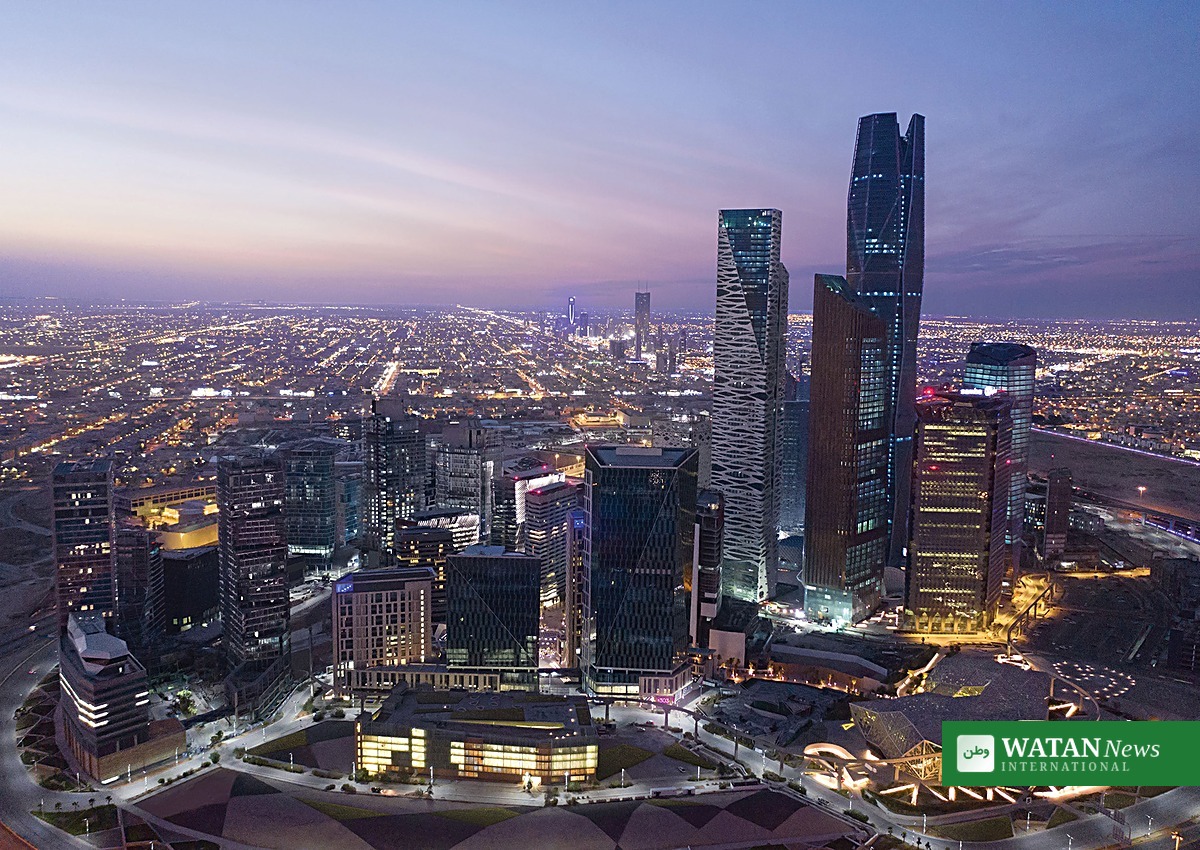
The building hit is the Saudi Aramco tower, also known as Villas in the Sky, a 36-story building known for the sharp angles that jut out of its facade, The Wall Street Journal reported. The tower stands in the King Abdullah Financial District, home to more than 140 companies and 25 regional headquarters for international firms.
Saudi Arabia’s official news agency, citing a source at the Energy Ministry, said: “An administrative building belonging to Saudi Aramco in Riyadh was subjected to an attempted attack” on Sunday. “The incident resulted in falling shrapnel that caused minor damage to the building, with no injuries or fatalities reported,” the agency reported.
One witness told CNN they saw ambulances heading to the area. Saudi civil-defense officials said the building, which also contains residential units, was empty at the time of the strike. Aramco did not respond to a request for comment.
Saudi defences intercept missiles over Riyadh
The Saudi-led coalition said its air defences intercepted and destroyed two cruise missiles in Riyadh and the southern region. Coalition spokesman Turki al-Maliki wrote in a post on X that air defences also “intercepted and destroyed two ballistic missiles launched by the terrorist Houthi militia towards Riyadh.”
Saudi Civil Defense later said the danger had passed, and lifted alerts in several areas of the oil-rich Eastern Province, including Dhahran, home to Aramco’s headquarters, shortly after warning of potential danger. The coalition said it also intercepted a ballistic missile launched towards the Eastern region.
Escalation after deadly Sanaa strikes
The strike on Riyadh came a day after Yemen’s Houthi-run Health Ministry said Saudi air strikes killed at least 33 people, including 13 children, and wounded 39 in a village near the capital Sanaa on Saturday. Watan News reported on Sunday that the Houthis had claimed six missile and drone operations against Saudi targets, including Riyadh airport and Aramco facilities, describing them as retaliation for the Sanaa strikes.
Last month, 13 people were killed in one missile strike on Riyadh’s international airport, and several more died in other strikes on the airport, CNN reported. The Houthis have said they will continue firing missiles and drones against Saudi Arabia so long as the kingdom carries out air strikes against the parts of Yemen they control and enforces a blockade against its territory.
War in Yemen
Yemen’s war began when the Houthis seized the capital in 2014. The Saudi-led coalition entered the conflict in 2015. The fighting has killed more than 150,000 people, displaced millions and pushed the Arab world’s poorest nation to the brink of famine.
After several years of a de facto ceasefire, the war erupted again in September, with the Houthis seizing territory down the Red Sea coast to the Bab al-Mandeb Strait, a chokepoint for international shipping. The Houthis have repeatedly targeted shipping in the Red Sea and Saudi airports since then, including striking Riyadh’s King Khalid International Airport.