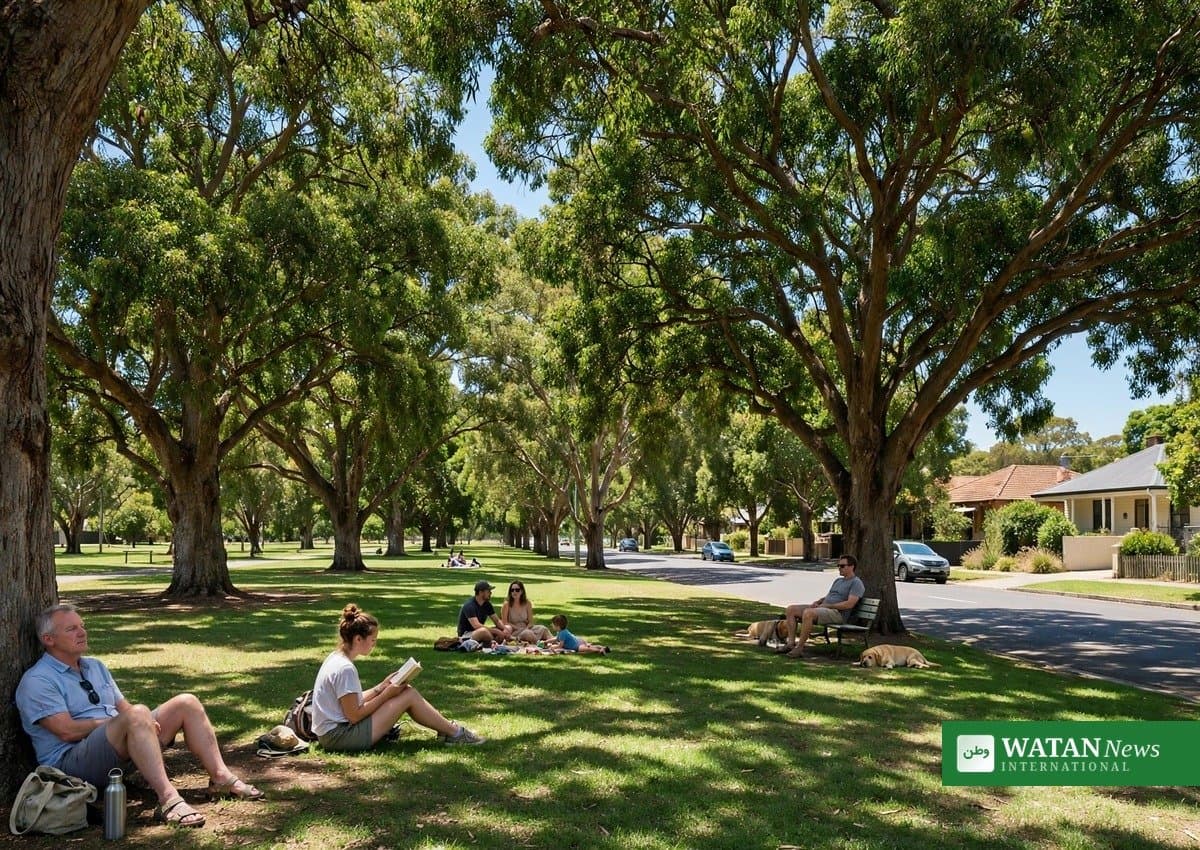
Adelaide, 27 October 2026: All eight Resilient East partner councils in eastern Adelaide have formally endorsed the Resilient East Climate Action Plan 2026–2031, a five-year shared plan for climate action, adaptation and resilience across the region. The endorsement was announced on 19 October 2026.
Resilient East brings together the Cities of Adelaide, Burnside, Norwood Payneham and St Peters, Prospect, Tea Tree Gully and Unley, Campbelltown City Council and the Town of Walkerville, with Green Adelaide and the South Australian Government, to coordinate climate action at a scale no single council could achieve alone.
A shared plan for eastern Adelaide
The plan sets a shared direction for the region’s communities, environment, economy, infrastructure and council services over the next five years. It is designed as an implementation-focused programme: projects can progress through staged delivery, pilot activities, partnerships and external funding opportunities, so councils can begin work while building the evidence to attract further investment.
By sharing expertise, data and resources, the eight councils aim to reduce duplication, strengthen funding opportunities and coordinate action across council boundaries — recognising that climate change does not stop at a municipal border.
A hotter, drier, more extreme climate
Eastern Adelaide is already experiencing a hotter, drier and more extreme climate, according to the plan. Projections point to increasing temperatures, more frequent and hotter days, longer heatwaves, declining rainfall, more intense heavy rainfall events and more dangerous fire weather.
A regional climate risk assessment identified 24 high-priority risks across social, built, natural and economic systems — including growing exposure to extreme heat, damage to infrastructure and natural environments, rising insurance and maintenance costs, disruption to council services and impacts on local businesses and economic activity.
Six priority projects
- Working safely in extreme heat — practical approaches to keep council workers safe and maintain essential services as heatwaves become longer, hotter and more frequent.
- Cool spaces — a regional network of designated cool spaces to help people stay safe during extreme heat events.
- Council assets — from risk to resilience — helping councils better understand and manage climate impacts on infrastructure and assets.
- Sustainable active transport networks — improving regional connections between walking and cycling routes while making them more resilient to a changing climate.
- Resilient communities — supporting households and communities to build climate resilience, manage energy use and strengthen local connections.
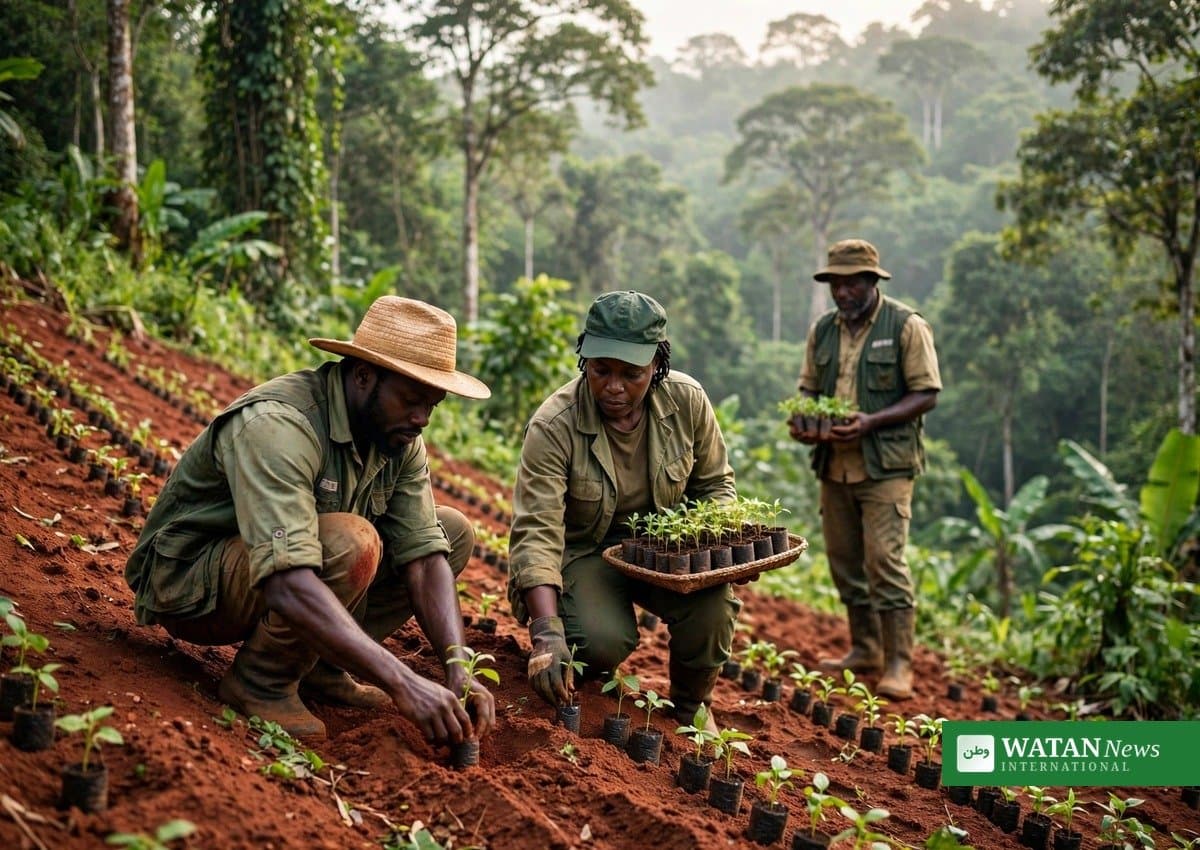
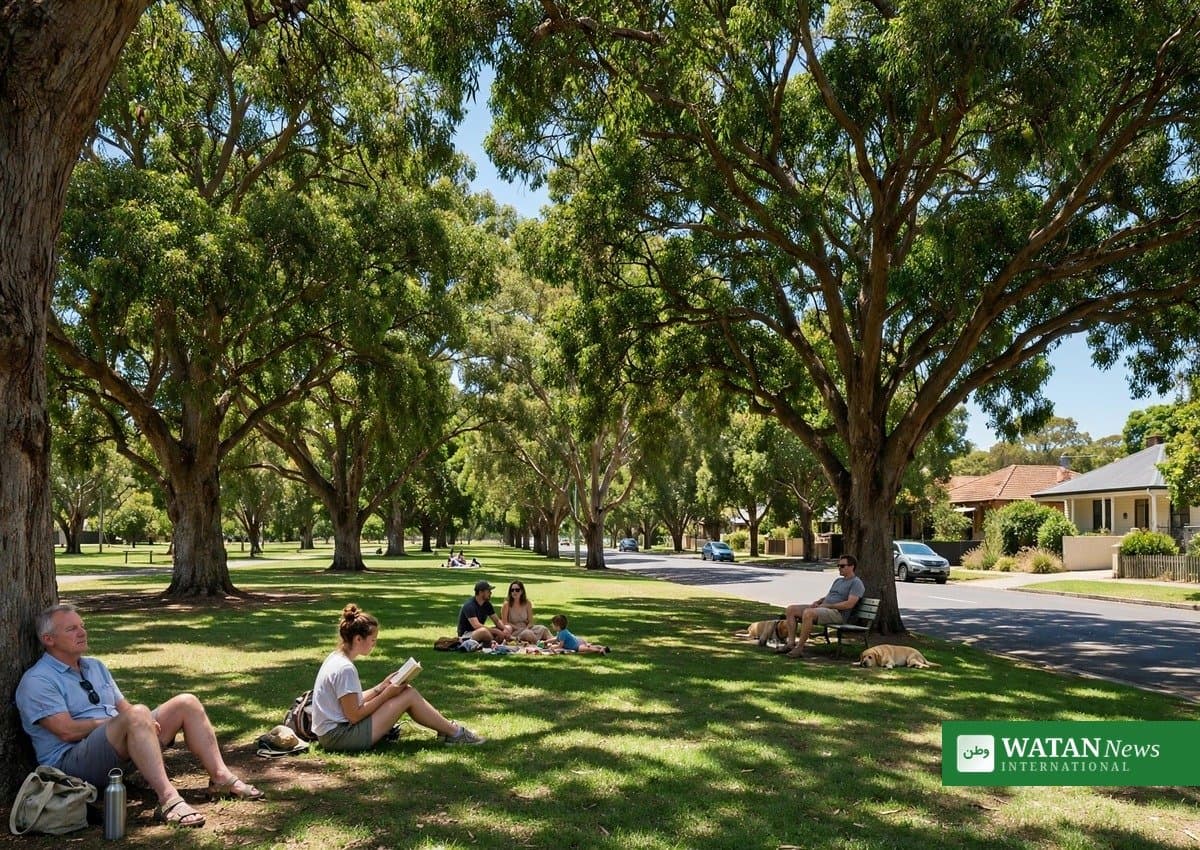
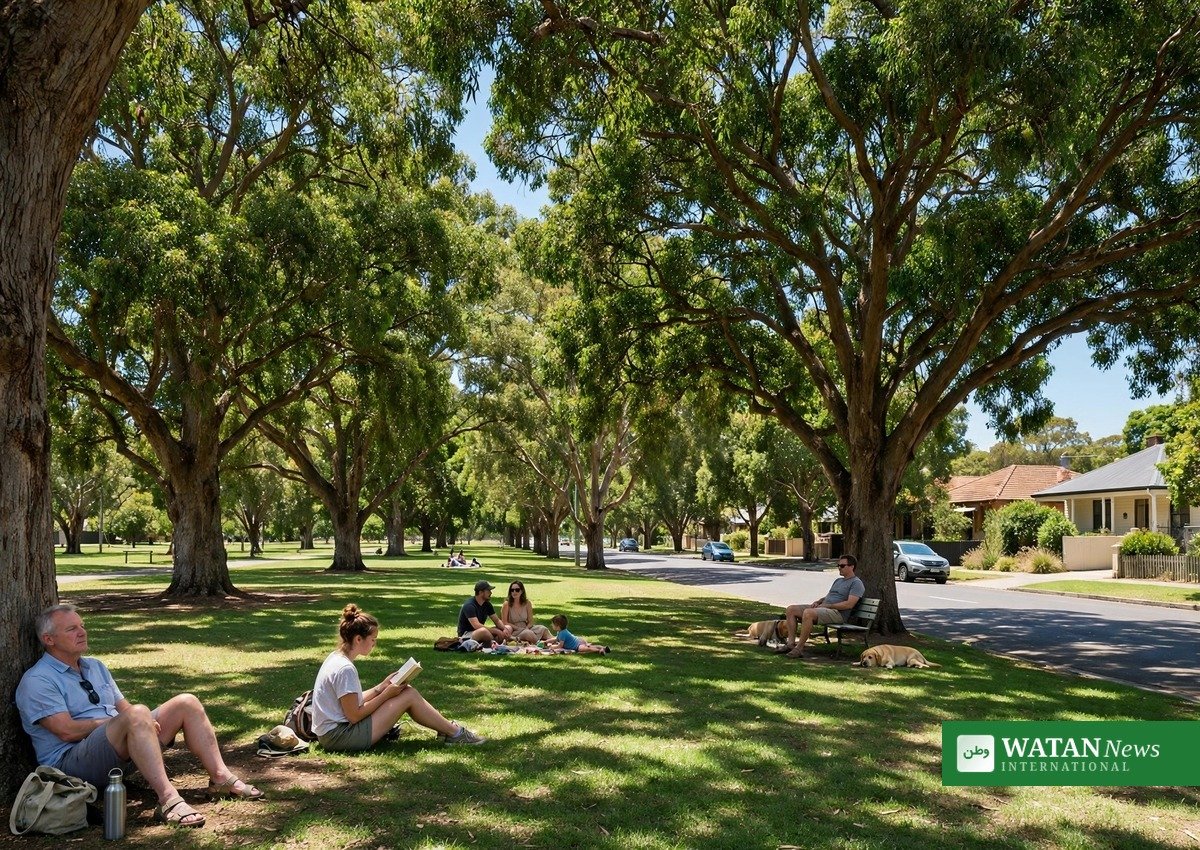
- Greening our region — identifying opportunities for tree planting and trialling climate-resilient species and new approaches to growing the region’s urban canopy.
Starting with extreme heat
The first two projects to progress focus on extreme heat, described as one of the region’s most immediate climate risks. The working-safely project will examine workforce practices, operational models and service delivery — including policies, minimum standards, equipment, technology and innovative work practices — to improve worker safety and wellbeing while keeping council services running.
The cool spaces project will establish a regional Cool Spaces for Summer Network: designated indoor air-conditioned spaces where community members can seek respite during extreme heat events. It will investigate regional standards and activation triggers, develop a regional map and directory of cool spaces, and provide coordinated communications to help people find available spaces and stay safe in the heat.
Both projects will also create opportunities to work with research institutions, industry, community organisations and other partners to test ideas, share knowledge and explore funding and co-investment.
The partnership’s own tree mapping gives the greening work a clear baseline: tree canopy represents 23 per cent of metropolitan Adelaide, below the 30 per cent recommended in the 30-Year Plan for Greater Adelaide, while the Resilient East region stands at 28 per cent — with the greatest opportunity for new cover on private land.
Key facts
- Plan: Resilient East Climate Action Plan 2026–2031
- Endorsed by: all eight Resilient East partner councils, announced 19 October 2026
- Partners: eight eastern Adelaide councils, Green Adelaide and the South Australian Government
- Climate risks identified: 24 high-priority risks in a regional assessment
- Priority projects: six, starting with working safely in extreme heat and cool spaces
- Delivery: staged delivery, pilots, partnerships and external funding opportunities
Why it matters
Heat is the most immediate climate risk for eastern Adelaide, and it is also the most local: a shaded street, a cool public room on a 40-degree day, a council crew able to work safely. By planning those things together across eight councils, the region turns eight separate responses into one network — and a network is what people can actually find and use when a heatwave hits.
Plans become real through local projects and the people who lead them. Readers can also read about GEAF’s 2027 Ambassador Programme, which funds community climate projects around the world.