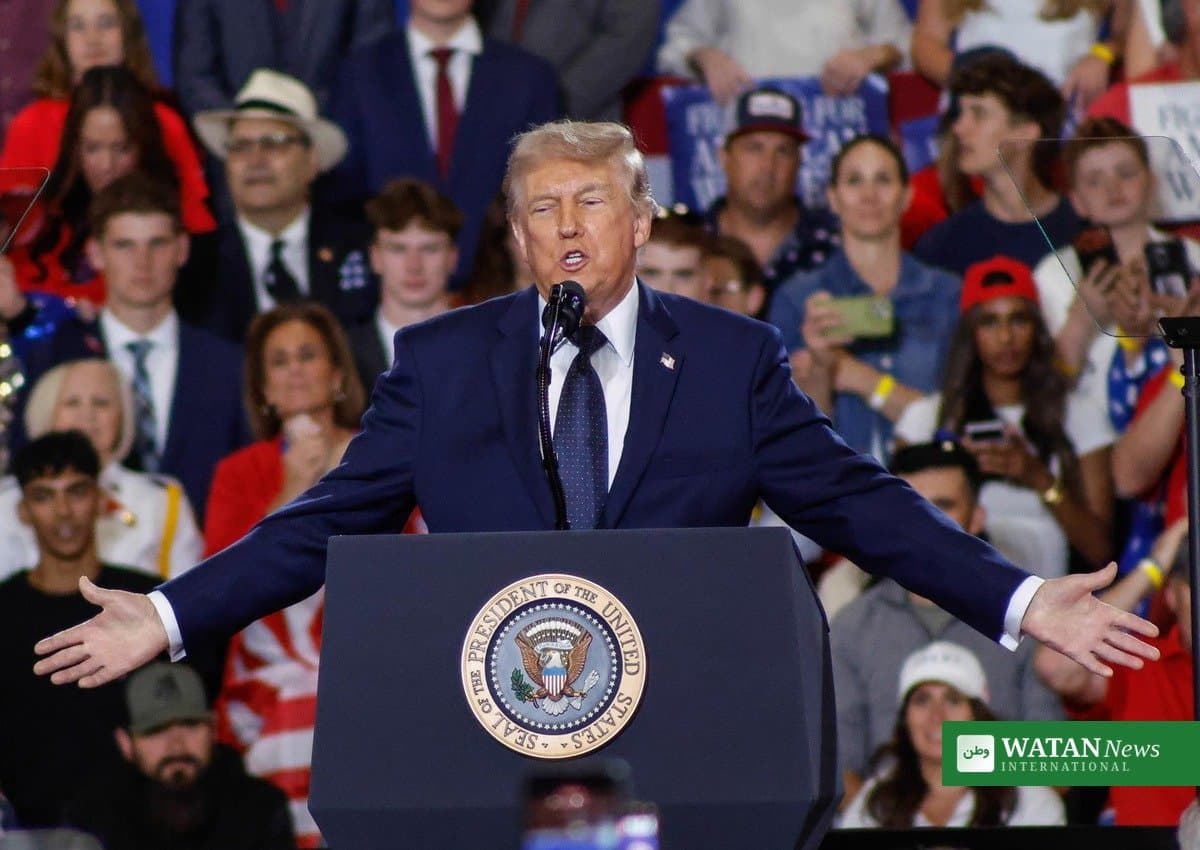
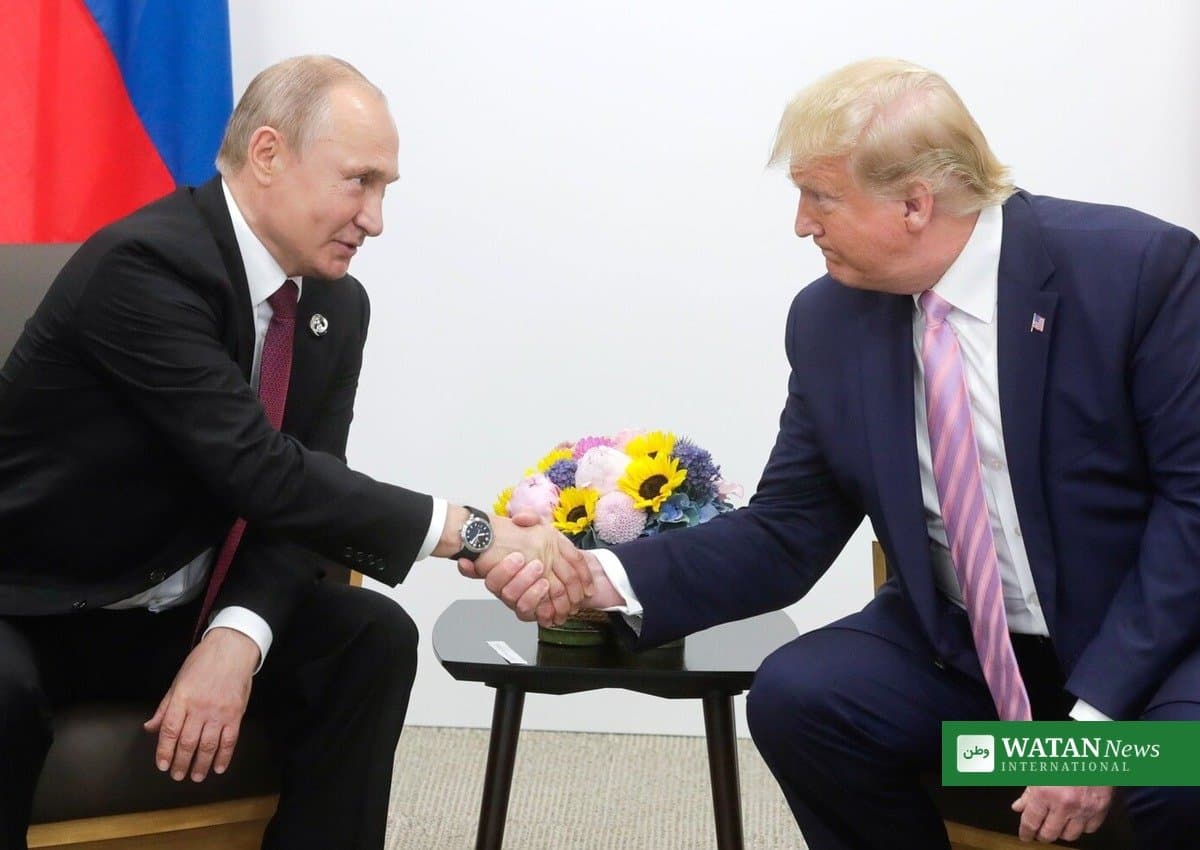
WASHINGTON — President Donald Trump said on Friday that he has struck a deal to obtain diesel from Russia, announcing the agreement after a phone call with Russian President Vladimir Putin — a stunning reversal of years of American pressure on Moscow over its war with Ukraine.
Trump said the call, in which he had been expected to discuss a suspected case of plague in Russia, produced instead an energy deal. According to his account, Russia will immediately supply more than 300,000 tons of diesel to American and global markets, followed by another 500,000 tons in November and one million tons “immediately thereafter,” with a further three million tons to follow within a short period of time, subject to refinery conditions and capacity.
FAKTA
- What: The United States has struck a deal to buy Russian diesel, announced by President Donald Trump after a phone call with President Vladimir Putin.
- Volumes: 300,000+ tons immediately, 500,000 tons in November, one million tons “immediately thereafter,” and a further three million tons to follow.
- Trump’s stated reason: “Lower prices for Americans, especially our Great Farmers, Ranchers, and Truckers, is my Greatest Priority.”
- Ukraine’s reaction: President Volodymyr Zelenskyy called it “a weak decision, unfortunately, a weak decision by strong partners,” according to a statement released by the Ukrainian Embassy in Washington.
- Sanctions context: The deal follows a sweeping Russia sanctions law Trump signed last month aimed at choking off energy revenues that fuel the war in Ukraine.
Trump Putin Russian diesel deal: stunning reversal before midterms
The announcement is an abrupt about-turn in US policy. Just weeks ago, Trump signed a sweeping sanctions law designed to clamp down on the oil and gas revenues that finance Russia’s war effort. The move had been presented as part of an effort to squeeze Moscow’s finances.
Instead, Friday’s announcement relaxes that pressure. The US Treasury Department’s Office of Foreign Assets Control issued a notice the same day saying it would ease sanctions on Russian diesel trade in the coming months, allowing imports and related transactions to continue until 12:01 a.m. on April 7 of next year — a step officials described as aimed at easing domestic diesel supply tightness and stabilizing fuel prices.
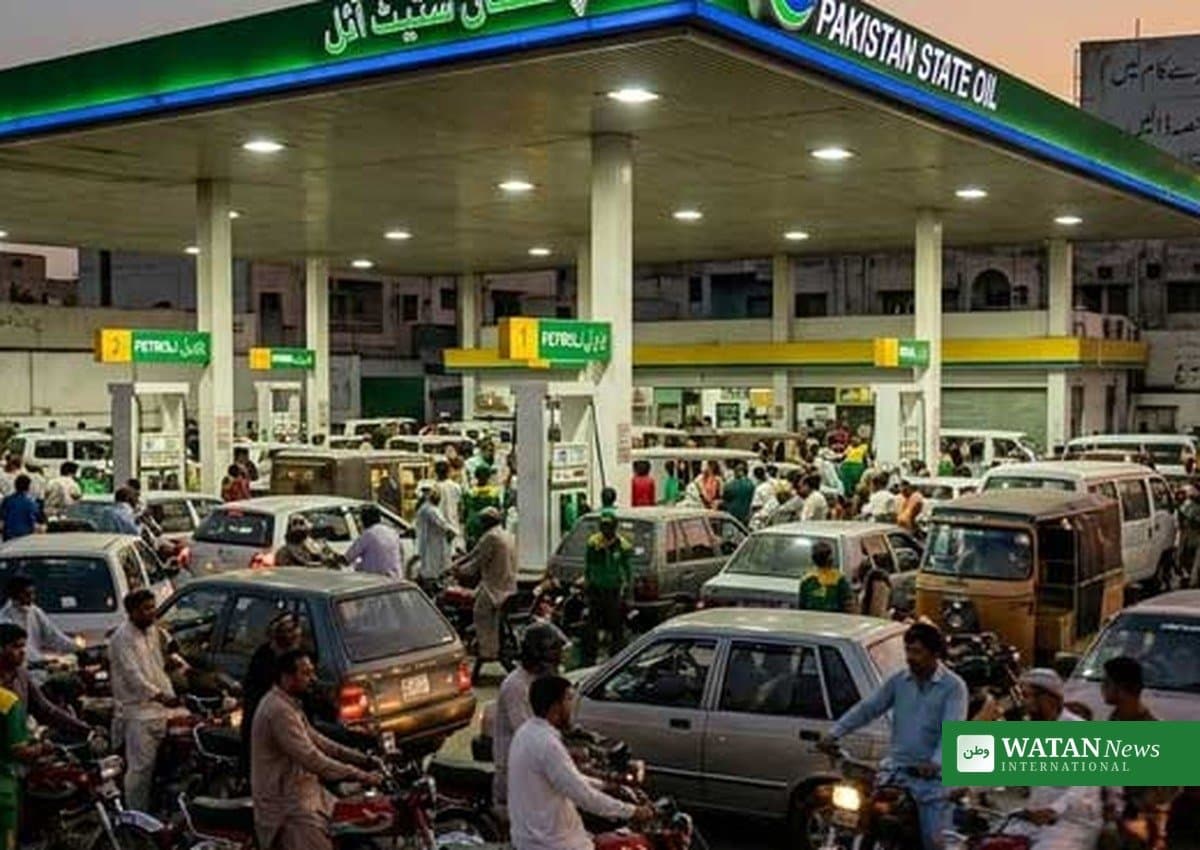
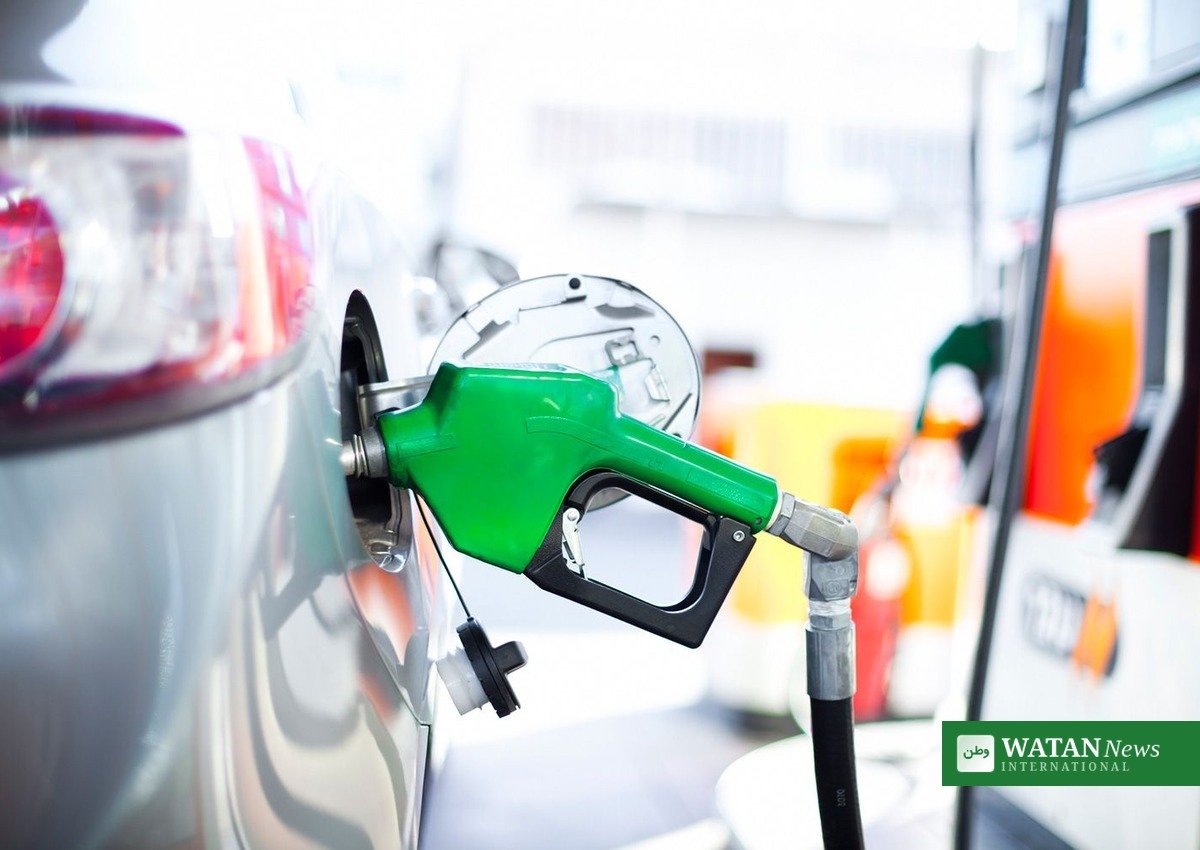
The political backdrop is unmistakable. According to data from the American Automobile Association reported by Reuters this week, the average US diesel price has reached $6.28 per gallon, up roughly 70 percent since the start of the war between the United States, Israel and Iran. Fuel costs have become one of the most important economic issues ahead of the November 3 midterm elections, in which Americans will vote to renew Congress.
Zelenskyy condemns the deal as a “weak decision”
Kyiv reacted with open dismay. In a statement released by the Ukrainian Embassy in Washington, President Zelenskyy said: “a weak decision, unfortunately, a weak decision by strong partners.”
Trump’s announcement landed while his envoy Steve Witkoff and his son-in-law Jared Kushner were meeting Ukrainian officials in Miami to discuss a proposal to try to end the Russia-Ukraine war. Zelenskyy said his team was being treated unfairly, adding: “I believe our team is simply being used as a smokescreen. And that is certainly not fair. It is certainly not how partners should treat each other.”
The timing casts doubt on the likelihood of the White House imposing sanctions on Russia this month, given that a bipartisan law passed by Congress directs the administration to target the top importers of Russian oil and gas. Lawmakers had this week urged the administration to use the tools available to help Ukraine.
The White House did not immediately respond to questions about who is paying for the Russian diesel, when the fuel would become available, or whether the shipments scheduled for next month would arrive before Election Day.
What Moscow said
According to a statement released on the Russian presidential website, the call between the two leaders focused on prospects for resolving the Ukraine crisis, the situation around Iran, and Russia-US bilateral relations. On energy, Moscow confirmed it would supply oil and petroleum products to the US and global markets, and Putin said the arrangement would have a positive impact on the global economy.
Russian presidential envoy Kirill Dmitriev welcomed the announcement, saying that “Russia-US cooperation on diesel and energy will benefit the world.” The leaders also agreed to maintain contact and continue cooperation between relevant agencies.
For related coverage, visit Watan News English.