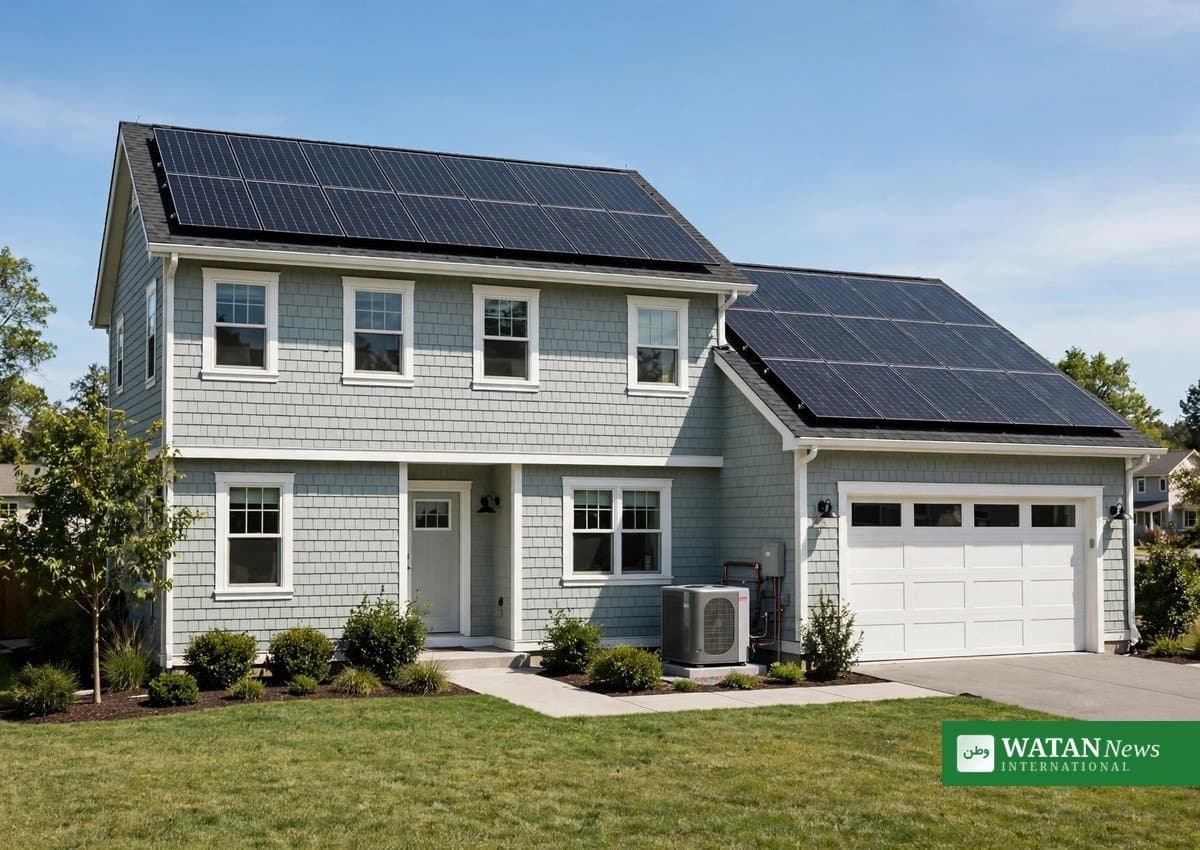
Virginia Governor Abigail Spanberger has released more than $67 million in previously withheld climate funds to make homes across the US state safer, more energy efficient and cheaper to run. The money will fund critical repairs in more than 1,000 homes and bring stronger energy-efficiency standards to affordable housing projects statewide.
The funds come from Virginia’s share of the Regional Greenhouse Gas Initiative (RGGI), a multi-state carbon cap-and-invest program the state has now rejoined. The release was announced this week by the Virginia Department of Housing and Community Development (DHCD).
What the $67 million covers
Weatherization Deferral Repair: $15 million
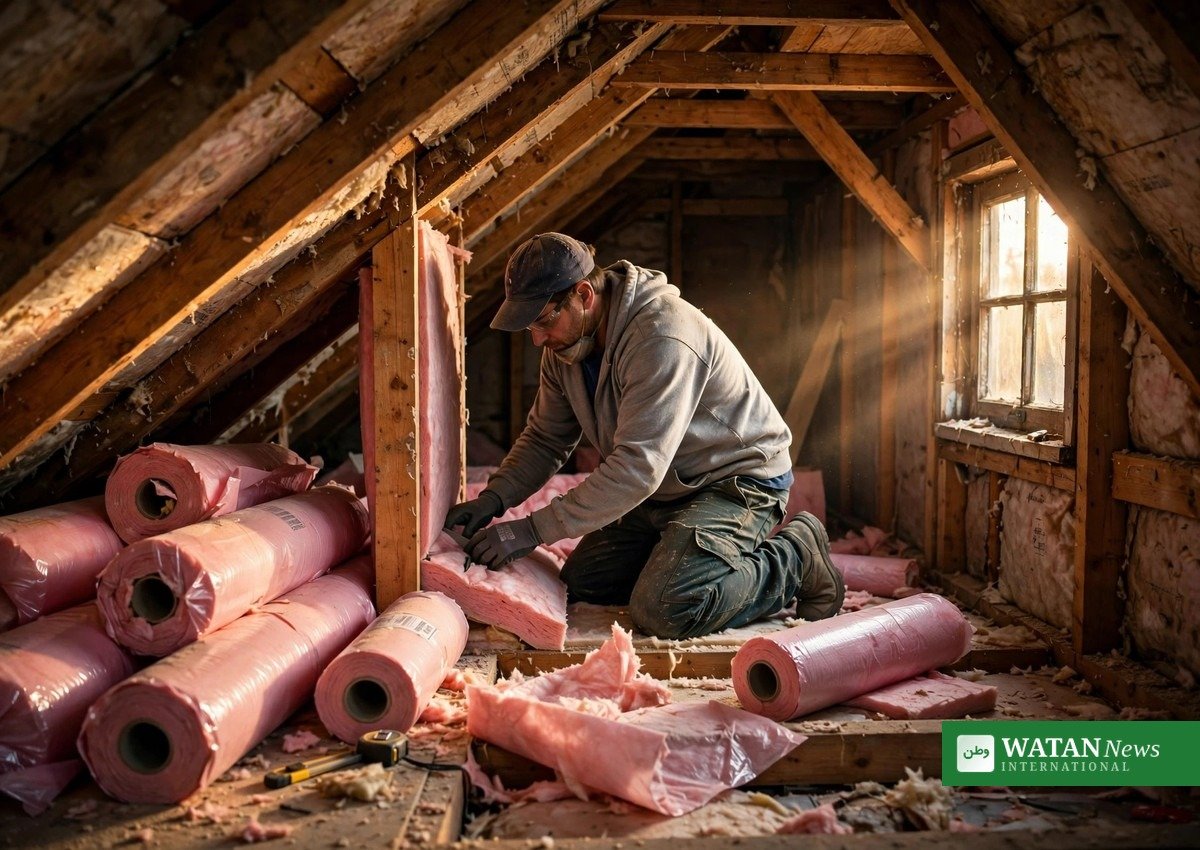
The Weatherization Deferral Repair (WDR) program receives $15 million to fix the structural and safety problems that block low-income households from qualifying for federally funded energy upgrades. The work covers leaking roofs, structural damage, electrical and plumbing repairs, and mold, moisture or water damage.
Once a home is made “weatherization-ready,” it can access the federal Weatherization Assistance Program (WAP), unlocking new insulation, air sealing, energy-efficient lighting and carbon monoxide detectors. DHCD runs both programs through a statewide network of 15 weatherization providers.
Affordable and Special Needs Housing: $52 million
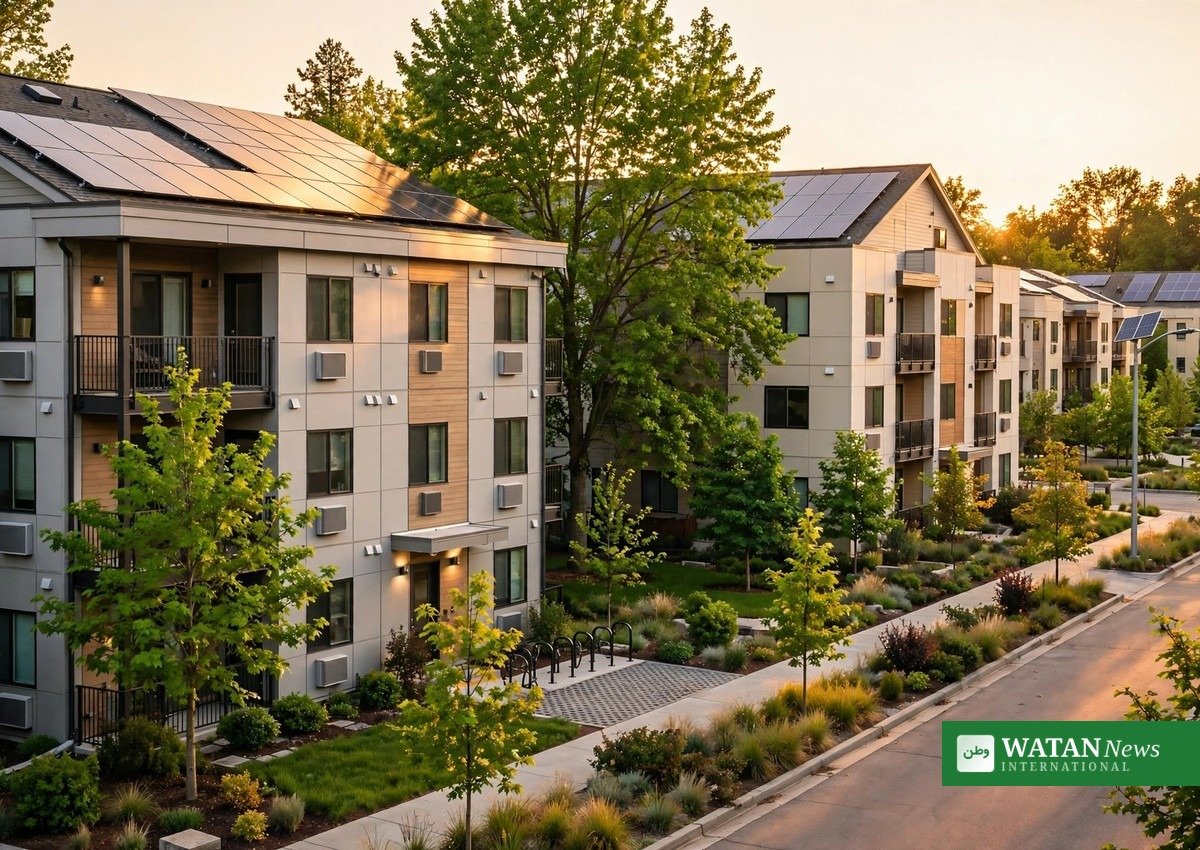
The remaining $52 million goes to the Affordable and Special Needs Housing program, which will apply enhanced energy-efficiency standards to the construction, rehabilitation and adaptive reuse of affordable housing across Virginia.
Why it matters for households
Heating and cooling is one of the biggest household expenses in Virginia. Poorly insulated and damaged homes waste energy — and the families that can least afford it pay the highest bills. According to state officials, the funding will lower monthly energy costs, improve indoor health and safety, and support long-term housing stability.
Virginia’s return to RGGI is also designed to keep the program’s cost off families: the governor and the General Assembly established bill credits for residential customers and small businesses to offset RGGI-related costs. Across the RGGI program, the $5.7 billion in auction proceeds invested in energy efficiency and clean energy to date are projected to yield $22.6 billion in total bill savings for consumers.
How Virginians can apply
Residents can apply for weatherization repair funding through their local weatherization subgrantee — DHCD’s network of 15 providers covers the whole Commonwealth. The department says the established delivery network is ready to use the funds immediately.
Earlier this year the governor signed a bipartisan state budget including $25 million to implement initiatives from the new Virginia Weatherization Task Force, created under the state’s Affordable Virginia Agenda.
Read also: Canada’s $2 billion plan to retrofit one million homes — how another country is tackling the same energy-bill challenge.
FAKTA
- Amount: More than $67 million in RGGI funds released for home energy efficiency in Virginia
- $15 million: Weatherization Deferral Repair program — critical repairs for more than 1,000 homes
- $52 million: Affordable and Special Needs Housing program — stronger efficiency standards for affordable housing
- Who benefits: Low-income households, plus future residents of rehabilitated affordable housing
- How to apply: Through the local weatherization provider in each area of Virginia
- Source: Virginia Department of Housing and Community Development (DHCD), official announcement; independent confirmation via WDBJ reporting