Brasília, 3 November 2026 — The Brazilian presidency of the COP30 climate talks has presented two international roadmaps that aim to turn long-agreed climate promises into national action: one for transitioning away from fossil fuels, and one for halting and reversing deforestation by 2030. The COP30 roadmaps arrive less than a week before COP31 opens in Antalya, and they are being welcomed as a practical model for climate action by governments and campaigners alike.
COP30 President André Corrêa do Lago and Chief Executive Officer Ana Toni presented the roadmaps in Brasília on 3 November. Together, they address the two largest drivers of climate change: energy accounts for about 75 per cent of global greenhouse gas emissions, while forest loss accounts for about 11 per cent, according to the COP30 Presidency.
Two roadmaps, one goal: from promises to delivery
Both roadmaps build on the first Global Stocktake of the Paris Agreement, adopted by consensus at COP28 in Dubai in 2023. That stocktake called on countries to contribute to transitioning away from fossil fuels and to halt and reverse deforestation by 2030 — but, as the COP30 Presidency notes, the commitments have moved slowly into national policy.
The roadmaps were announced at the closing plenary of COP30 in Belém, inspired by Brazilian President Luiz Inácio Lula da Silva’s call to move beyond declarations and accelerate climate implementation. They were developed through broad international consultations: an open call on the UN climate convention platform drew 267 contributions, including 21 from parties or groups of parties representing 115 parties in all.
Both documents are voluntary and non-prescriptive contributions from the COP30 Presidency. They are not subject to negotiation — a point the presidency has stressed repeatedly. Their purpose is to give governments practical approaches for turning international agreements into national policies, investments and measurable results.
The fossil fuel roadmap: the Belém Readiness Approach
At the centre of the fossil fuel roadmap is the Belém Readiness Approach, which examines each country’s exposure to fossil fuels and its capacity to manage the transition across three complementary pillars: energy demand, energy supply and the broader economy.
The roadmap concludes that transitioning away from fossil fuels is urgent, inevitable and yet possible, and that every country can begin taking action regardless of its starting point. It proposes a collective agenda, the TAFF Mutirão, to coordinate transition efforts through 2033 — with national plans and subsidy reform in the near term to 2028, electrification and grid priorities in 2029–2030, and measures to adjust fossil fuel supply in 2031–2033.
Daniel Högsta, WWF Global Fossil Fuels Transition Lead, said: “The world has already agreed to transition away from fossil fuels. Now we need to turn that promise into action. This roadmap is a historic opportunity to move from global ambition to real delivery, with every country setting out a clear, fair plan to phase out fossil fuels and rapidly scale up renewable energy.”
He added that no country can do this alone, and that stronger international cooperation and finance are essential, with richer countries moving faster and supporting developing countries. “Justice, equity and nature must be at the heart of the transition. The direction is clear; now governments must deliver.”
The roadmap had already attracted 24 signatories before it was finalised, including nine European countries: Austria, Belgium, Denmark, Finland, Ireland, Luxembourg, the Netherlands, Spain and Slovenia. It will be discussed at COP31 in Antalya on 10 November, although the presidency stresses it is a call to action, not a document to be negotiated there.
The forest roadmap: money and speed
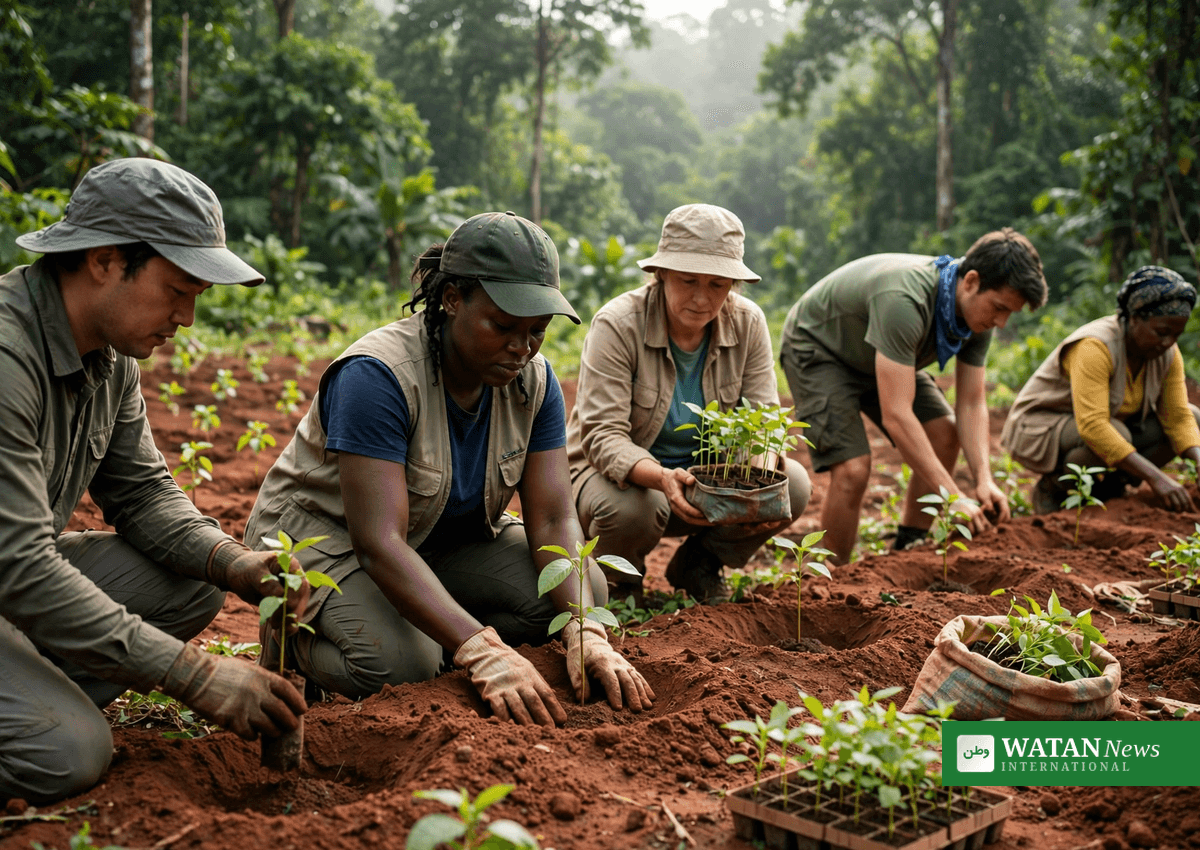
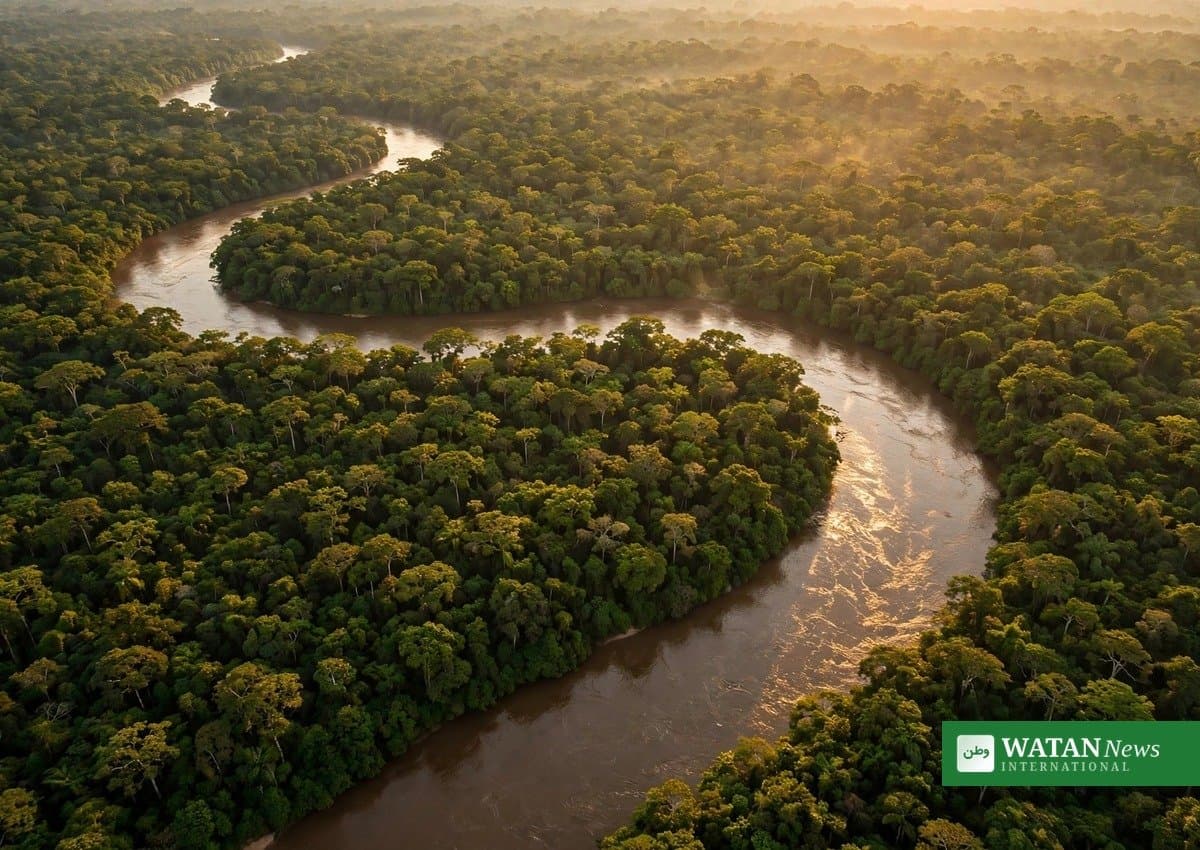
The forest roadmap divides action into three complementary parts: national action, international action and financial mechanisms. Under national efforts, it identifies 18 policies or implementation approaches that countries can use to address forest loss and degradation — from establishing protected areas and recognising the territorial rights of Indigenous peoples to restricting permits for activities linked to forest conversion.
The document is blunt about the finance gap. Countries need an estimated 300 billion US dollars per year by 2030 to halt and reverse deforestation, yet current finance reaches less than one-third of that figure — about 84.5 billion dollars was invested in 2023. Nearly 90 per cent of current finance comes from domestic public finance, as forest countries already dedicate substantial effort to protecting their forests. The roadmap offers 10 proposals for action on forest finance, including aligning domestic finance flows, enacting effective benefit-sharing measures and strengthening the position of forests in carbon markets.
Key facts
- Launched: 3 November 2026, Brasília, by COP30 President André Corrêa do Lago and CEO Ana Toni.
- Two documents: a roadmap for transitioning away from fossil fuels (net zero by 2050) and a roadmap for halting and reversing deforestation and forest degradation by 2030.
- Emissions shares: energy accounts for about 75 per cent of global greenhouse gas emissions; forest loss for about 11 per cent.
- Consultation: 267 contributions; 21 from parties or groups of parties representing 115 parties.
- Forest finance gap: about 300 billion dollars a year needed by 2030; current finance is less than one-third of that.
- Status: voluntary, non-prescriptive, not subject to negotiation; to be discussed at COP31 on 10 November.
Damian Fleming, Senior Director for Forests at WWF International, said the forest roadmap “gets many of the fundamentals right: governance, enforcement, rights, finance, and the need to tackle degradation as well as deforestation. The challenge now is speed. With 2030 only a few years away, implementation cannot remain voluntary in spirit and fragmented in practice.”
He added that countries need to use the roadmap to turbocharge action for results on the ground, with deforestation- and conversion-free supply chains and governance at the centre, incorporating the rights, voices and livelihoods of Indigenous Peoples and local communities.
Why it matters ahead of COP31
The roadmaps matter because the COP30 conference in Belém ended with a final agreement that failed to explicitly mention fossil fuels, after opposition from major oil producers. Rather than let both topics stall, the Brazilian hosts promised separate plans — and have now delivered them.
WWF welcomed both roadmaps as a complementary model of international climate cooperation: formal negotiations set the direction, while new tools, coalitions and strategies support implementation. With a temporary overshoot of 1.5°C now expected, the organisation says countries must move much faster to deliver concrete progress on existing commitments.
Mauricio Voivodic, Executive Director of WWF-Brazil, said the two roadmaps “demonstrate that it is possible to turn collective ambition into common frameworks to guide countries’ actions, bringing together agendas that have historically been addressed separately.” He added that the true legacy of a climate conference lies not only in the agreements it produces, but in the ambition it inspires and the transformation it sets in motion.
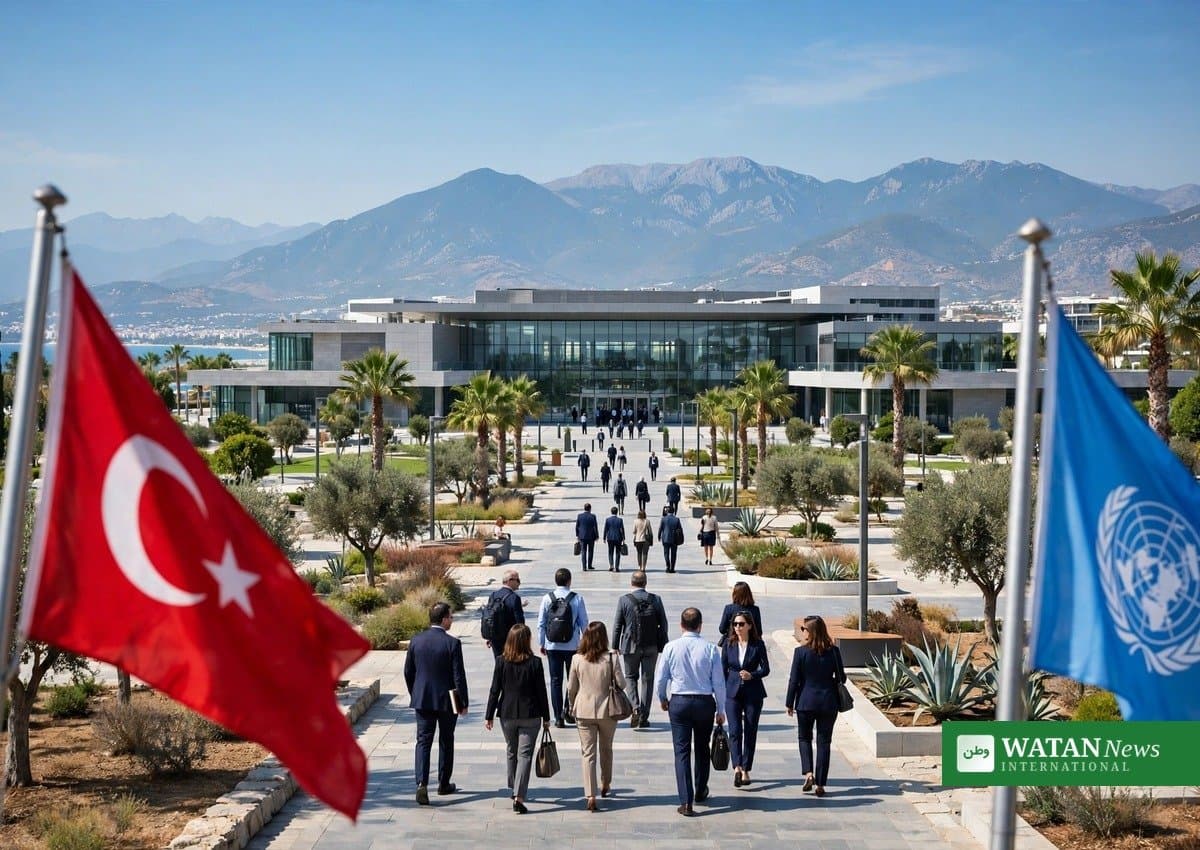
COP31 opens in Antalya on 9 November, where negotiators will face difficult talks on climate finance, adaptation and ocean action. The roadmaps give them a tested framework to work from — and a reminder that the test of any climate plan is measurable progress on the ground.