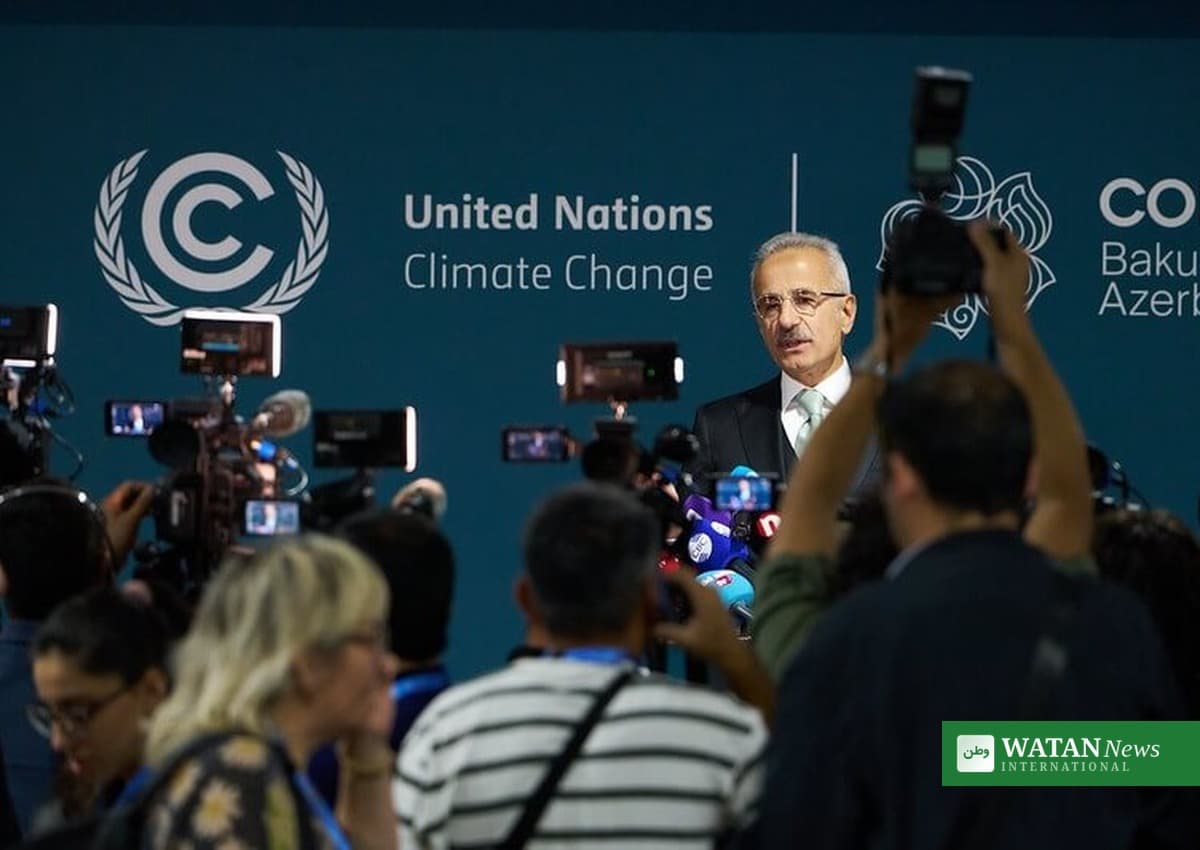
Antalya, Türkiye — Nearly half of the world’s children — 1.1 billion — are now exposed to at least three overlapping climate hazards, according to UNICEF’s Children’s Climate Risk Report 2026. At COP31 in Antalya, campaigners say COP31 climate education is the best protection childhood has: teaching that gives children knowledge, hope and a real voice, instead of fear.
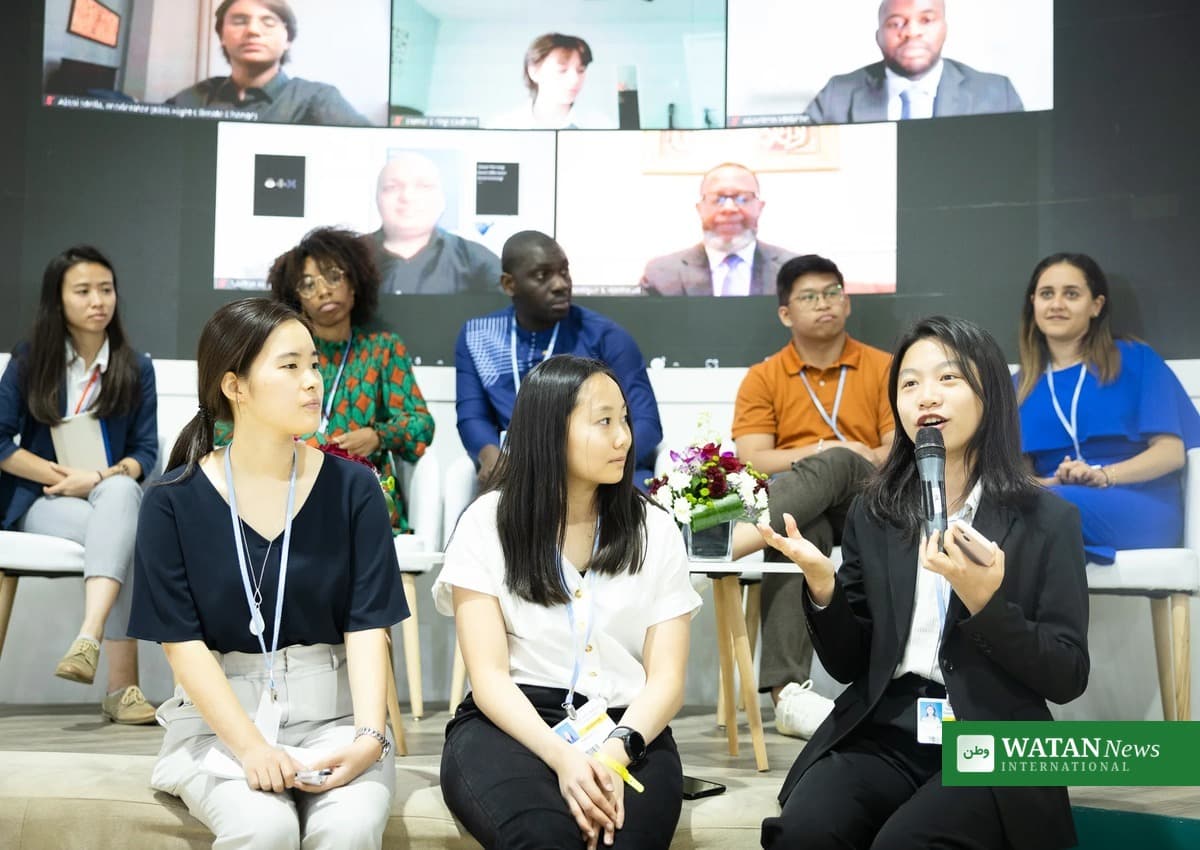
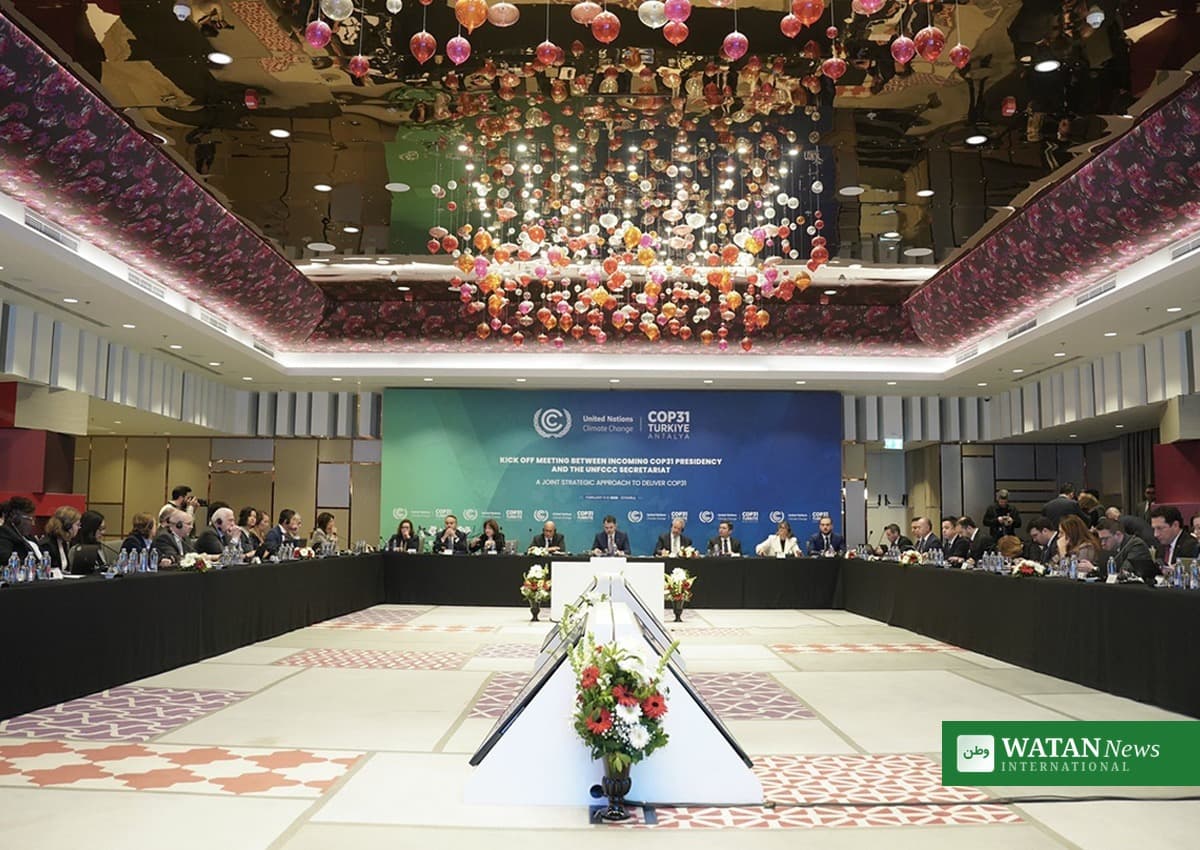
The warning comes as COP31 prepares for its Children, Youth, Education and Skills Day on Saturday, 14 November, when ministers, teachers and young people will meet to decide how climate learning becomes part of every child’s education.
Key facts
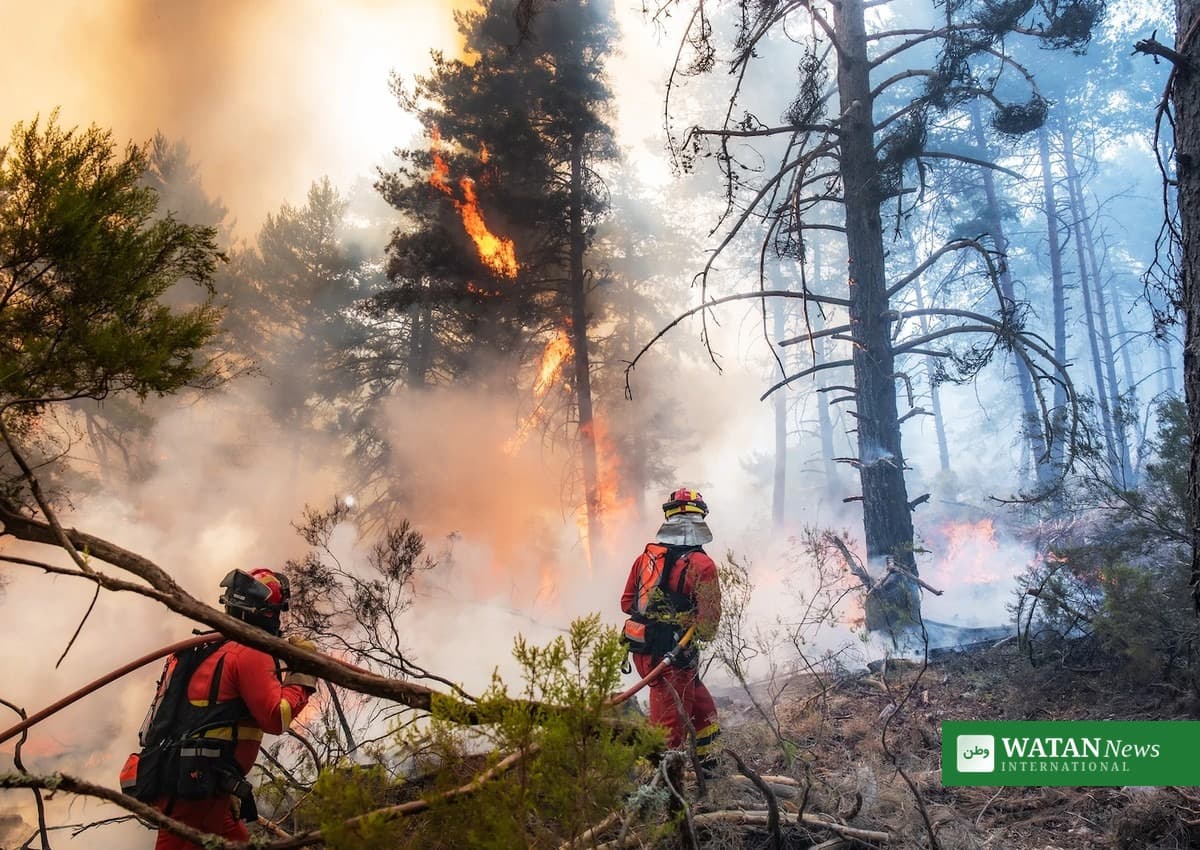
- 1.1 billion children — nearly half of all children alive — face at least three overlapping climate hazards, UNICEF’s Children’s Climate Risk Report 2026 finds.
- Almost every child in the world faces at least one climate hazard; 2 billion face at least two, and 4 million face as many as six.
- Eight hazards are mapped: coastal floods, droughts, extreme heat, fires, heatwaves, riverine floods, sand and dust storms, and tropical storms — plus air pollution and malaria.
- 296 million children face the most common combination: drought, extreme heat and heatwaves together.
- 11 November 2026: Canada’s ChariTree Foundation called at COP31 for climate education to be treated as a child’s right, not a privilege.
- 14 November 2026: COP31’s Children, Youth, Education and Skills Day brings a ministerial meeting on greening education, TeachersCOP 2026 and a youth negotiator roundtable.
What the UNICEF report found
The report, launched in New York on 16 June 2026, is UNICEF’s most detailed mapping yet of how climate hazards overlap in children’s lives. It uses a new Global Child Hazard Database that maps exposure down to a 100-metre grid, and a model that looks at extreme events over a 100-year return period.
The headline figure is stark: 1.1 billion children live where at least three climate hazards overlap. A further 364 million face at least four, 53 million at least five, and 4 million as many as six. Only 123,000 children face seven hazards at once — but for them, the report warns, the overlap can overwhelm families, schools and health services.
Drought is the most widespread hazard, touching 1.8 billion children. Heatwaves affect 1.5 billion — up from 820 million in UNICEF’s 2021 analysis — and air pollution now affects nearly every child on Earth, 2.3 billion, up from 1 billion in 2021, according to Health Policy Watch’s reading of the report. Exposure to three or more hazards rose 69 per cent between 2012 and 2021 compared with the previous decade.
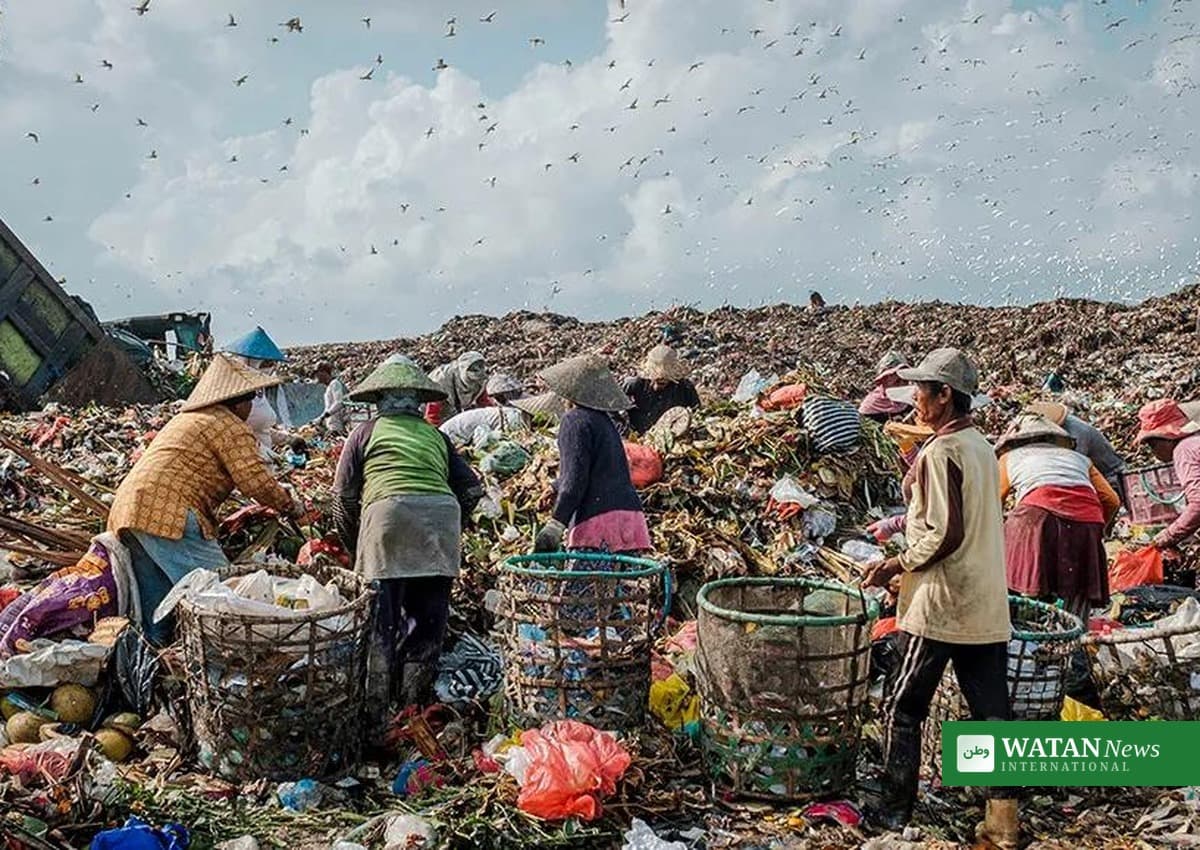
The burden is uneven. In the Sahel, more than 4 million children face heatwaves, extreme heat and sand and dust storms together. In Asia — including Bangladesh, Myanmar and Pakistan — children are exposed to more hazards at once, and at higher intensity, than anywhere else in the world. High-income countries are not spared: in Italy, more than 6 million children face prolonged heatwaves and drought, and in Kazakhstan a quarter of children — 25.5 per cent — face at least three hazards.
“The lives of children continue to be upended by the impact of heatwaves, wildfires, droughts, and floods,” said UNICEF Executive Director Catherine Russell. “Half of the world’s children are now living with at least three overlapping climate threats shaping their daily lives.”
A call from Antalya: education must protect childhood
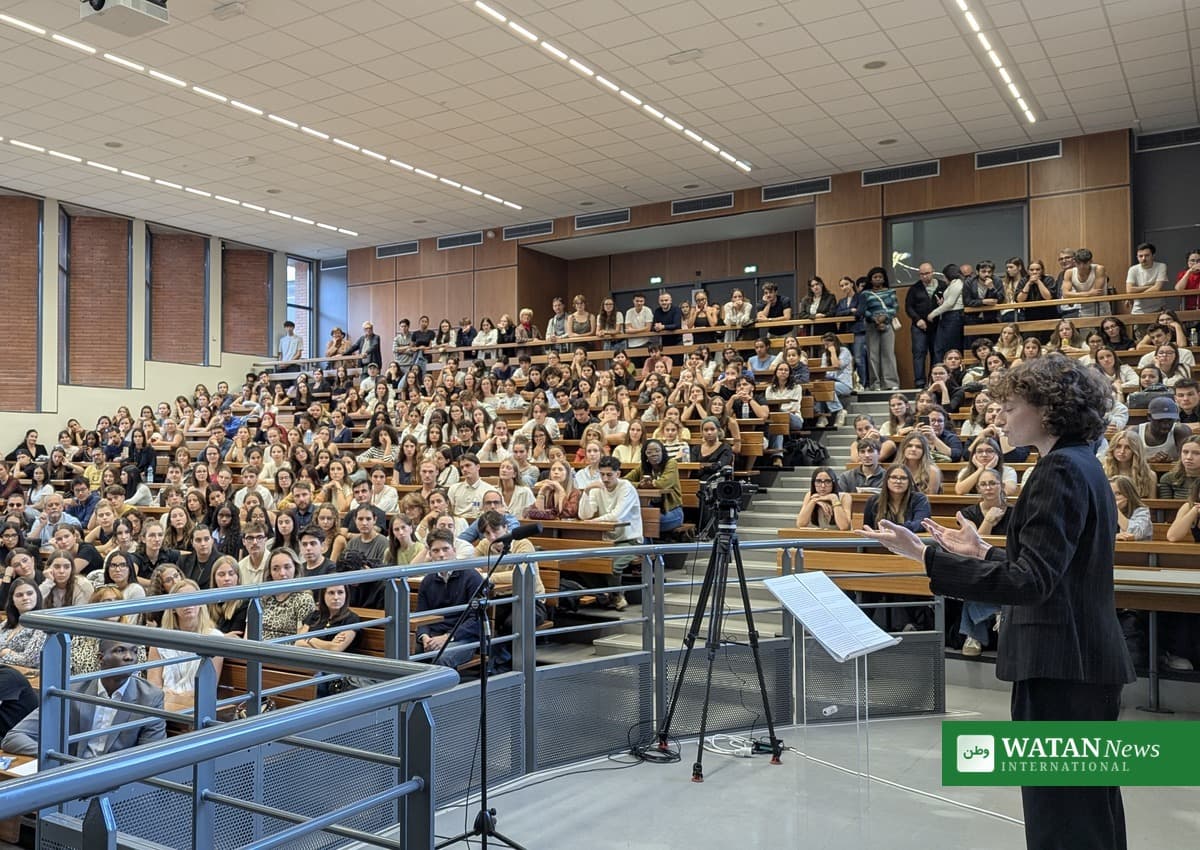
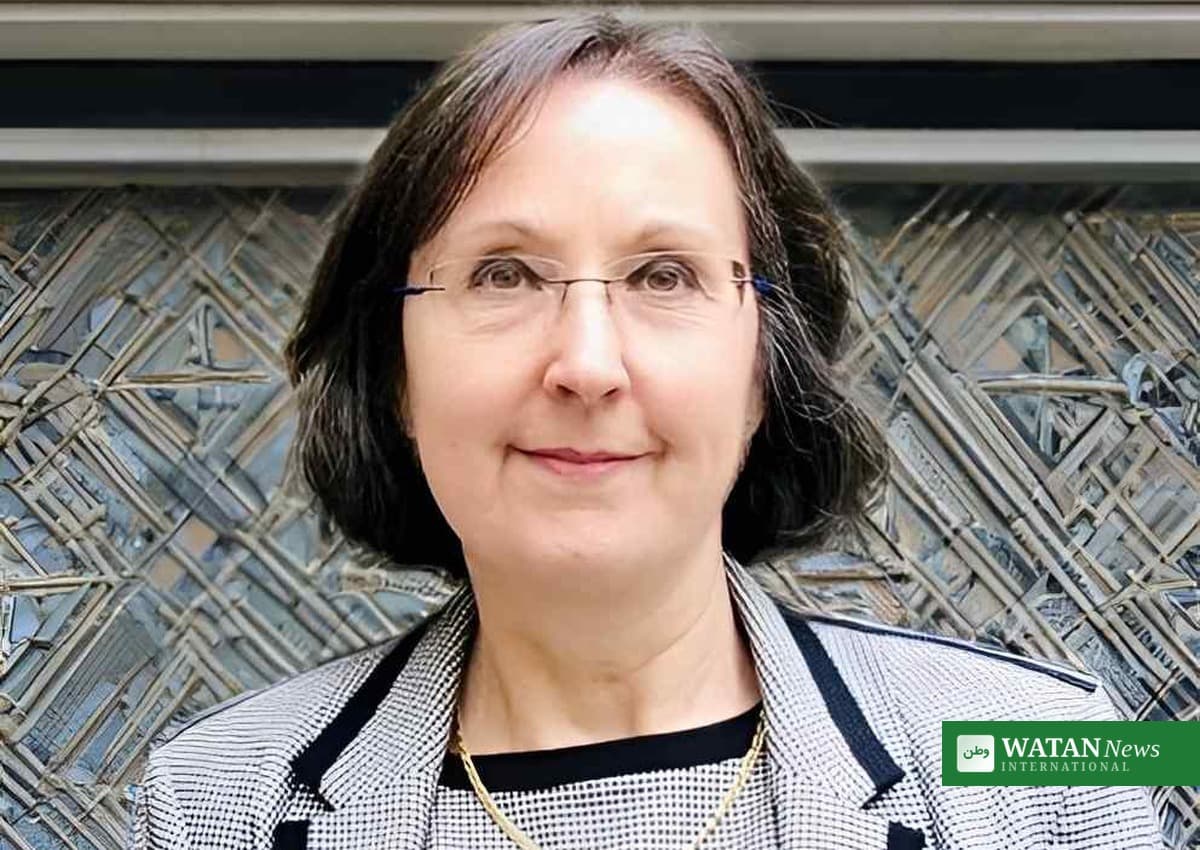
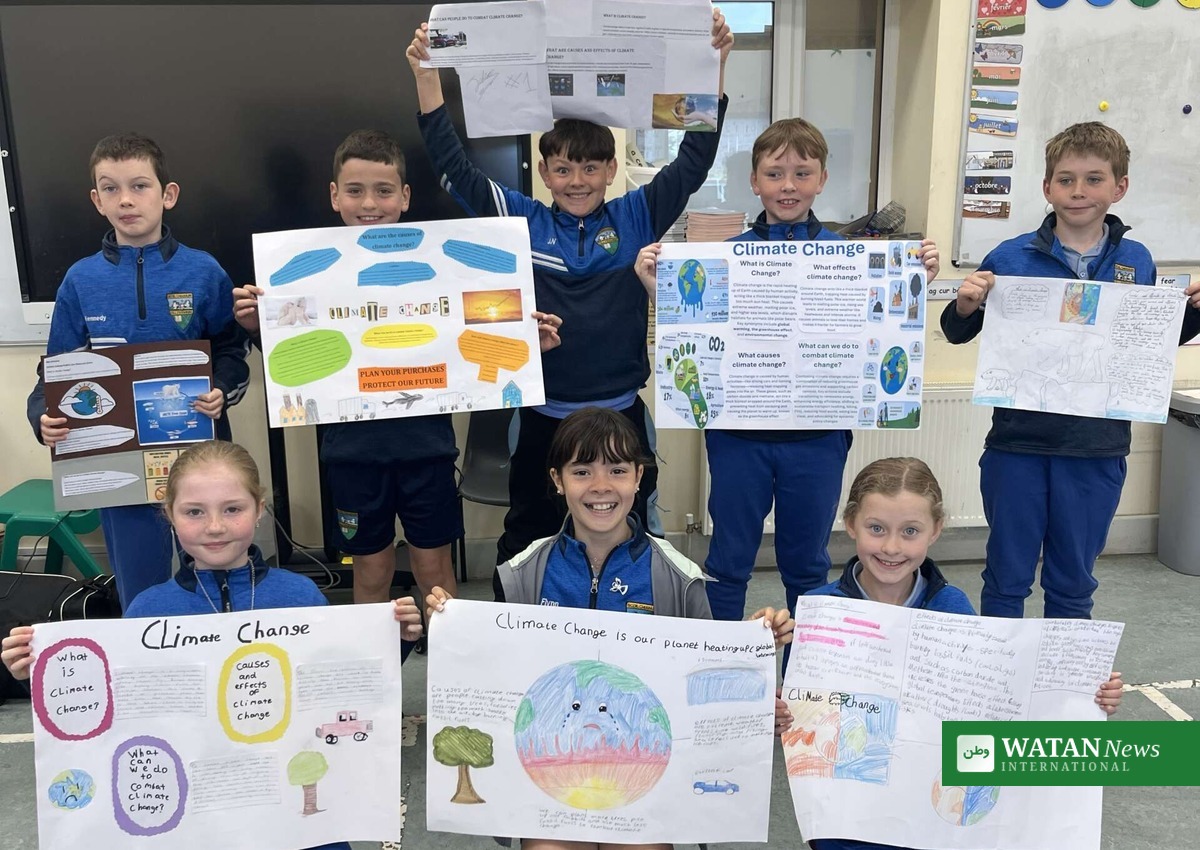
On 11 November, as COP31 entered its third day, Andrea Koehle Jones — founder of Canada’s ChariTree Foundation and an adviser to the UNICEF Innocenti Youth Fellowship on Climate Education — called on governments to put children’s rights, meaningful youth participation and transformative climate education at the heart of climate action.
Her call has three priorities. First, make climate education a right, not a privilege: every child deserves engaging, inclusive and empowering climate learning, in classrooms, communities and outdoors — including the children most vulnerable to climate impacts. Second, replace climate anxiety with knowledge, hope and action: quality education should build critical thinking and media literacy so children can recognise misinformation, and should show solutions and resilience alongside the risks. Third, give children a real voice in decisions — beyond symbolic invitations and photo opportunities.
“Children did not create the climate crisis, and they should not carry the burden of solving it,” Koehle Jones said. “But every child deserves the knowledge, hope, and opportunity to help shape a better future. Climate education should empower, not overwhelm. In fact, it should be fun — lots of fun!”
At COP31, the UN Committee on the Rights of the Child is also calling on governments to put children’s rights at the centre of climate action, according to the ChariTree Foundation.
COP31 climate education: what happens on 14 November
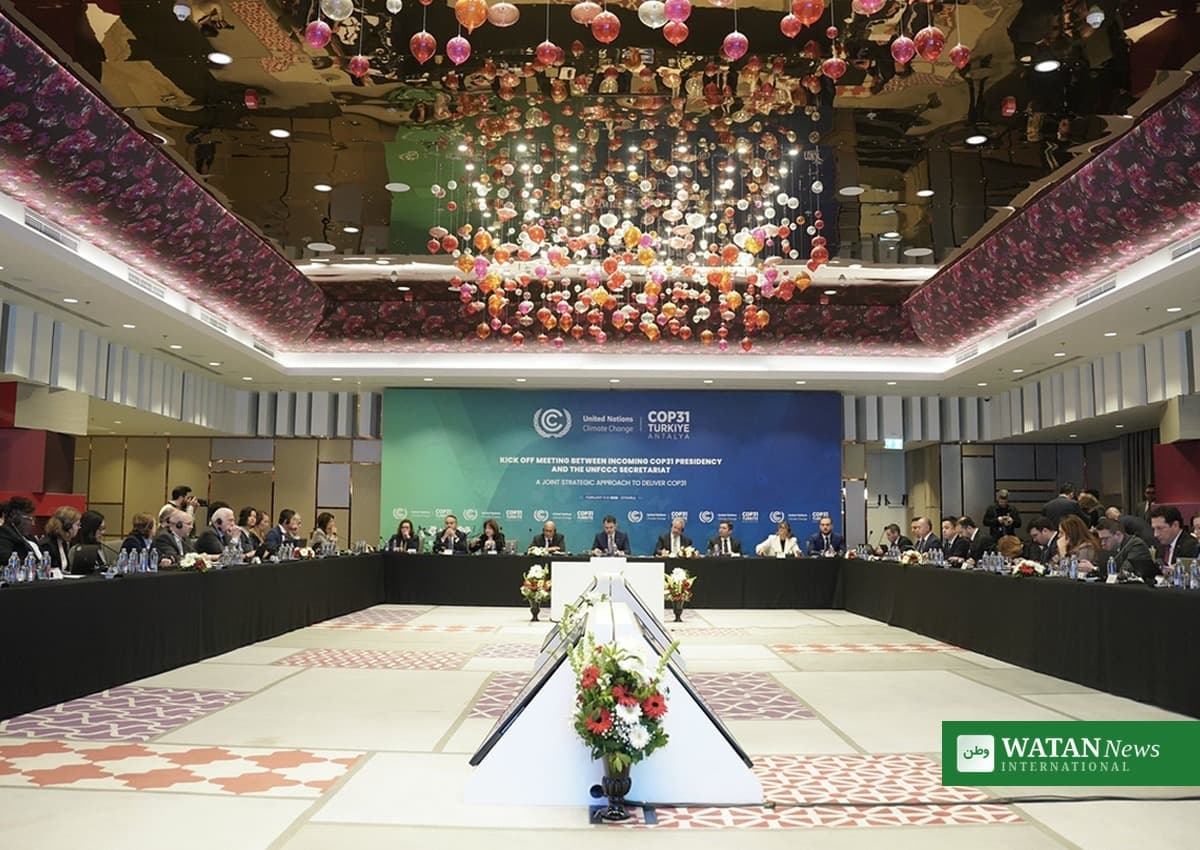
Saturday 14 November is COP31’s Children, Youth, Education and Skills Day. The COP31 Presidency and the Greening Education Partnership will co-host a High-Level Ministerial Meeting from 10:00 to 15:00 in the Blue Zone, organised with Türkiye’s Ministry of National Education, UNESCO and the OECD. The morning session will look at climate-friendly schools and teacher training; the afternoon will examine climate literacy as a measurable learning outcome, including the first PISA climate literacy assessment in 2029, and launch the partnership’s monitoring and evaluation working group.
TeachersCOP 2026, organised by the Office for Climate Education with VVOB, will present practical climate education projects led by teachers from around the world. The Youth-led Climate Forum will hold its headline event and a youth-negotiator roundtable from 11:00 to 14:00 in Plenary Akdeniz, and the Global Child Climate Manifesto will be presented at a press conference at 09:30.
The day builds on the Antalya Protocol for Action, under which the COP31 Presidency aims to bring climate change into education curricula by 2030 and build strong climate awareness across society by 2035. A UNESCO review in 2021 found that more than half of national curricula made no mention of climate change at all.
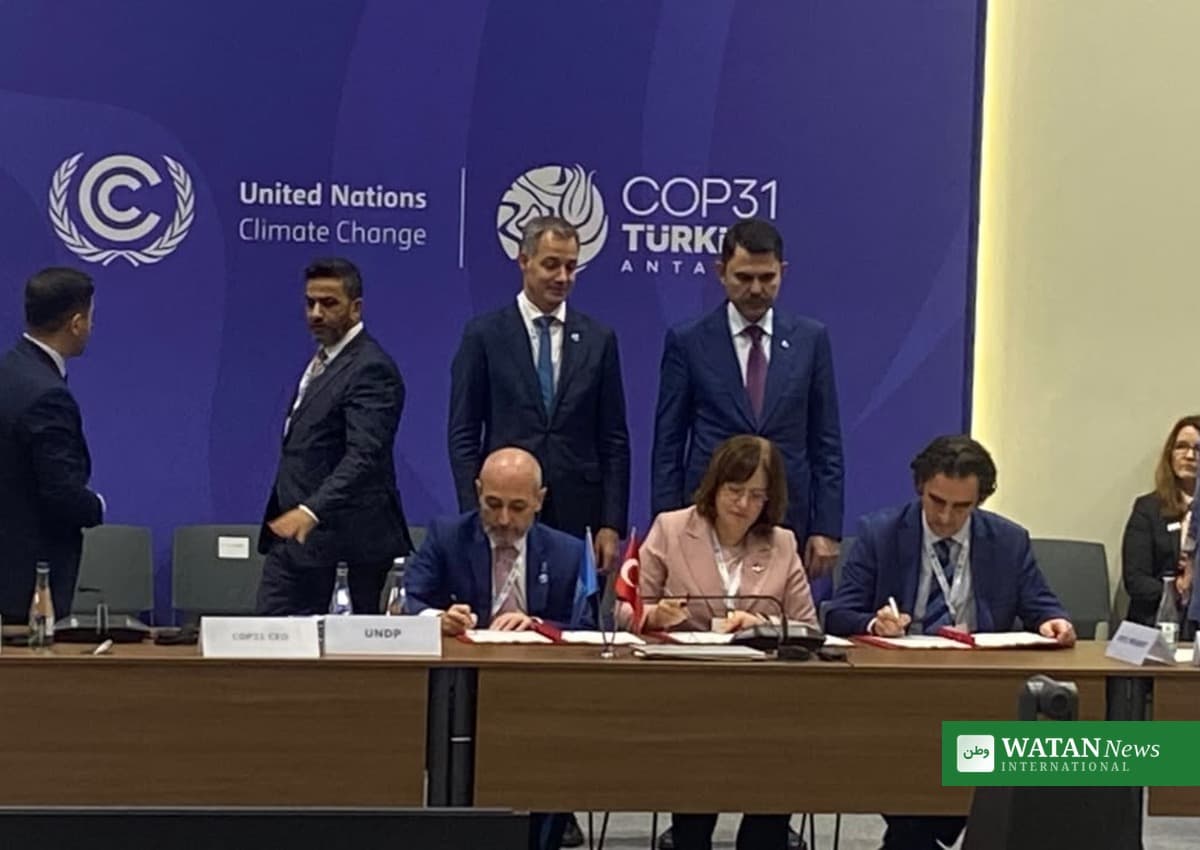
Children’s voices are already shaping this COP31. On 11 November, Turkmenistan signed the Declaration on Children, Youth and Climate Action, joining more than 80 endorsing countries, and on 12 November the Global Youth Statement 2026 was launched in Antalya, carrying the views of more than 100,000 children and young people from 90 countries.
What UNICEF asks governments to do
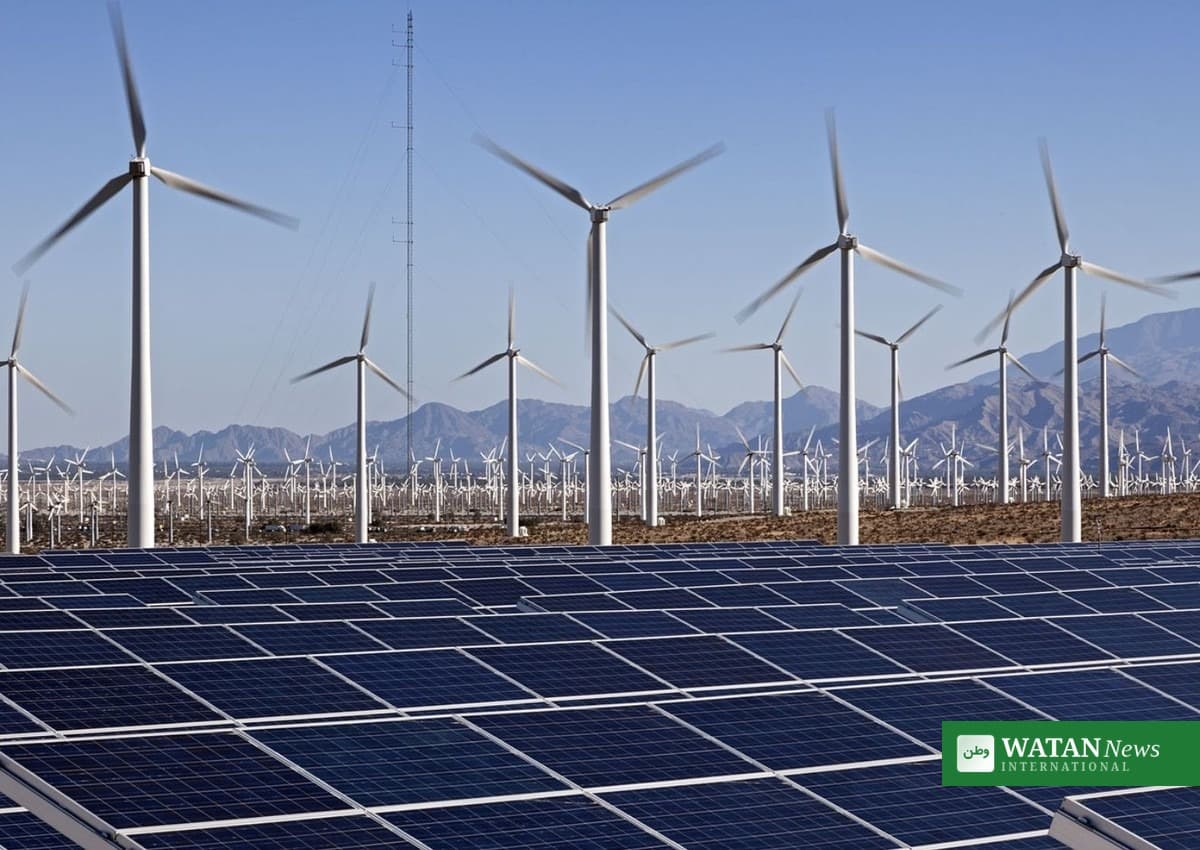
UNICEF calls on governments, businesses and others to do three things: reduce emissions and phase out fossil fuels with a just transition to renewable energy; protect children through inclusive adaptation, disaster risk reduction and loss-and-damage responses that keep schools, health care, water and food systems working — including safe, green learning facilities and early warning systems that reach children; and empower children by investing in climate education, knowledge and skills, and by giving young people a real say in the decisions that affect their lives.
“This analysis can help governments and decision-makers plan better and invest more effectively in resilient services,” Russell said. “When we strengthen health and education systems, and improve infrastructure with children in mind, we protect them from today’s climate threats and help secure their future.”
According to UNICEF and Dalberg, climate disruptions affected the learning of around 130 million children across Eastern and Southern Africa between 2005 and 2024 — a reminder, campaigners say, that the classroom is now on the front line of the climate crisis.