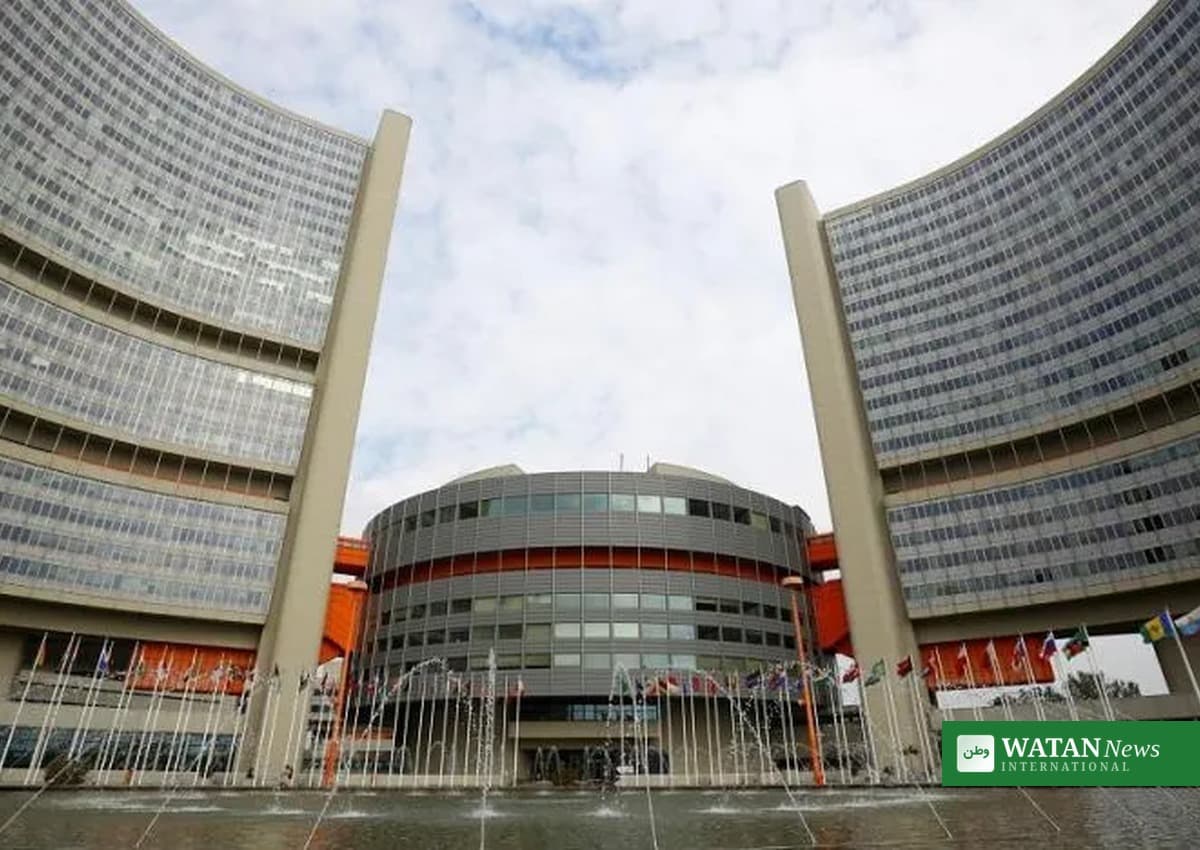
The United Nations nuclear watchdog has warned that it is increasingly concerned about a uranium enrichment plant in Iran that it has never been allowed to inspect, saying it cannot establish where the facility is, what safeguards apply to it, or whether it holds nuclear material.
The warning comes in a confidential IAEA report circulated to member states on Friday, 13 November. The report, seen by Reuters, focuses on the Isfahan Fuel Enrichment Plant, known as IFEP, which Iran declared on 12 June 2025.
FAKTA
- The facility: The Isfahan Fuel Enrichment Plant (IFEP), declared by Iran to the IAEA on 12 June 2025.
- The concern: The IAEA does not know the plant’s exact location, its safeguards status, or whether it holds nuclear material.
- The missed inspection: Inspectors were due to visit on 13 June 2025, but a 12-day bombing campaign against Iranian nuclear sites began that day.
- The stockpile: The IAEA last estimated Iran held 440.9 kilograms of uranium enriched to 60 percent, before the June 2025 strikes.
- The wider picture: Inspectors have not been allowed back into the damaged nuclear facilities.
- Next step: The report goes before the IAEA’s 35-member Board of Governors in Vienna next week.
IAEA Iran Isfahan nuclear plant: a visit that never happened
Iran told the IAEA on 12 June 2025 that it planned to build the new enrichment plant at its Isfahan site. The agency planned to examine its design information and visit the plant the next day, but the visit was cancelled when Israel and the United States began a 12-day campaign of air strikes against Iranian nuclear facilities on 13 June 2025.
The strikes destroyed or badly damaged Iran’s other enrichment plants. Diplomats believe IFEP sits inside a tunnel complex at Isfahan that was among the targets, but the agency says its whereabouts and condition remain unknown.
Questions over the enriched uranium stockpile
IAEA Director General Rafael Grossi said in March that his agency believed a significant amount of Iran’s most highly enriched uranium was inside the tunnel complex at Isfahan. Satellite images have since shown vehicle activity near the site, but the agency cannot confirm whether nuclear material is inside.
The IAEA’s last verified estimate, from before the June 2025 attacks, put Iran’s stockpile of uranium enriched to 60 percent at 440.9 kilograms. Tehran maintains that its programme is peaceful.
The agency has urged Iran to share the plant’s design information and let inspectors return to the damaged sites, so it can account for the stockpile.
Diplomacy stalled as pressure grows
In September 2026, the IAEA’s Board of Governors referred Iran’s nuclear file to the United Nations Security Council over its continued failure to meet safeguards obligations. The latest report adds to the pressure ahead of the board’s meeting next week.
With inspectors still unable to verify what remains of Iran’s nuclear programme, the Isfahan plant has become a sharp point of contention between Tehran and the international community.
More coverage of the region is available on Watan News.