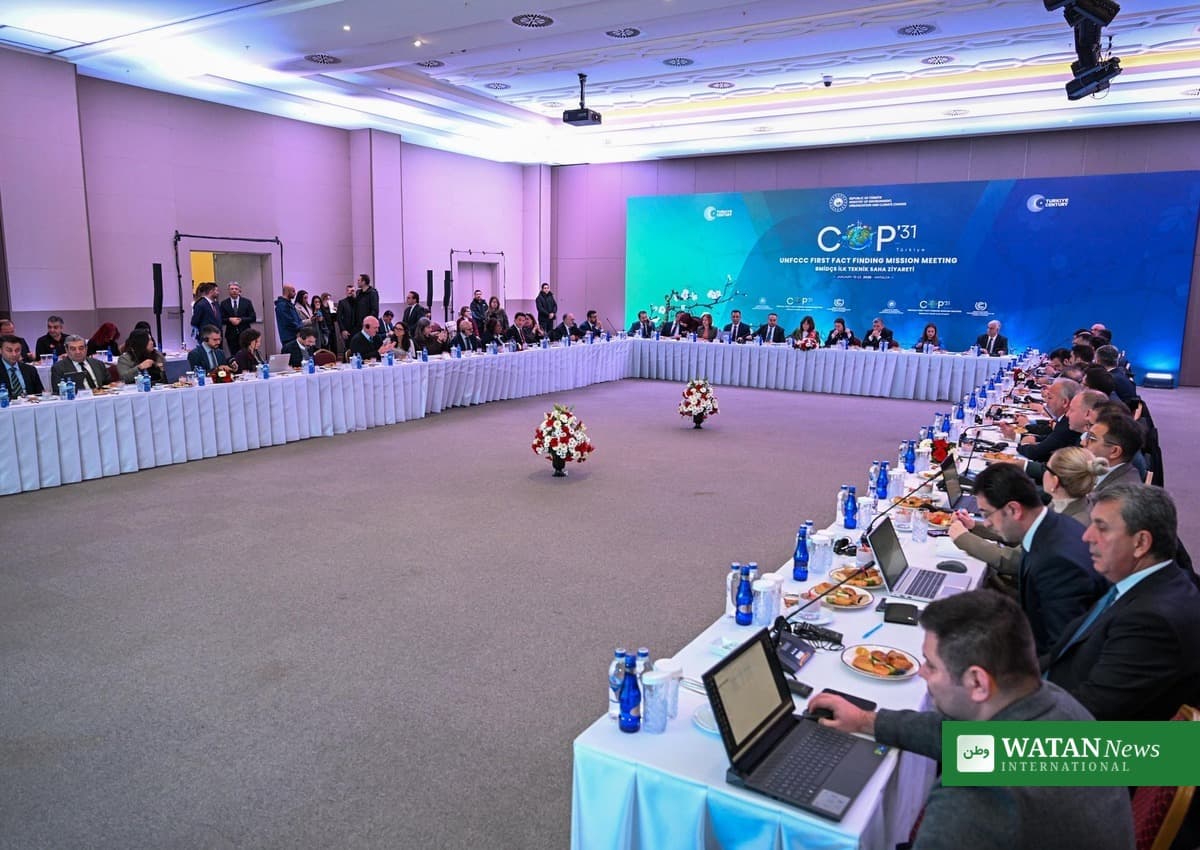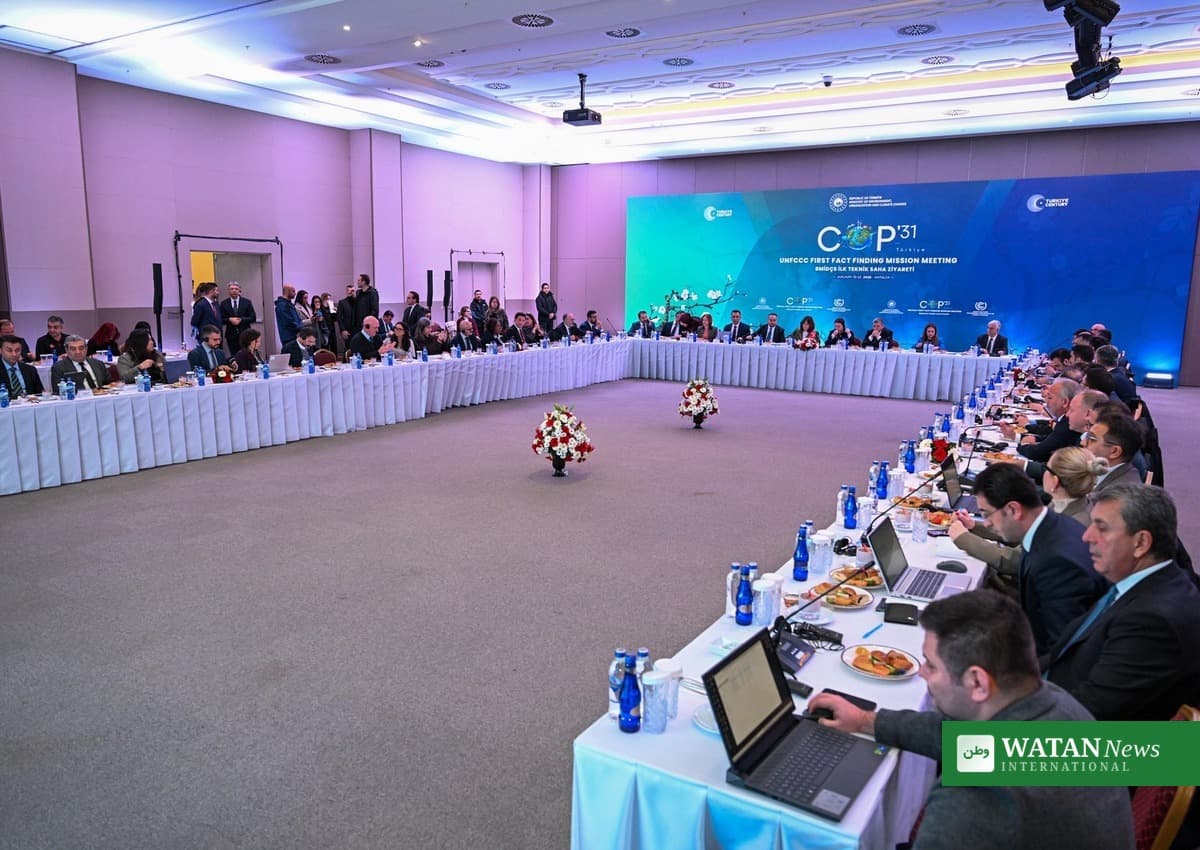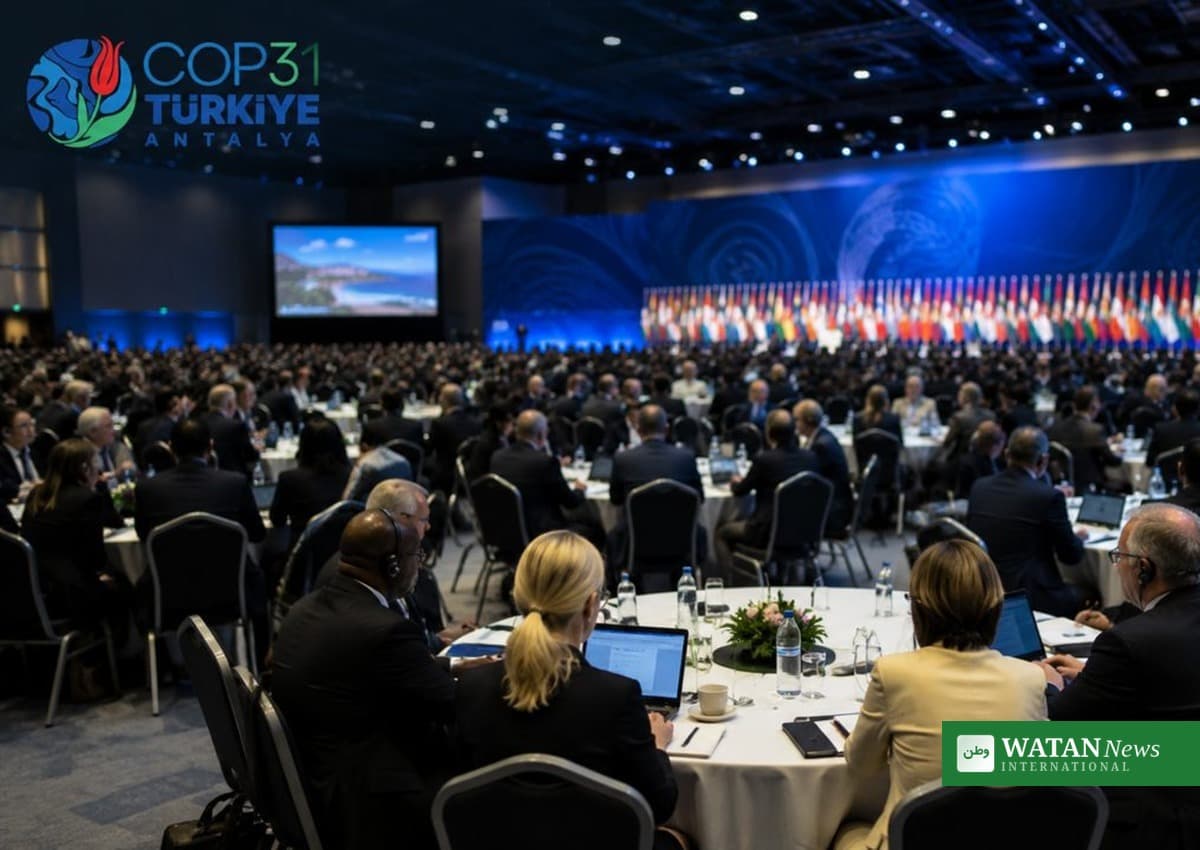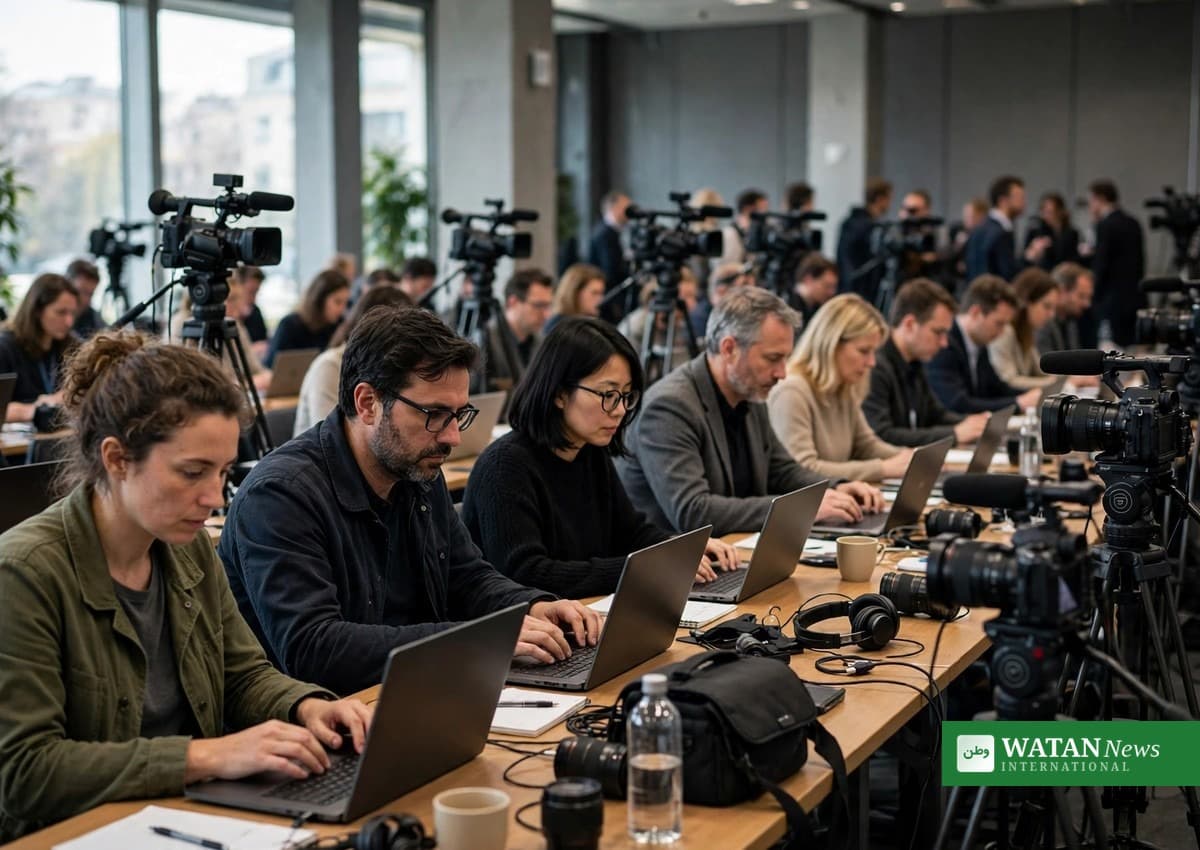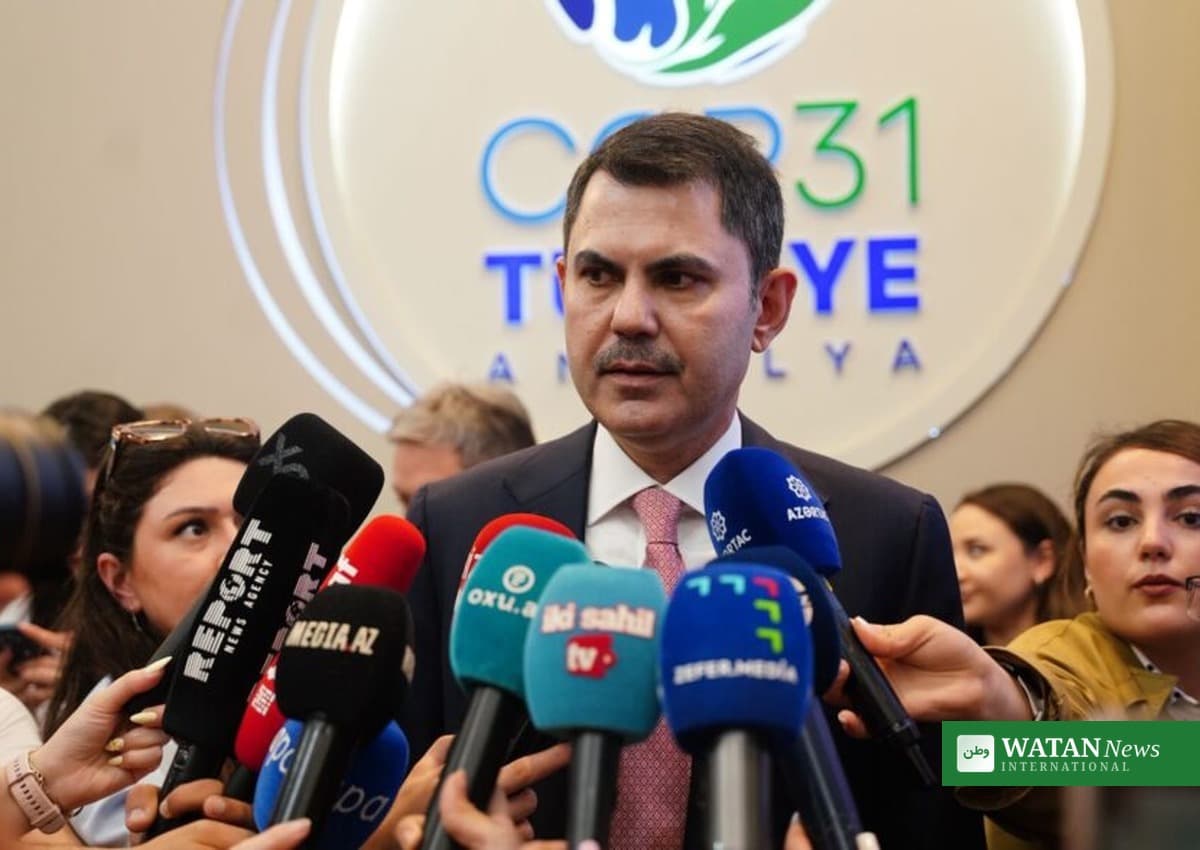
South Asian climate journalists have used their annual meeting at the COP31 climate summit in Antalya to demand that climate pledges be turned into real action — and to call for far stronger coverage of the climate crisis facing their region. The South Asian Climate Change Journalists Forum (SACCJF) met on 10 November 2026 at the summit venue, and approved plans for a special conference in New Delhi in January 2027.
Key facts
- Meeting held 10 November 2026: the forum’s annual general meeting took place in a conference room at COP31 in Antalya, Türkiye.
- Chaired by president Ashish Gupta: the meeting was conducted by secretary-general Keramat Ullah Biplob, with climate and social justice activist Harjeet Singh attending as chief guest.
- Five countries represented: journalist leaders from Bangladesh, India, Nepal, Sri Lanka and Pakistan described the climate challenges facing their countries.
- New Delhi conference approved: a special forum conference in New Delhi, India, in January 2027 was unanimously approved, with regional visits and accountability-focused programmes.
- Forum founded at COP27: SACCJF was formally established during the COP27 climate conference in Sharm El-Sheikh in November 2022, with headquarters in Dhaka.
- 62 million people: according to the forum, climate change is predicted to displace 62 million South Asian people by 2050.
What the journalists decided in Antalya
The meeting was chaired by the forum’s president, Ashish Gupta, and conducted by its secretary-general, Keramat Ullah Biplob. Harjeet Singh, a globally recognised climate and social justice activist, attended as chief guest and expressed solidarity with the organisation’s activities, according to a report by The Climate Watch.
Journalist leaders from Bangladesh, India, Nepal, Sri Lanka and Pakistan highlighted the climate challenges and struggles facing their respective countries. The meeting was attended by the forum’s executive president, Asaduzzaman Samrat, as well as Imran Chowdhury and Syeda Faiza Gilani from Pakistan, Kurulu Kujana Kariyakarawana from Sri Lanka, Shriram Subedi from Nepal and Shamsuddin Ilyas, Imrul Kayes and Saleh Noman from Bangladesh.
Also present were Masum Billah, president of the forum’s Bangladesh chapter, coastal region representative Somnath Dey, haor region representative Nazmul Hasan, and climate activists and journalist representatives from different countries.
During the meeting, Gupta proposed holding a special conference of the forum in New Delhi, India, in January 2027. The proposal was unanimously approved. He said the proposed conference would include initiatives for visits by forum leaders to South Asian countries and the organisation of accountability-focused programmes.
Participants stressed that alongside the participation of national representatives in global climate summits, it is essential to ensure that their commitments are implemented. They said journalists must closely monitor whether pledges translate into effective action and whether the benefits reach people living in climate-vulnerable communities.
Why South Asia’s climate story needs more coverage
South Asia is one of the regions most vulnerable to climate change. The forum’s own constitution notes that the region’s location leaves it exposed to climate shocks, and its members have committed to working together to address the impact of climate change in South Asia.
That is why the journalists in Antalya argued for more, not less, coverage of the region’s climate crisis. Floods, heat, sea-level rise and damage to farming and livelihoods affect hundreds of millions of people across the eight South Asian countries — yet the forum says the region’s story is still under-reported in global climate coverage.
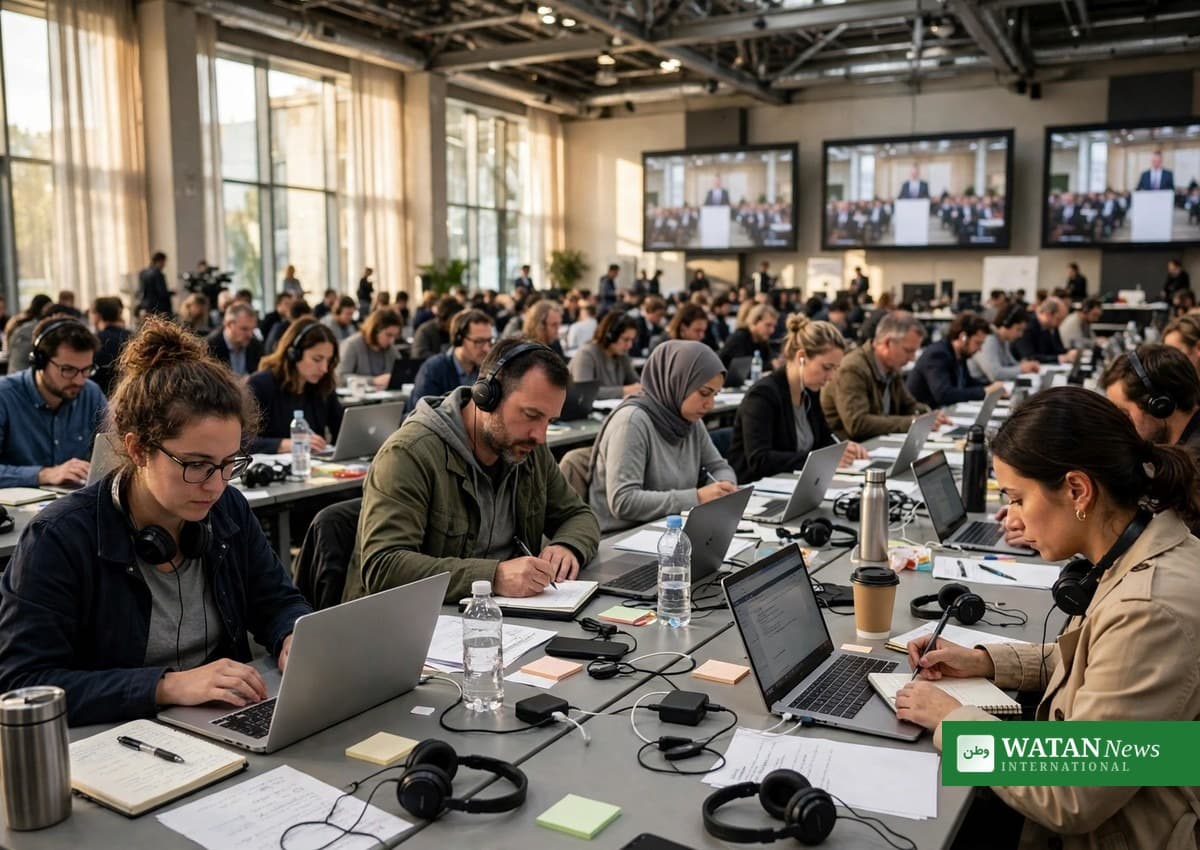
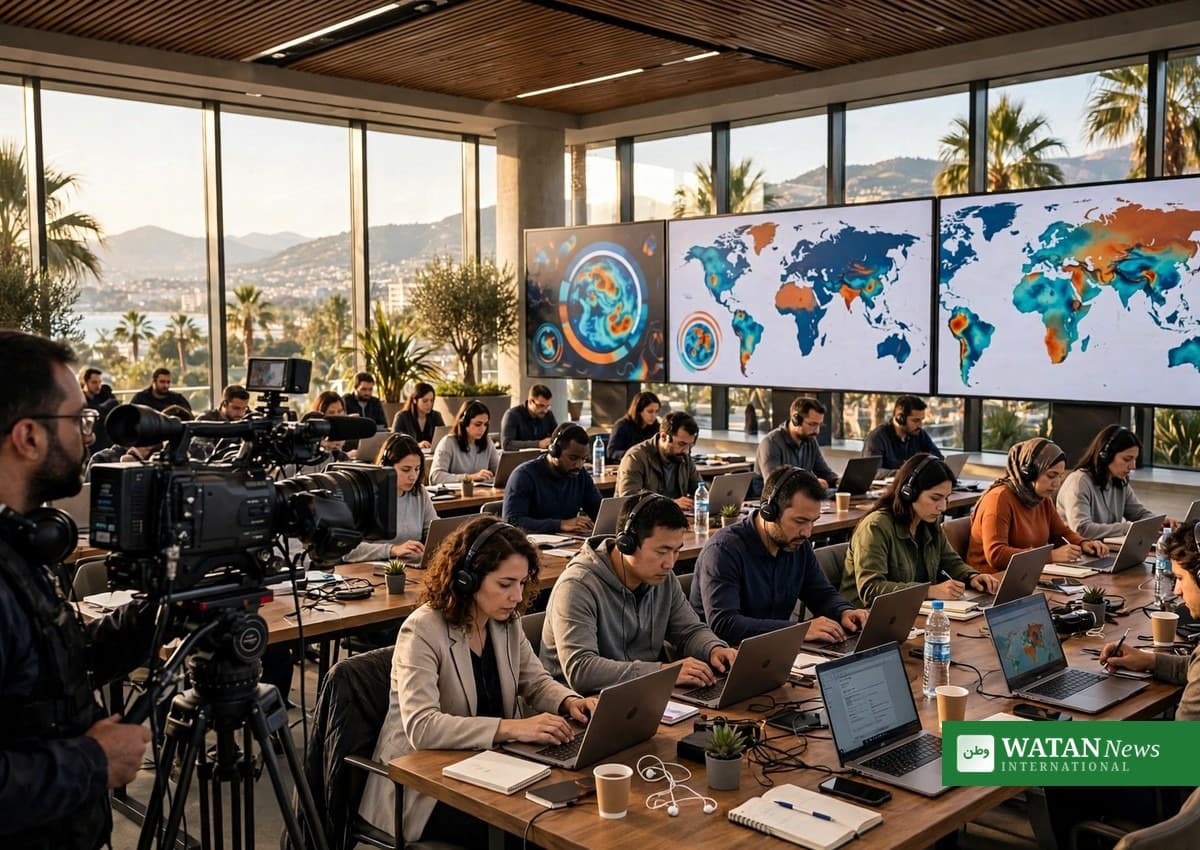
For the journalists, the test of COP31 is not what is promised in Antalya but what is delivered at home. Their call is for reporting that follows the money and the promises: whether finance arrives, whether adaptation projects are built, and whether vulnerable communities see the benefit. Inside COP31, journalists are working around the clock to carry that story to the world — read how the summit’s media centre operates in Inside COP31’s Media Centre: The 24-Hour Newsroom Telling the World What Happens in Antalya.
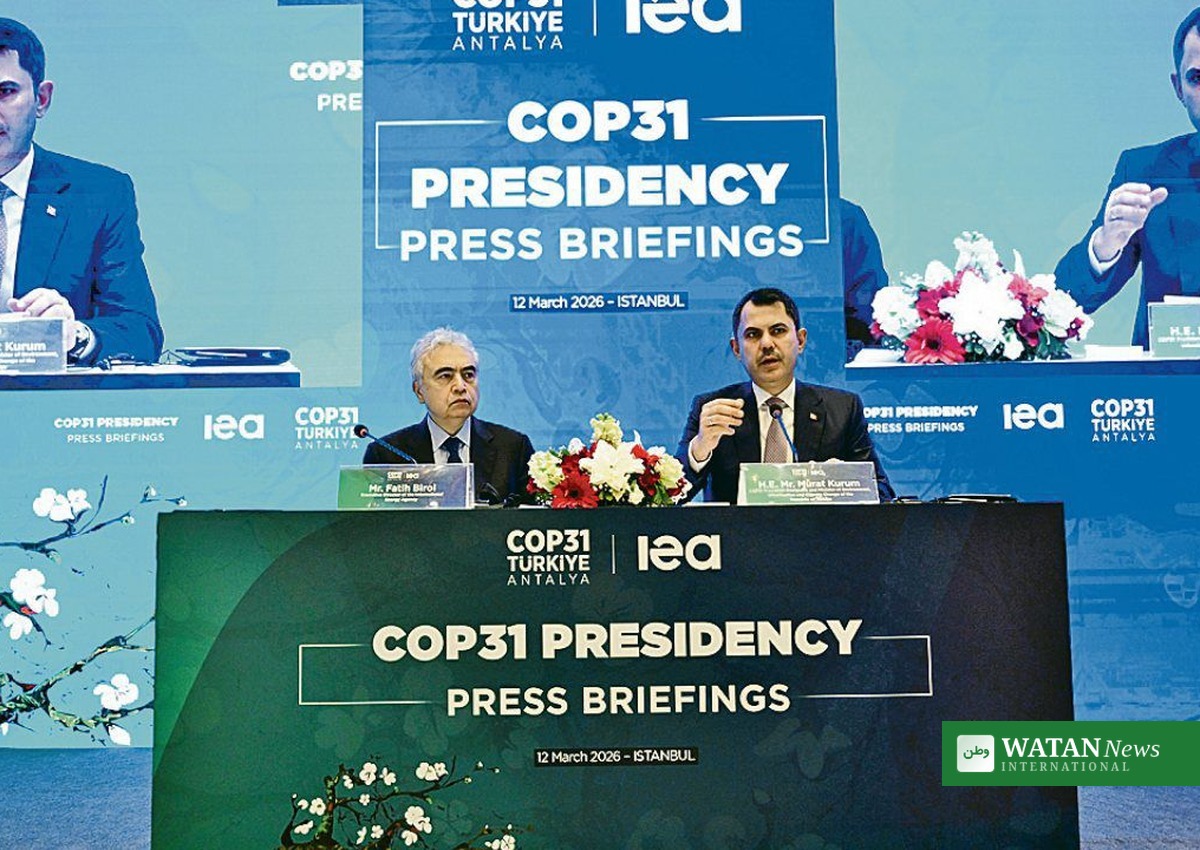
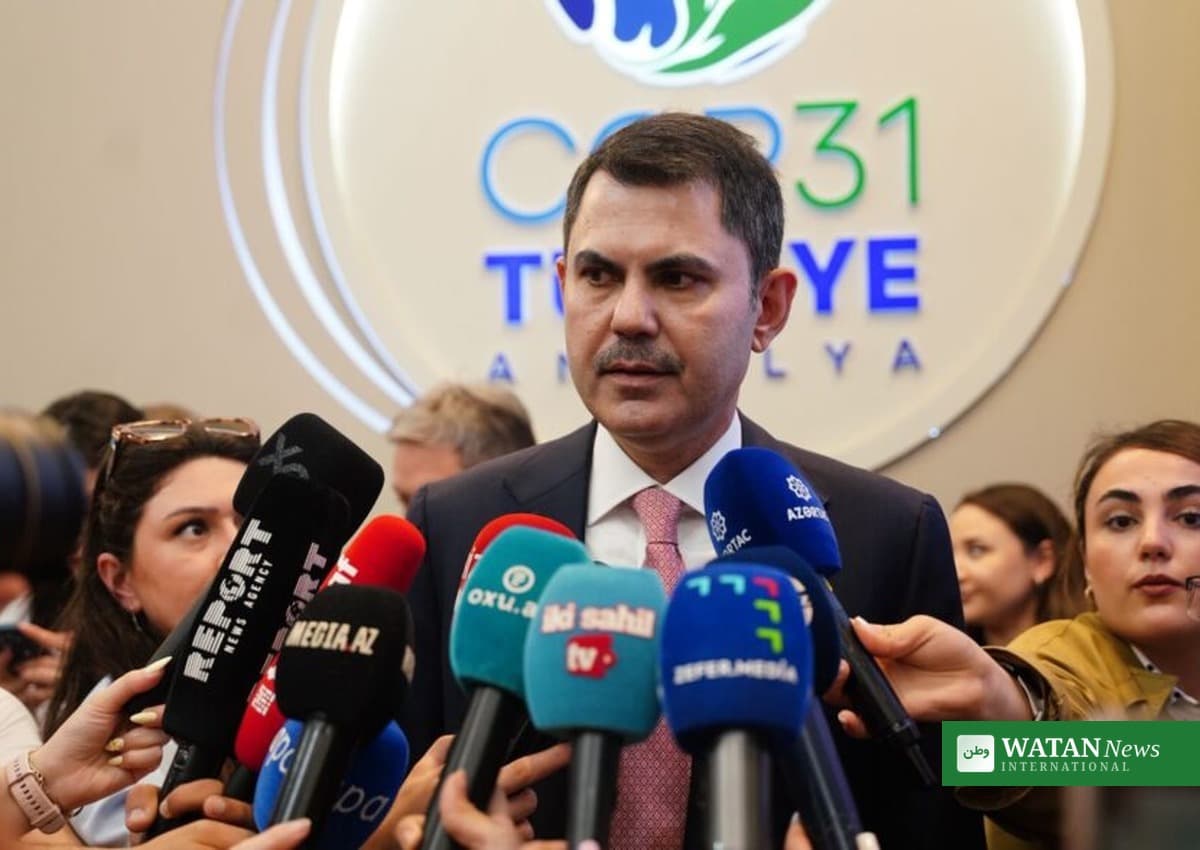
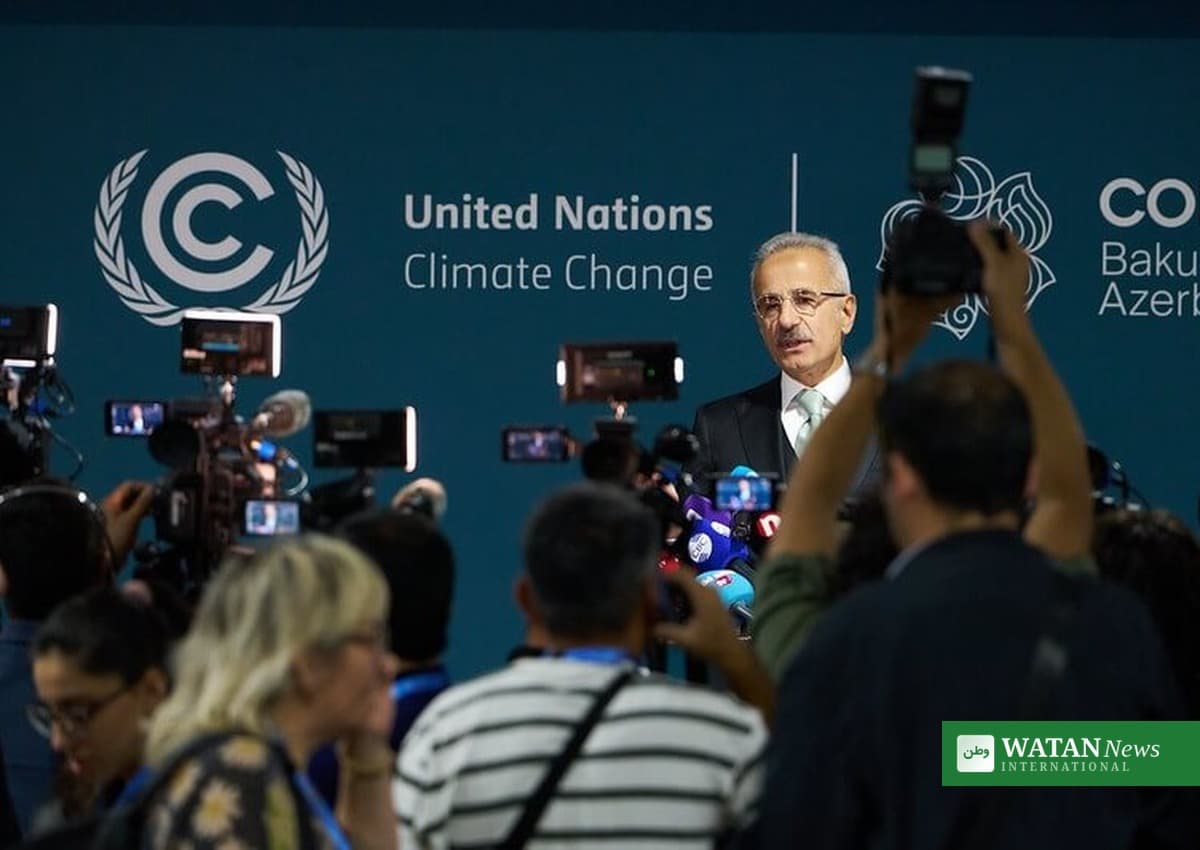
The COP31 Presidency held press briefings for journalists in the run-up to the Antalya summit, including this briefing in Istanbul on 12 March 2026.
Climate journalism under pressure — and supported
The South Asian journalists met at a time when climate reporting itself is under strain. According to UNESCO, more than 70 per cent of environmental journalists surveyed report attacks, threats or pressure, and 44 have been killed since 2009. UNESCO’s Global Initiative for Information Integrity on Climate Change, launched at COP30, is bringing governments, scientists, journalists, educators and civil society together at COP31, with an official side event on 18 November showcasing research and practical responses to climate disinformation.
At the same time, new support is reaching reporters at the summit. The Climate Change Media Partnership, led by Internews’ Earth Journalism Network and the Stanley Center for Peace and Security, awarded fellowships to 16 journalists to report from COP31 in Antalya. The programme is in its 19th edition since 2007 and has supported more than 550 journalists from low- and middle-income countries. This year’s fellows include Hammad Sarfraz from Pakistan and Aparna Bose from India, and for the first time independent creator journalists were also eligible.
BBC Media Action also held a roundtable at the Bangladesh Pavilion on 11 November, titled “Bridging the Last Mile: the role of media in climate communication”, where journalists and experts discussed how to get critical climate information to the communities that need it most.
What happens next
The forum’s next step is the special conference in New Delhi in January 2027. The exact dates have not yet been announced. Ahead of it, forum leaders plan visits to South Asian countries and accountability-focused programmes to track whether COP31 promises are kept.
For the journalists who met in Antalya, the message is clear: summits must be judged by implementation, and it is the job of climate journalism to keep that record in public view. COP31 continues in Antalya until 20 November.