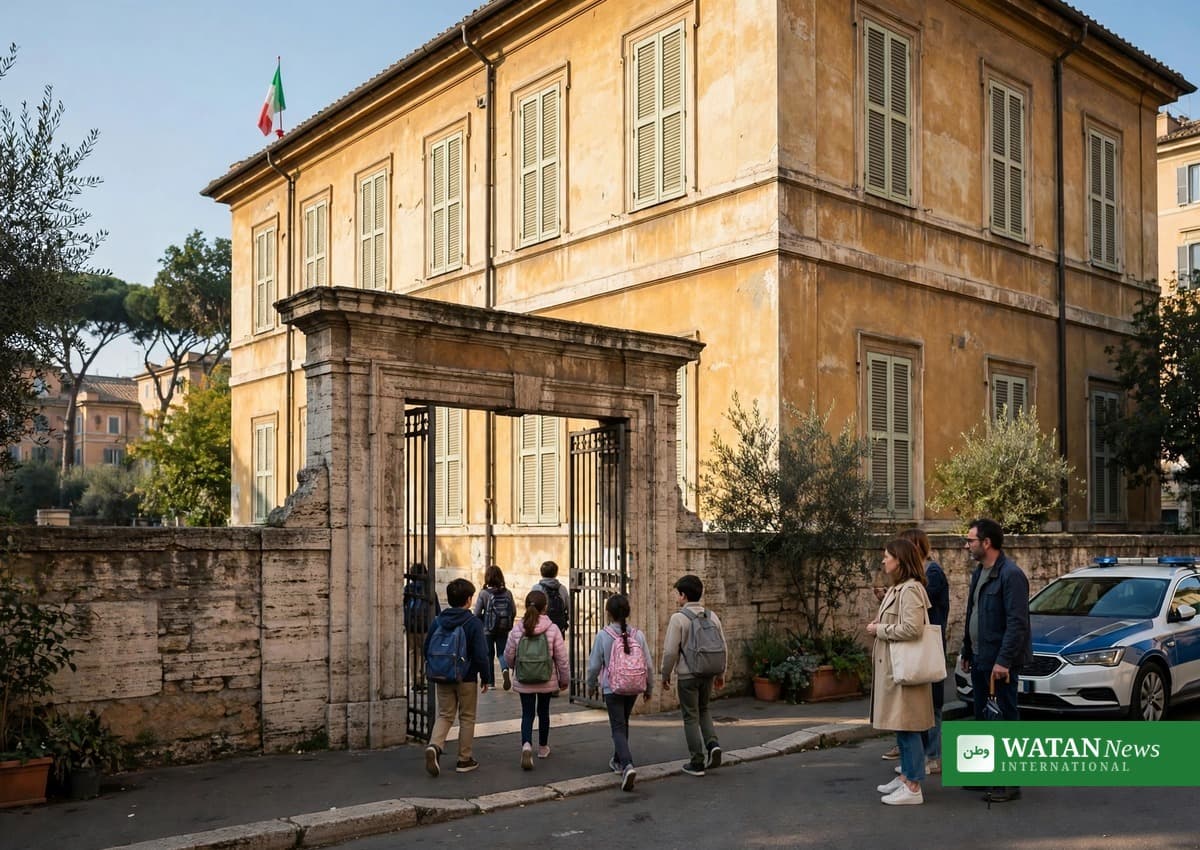
Italian Prime Minister Giorgia Meloni has appealed for political unity after hoax bomb threats disrupted schools across Italy for a second day. On Thursday, 1,803 schools received threatening emails, a day after about 6,300 schools were targeted in a mass mailing that forced hundreds of evacuations. Meloni met opposition leaders in Rome to agree a calmer, shared response, and her government issued new guidance under which schools will no longer be cleared on the strength of an anonymous email alone.
FAKTA
- Wednesday, 11 November: about 6,300 of Italy’s 7,476 state schools received anonymous bomb-threat emails; hundreds of buildings were evacuated.
- Thursday, 12 November: a further 1,803 schools received threats; many stayed open under the new government guidance.
- Police findings: nothing has substantiated the threats, and no explosives have been found.
- Government response: Meloni met opposition leaders at Palazzo Chigi; schools will be evacuated only when there is concrete evidence of danger.
- Wider picture: similar hoaxes and cyberattacks have recently hit schools, hospitals and transport systems across Europe, including 1,300 schools in the United Kingdom.
A second day of threats
The emails, signed with the name “Mikhail Andropov”, reached school inboxes across the country on Wednesday morning and again on Thursday. One version also named the prime minister, claiming a device had been placed in her car. Checks found no sign of danger, and Meloni described the campaign as an effort to spread fear rather than to cause real harm. Interior Minister Matteo Piantedosi urged calm, saying the alarms so far had proved unfounded. Rome police said reports were still coming in on Thursday, but on a smaller scale, with nothing to back them up.
New rules for evacuations
Meloni summoned opposition leaders to Palazzo Chigi on Thursday morning, joined by deputy prime ministers Antonio Tajani and Matteo Salvini and senior ministers. Opposition leaders including Elly Schlein, Giuseppe Conte, Matteo Renzi, Carlo Calenda and Riccardo Magi took part. The meeting was held to share the information available on the threats and the hacking activity behind them, and to agree a joint approach. Under the new protocol, a school will be evacuated only when there is concrete evidence of a genuine danger. Meloni closed the meeting with an appeal for unity among all political forces.
Part of a wider European pattern
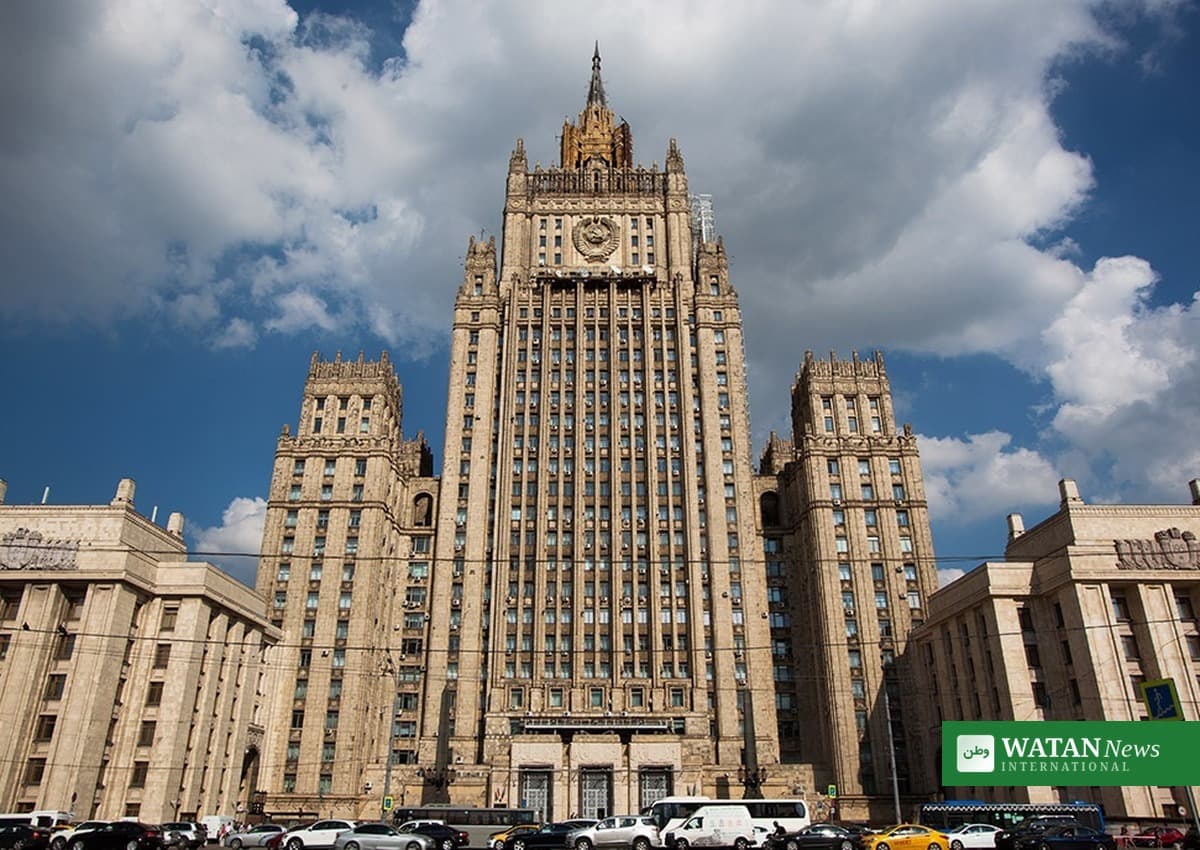
The threats are the latest in a series of hoaxes and cyberattacks that have hit civilian targets across Europe, including schools, supermarkets, blood banks, air traffic systems and broadcasters. Similar emails also reached about 1,300 schools in the United Kingdom, where police found no credible threat. Some European officials suspect Russia may be behind a campaign of disruption against countries supporting Ukraine, though Italian officials say there is no evidence of that so far. Russia’s ambassador to Italy said Moscow was ready to help trace whoever sent the threats. Italian schools have reopened, and classes are running normally.
More international coverage is available on Watan News.