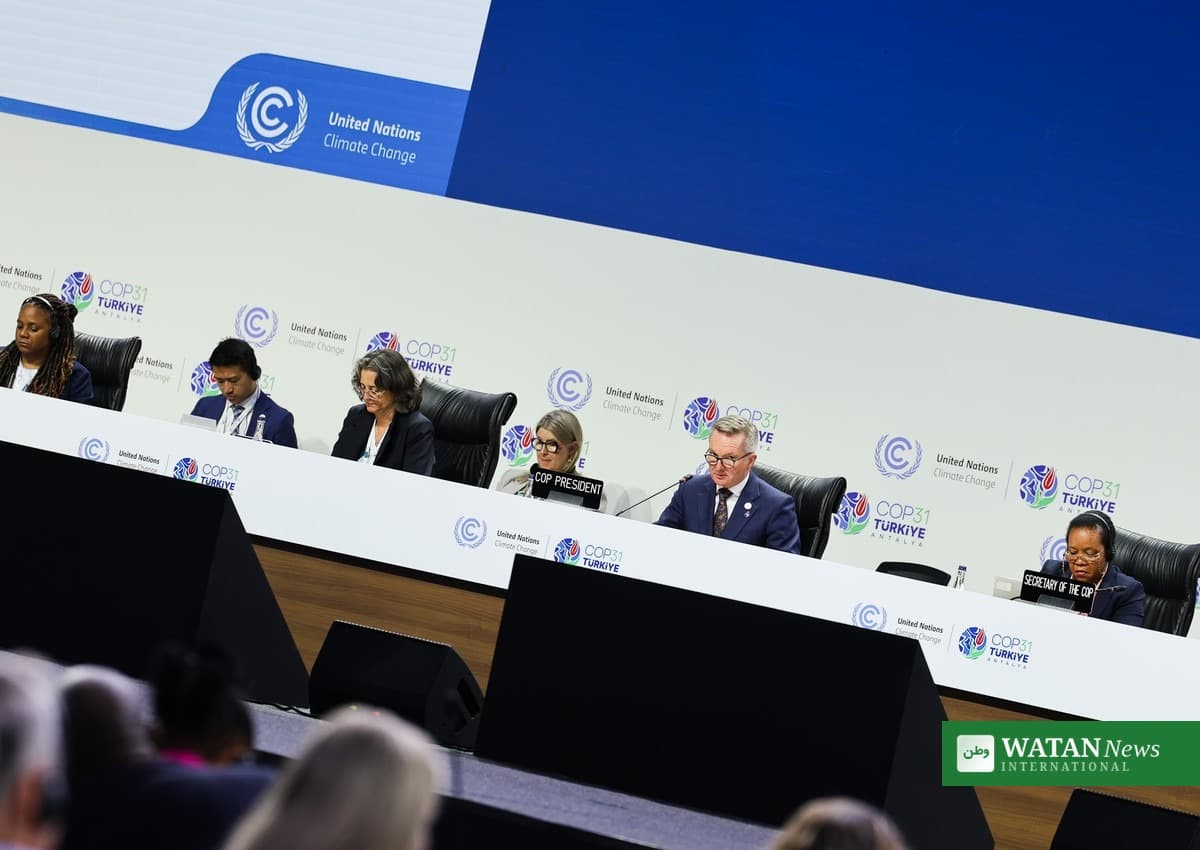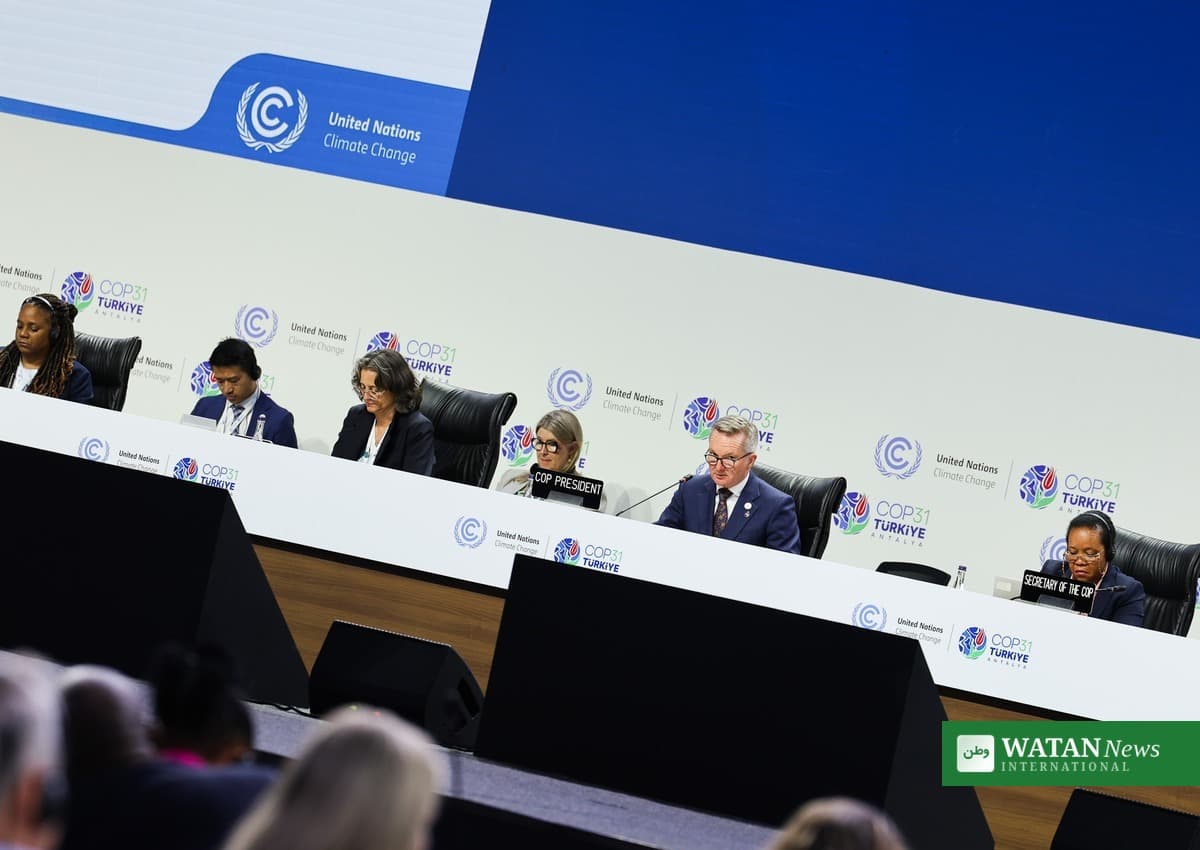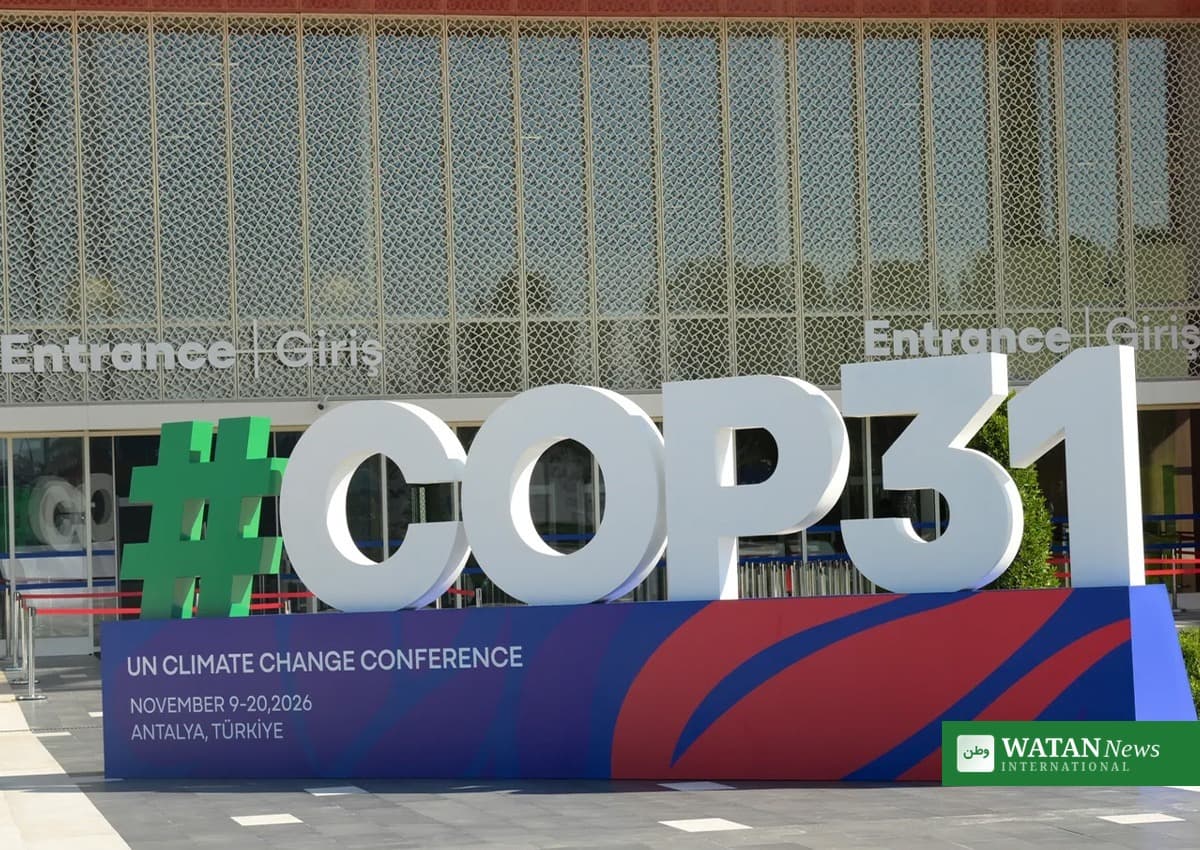
Antalya, Türkiye — China’s Geely Holding has launched a new global alliance to make electric vehicles sustainable across their whole life — from the factories that build them to the batteries they leave behind — as COP31 in Antalya turns its attention to cleaning up how the world moves.
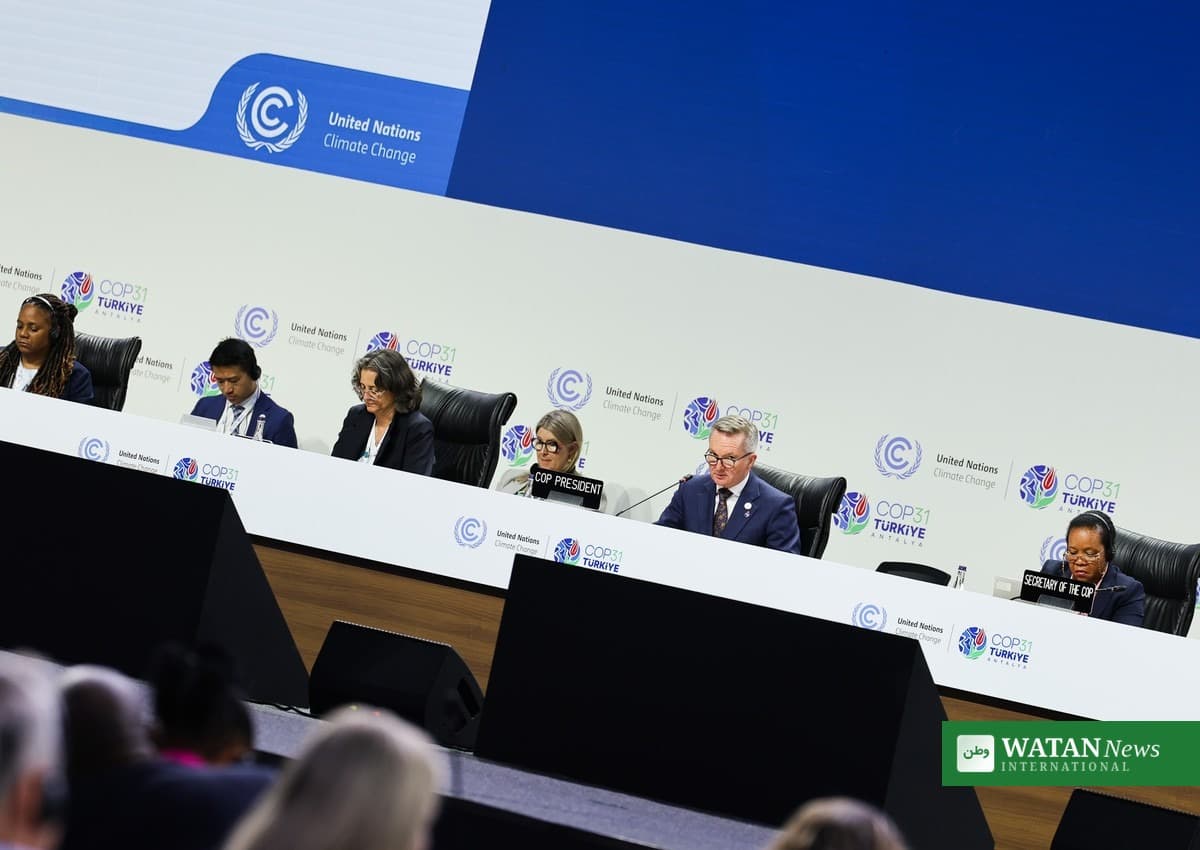
The Electric Vehicle Sustainability Alliance (EVSA) was launched on 16 November 2026 at the UN climate summit, at an event co-hosted by Zhejiang Geely Holding Group (ZGH) and the China Association of Automobile Manufacturers (CAAM). The industry-led initiative aims to turn shared environmental, social and governance ambitions into practical, measurable action across the automotive value chain.
Key facts
- What: The Electric Vehicle Sustainability Alliance (EVSA), launched on 16 November 2026 at COP31 in Antalya, Türkiye.
- Who: Zhejiang Geely Holding Group, together with the China Association of Automobile Manufacturers (CAAM).
- Goal: Practical cooperation on value-chain decarbonisation and responsible business practices — Geely aims for full-value-chain carbon neutrality by 2045.
- Scale: Electric car sales passed 20 million in 2025, according to the International Energy Agency, while road transport emitted just over 6 billion tonnes of CO2 in 2024.
- Also at COP31: TAILG’s Green Ride Africa is bringing battery-swapping electric three-wheelers to Africa in cooperation with the UN Development Programme.
What the alliance will do
The alliance focuses on shared understanding of sustainability imperatives, decarbonisation of the value chain and responsible business practices, recognising that technologies, infrastructure and market conditions differ around the world. Automotive, government and sustainability representatives at the launch explored how shared ambitions can inform investment, business decisions and action across the entire automotive value chain.
Chen Yimin, Vice President, General Counsel and Chief Compliance Officer of Geely Holding, said the work builds on the group’s Nature and Biodiversity Report launched at COP30 in Belém. Geely has been mapping climate and nature risks to develop key indicators that quantify their financial impact, guided by the Taskforce on Nature-related Financial Disclosures framework, and using them to inform investment and sustainable operations.
“The transition to sustainable mobility will not follow a single route,” Chen said. “The EVSA is intended to help the industry move from shared ambition to practical action through clearer expectations, better data and solutions that can be adapted to different markets.”
From the factory floor to the battery’s second life
The launch event also showed how the sustainability challenge reaches far beyond the tailpipe. In 2025, Geely reported 100% renewable electricity use across 17 vehicle manufacturing plants, supported by photovoltaics and sourced green and renewable energy. More than 600 of the group’s suppliers used its GeeCarbon tool in 2025 to assess and reduce their carbon footprints, while its blockchain-based GeeTrace platform traces selected key materials and components to strengthen supply-chain transparency.
Commercial vehicle maker Farizon outlined a methanol ecosystem linking production, refuelling and vehicle applications, including the transition from fossil-based methanol towards green methanol. Battery producer ENERGEE shared perspectives on battery innovation, renewable energy in manufacturing, traceability, second-life applications and material recovery — highlighting, the company said, that zero tailpipe emissions are only part of the sustainability equation: how batteries are made, used and recovered also matters.
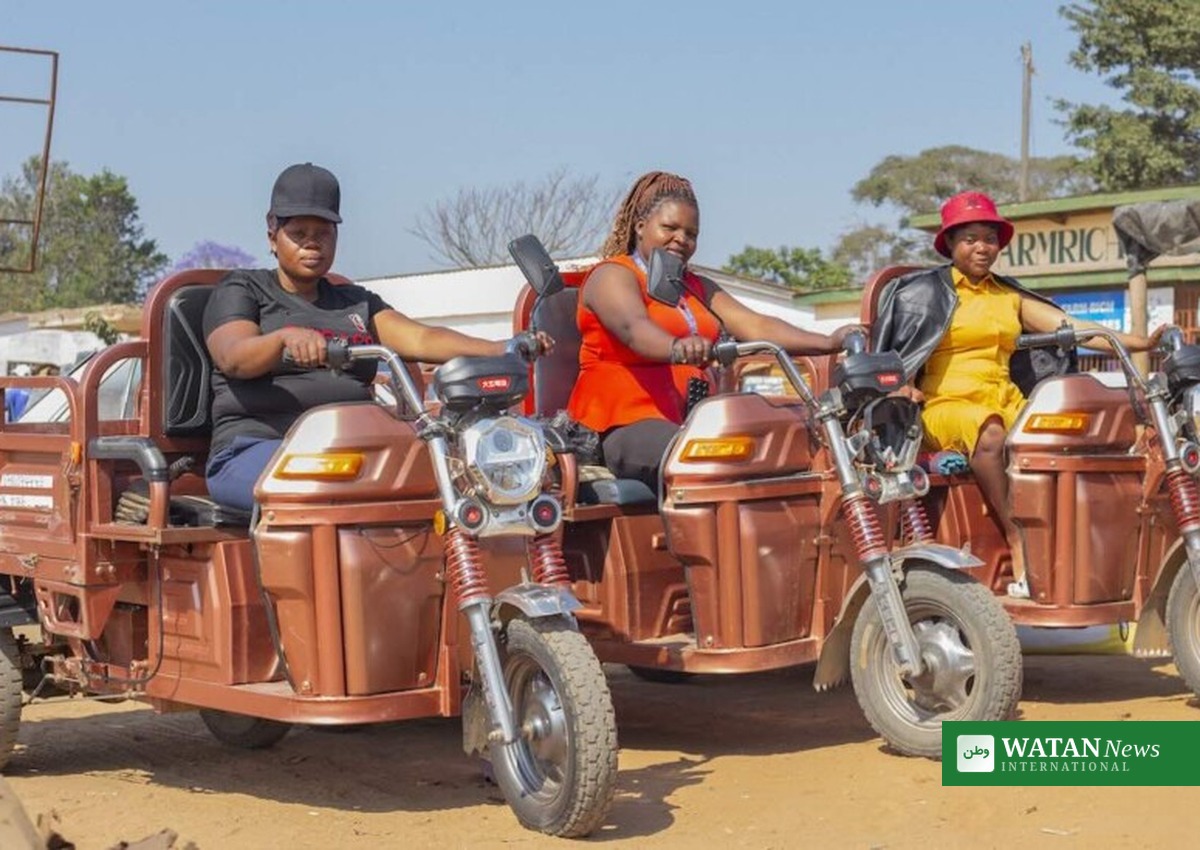
Two wheels too: Green Ride Africa
Electric mobility at COP31 is not only about cars. TAILG, an electric mobility brand attending its third consecutive UN climate conference, appeared at the China Pavilion, where Group President Michael Yao unveiled the TAILG Global Low-Carbon Action Handbook and highlighted Green Ride Africa, a project developed in cooperation with the United Nations Development Programme (UNDP).
The project aims to build a low-carbon mobility solution spanning products, energy, local manufacturing, battery recycling and skills development. To meet the demands of frequent, long-hour use in Africa, TAILG has developed the TK76 battery-swapping model and is exploring products such as solar-powered electric three-wheelers. The company is also working to advance the coordinated development of vehicles, energy services and battery recycling.
At COP29, TAILG shared results from electric mobility pilot projects conducted across multiple countries in cooperation with the UN Environment Programme. At COP30, it advanced a green and low-carbon assessment system for smart connected electric vehicles. Yao noted that the green and low-carbon transition in the Global South requires locally adapted technologies, standards, industrial capabilities and development opportunities to take root.
Why it matters: the numbers
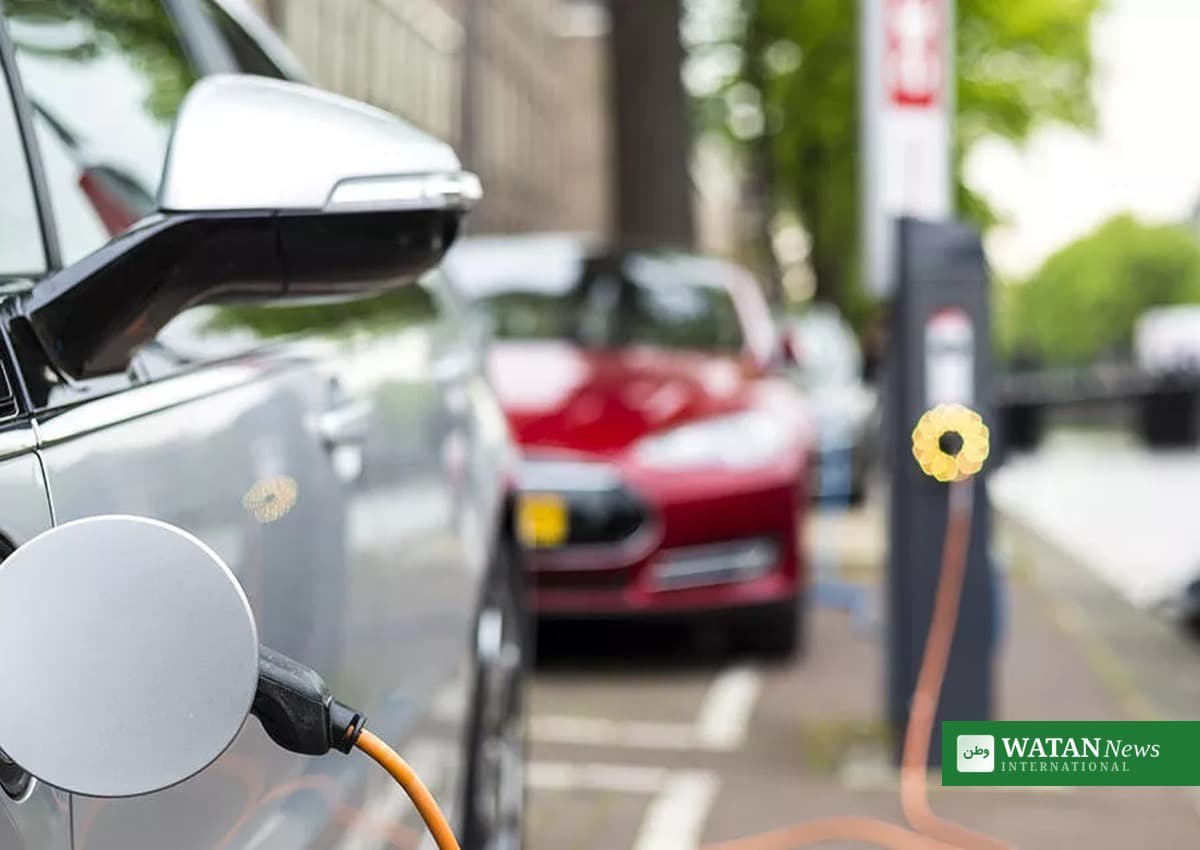
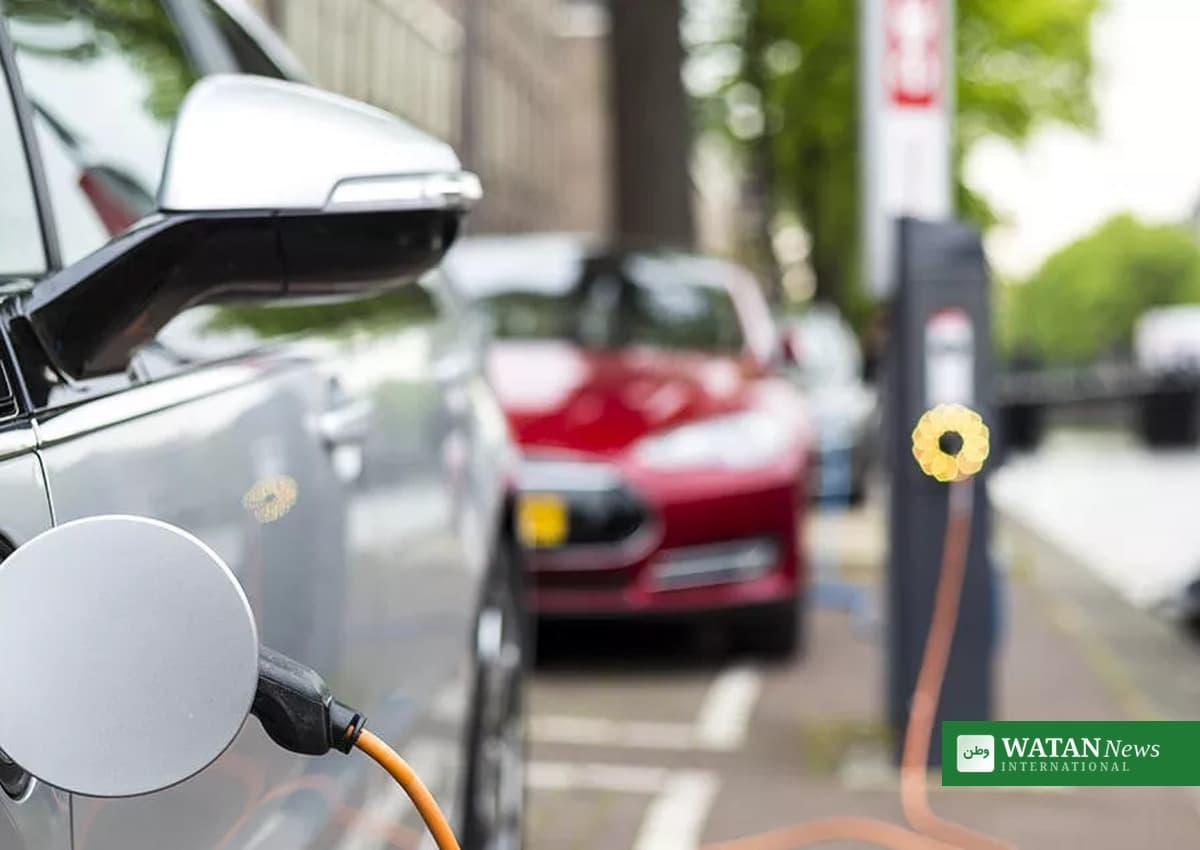
The push to clean up the vehicle value chain comes as electric cars move from niche to mainstream. According to the International Energy Agency’s Global EV Outlook 2026, electric car sales grew by 20% to exceed 20 million in 2025, meaning one in four new cars sold worldwide was electric. Sales are expected to reach 23 million in 2026, or 28% of all car sales, and the global fleet of electric vehicles is projected to grow more than sixfold by 2035, to as many as 510 million, not counting electric two- and three-wheelers. In 2025, the global fleet of electric vehicles avoided the consumption of around 1.7 million barrels of oil per day.
Yet road transport remains a major source of emissions. The IEA’s Breakthrough Agenda Report 2025 puts road sector emissions at just over 6 billion tonnes of CO2 in 2024, 8% higher than in 2015. Passenger cars and vans account for more than 60% of that total, followed by trucks at about one-third. As the electric fleet grows, making the vehicles themselves — their materials, factories and batteries — cleaner becomes as important as what comes out of the exhaust pipe, or rather what does not.
What to watch next at COP31
Transport stays on the COP31 agenda in the summit’s final week. On 18 November, the official Tourism Thematic Day brings governments, destinations and businesses together in Antalya to discuss low-carbon, zero-waste and climate-resilient tourism, marking five years since the Glasgow Declaration on Climate Action in Tourism. On 19 November, a session on CORSIA and national climate plans takes up aviation’s path to lower emissions.
The electric vehicle alliance follows other transport announcements at the summit, including a goal for electricity to meet 20% of international shipping’s energy demand by 2035 and warnings from Asia-Pacific airlines that sustainable aviation fuel remains too expensive and too scarce. Together, they show a summit trying to decarbonise every way the world moves — by road, by sea and by air.
Conclusion
The Electric Vehicle Sustainability Alliance will be judged not by its launch, but by whether its members turn shared ambition into measurable change across factories, supply chains and battery lifecycles. If it does, COP31 will have put the car industry’s own footprint — not just its exhaust pipes — on the climate agenda.