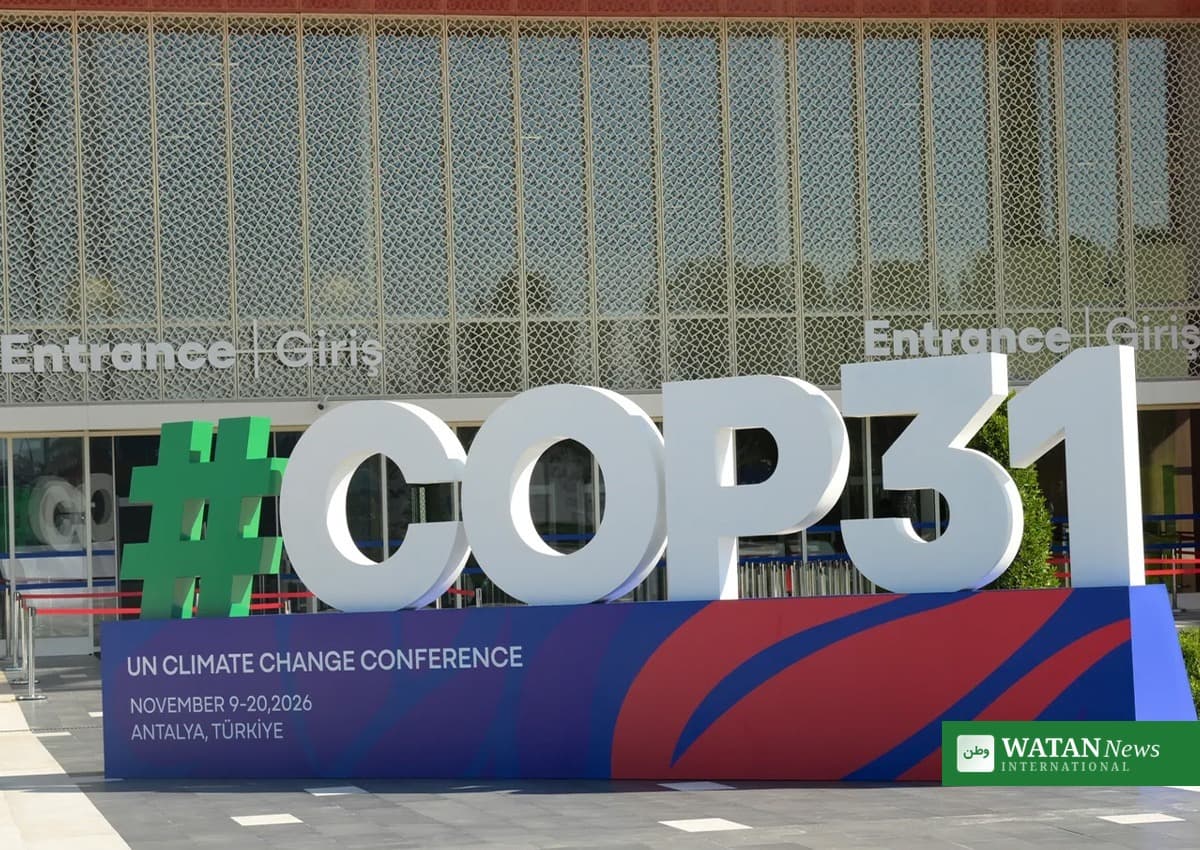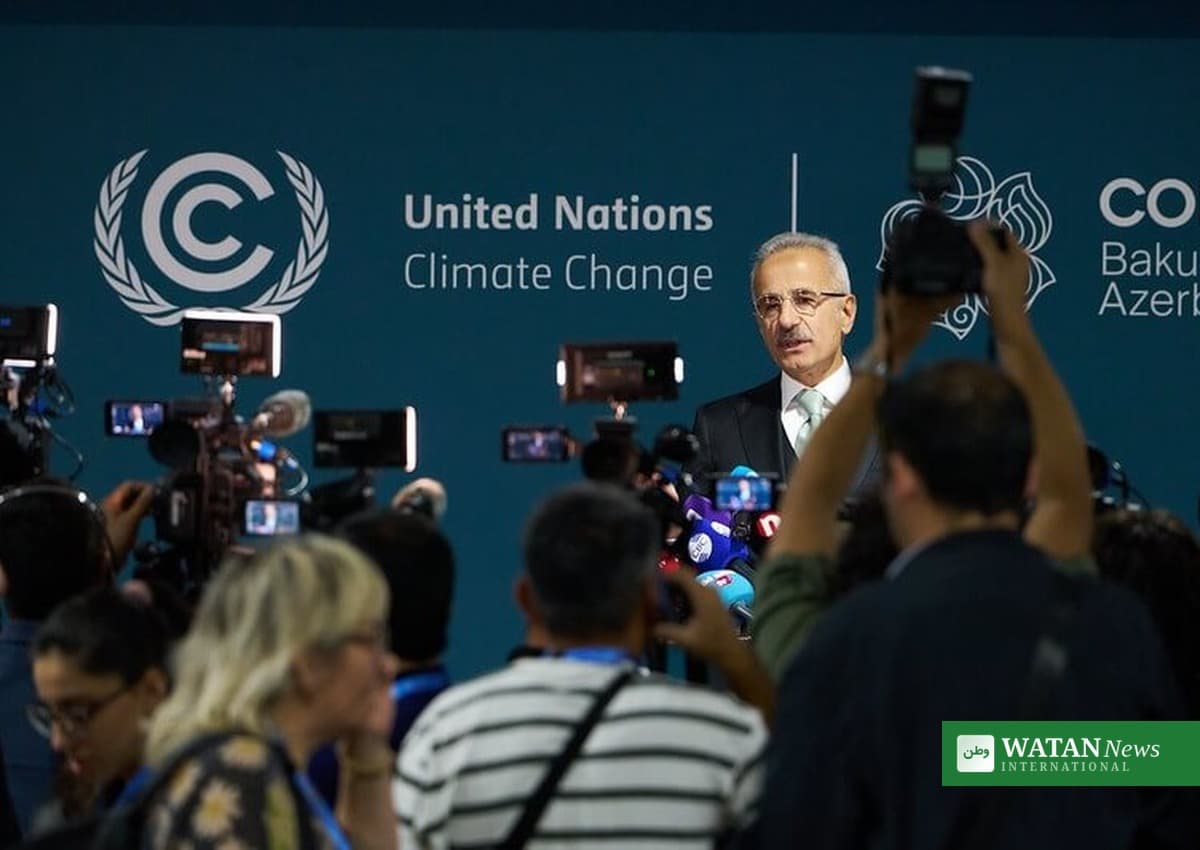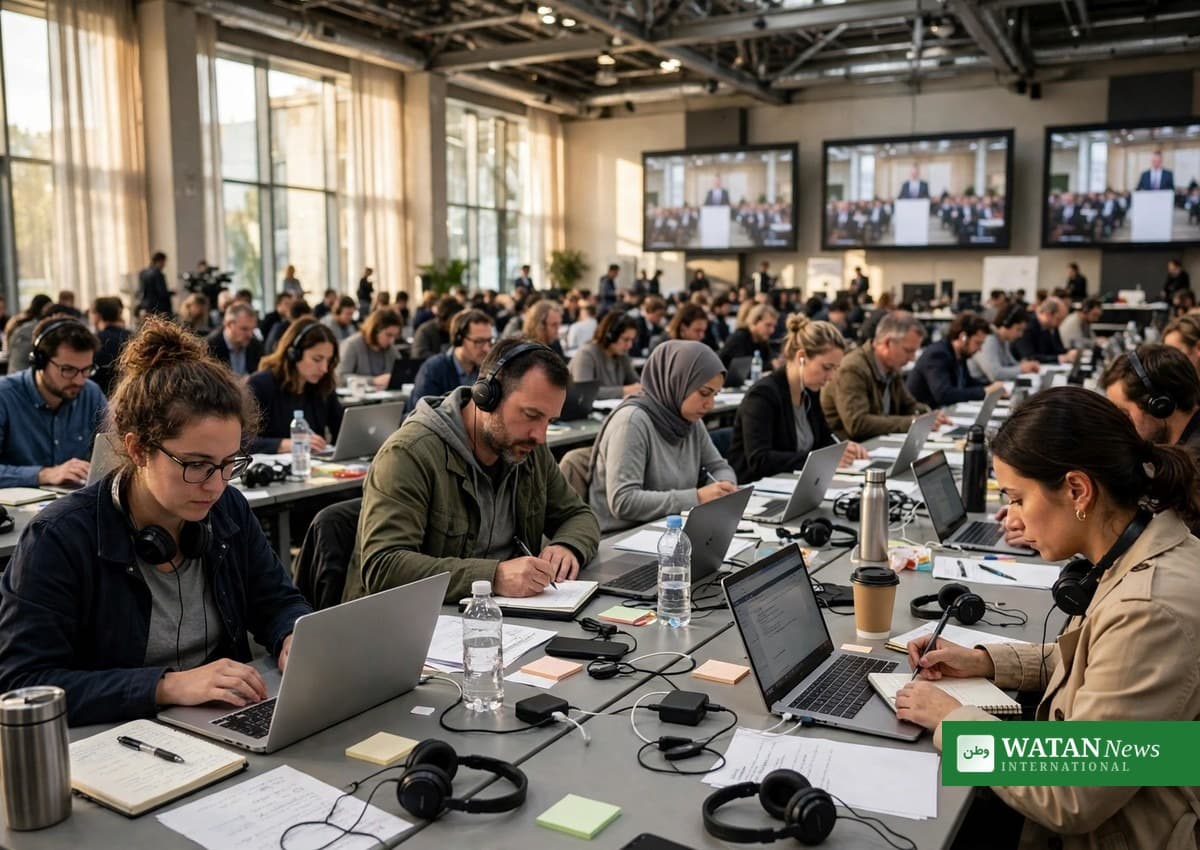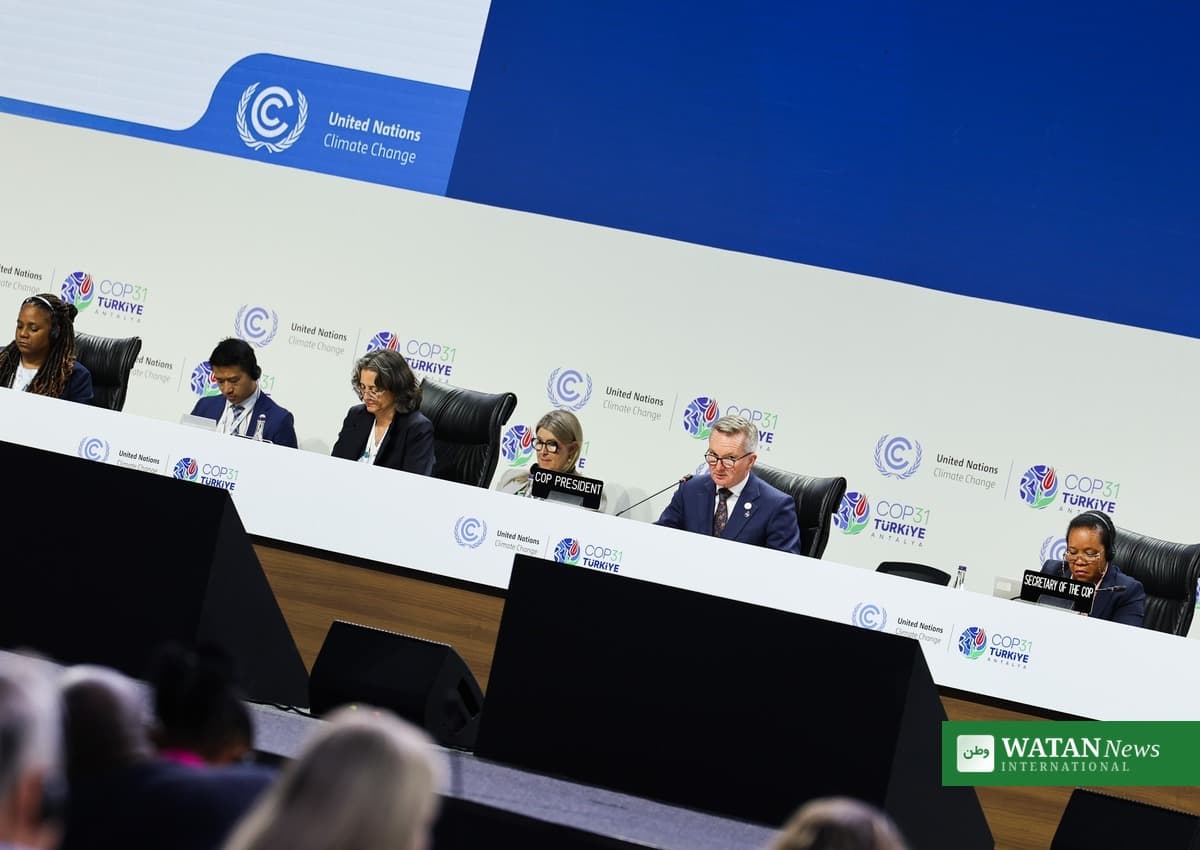
ANTALYA — COP31 entered its final week in Antalya on Monday, 16 November 2026, as ministers from nearly 200 countries arrived to take over the negotiations and turn a week of draft texts and divisions into a deal. With the conference due to close on Friday, 20 November, the talks now face their hardest test: whether governments can agree on a final cover decision at all, and whether the promises of the first week survive into binding language.
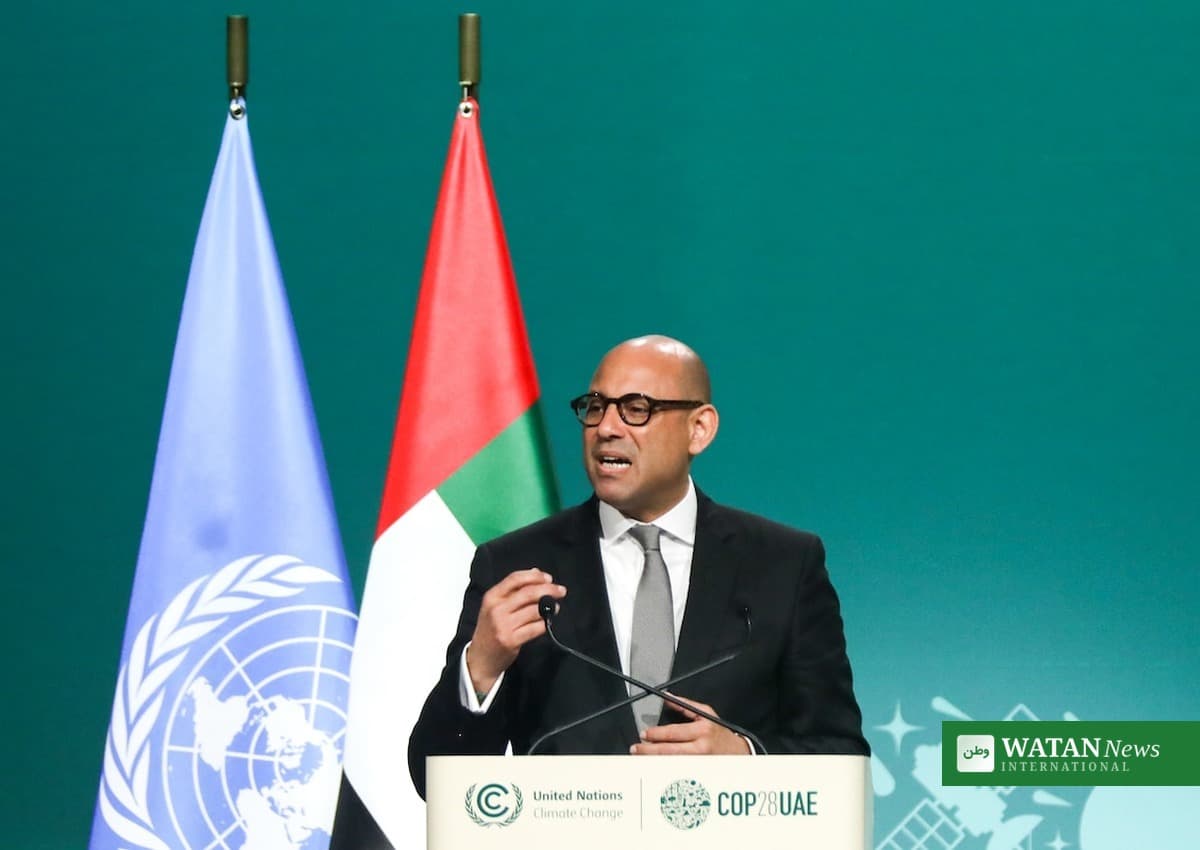
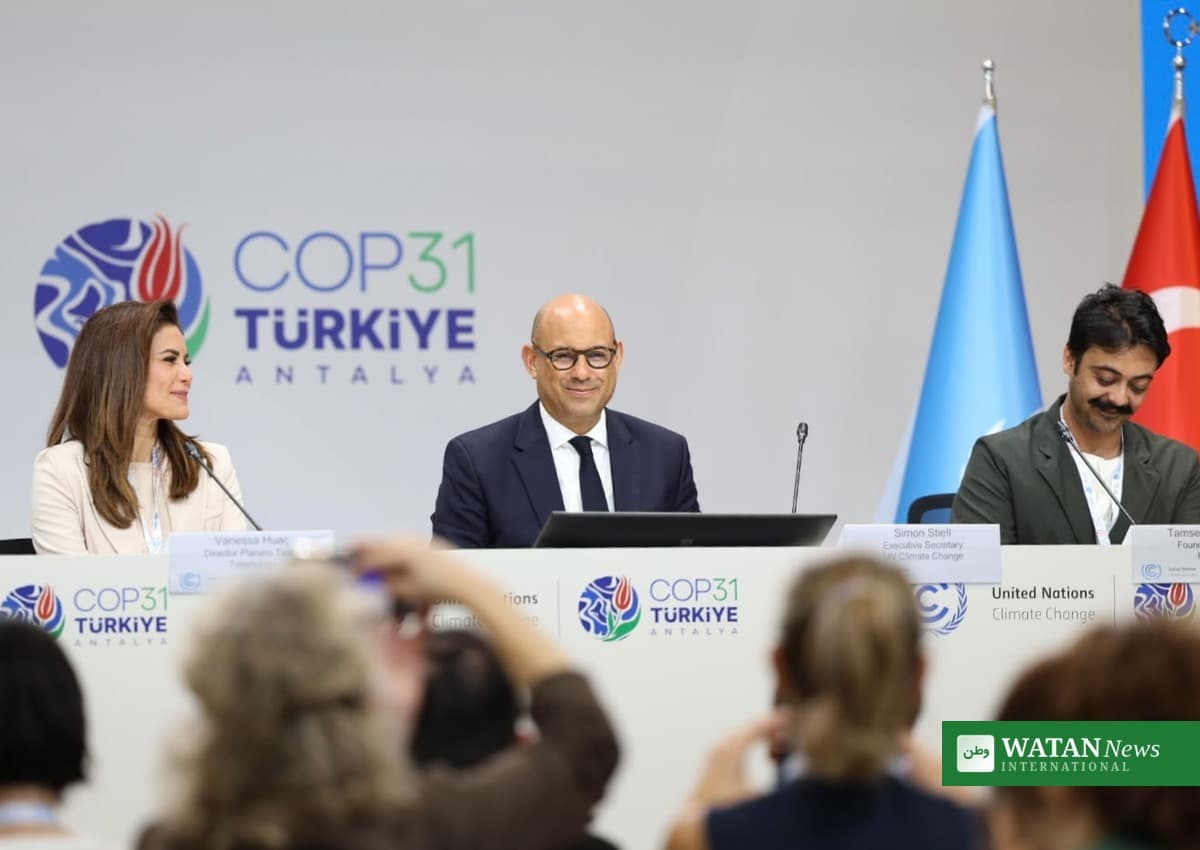
Negotiators received their first draft texts on a just transition mechanism and on adaptation finance late on Friday, setting the terms of the fight for the second week. The COP31 Presidency has also published a summary of the parties’ views on its proposed cover decision and expects to release an initial draft early this week. United Nations climate chief Simon Stiell urged delegates at the halfway point to “move swiftly to the hardest issues and to avoid tactical delays”, adding: “There is no collective success without compromise from every Party.”
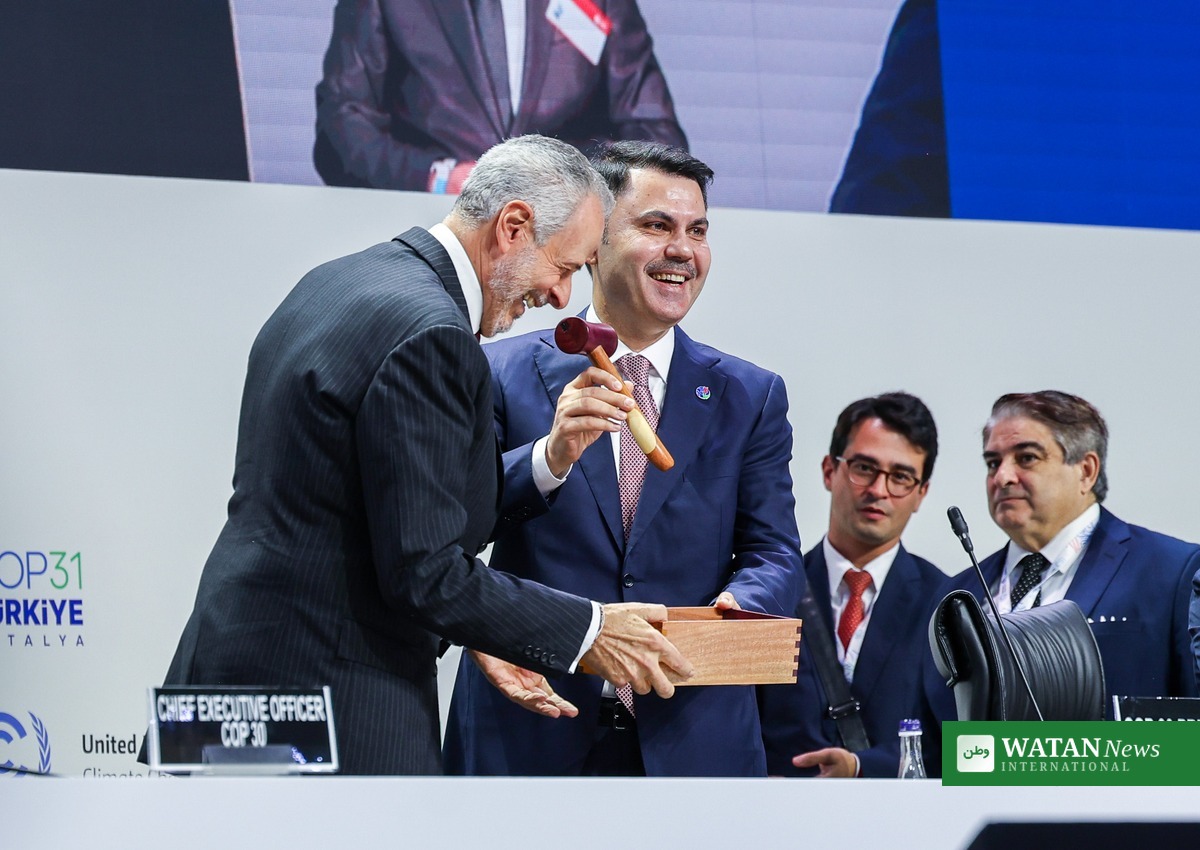
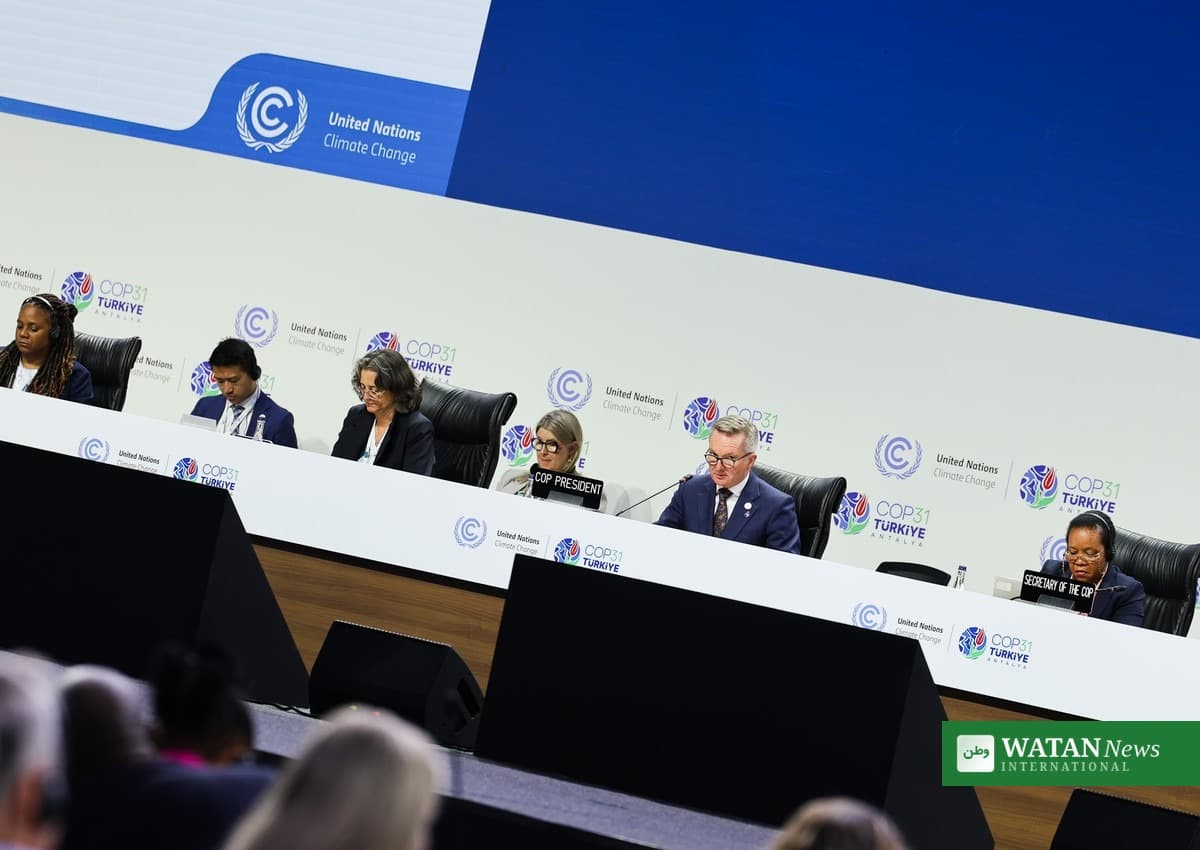
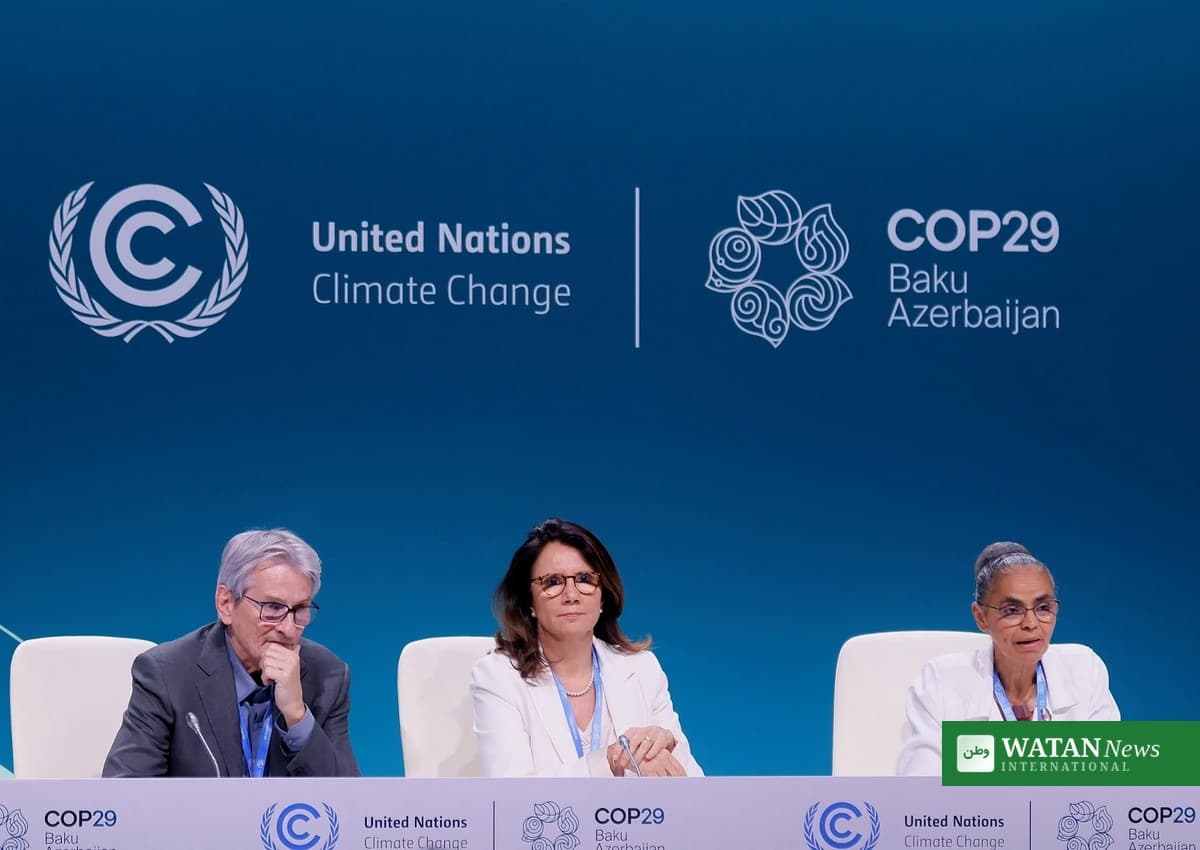
COP31 President Murat Kurum receives the gavel from COP30 President André Corrêa do Lago at the opening of the conference in Antalya. Photo: IISD/ENB – Mike Muzurakis
Draft texts set the terms of the fight
The just transition draft sets up a mechanism in two tiers, whose main outputs would be a knowledge hub, published reports, an annual meeting and help matching national requests with support that already exists. It creates no new funding of its own. Chris Bowen, Australia’s climate minister, who leads the formal negotiations while Türkiye holds the presidency, described the text as comprehensive.
Campaigners disagreed sharply. Amiera Sawas of the Fossil Fuel Treaty Initiative described it as a mechanism “in name only”, and the Climate Action Network said in its COP31 bulletin that the text “breaks the promise of Belem” and should be sent back for redrafting. The least developed countries want political guidance kept apart from practical delivery, while advocates argue that any mechanism should be led by governments and funded through grants, so it does not add to the debts of poorer nations.
A separate draft on the global goal on adaptation would triple finance for adaptation to at least $120 billion a year by 2035. A second option in the same text would instead open a review of the target’s baseline, size and scope, with findings reported to a later summit. African delegations are expected to resist that option, and the Climate Action Network urged negotiators not to delay the goal further.
The argument turns on the starting point. Rich nations promised at Glasgow to double adaptation finance to about $40 billion a year by 2025, and tripling that figure produces the $120-billion number. But the COP30 agreement in Belem set no baseline, and the United Nations Environment Programme estimates that developing countries need at least $305 billion a year. A statement by the president of the UN General Assembly put current adaptation funding for developing countries at only $26 billion a year.
African negotiators also failed to secure a standalone agenda item on tripling adaptation finance. Dr Antwi Amoah of Ghana, who chairs the African Group of Negotiators, confirmed that the proposal was not adopted, with developed countries preferring to handle the question through a broader climate finance work programme. The presidency has said the subject can still be raised under other agenda items, so the issue is not closed, but it has no dedicated slot. Watan News reported on Africa’s push to triple adaptation finance and the draft that offered a review instead of a pledge.
Disagreement over that wider finance programme has itself stalled substantive discussion. Two rounds of talks have taken place under the Climate Finance Work Programme on Article 9.1 of the Paris Agreement, which sets out the duty of developed countries to provide finance to developing nations, yet the programme’s scope, rules and duration remain unsettled. A 104-paragraph draft circulated on 14 November points to a second and final year in 2027. The Group of 77 and China, speaking for 134 developing countries, called for agreement on scope and working methods before substantive talks began, while the European Union, Britain, Canada, Norway and Switzerland argue that the arrangements were already settled in the Belem decision.
The cover decision: the week’s biggest question
The Presidency has published a summary of the parties’ views on the Presidency-initiated decision. The summary reflects discussions to date and is intended to guide further engagement; it is not a negotiating text. The Presidency expects to release an initial draft early this week to support the next phase of discussions.
According to the Financial Times, Australia, which is overseeing the negotiations, is promising a first draft of a potential agreement early this week, with ministerial consultations expected to follow soon after. Several negotiators say they expect the document as early as Monday, but officials describe a process that is still deeply contested.
The sharpest disagreement centres on whether a final accord, known as a cover text, should proceed at all. Australia and the Turkish hosts are trying to persuade countries including India and Saudi Arabia to support the need for a cover text, while some European negotiators signal they may withhold backing if the language is too watered down. Officials involved in the talks say the outcome is likely to be decided at the last minute.
The summary of options includes advancing the transition away from fossil fuels, as well as methane, electrification, loss and damage and Brazil’s roadmaps on the fossil-fuel transition and deforestation. Campaigners have dismissed the document as a wishlist, and none of its contents are agreed. Several large developing countries have objected throughout the week to a cover decision and to sector targets.
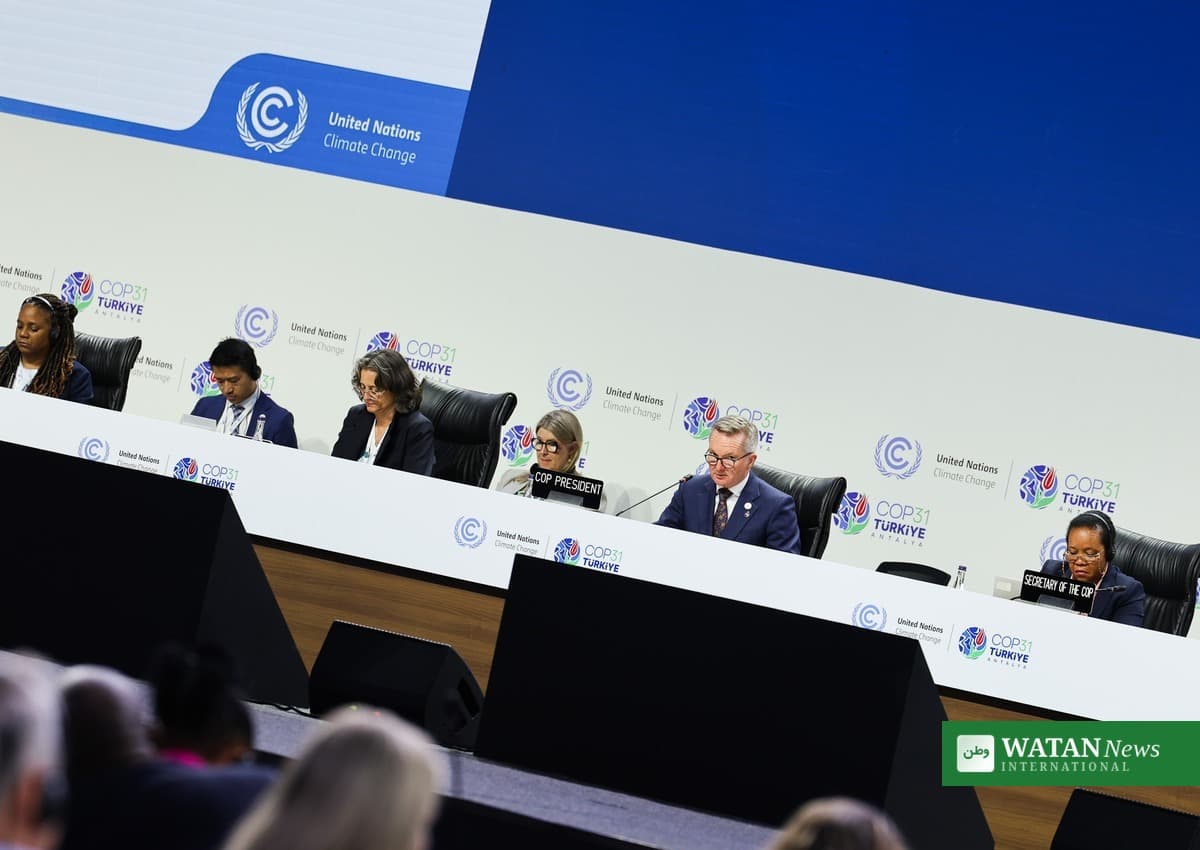
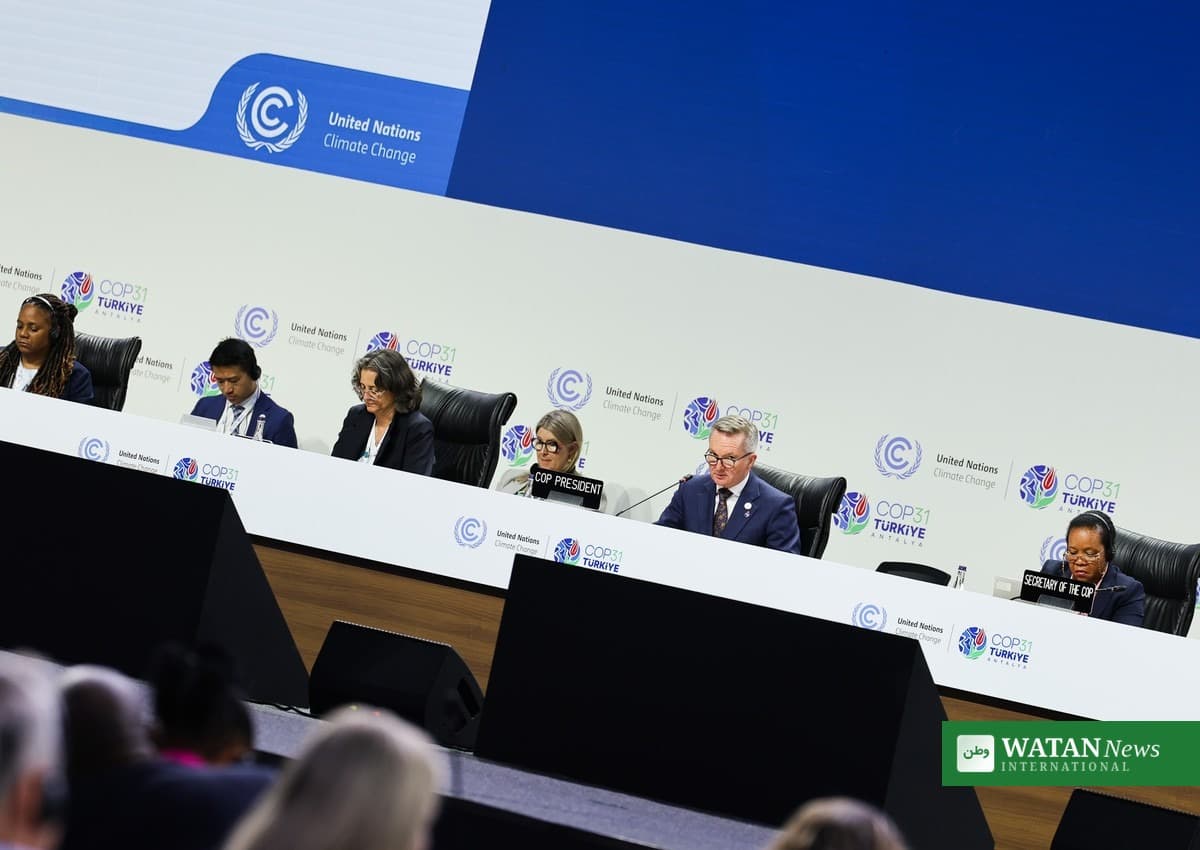
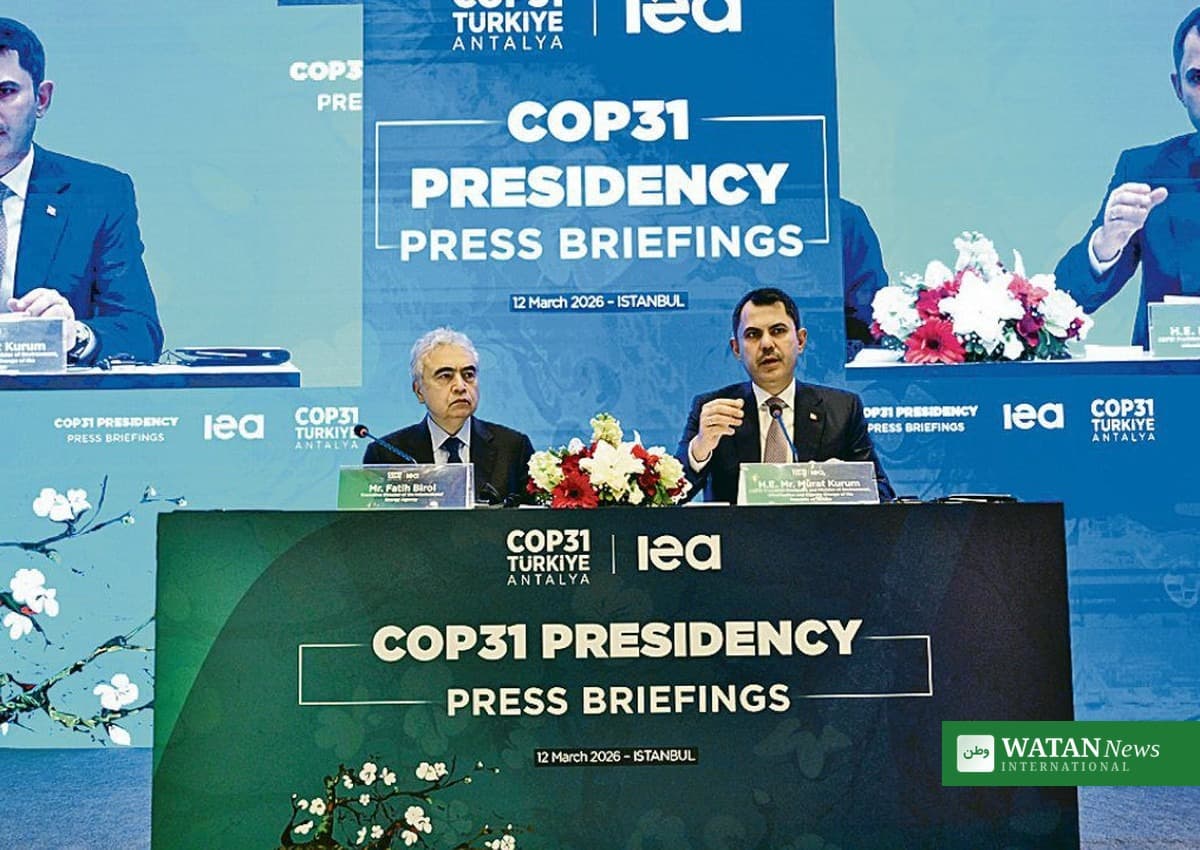
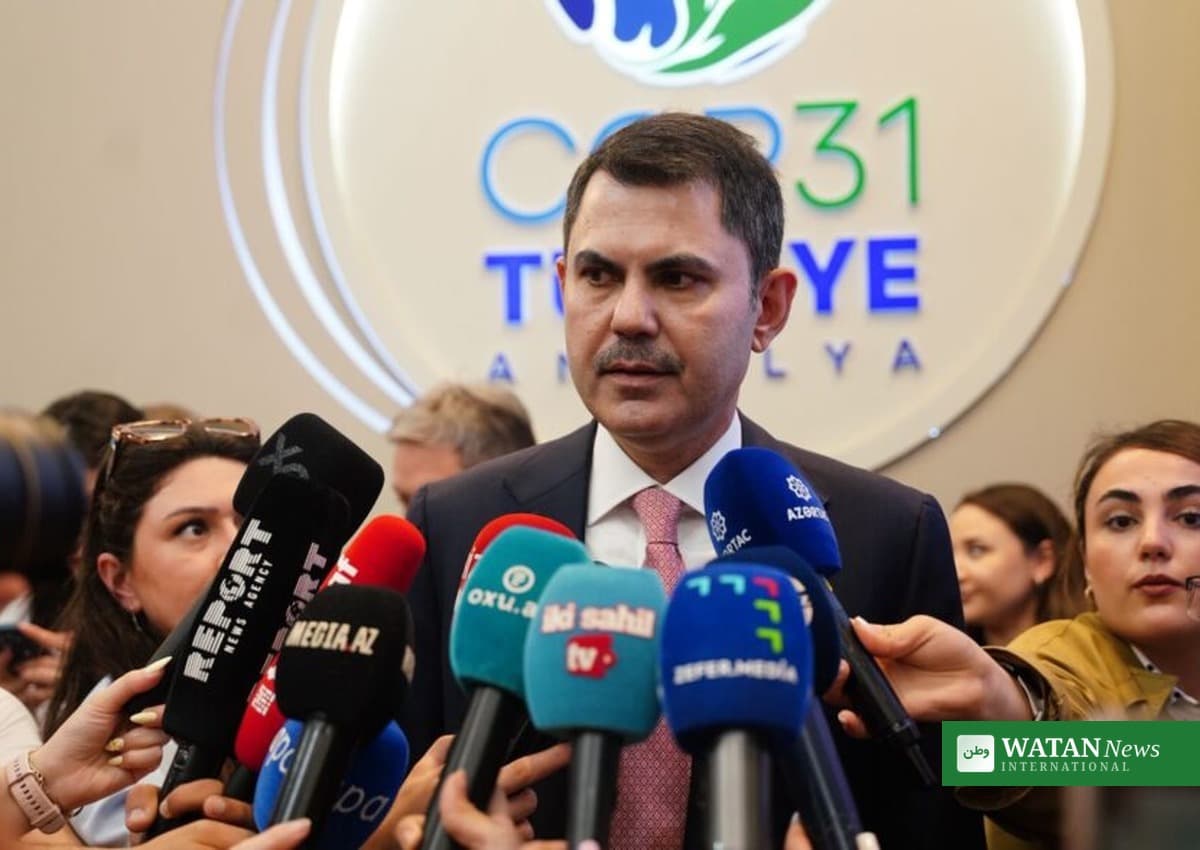
COP31 President Murat Kurum said: “We will intensify our ministerial-level consultations and work hard to translate the issues under consideration by countries into common decisions.” Bowen added that “discussions this week will help shape the draft text this coming week” and that the process is “open, inclusive and Party-led”.
Electrification: the consensus candidate
With fossil fuels proving especially divisive, Türkiye is pushing electrification as a more attainable focus for consensus. The proposal, known as “35 by 35”, calls for electricity’s share of global final energy consumption to rise from about 23% today to 35% by 2035. COP31 President Murat Kurum said on Saturday that more than 30 countries, including the UK, Germany and Finland, have backed it so far.
The pledge has also drawn business support: 180 companies with combined annual revenue of $1.69 trillion back electrification, and the International Chamber of Commerce, which represents 45 million companies, backs the 35-by-35 Global Electrification Pledge. A utilities alliance has raised its combined investment plans to at least $156 billion a year, meaning its members will mobilise more than $1 trillion in the energy transition by 2030.
Delegations remain split, however, over whether the pledge should be written into the final negotiated agreement, a step that would give it greater political weight. EU climate commissioner Wopke Hoekstra, who is among those arriving on Monday, says he is prepared to drop the European preference for a clean electrification target if that helps broaden support. Bowen has signalled that the negotiated agreement is unlikely to repeat the pledge’s wording directly. The Climate Action Network, meanwhile, pressed for wind and solar to supply at least 75% of the world’s electricity by 2035, treating the presidency’s electrification goal as a floor rather than a ceiling.
Fossil fuels and trade still divide
Countries that rely heavily on fossil fuels continue to resist language on moving away from coal, oil and gas. During the summit’s first week, discussion of fossil fuel phase-out shifted instead to the voluntary action agenda on the sidelines, where ministers from several countries, including at least two European nations, are expected to unveil new transition roadmaps this week.
Brazil, which hosted COP30, wants its voluntary roadmap for moving away from fossil fuels reflected in the outcome, and the draft includes a proposal to welcome that roadmap. The Arab Group opposed references to the roadmaps at the opening of the summit.
Europe is also facing renewed pressure over its carbon border adjustment mechanism, which applies carbon pricing to some imports into the EU. India, China, Indonesia and other major exporters argue the measure harms their economies, while French environment ministry officials describe the objections as a tactical effort to extract more adaptation finance.
Science is also on the agenda this week. Professor Johan Rockström presented research on overshooting the Paris Agreement’s temperature limits on Monday, and Bowen said: “Science must remain front and centre across the COP31 negotiations.”
What to watch this week
The High-Level Segment opens on Tuesday, 17 November, with ministerial consultations taking over the most divisive questions in the final days before the summit closes on Friday. Nearly 200 countries are working through more than 100 agenda items and around 60 significant mandates, with adaptation, finance, just transition, mitigation, science, transparency and implementation among the central issues.
Outside the conference centre, thousands of people marched through Antalya in the rain on Saturday to demand climate justice, as the summit reached its halfway point. Police put the crowd at more than 7,000, while organisers put it at more than 10,000. The United States, meanwhile, has skipped the talks for a second year, although a 19-member group of Democratic members of Congress is attending.
Monday is also Science, Industry and Technology Day at COP31, with the Presidency launching a package of measures on responsible artificial intelligence and green industrialisation. Watan News reported on how the first week closed with momentum for concrete action, and on the first-week outcomes the Presidency says it will now try to turn into lasting decisions.
Whether the $120-billion adaptation figure survives, whether the fossil-fuel language holds and whether the just transition mechanism gains funding of its own will show how much of week one survives into the final text.
Key facts
- Conference: COP31, Antalya, Türkiye, 9–20 November 2026; final week from Monday, 16 November; closes Friday, 20 November.
- Scale: Nearly 200 countries; more than 100 agenda items and around 60 significant mandates under negotiation; more than 100,000 participants registered.
- Adaptation finance draft: Triple to at least $120 billion a year by 2035, or open a review instead; developing countries need at least $305 billion a year (UNEP); current funding only $26 billion a year.
- Electrification pledge: Electricity’s share of global final energy from about 23% today to 35% by 2035; backed by more than 30 countries so far.
- Cover decision: Presidency summary of views published; initial draft expected early this week; whether a cover decision is needed at all is still disputed.