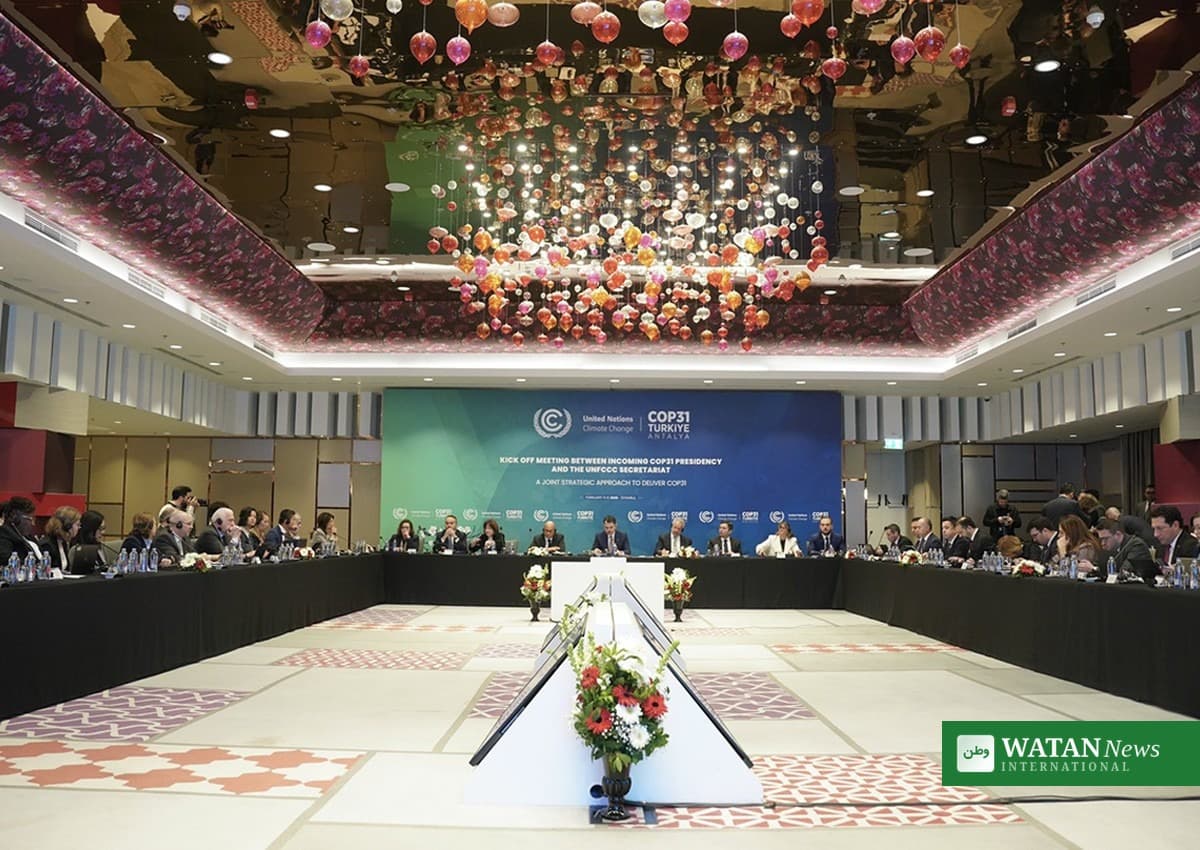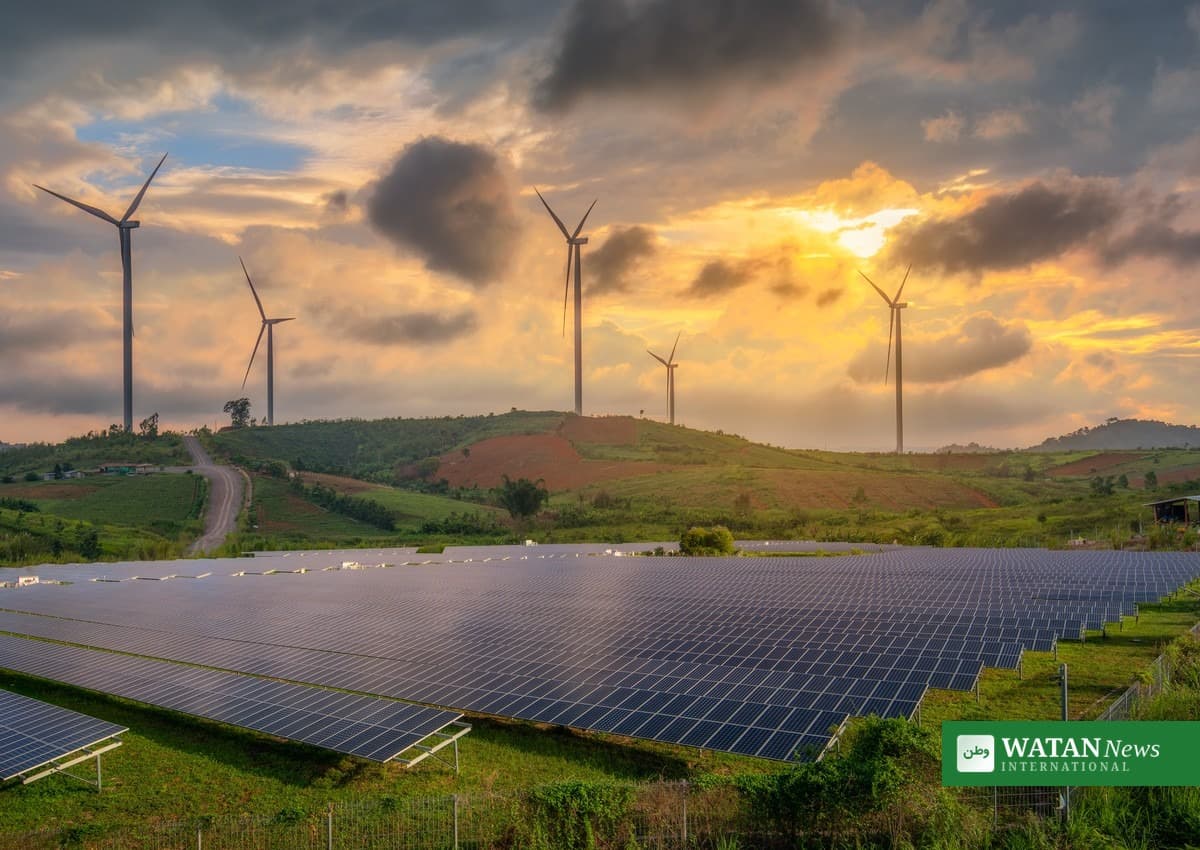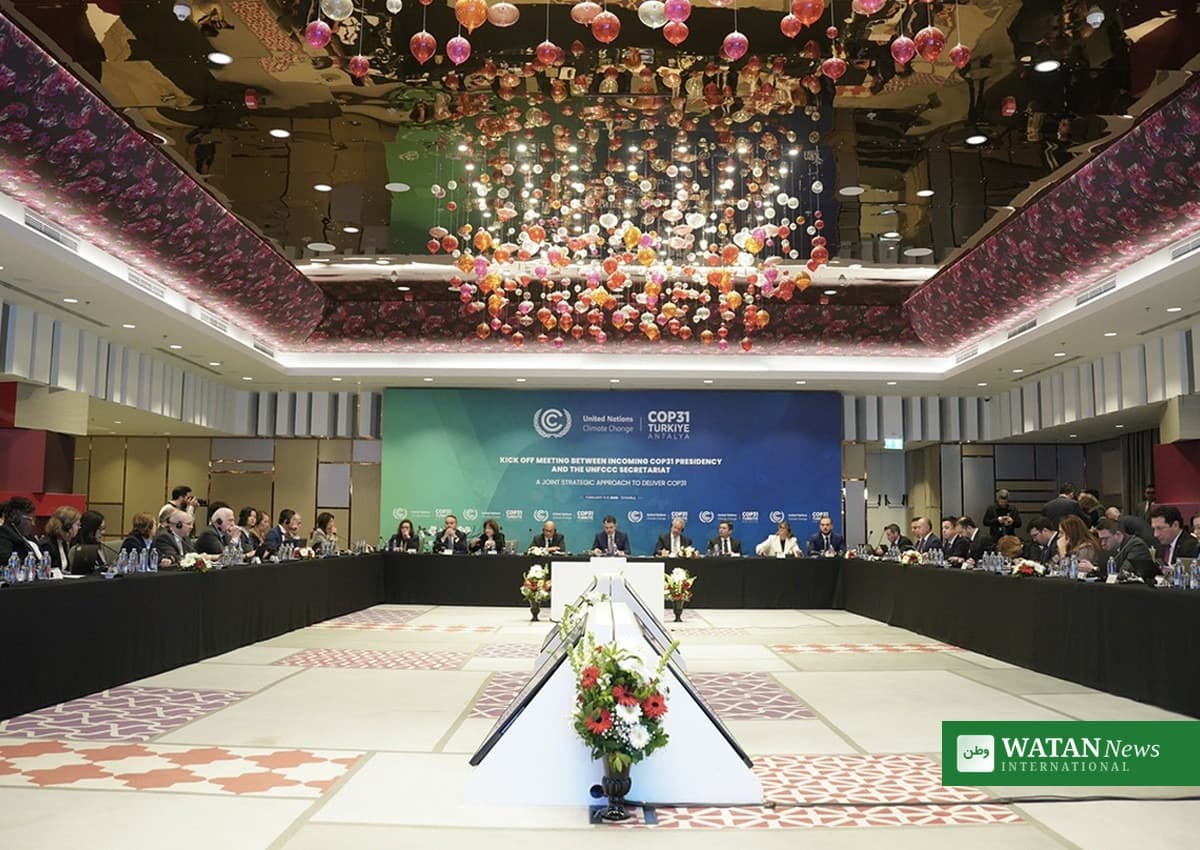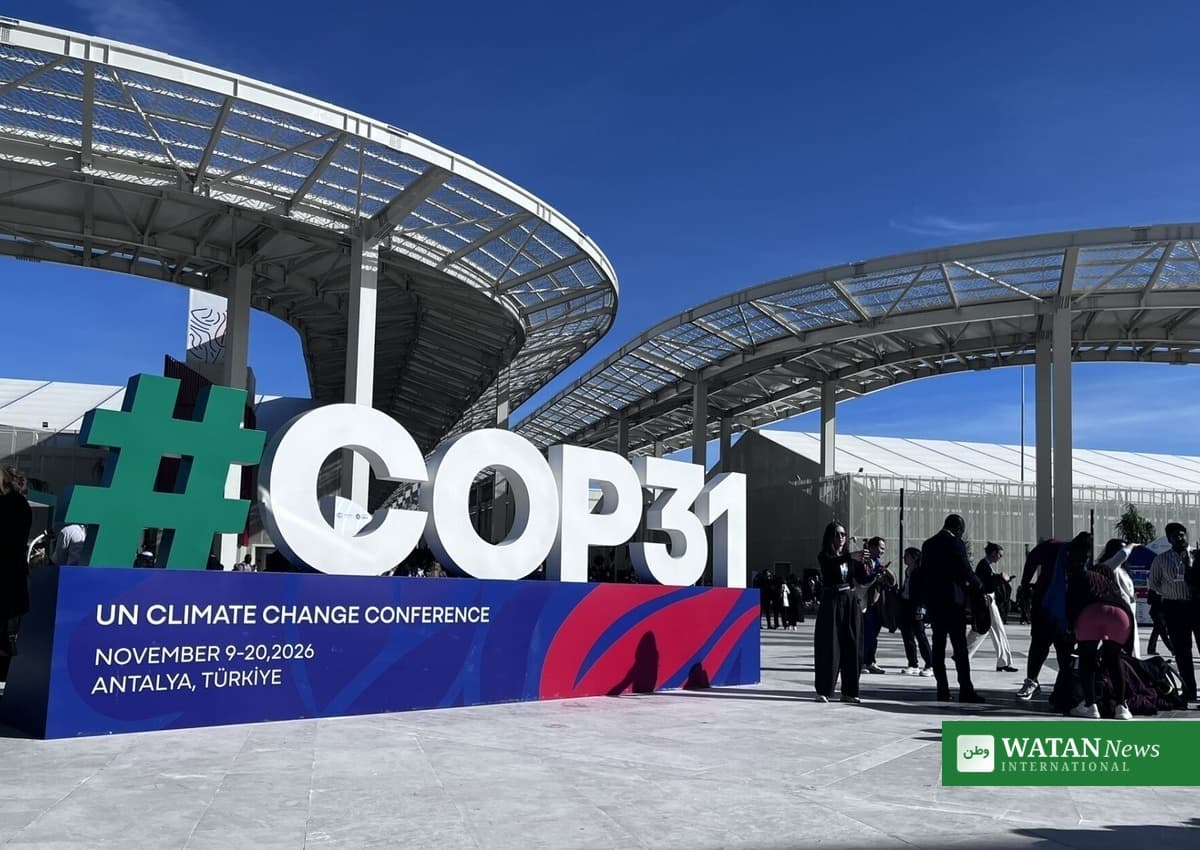
Antalya, Türkiye — The United Kingdom and Brazil have jointly reported the first year of practical delivery under the Global Clean Power Alliance Finance Mission at COP31 in Antalya, showing how a partnership launched to mobilise clean-energy investment is now turning plans into projects in Brazil, the Caribbean and East Africa.
The update, published on 10 November 2026, marks a shift for the mission: one year after the first country action plans were published at COP30, the Finance Mission says it is moving from partnership-building into implementation, with support designed around what partner governments themselves have asked for.
From plans to projects: the first wave of delivery
The Finance Mission works with the World Bank Group and the Green Finance Institute as its strategic delivery partners. Its first wave of delivery covers three regions:
- Brazil: the first call for proposals under a new Project Preparation Facility, linked to Brazil’s Investment Platform, to turn green-industry and energy-transition opportunities into investment-ready projects and mobilise private capital.
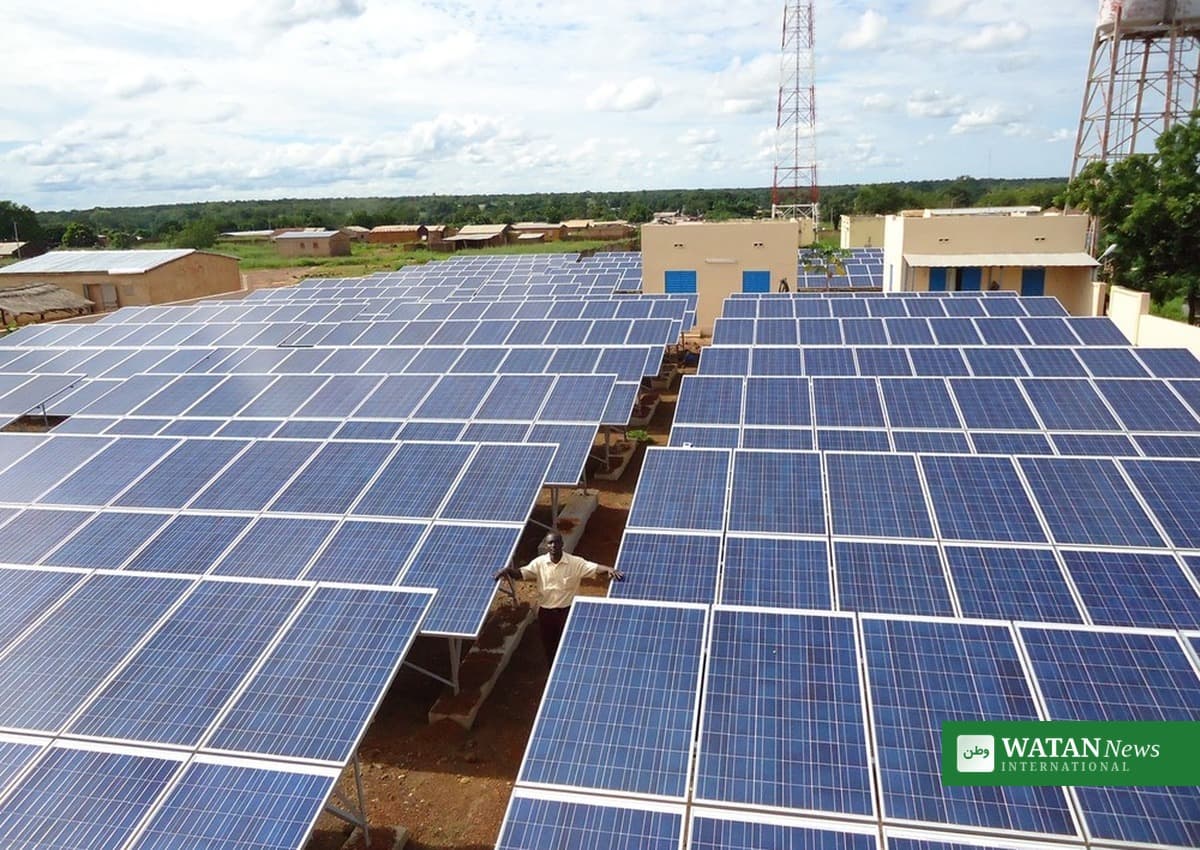
- Eastern Caribbean: up to £8.7 million to support Caribbean partners in building cleaner and more resilient energy systems, delivered through the World Bank Group-led Resilient Renewable Energy Infrastructure Investment Facility and expanded to additional countries.
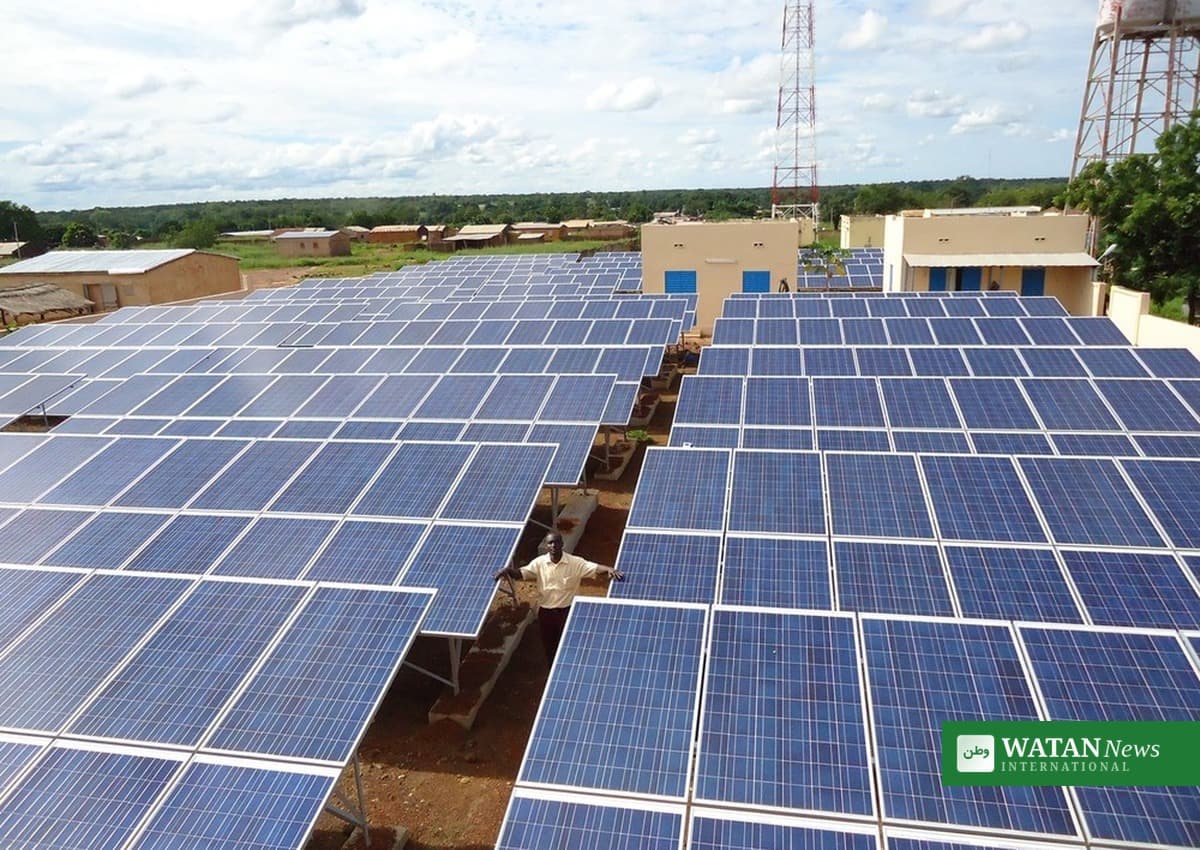
- East Africa: US$4 million of new United Kingdom support through the World Bank’s Energy Sector Management Assistance Program (ESMAP) to strengthen the East Africa Power Pool under the programme RETRADE–East Africa, building the regulatory foundations for more cross-border electricity trade and investment in regional transmission. In Tanzania, a further US$2 million ESMAP programme is helping turn private participation in power generation and transmission from ambition into practice, supporting Tanzania’s National Energy Compact.
According to the update, the support is demand-led: it is designed with partner governments to tackle the specific barriers that hold back private investment in clean power, from project preparation to regulation and grid infrastructure.
Two new members: ASEAN and Ethiopia
The mission is also growing. The Association of Southeast Asian Nations (ASEAN) Centre for Energy has joined as the mission’s first member in Asia, building on work set out in June 2026 to integrate the Energy Transition Council into the Finance Mission and expand its reach into Asia.
Ethiopia has joined as well — as the incoming COP Presidency and host of COP32. Action plans for both new members are to be published this week, setting out the priority areas where the Finance Mission will work with each to unlock private finance for their clean-energy goals. For Ethiopia, the mission will support electricity-system planning, a prioritised transmission and investment pipeline, and improving selected projects’ readiness to attract private finance.
Why the mission matters
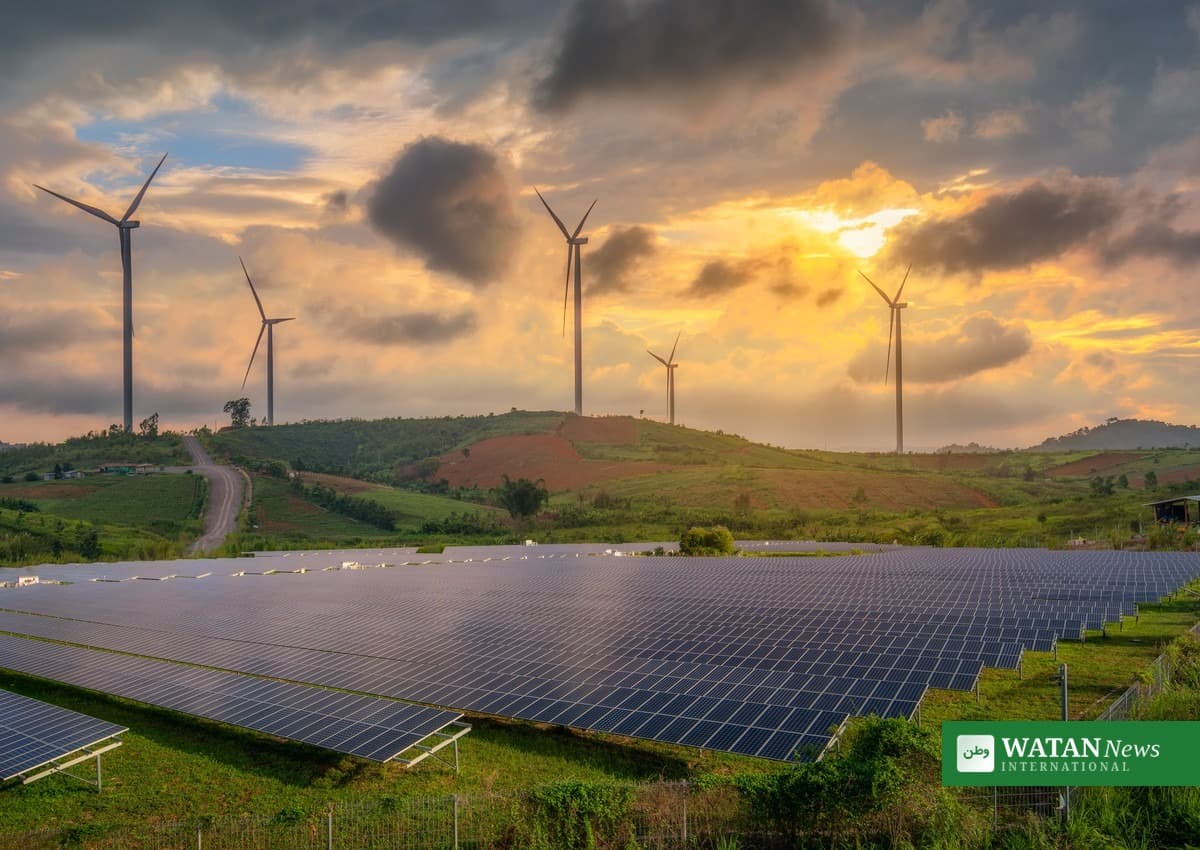
The Global Clean Power Alliance Finance Mission was launched at the G20 summit in November 2024 by Prime Minister Keir Starmer and President Luiz Inácio Lula da Silva of Brazil. Its purpose is to scale clean-energy investment in emerging markets and developing economies, in line with the goals agreed in the first Global Stocktake: tripling renewable energy capacity and doubling energy efficiency globally by 2030.
The timing fits COP31’s theme. The conference in Antalya is presented by its presidency as a COP of implementation, and electrification is one of its major themes — with the presidency pressing for electricity to reach 35 per cent of global final energy use by 2035, up from around a fifth today. The case for faster action is underlined by the United Nations Environment Programme’s 2026 Emissions Gap Report, which projects warming of around 2.6°C this century even if countries fully implement their current climate pledges.
Cities are part of the same implementation push: 69 cities set out their own climate action plans for 2027 as COP31 opened, showing how national finance missions and local delivery are meant to reinforce each other.
FAKTA
- What: the Global Clean Power Alliance Finance Mission, co-led by the United Kingdom and Brazil, reports its first year of delivery at COP31 on 10 November 2026.
- First delivery: Brazil’s Project Preparation Facility; up to £8.7 million for the Eastern Caribbean; US$4 million for the East Africa Power Pool and US$2 million for Tanzania.
- New members: the ASEAN Centre for Energy (first member in Asia) and Ethiopia (incoming COP32 Presidency and host).
- Goal: to scale private investment in clean energy in emerging markets and developing economies, supporting the Global Stocktake aims of tripling renewable capacity and doubling efficiency by 2030.
- Next: a grid development and clean electrification event at the UK Pavilion on 11 November; action plans for ASEAN and Ethiopia this week.
What happens next
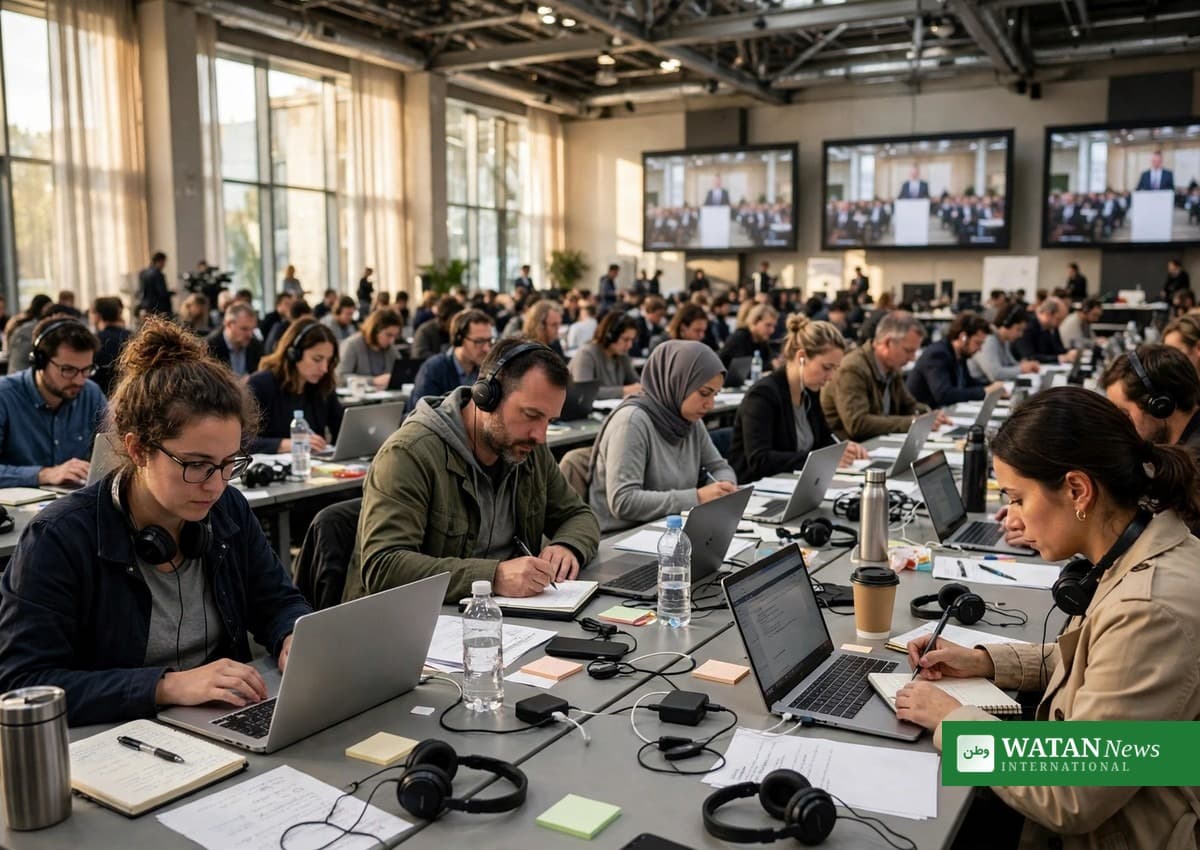
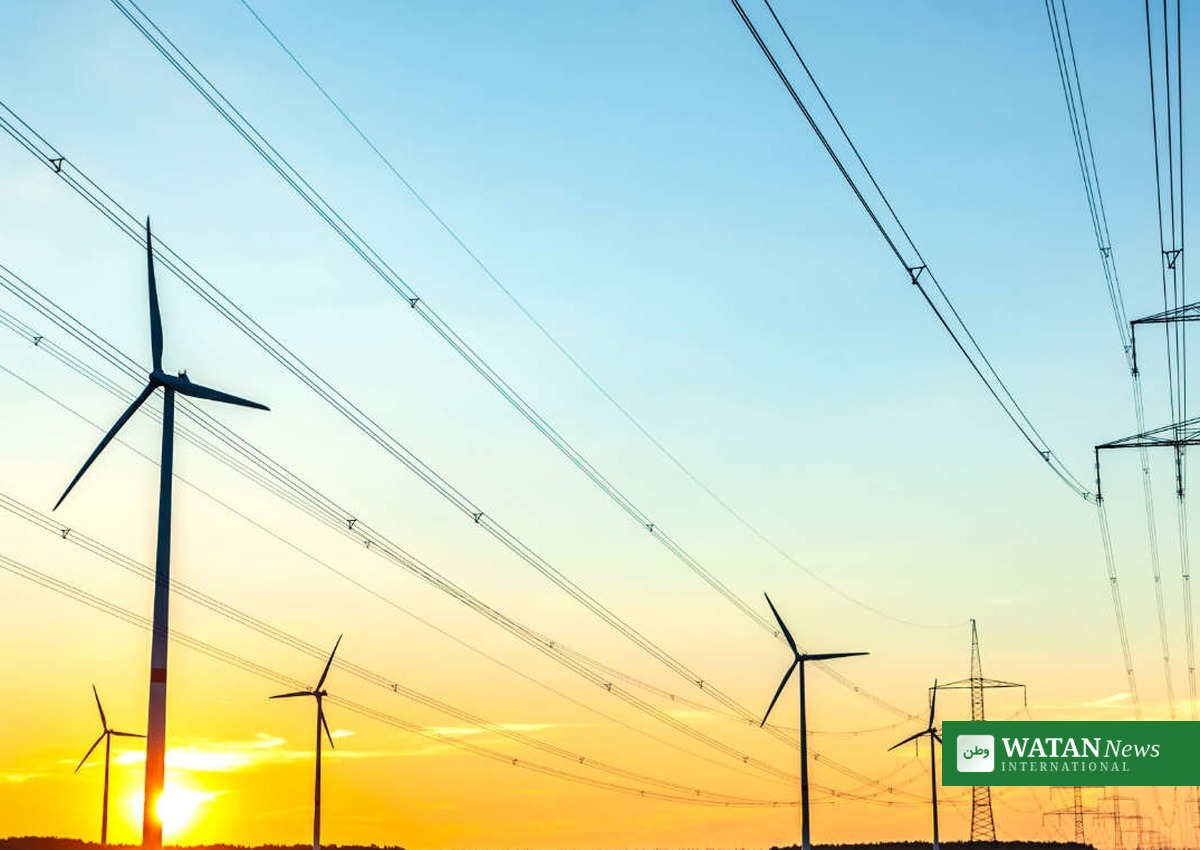
On 10 November the Finance Mission hosted an event at the UK Pavilion in Antalya, bringing together partner governments, investors, multilateral development banks and delivery partners to discuss how the mission is mobilising support for clean energy and electrification, especially for electricity grids. A related event on grid development and clean electrification follows at the UK Pavilion on 11 November, where the ASEAN Centre for Energy partnership will be in focus.
The mission’s work is set to continue into 2027 and towards COP32 in Ethiopia, with the lessons from the first year of delivery shaping how it presses on. For the developing countries at the centre of the mission, the test will be whether the pipelines of investment-ready projects now being prepared turn into power plants, grids and lower energy bills on the ground.
Read more about the conference’s second day in Antalya: COP31 day two: energy and transport take centre stage.