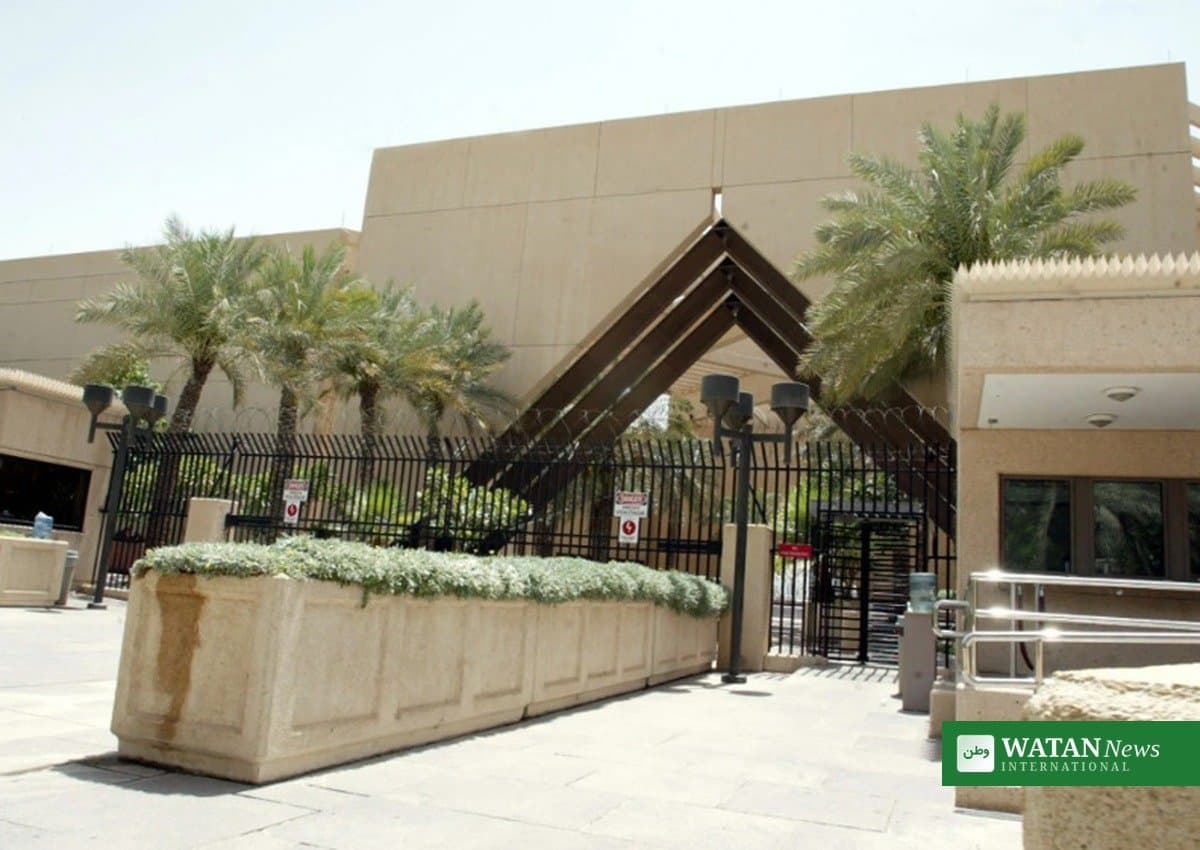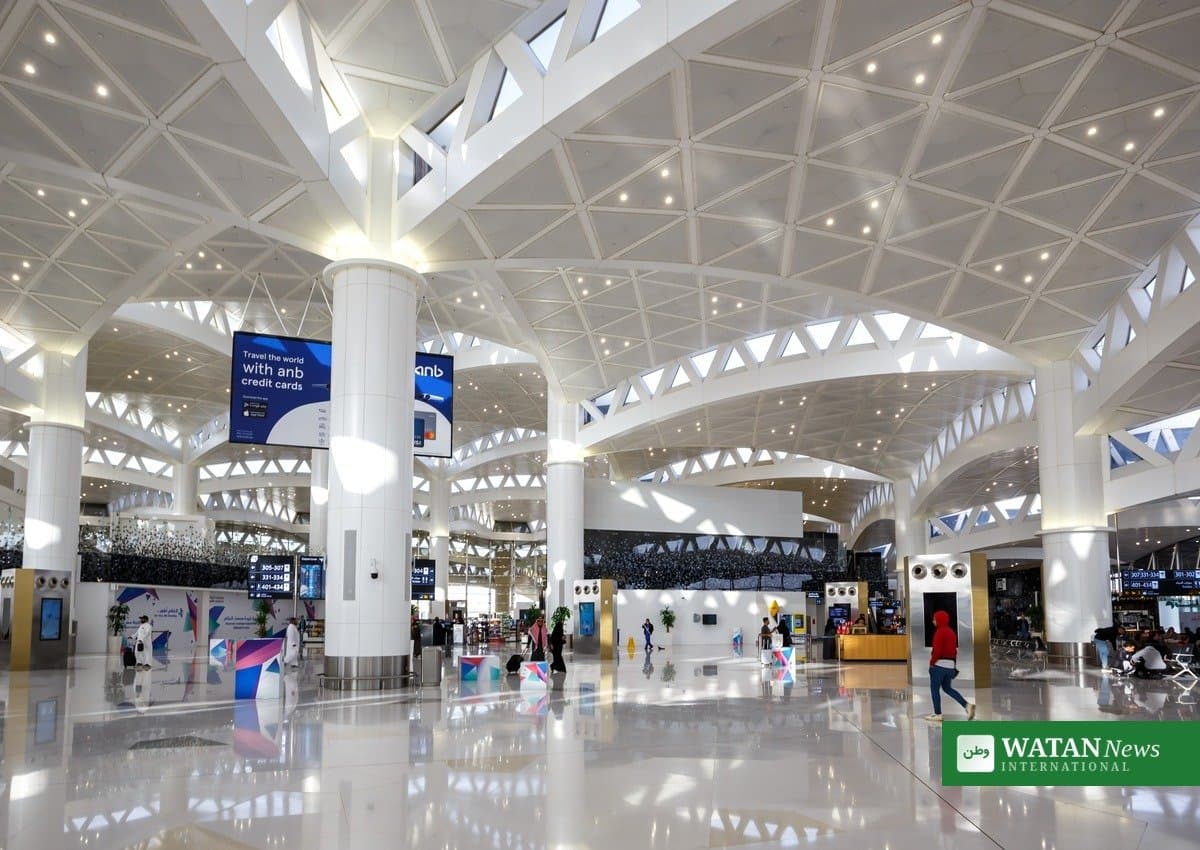
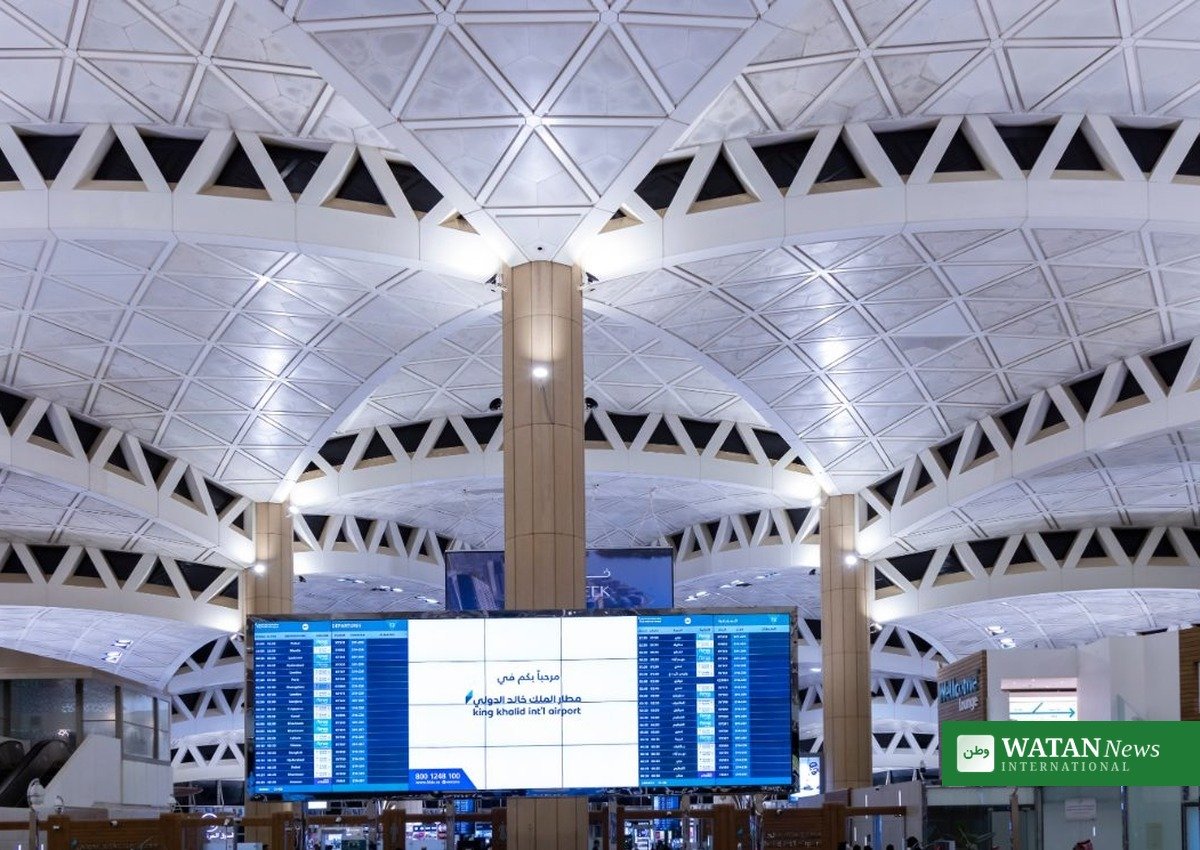
Yemen’s Iran-aligned Houthis on Sunday renewed their warning against using Riyadh’s King Khalid International Airport, hours after the airport announced it would restart limited flights on Sunday following a suspension earlier this month.
Houthi military spokesperson Yahya Saree said the airport remained a “military target” and that operations targeting it would continue, warning all airlines, airport staff and travellers against using it.
FAKTA
- The warning: Houthi military spokesperson Yahya Saree said King Khalid International Airport remains a “military target” and that operations against it will continue.
- Who was warned: All airlines, airport staff and travellers were warned against using the airport.
- The reopening plan: Terminal 1 will handle domestic flights and Terminal 2 will handle international flights operated by national carriers, starting Sunday, 25 October 2026.
- Why flights stopped: Operations were halted on 10 October after a Houthi-claimed attack on the airport killed 13 people and wounded more than 300 others, according to Reuters — the deadliest attack in the kingdom in more than a decade. The suspension was extended two days later.
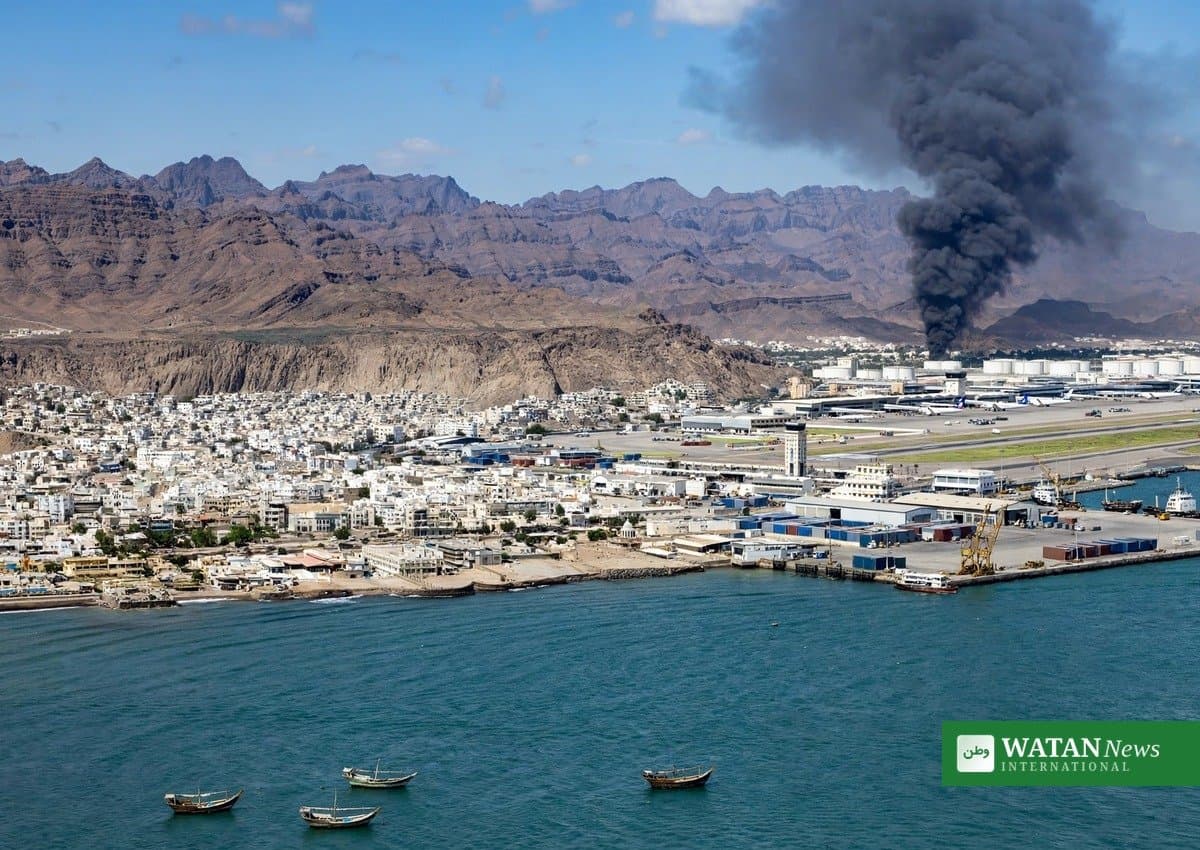
- The wider war: The Houthis have been firing ballistic missiles and drones at Saudi airports, ports and oil installations, while Saudi Arabia has stepped up its military involvement in Yemen, backing a government counteroffensive after the Houthis seized strategic territory along the Red Sea coast last month.
The warning
Saree’s renewed warning came on Sunday, shortly after the airport set out its plan to resume partial services. The Houthis have repeatedly declared the airport a target, and the latest statement makes clear that the group does not regard the reopening as a reason to halt its campaign against the hub.
The warning was directed at everyone who uses the airport — airlines, ground staff and passengers alike — and said operations targeting the facility would go on.
Partial flights resume
Late on Saturday, King Khalid International Airport said Terminal 1 would be designated for domestic flights and Terminal 2 for international flights operated by national carriers, starting Sunday.
In a passenger advisory posted on X, the airport urged travellers with confirmed bookings to contact their airlines to verify the status of their bookings and flights before heading to the airport.
Why the airport was closed
Operations at the airport were halted on 10 October, after an attack on the airport, claimed by the Houthis, killed 13 people and wounded more than 300 others, according to Reuters. It was the deadliest attack inside Saudi Arabia in more than a decade, and the suspension of operations was extended two days later.
Earlier, Saree had also claimed Houthi strikes on other Saudi targets, including Aramco facilities in Yanbu, the Rabigh Refinery and the East-West oil pipeline, according to ANI’s reporting of his statements.
The wider war
The airport warning is the latest pressure point in a wider war in which the Houthis have fired ballistic missiles and drones at Saudi airports, ports and oil installations. Saudi Arabia has recently stepped up its military involvement in Yemen, launching strikes against the Houthis and backing a government counteroffensive after the Houthis seized strategic territory along the Red Sea coast last month.
For travellers, the immediate picture is split: the airport is reopening in part, while the group that forced its closure is warning passengers to stay away. More Middle East coverage is available on the main Watan News site.