Science and climate journalists who could not otherwise afford an international conference have six days left to apply for the WCSJ2027 Travel Fellowship, a funded programme that pays the travel, accommodation and registration costs of selected reporters to attend the World Conference of Science Journalists 2027 in London. Applications close on 23 October 2026 at 23:59 BST.
Key facts
- Programme: WCSJ2027 Travel Fellowship for the World Conference of Science Journalists 2027
- Conference: London, United Kingdom, 6–9 September 2027
- Deadline: 23 October 2026, 23:59 BST (London time)
- Open to: journalists covering science, climate, health or engineering; journalism students; and researchers or educators with a proven journalism record — worldwide
- Covers: travel to and from London, UK visa fee, up to six nights of accommodation, full conference registration, lunches and refreshments — no daily allowance
- Decisions: expected by the end of February 2027
A global conference under one theme
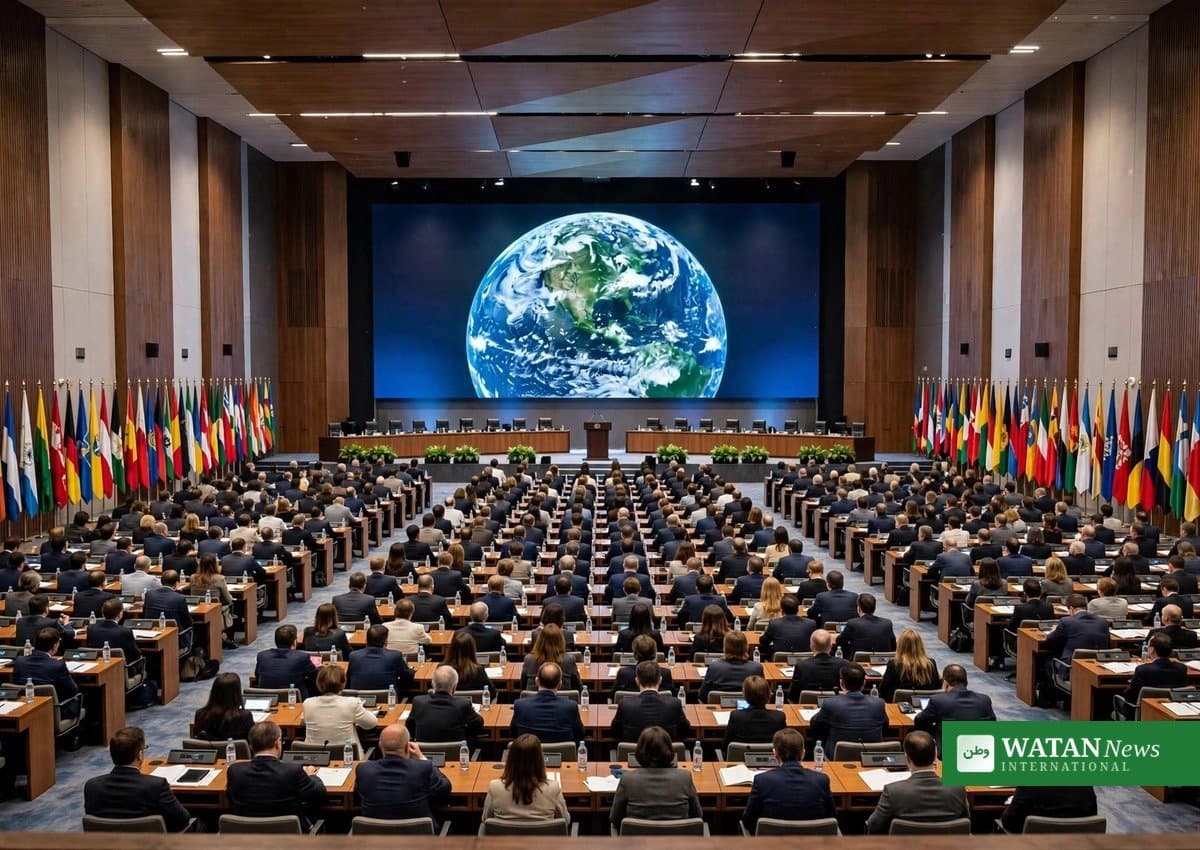
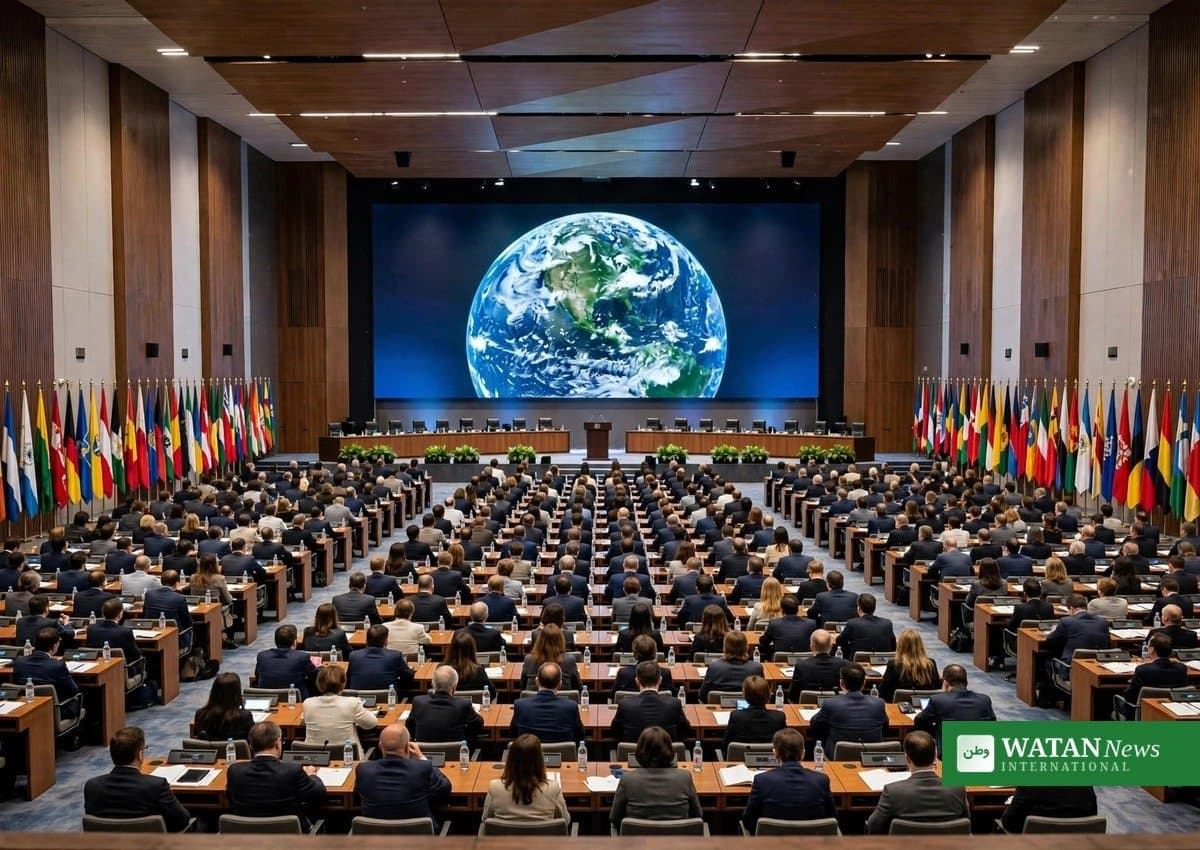
The World Conference of Science Journalists is the flagship gathering of the global science journalism community, held every few years in a different host city. The 2027 edition will take place in London. According to the fellowship announcement, the conference is hosted by the Association of British Science Writers and the World Federation of Science Journalists under the theme “Strengthening science journalism through global networks”.
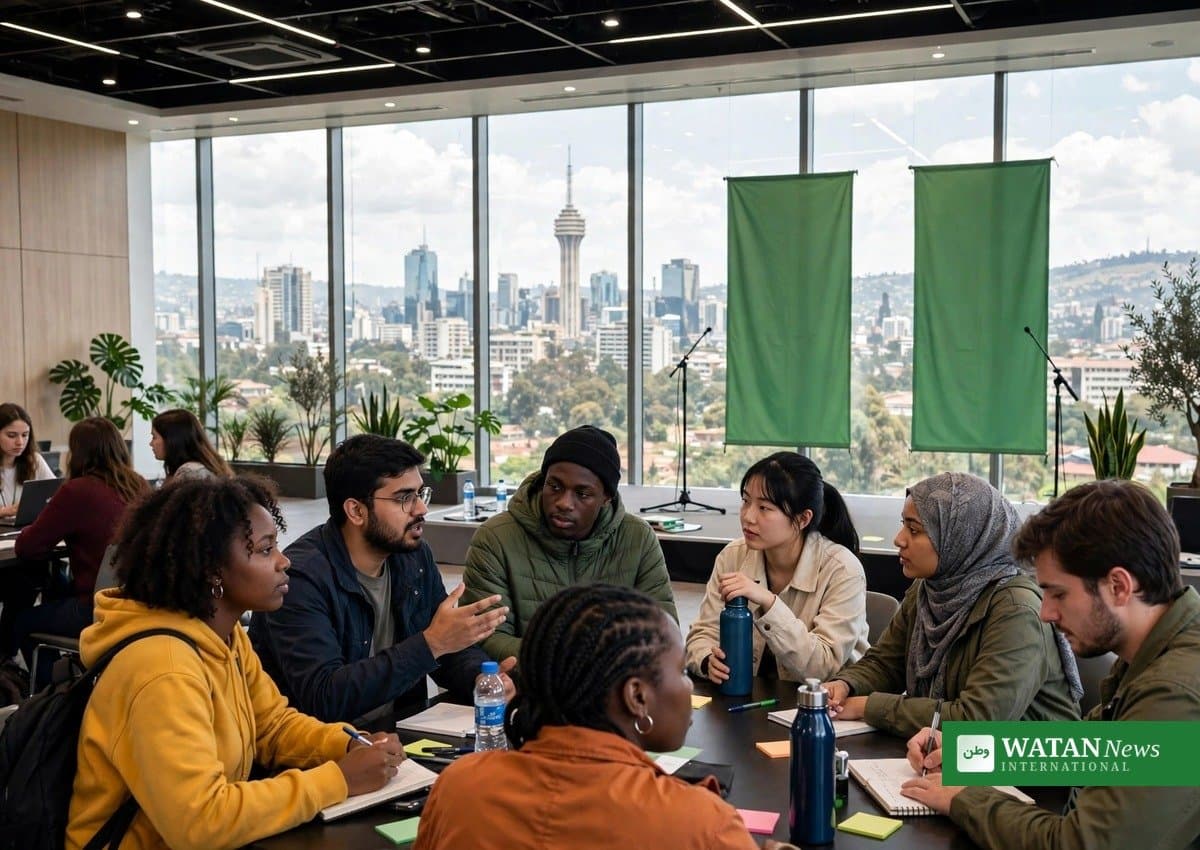
The travel fellowship exists to make that gathering genuinely global. It is aimed at people whose professional contribution and potential are strong but whose financial resources — or those of their employer or country — are limited. Applications are open internationally with no geographic quotas, and applicants from countries the World Bank classifies as low-income or lower-middle-income receive additional consideration.
Who can apply
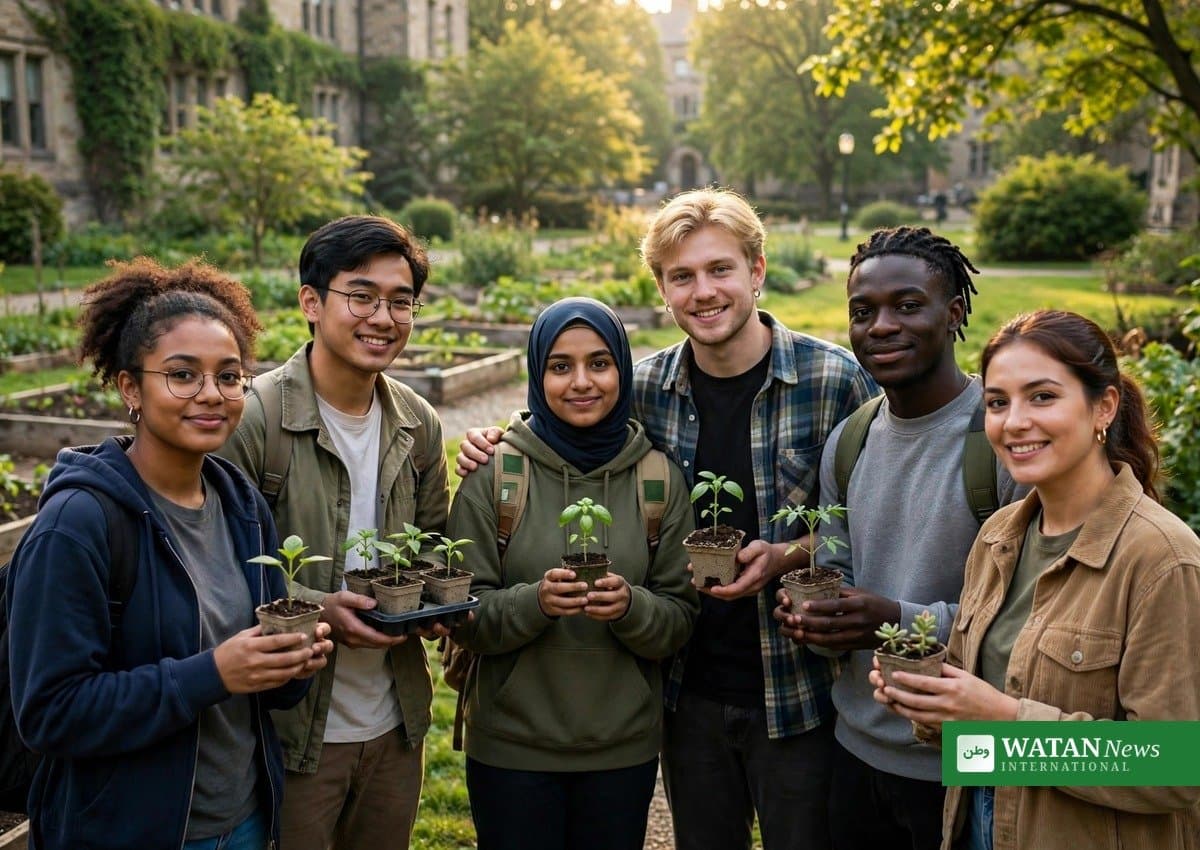
Science journalism does not have to be the applicant’s main beat. Eligible applicants include working journalists and media professionals covering science and related fields such as engineering, climate or health — full-time, part-time or freelance — as well as students of journalism, science journalism, media studies or science communication. Researchers and educators in those fields may apply if they have a proven track record of published journalism.
Applicants working only in public relations, research, teaching or science communication without professional journalism experience are not eligible. Student applicants must be of legal age in their home country and able to travel independently.
What the WCSJ2027 Travel Fellowship covers
Successful fellows receive financial support towards travel to and from London by air, rail, coach or bus; UK visa application costs; limited local transport connected with the conference; up to six nights of accommodation; full conference registration; and refreshments and lunches during the conference programme.
The fellowship does not provide a daily allowance (per diem) and does not cover personal expenses, travel insurance, health expenses or additional hotel nights, so applicants should plan their own spending money.

How to apply for the WCSJ2027 Travel Fellowship
Applications are submitted through the official online application form, which takes around 30 minutes to complete and can be saved and resumed. Applicants are asked to provide a CV of no more than two pages, a professional biography of 150–300 words, three examples of published work or relevant links from the last two years, a 500-word motivation statement, a plan for sharing what they learn after the conference, and a supporting letter from an employer, editor, educational institution or relevant association.
Applicants must also hold a passport valid until at least the end of September 2027 — or be able to show evidence that they have applied for or renewed one — and, according to the fellowship guidance, be available for the entire conference period of 6–10 September 2027. All supporting documents must be completed in English.
Applications are assessed through a competitive international review process based on professional merit, commitment to science journalism, motivation, potential contribution to the conference, the quality of previous work, knowledge-sharing plans and financial need. Submitting an application does not guarantee funding.
Why it matters for climate reporting
Climate journalism depends on access: to scientists, to negotiations, and to the informal networks where stories are born. For reporters in countries where newsroom budgets rarely stretch to international travel, a fellowship like this can be the difference between covering global science policy from a desk and reporting it first-hand. The knowledge-sharing requirement built into the application also means the benefits travel home — fellows are expected to pass on what they learn to their own journalism communities.
With the deadline less than a week away, eligible journalists are advised not to leave the application to the last evening: the London-time cut-off of 23:59 on 23 October falls in the early hours of 24 October in Pakistan.
Read more climate journalism coverage on Watan News International