Albania police rubber bullets fired on Saturday marked a sharp escalation in the country’s mass student demonstrations, as thousands of protesters clashed with riot police outside the Education Ministry in Tirana on the fifth day of unrest demanding the resignation of Prime Minister Edi Rama.
Reuters video footage showed police firing a shotgun toward crowds during the clashes, and reporters on the ground found rubber pellets scattered on the street. Pellets struck two Reuters journalists and several protesters, leaving round marks, the agency reported.
FAKTA
- What: Police fired what appeared to be rubber bullets at protesters in Tirana on Saturday, 17 October 2026.
- Where: Outside the Education Ministry in central Tirana, Albania.
- Why: Fifth day of mass student demonstrations demanding Prime Minister Edi Rama’s resignation over perceived corruption, unemployment and poor education standards.
- Scale: Police chief Skender Hita said 1,067 people had been arrested and 388 criminally prosecuted; scores of police officers and protesters injured.
- Key reaction: Seven police officers suspended for “exceeding their authority”; Rama said he would not step down.
Albania Police Rubber Bullets Confirmed by Reuters Footage
The incident marks a serious escalation in a confrontation that has engulfed central Tirana for days. Demonstrators have burned government buildings and banks and hurled rocks at police, who have responded with tear gas, stun grenades and water cannon, according to Reuters.
Albania’s police chief Skender Hita did not deny the use of rubber bullets when questioned at a news conference on Saturday. “All means that were used were employed in a limited manner, including the most recent ones,” he said.
Hita also announced that seven police officers had been suspended and were facing disciplinary investigations for “exceeding their authority” and “failure to respect the principle of proportionality” in dealing with protesters. He did not specify the incidents that led to the suspensions.
What Fuelled the Protests
The demonstrations have been fuelled by anger over perceived government corruption, a lack of jobs and poor education standards. The movement began at schools and has drawn in wider sections of Albanian society.
The protests have also drawn support from people who felt ignored during a summer of largely peaceful demonstrations against a luxury coastal development backed by US President Donald Trump’s son-in-law Jared Kushner. Reuters reported in July that villagers said their land had been wrongfully sold for the development on a pristine stretch of coast in southern Albania, though it found no evidence of wrongdoing by Kushner.
The unrest poses the biggest challenge yet to Rama, who last year won a fourth term in office. “It’s been 13 years of corruption and 13 years of doing nothing and empty promises. So the jar is filled and we are here for our rights,” said Juri Taullahu, a 22-year-old medical student, on Saturday.
Government Response
Police and the government condemned the unrest and called for calm. Rama, who denies wrongdoing and told Reuters this week that he would not step down, said on Saturday that his government respected the students and their right to protest.
“My responsibility is even clearer during these difficult times … to protect our citizens, guarantee justice, and move Albania forward — together with this governing majority, which holds a very clear mandate: to see Albania in the European Union by 2030,” he said on Facebook.
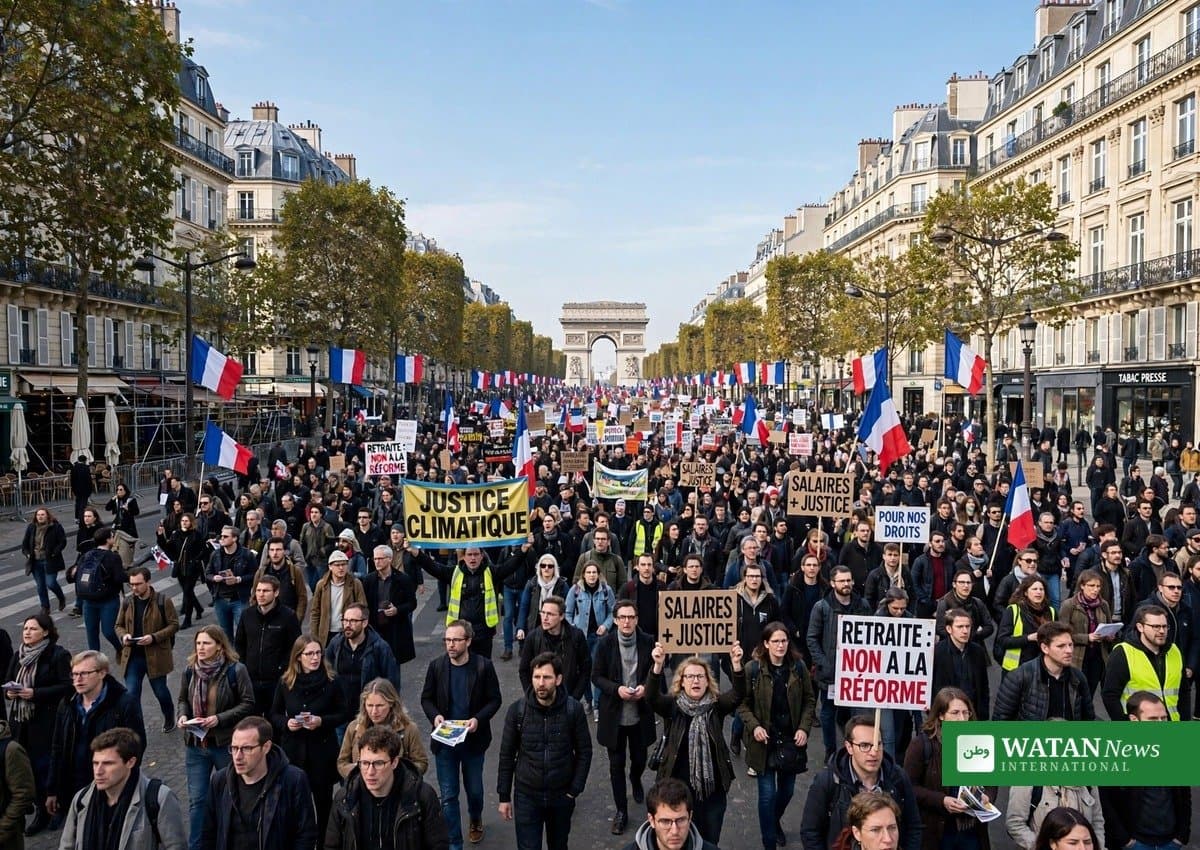
Along with Montenegro, Albania is leading the EU accession process among Balkan countries. The unrest in Tirana coincides with growing street protests elsewhere in Europe, including student-led demonstrations in France and protests against high rents in Spain. For more on European affairs, see Watan News Europe.