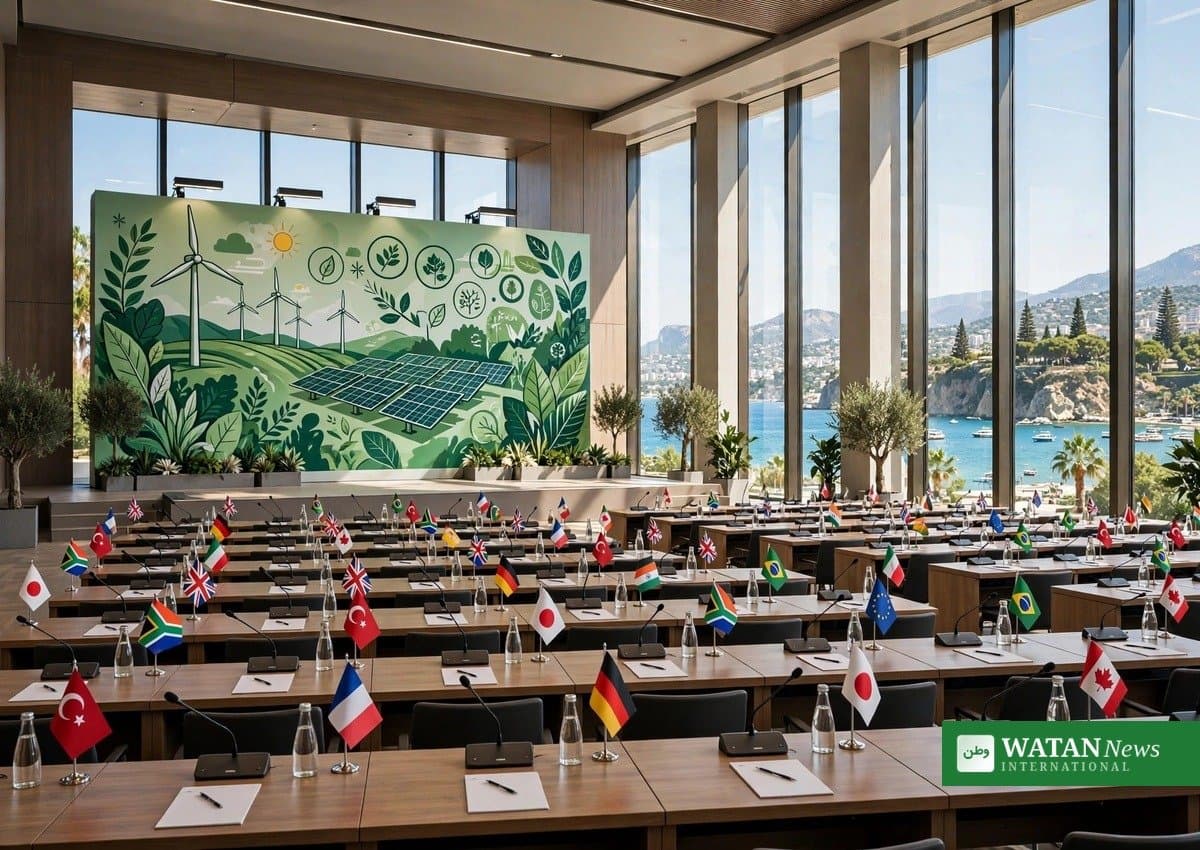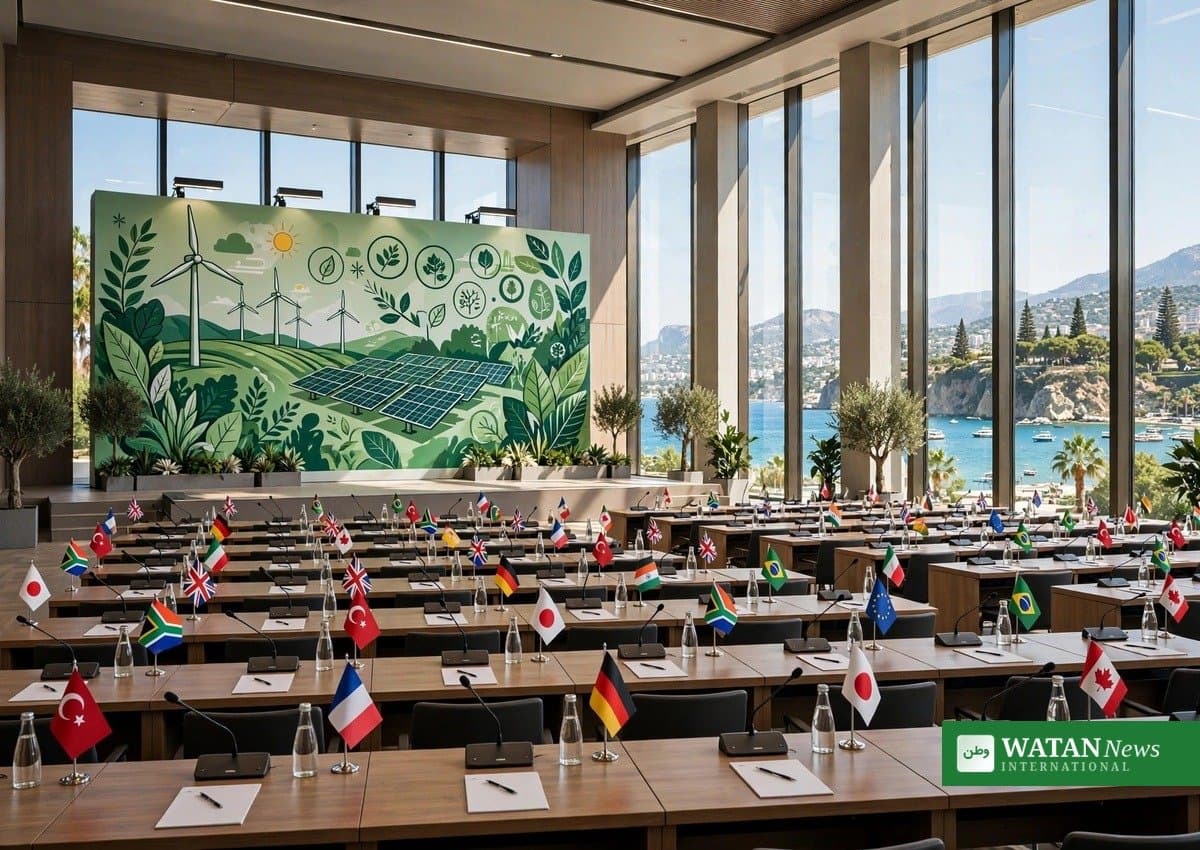
The Global Alliance for Incinerator Alternatives (GAIA) launched a global campaign on 19 October 2026 demanding that incinerators stay out of COP31 — warning that the waste-burning industry is positioning itself inside the UN climate conference’s discussions on zero waste and climate finance, which open in Antalya, Türkiye, in November.
In its statement, timed with the Global Week of Action to Stop Incineration (13–16 October 2026), GAIA says it is “raising the alarm about the waste-burning industry’s presence at COP31” at a moment when the COP31 Presidency has made zero waste a priority. According to GAIA, both CEWEP — the European waste-to-energy industry’s lobbying association — and Kanadevia Inova, a major waste-to-energy technology provider, are listed in the COP31 official side events agenda, and CEWEP has promoted incineration at earlier UN climate conferences, including COP30.
Why GAIA says burning waste is not a climate solution
Waste-to-energy is often marketed as clean or renewable energy. But burning waste does not make its carbon emissions disappear, GAIA argues. According to the alliance, waste-to-energy incineration produces approximately 1.7 times as much greenhouse gas pollution per unit of electricity as coal-fired power plants — plastics, made primarily from fossil fuels, contribute significantly to these emissions.
Incineration also destroys materials that could otherwise be reused, recycled or composted, creating additional emissions through the extraction and manufacture of replacement products. “Far from advancing a circular economy, incineration perpetuates a linear model of extraction, consumption and destruction,” GAIA says. Zero Waste Europe — an independent European network backing the campaign — has separately documented that Europe keeps building new incinerators despite already holding almost 65 million tonnes of excess annual burning capacity, according to its updated Enough is Enough analysis.
Expensive infrastructure that locks cities in
Incinerators are among the most capital-intensive waste management facilities, and GAIA says their financial models frequently depend on long-term contracts, public subsidies and guaranteed volumes of waste. These arrangements can lock municipalities into decades of waste burning — even as they try to reduce waste generation, expand recycling and introduce separate collection of organic waste.
GAIA says the financial consequences are particularly serious for cities in the Global South, where scarce public resources are urgently needed for basic waste services, community infrastructure and climate adaptation. Its Burn Book report — a 20-incinerator analysis released on 13 October 2026 — documents what it calls a recurring pattern across countries: communities facing pollution, financial burdens and threats to livelihoods.
Communities pay the price
Among the cases GAIA cites: in Delhi, India, communities around the Timarpur-Okhla waste-to-energy plant have raised concerns about air pollution and the facility’s proximity to residential neighbourhoods; in Addis Ababa, Ethiopia, the Reppie waste-to-energy facility illustrates the risks of prioritising large, centralised waste-burning infrastructure; and in Surabaya, Indonesia, community-led air quality monitoring near waste-burning operations documented fine particulate matter levels five to eight times higher than World Health Organization guidelines, according to GAIA’s Clearing the Air research covering sites in Indonesia, Nigeria and the Philippines.
In Manila, Philippines, the proposed ₱26-billion, 100-megawatt Smokey Mountain waste-to-energy project — designed to process about 3,000 tonnes of waste per day — is described in a GAIA investigation as a case study in environmental injustice, with concerns over displacement, inadequate community consultation, environmental risks and threats to waste-picker livelihoods. According to GAIA, Kanadevia Inova is a technology partner in that project alongside its local partner PhilEco.
Incineration also threatens the livelihoods of waste pickers, who play a vital role in recovering materials and sustaining local recycling economies, GAIA says. A just transition, it argues, must recognise their contributions, protect their rights and strengthen their role in building inclusive zero-waste systems.
The climate-finance imbalance: 94 per cent versus 1 per cent
GAIA points to a funding imbalance highlighted at the Second Regional Congress on Organics and Climate in Jakarta on 29 September 2026, where city leaders, waste workers and civil society adopted the Jakarta Declaration. According to the congress reporting, the world has funnelled nearly 4 billion US dollars into capital-intensive waste incineration projects — capturing 94 per cent of waste-sector methane finance — while barely 1 per cent reaches organic waste management and food rescue systems.
That matters, the declaration argues, because organic matter — mostly discarded food and agricultural waste — makes up 50 to 70 per cent of the municipal solid waste stream in Asia, rotting in landfills and open dumps and generating methane, a climate super-pollutant. Speakers at the congress described preventing food loss and scaling low-cost, decentralised organic-waste diversion as the fastest available climate intervention.
GAIA is especially concerned that CEWEP is set to take part in a COP31 event addressing the Global Zero Waste and Methane Fund. “Replacing methane emissions from organic waste with fossil carbon emissions from burning plastics is not a credible pathway to a zero waste future,” the alliance says — arguing that climate finance should support prevention, separate collection, composting, anaerobic digestion where appropriate, recycling and the inclusion of waste pickers, not infrastructure that burns recoverable materials.
The five demands to the COP31 Presidency
GAIA’s campaign sets out five calls for the COP31 Presidency and climate finance institutions:
- Keep the incineration industry out of climate policymaking — with safeguards against conflicts of interest preventing companies with vested interests in waste burning from shaping the zero-waste agenda.
- Reject incineration as a zero-waste or climate solution — so COP31 commitments prioritise waste prevention, reuse, separate collection, recycling and organic waste management.
- Exclude incineration from climate finance — with explicit safeguards keeping the Global Zero Waste and Methane Fund and other climate finance mechanisms from supporting waste burning, including refuse-derived fuels and co-incineration.
- Put communities, waste pickers and a just transition at the centre — guaranteeing meaningful participation, protecting workers’ rights and livelihoods, and investing in inclusive zero-waste systems.
- Invest in proven, community-led solutions — directing international climate finance toward zero-waste systems that reduce emissions, improve public health, create dignified livelihoods and support local governments, waste picker organisations and communities.
Real solutions, according to the campaign
GAIA says more than 550 municipalities worldwide are already taking steps toward zero waste, and that over its 25-year history more than 375 incinerators have been shut down. For the Global Week of Action it published 20 community victory stories — including the closure of a pyrolysis plant in Dumaguete, Philippines, in 2025, and the stopping of waste-to-energy proposals in four cities in Gujarat, India, the same year.
GAIA’s Global Climate Program director Mariel Vilella has previously said that zero-waste solutions such as composting, recycling and organic waste treatment can reduce methane emissions by up to 95 per cent and cut total waste-sector emissions by more than 1.4 billion tonnes. “The climate crisis cannot be solved by burning more waste,” the campaign statement concludes. More climate action coverage is available on Watan News International’s climate section.
FAKTA
- Who: GAIA — the Global Alliance for Incinerator Alternatives, a worldwide alliance of more than 1,000 grassroots groups, NGOs and individuals in over 100 countries
- What: “Incinerators Out of COP31” — a global campaign demanding the waste-burning industry be kept out of climate policymaking at COP31
- When: statement published 19 October 2026, following the Global Week of Action to Stop Incineration (13–16 October 2026)
- Where: ahead of COP31 in Antalya, Türkiye, November 2026
- Key claims: waste-to-energy emits about 1.7 times the greenhouse gases of coal per unit of electricity (GAIA); ~4 billion USD of waste-sector methane finance has gone to incineration versus 1 per cent to organics (Jakarta Declaration); Europe holds ~65 million tonnes of excess incineration capacity (Zero Waste Europe)