Pakistani forces and Afghan Taliban fighters exchanged fire for several hours along the Pakistan-Afghanistan border on Saturday, October 17, in a deadly border clash that multiple reports describe as the heaviest direct military confrontation of the current escalation cycle, while Pakistan’s Deputy Prime Minister and Foreign Minister Ishaq Dar departed for Dushanbe on Monday to lead the country’s delegation at the SCO Council of Heads of Government meeting scheduled for October 19-20.
FAKTA
- What happened: Heavy weapons fire was exchanged on October 17 in the Upper Kurram district of Pakistan’s Khyber Pakhtunkhwa province and across the border in the Dand Patan and Zazi Aryob districts of Afghanistan’s Paktia province. The fighting lasted nearly four hours and involved light and heavy weapons, including artillery.
- The trigger: Pakistani security officials said troops responded after Afghan Taliban forces opened fire to facilitate militants attempting to cross into Pakistan, according to reports citing security sources. Afghan accounts described the action as retaliation for Pakistani strikes inside Afghanistan earlier in the week.
- Casualty claims unverified: Pakistani sources claimed several Taliban personnel were killed and Taliban posts destroyed, while Afghan media accounts reported Pakistani soldiers killed. None of these casualty figures have been independently confirmed.
- Crossings closed: The Torkham and Chaman crossings, along with Kharlachi, Angoor Adda and Ghulam Khan, were shut on Sunday, stranding passengers, cargo trucks and medical patients, according to reports citing local officials.
- Diplomacy in motion: DPM Ishaq Dar arrived in Dushanbe, Tajikistan, on October 19 to lead Pakistan’s delegation at the SCO Council of Heads of Government meeting (October 19-20), where he will also hold bilateral meetings with Tajik leadership and counterparts from SCO member states.
The Pakistan-Afghanistan Border Clash in Kurram and Paktia
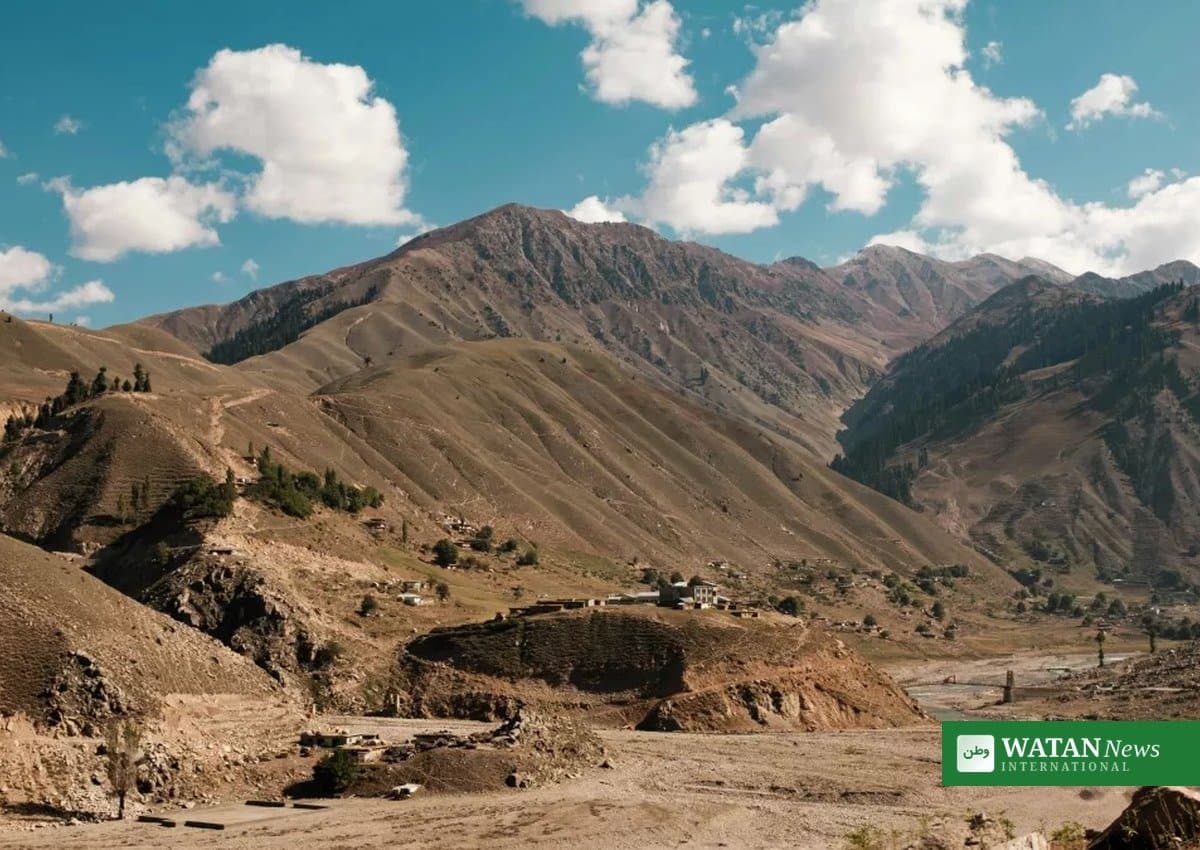
The fighting erupted on Saturday afternoon, October 17, when Afghan Taliban forces opened fire in the Taldah sector of Upper Kurram, according to Pakistani security sources cited by state media. Pakistani troops returned fire with artillery and heavy weaponry, targeting the Topsar border post and the Shipola base camp in the Upper Kurram sector.
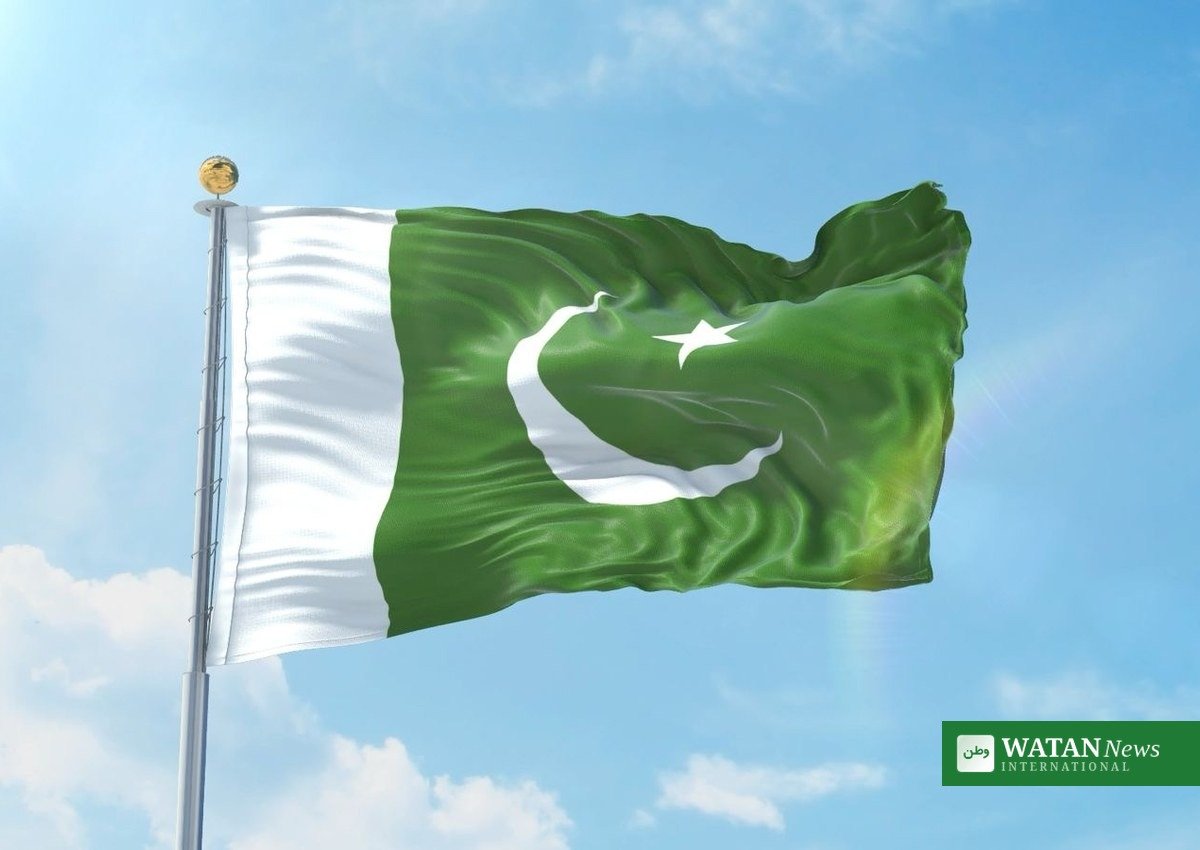
The flag of Pakistan: Islamabad says its forces responded to what it described as unprovoked firing intended to let militants cross the border.
Pakistani state media and security officials reported that the Shipola base camp was completely destroyed and that Taliban personnel abandoned a nearby border position as the exchange of fire continued. The Pakistani military said the action was a response to what it described as unprovoked firing intended to facilitate the movement of militants across the border.
On the Afghan side, the Taliban-led government’s Ministry of Defence said its action was retaliation for Pakistani airstrikes inside Afghanistan earlier in the week, according to Reuters. Afghanistan’s Taliban spokesman Zabihullah Mujahid said on Sunday that there was no threat in any part of Afghanistan’s territory.
A Cycle of Accusation
Border clashes between Pakistan and the Taliban have continued at multiple locations since October 12, with both sides accusing the other of initiating hostilities. Pakistani officials say militant groups including the Tehreek-e-Taliban Pakistan (TTP) operate from Afghan territory, a claim the Afghan Taliban government rejects.
The latest round of fighting follows a complex suicide attack in northwestern Pakistan on September 18 that killed 31 people and injured more than 100. Pakistan holds the Taliban responsible for sheltering militant groups behind such attacks, while Kabul denies that Afghan soil is used for attacks against Pakistan.
Russian and European Union officials visiting Kabul and Islamabad have called for renewed dialogue and de-escalation as the confrontation threatens trade, civilian movement and humanitarian access on both sides.
Dar Heads to Dushanbe for SCO Meeting
Against this backdrop, Deputy Prime Minister and Foreign Minister Ishaq Dar departed for Dushanbe on Monday to lead Pakistan’s delegation at the Shanghai Cooperation Organisation (SCO) Council of Heads of Government meeting on October 19 and 20, at the invitation of Tajikistan’s Prime Minister Qohir Rasulzoda.
Upon arrival, Dar was received by Tajikistan’s Minister of Energy and Water Resources Daler Juma, Pakistan’s Ambassador to Tajikistan Irfan Ahmed, and Pakistan’s National Coordinator for the SCO Khalil Hashmi, according to the Foreign Office.
The meeting brings together the prime ministers of Belarus, China, Kazakhstan, Kyrgyzstan, Russia, Tajikistan and Uzbekistan, along with Iran’s vice president and India’s external affairs minister. The Council of Heads of Government is the SCO’s second-highest decision-making body and provides guidance on economy, finance, trade, connectivity and the organisation’s budgetary matters.
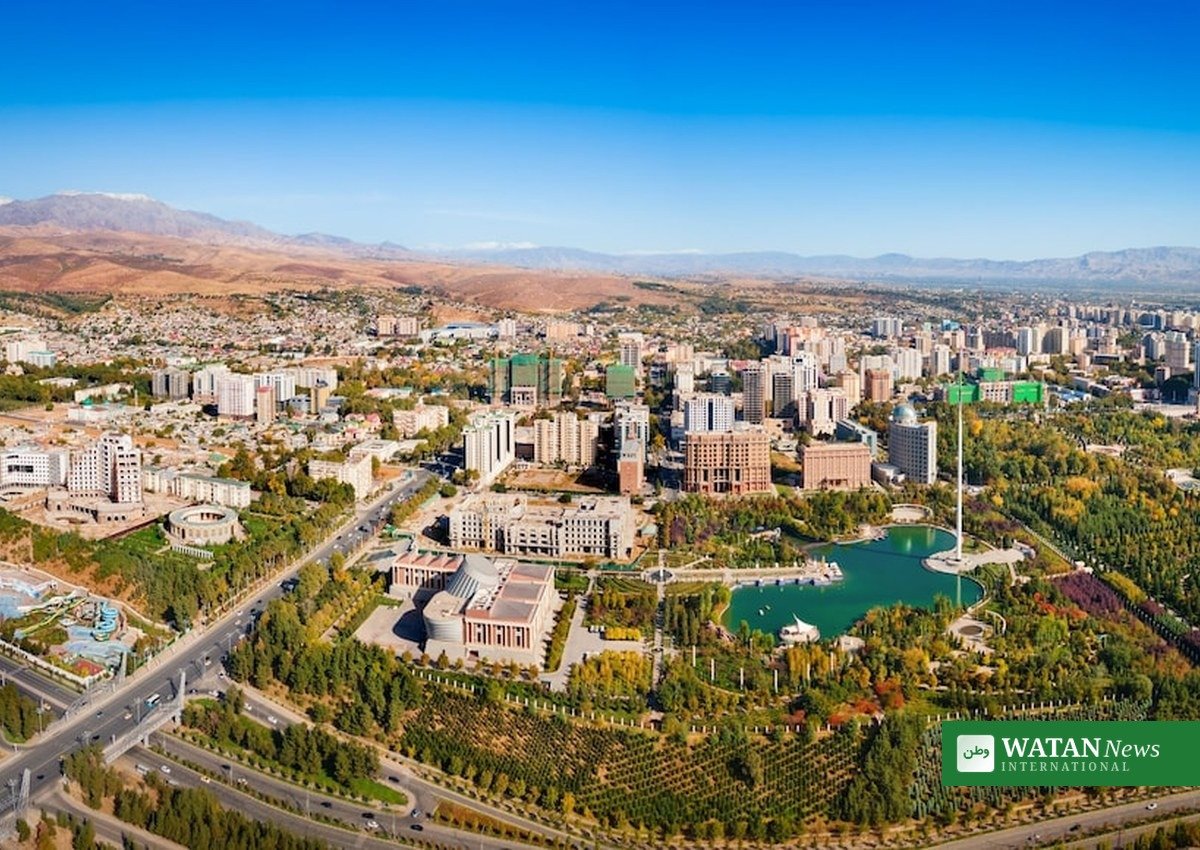
Dushanbe, Tajikistan: the host city of the SCO Council of Heads of Government meeting on October 19-20.
During the visit, Dar will call on Tajikistan’s president and prime minister and hold bilateral meetings with counterparts from SCO member states on the sidelines of the gathering, the Foreign Office said.
Conclusion
Saturday’s deadly exchange of fire in Kurram and Paktia marks the sharpest turn yet in the Pakistan-Afghanistan escalation cycle, with both sides sticking to sharply different accounts of what happened and casualty claims remaining unverified. As the main border crossings sit closed and hundreds of people stranded, Pakistan’s diplomatic calendar moves to Dushanbe, where the SCO meeting offers a stage for regional engagement.
For more on Pakistan’s regional diplomacy, read: OIC Foreign Ministers Convene in Baghdad as Islamic World Faces Gaza and Regional Crises.