Today, 24 October 2026, the world marks the International Day of Climate Action — a grassroots day that turns concern about climate change into visible, coordinated action. Seventeen years after it began, the day arrives at a telling moment: atmospheric carbon dioxide has climbed far past the level the day was named for, and the next round of global climate negotiations, COP31 in Antalya, opens in just over two weeks.
The day is observed every year on 24 October. It is not a United Nations holiday. It grew out of the global climate movement, and its message has stayed constant since the start: cut greenhouse gas emissions, protect nature, and press governments to honour their climate commitments.
How the day began
The first International Day of Climate Action took place on 24 October 2009. It was organised by 350.org, an international grassroots organisation founded in 2008 by author Bill McKibben and a group of university friends, ahead of the UN climate conference COP15 in Copenhagen.
According to 350.org, that first day brought more than 5,200 actions in 181 countries — rallies, marches, tree plantings and public art displays — making it, at the time, the most widespread day of political action in history. The Rockefeller Brothers Fund, which supported the campaign, recorded 5,248 rallies across 181 countries.
The number 350 is the heart of the story. It refers to 350 parts per million (ppm) of carbon dioxide in the atmosphere — the level NASA scientist James Hansen’s research identified as the safe upper limit to avoid catastrophic climate change. When the day began, the atmosphere was already above that line. Today it is far above it.
The number that frames the day
Figures from the United States National Oceanic and Atmospheric Administration (NOAA) show how far the world has moved from the 350 target. The weekly average carbon dioxide concentration at the Mauna Loa Observatory in Hawaii, for the week beginning 11 October 2026, was 426.86 ppm. In May 2026, scientists at the Scripps Institution of Oceanography reported that carbon dioxide at Mauna Loa reached an annual peak of 432.00 ppm — a record high, and 1.8 ppm above May 2025.
The United Kingdom’s Met Office forecasts that the 2026 annual average concentration at Mauna Loa will reach 429.4 ppm. When continuous measurements began at Mauna Loa in 1958, the level was 313 ppm; before the Industrial Revolution it was about 280 ppm.
Those figures explain why awareness days still matter, organisers say: the gap between where the atmosphere is and where science says it should be is the reason the day exists.
What happens on the day
Activities on the International Day of Climate Action follow a familiar pattern around the world:
- Clean-up campaigns in parks, rivers and beaches;
- Tree planting, restoring forests that act as natural carbon sinks;
- Educational events, workshops, rallies and seminars on green energy;
- Sustainable everyday choices — renewable energy, public transport and cutting daily waste.
The day also sits inside a wider literacy moment. UNESCO’s Global Media and Information Literacy Week runs from 24 to 31 October 2026, and its programme includes a webinar on 29 October on school libraries as champions of accurate, evidence-informed climate information — a reminder that reliable facts are themselves a climate tool in an age of misinformation.
Why this year matters
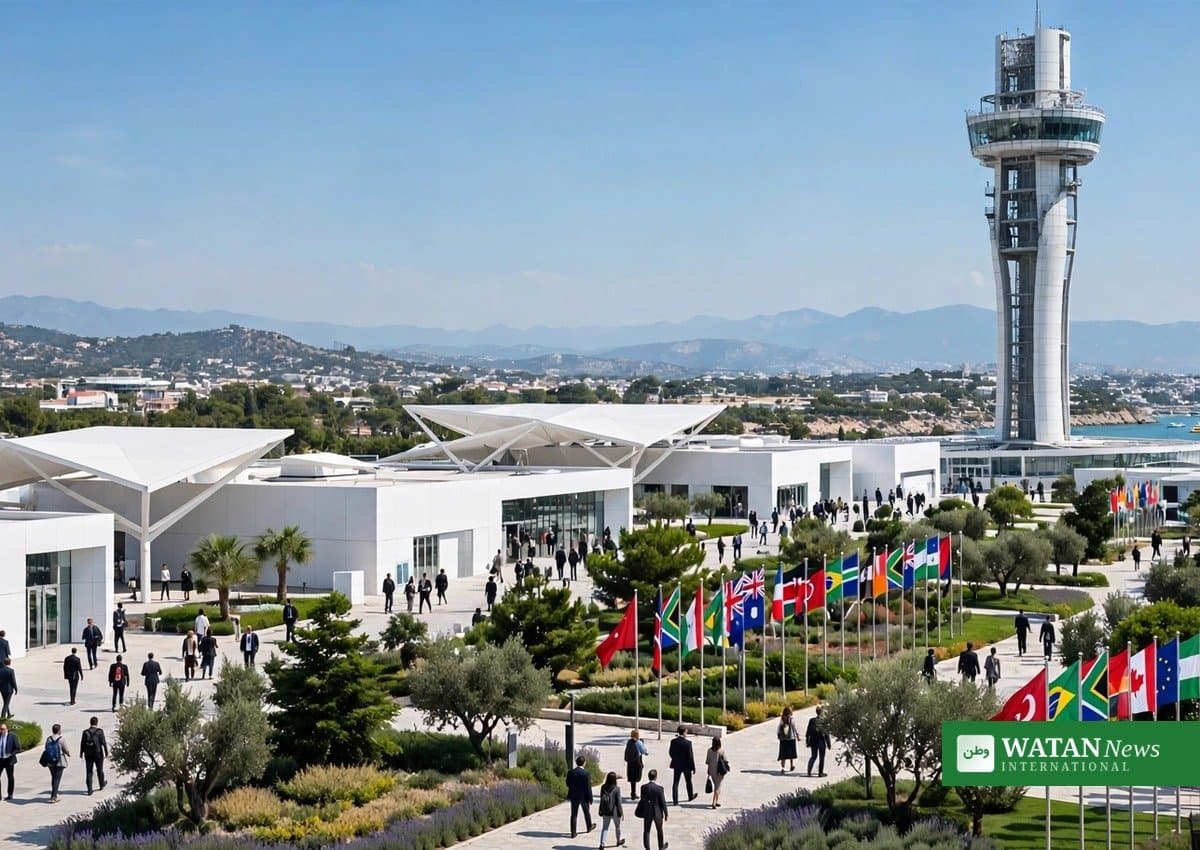
This year’s observance falls just before COP31, the UN climate conference in Antalya, Türkiye, from 9 to 20 November 2026. The day’s original purpose — showing negotiators that ordinary people expect serious progress — is therefore as direct as it was in 2009.
For readers following the road to Antalya, Watan News has reported on the COP31 venue and preparations in Antalya. The International Day of Climate Action is, in that sense, the public’s own opening statement before the negotiations begin.
Climate awareness, the day’s organisers argue, is not an end in itself. It is the step that turns a scientific number — 350, then 426, then 432 — into a public demand that leaders cannot ignore.
Key facts
- Observed every year on 24 October; the 2026 observance is the 17th since 2009.
- First organised by 350.org on 24 October 2009, ahead of COP15 in Copenhagen.
- First day: more than 5,200 actions in 181 countries.
- 350 refers to 350 ppm of carbon dioxide — the safe upper limit identified by NASA scientist James Hansen.
- NOAA Mauna Loa weekly average, week beginning 11 October 2026: 426.86 ppm; May 2026 annual peak: 432.00 ppm (Scripps).
- Met Office forecast for the 2026 annual average at Mauna Loa: 429.4 ppm.
- COP31 takes place in Antalya, Türkiye, from 9 to 20 November 2026.