A 29-year-old farmer from Homa Bay County in Kenya has been named the 2026 United Nations in Kenya Person of the Year, in recognition of climate-smart farming that is training other farmers and opening opportunities for women and men alike. Kenya Sevens international and Olympian Kevin Wekesa was named runner-up for using sport to drive climate action.
The award was announced as the United Nations marked 81 years since its founding on 24 October 1945, according to reports of 27 October 2026. It recognises individuals and institutions whose achievements advance the United Nations Sustainable Development Goals and reflect the ideals of the United Nations.
A farmer who trains other farmers
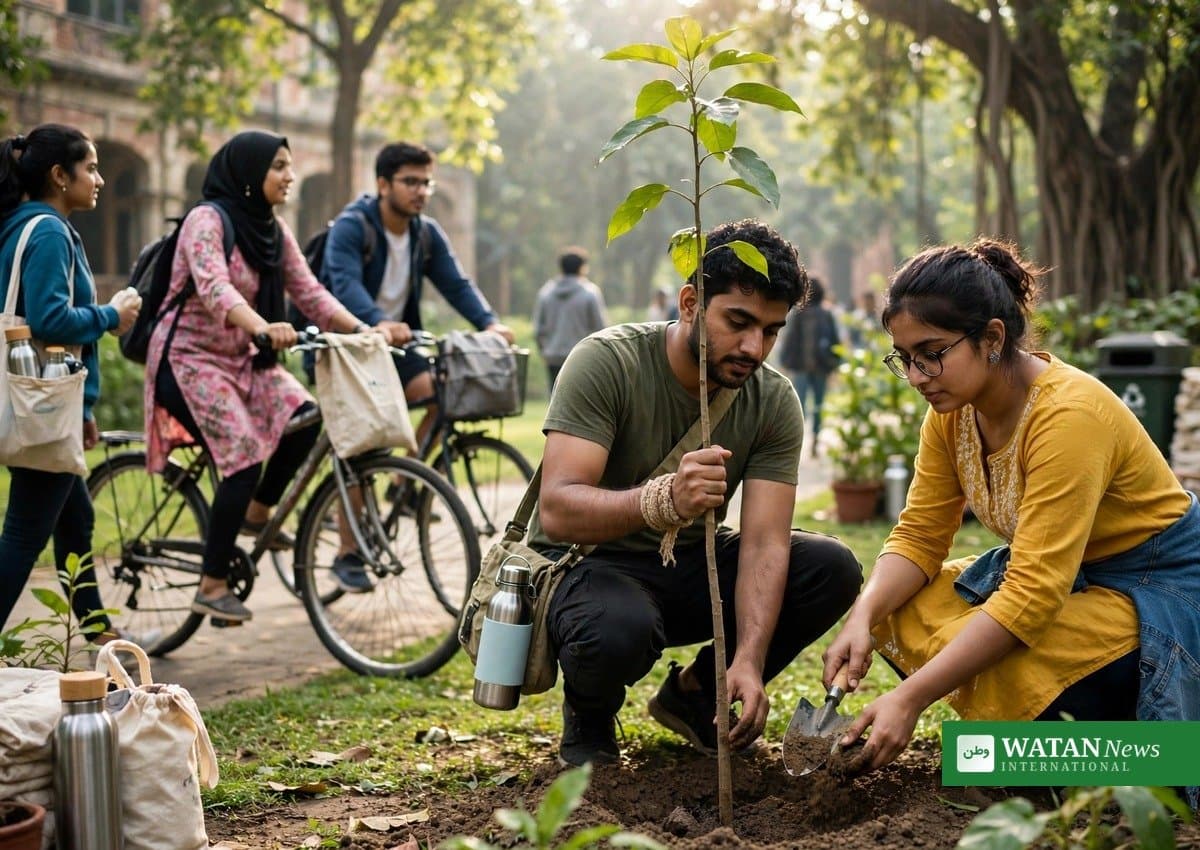
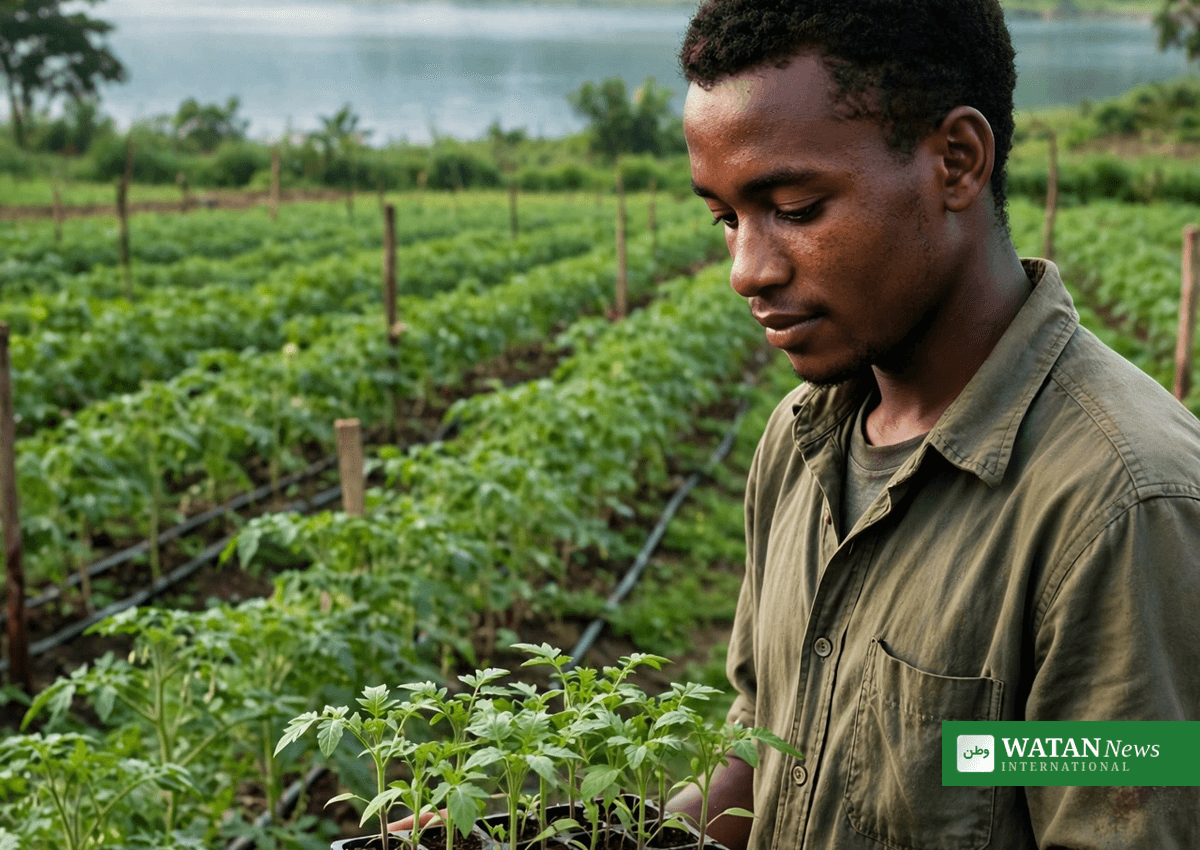
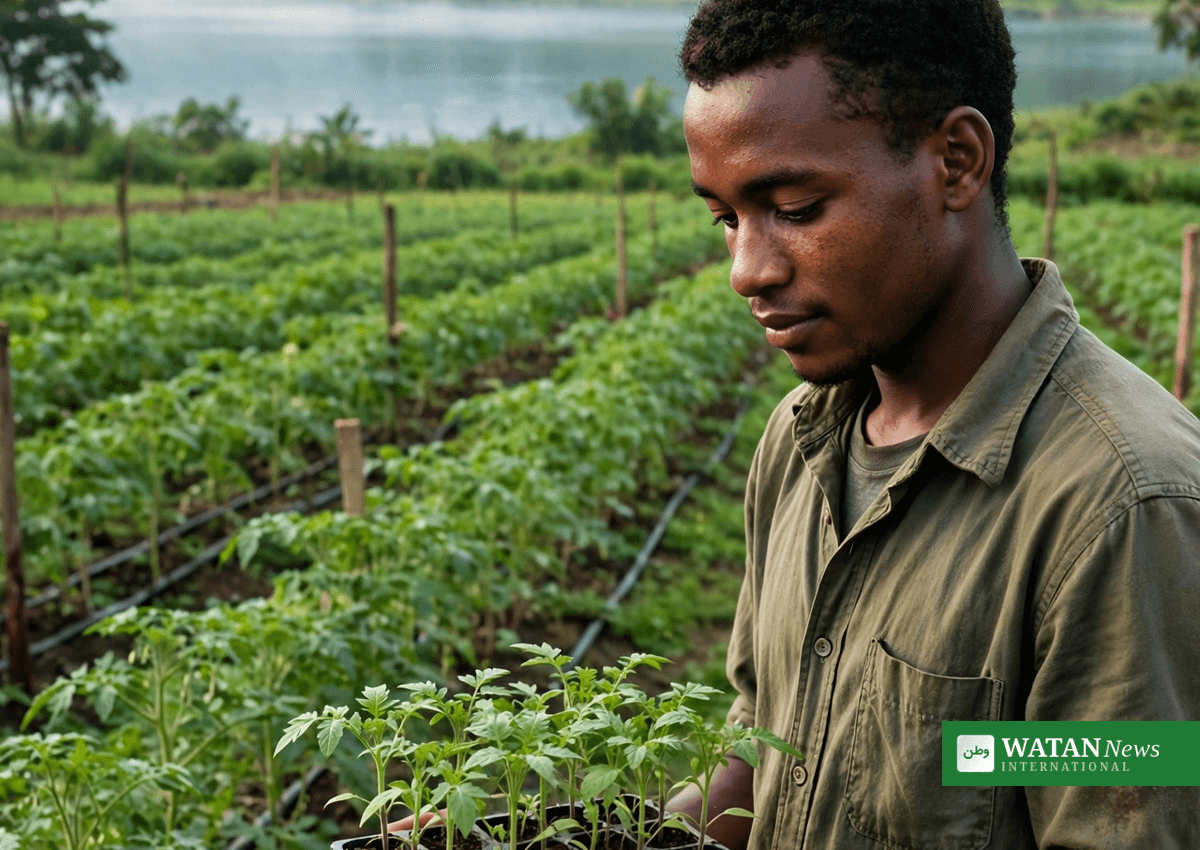
Bornface Otieno Owino started farming in 2021 under the Cereal Growers Association in the Lake Victoria basin. He grows tomatoes, cereals and other horticultural crops using climate-smart methods, including certified seeds, efficient irrigation, integrated pest management and soil conservation.
His farm now serves as a demonstration site where he trains and mentors fellow farmers and young people. Working with UN Women Kenya, he also supplies local farmers with seeds, fish fingerlings and agricultural knowledge.
Owino was nominated for the award by UN Women, which said his work promotes gender equality by creating opportunities for both men and women. He is reported to be the first recipient under the age of 30, and his work is reported to advance 10 of the Sustainable Development Goals, including No Poverty, Zero Hunger, Gender Equality and Climate Action.
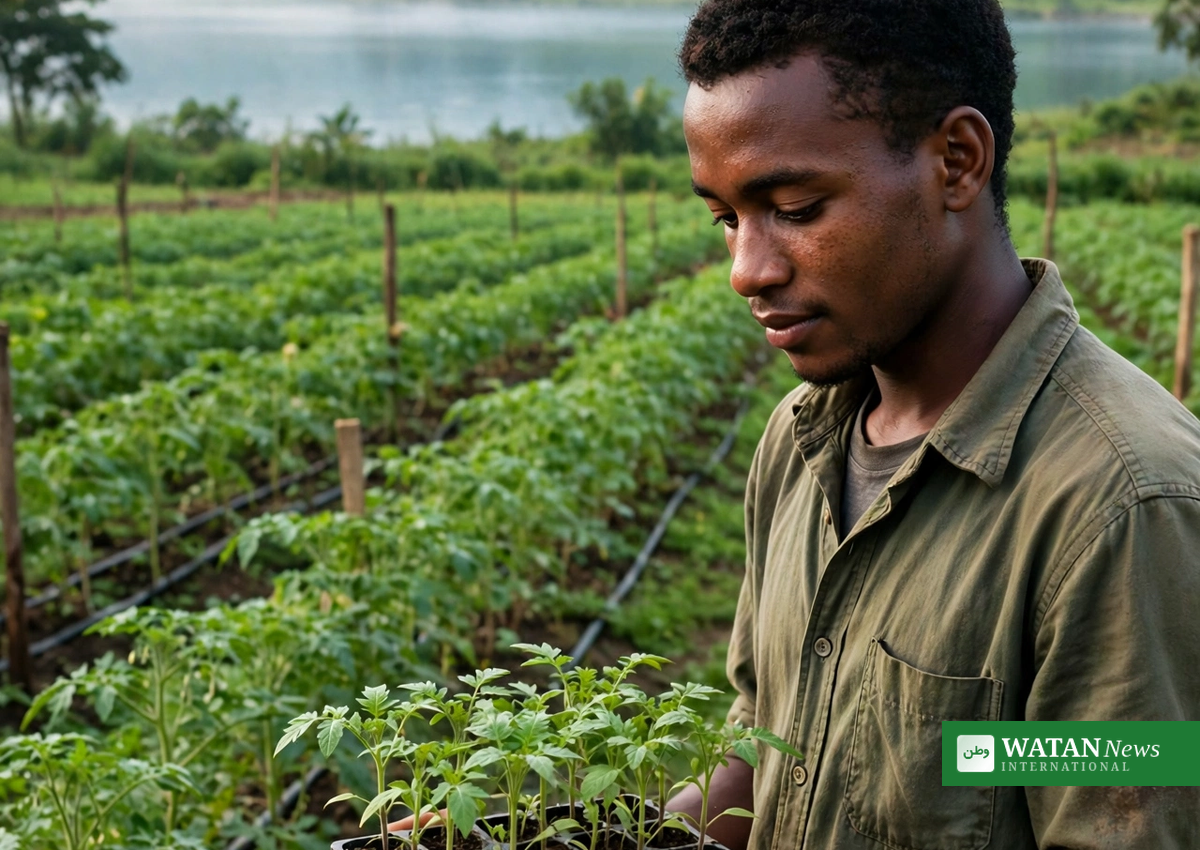
“Your dedication, innovation, and excellence exemplify the leadership and potential of your generation,” said Zainab Hawa Bangura, the UN Under-Secretary-General and Director-General of the United Nations Office at Nairobi. “We are proud of your success and confident that your contribution will continue to inspire others.”
“Bornface is breaking barriers and building bridges for both men and women,” said Dan Bazira, UN Women Deputy Representative in Kenya. Owino himself said: “It is possible for young people like me to make a difference in our communities.”
Agriculture matters far beyond one farm in Kenya. According to the Kenya National Bureau of Statistics’ Economic Survey 2025, agriculture, forestry and fishing contributed an average of 21.8% of the country’s gross domestic product between 2000 and 2024, so a farming model that neighbours can copy carries national weight.
Sport as a climate tool: Play Green
Wekesa, a Kenya Sevens forward, founded Play Green in 2023 after a school rugby clinic in Kirinyaga, on the slopes of Mount Kenya, had to be cancelled because the pitch was baked dry and unplayable for nearly two months. Students linked the conditions to changing weather patterns, and the experience led him to build an initiative that pairs sport with climate education, tree planting, recycling and ending single-use plastics.
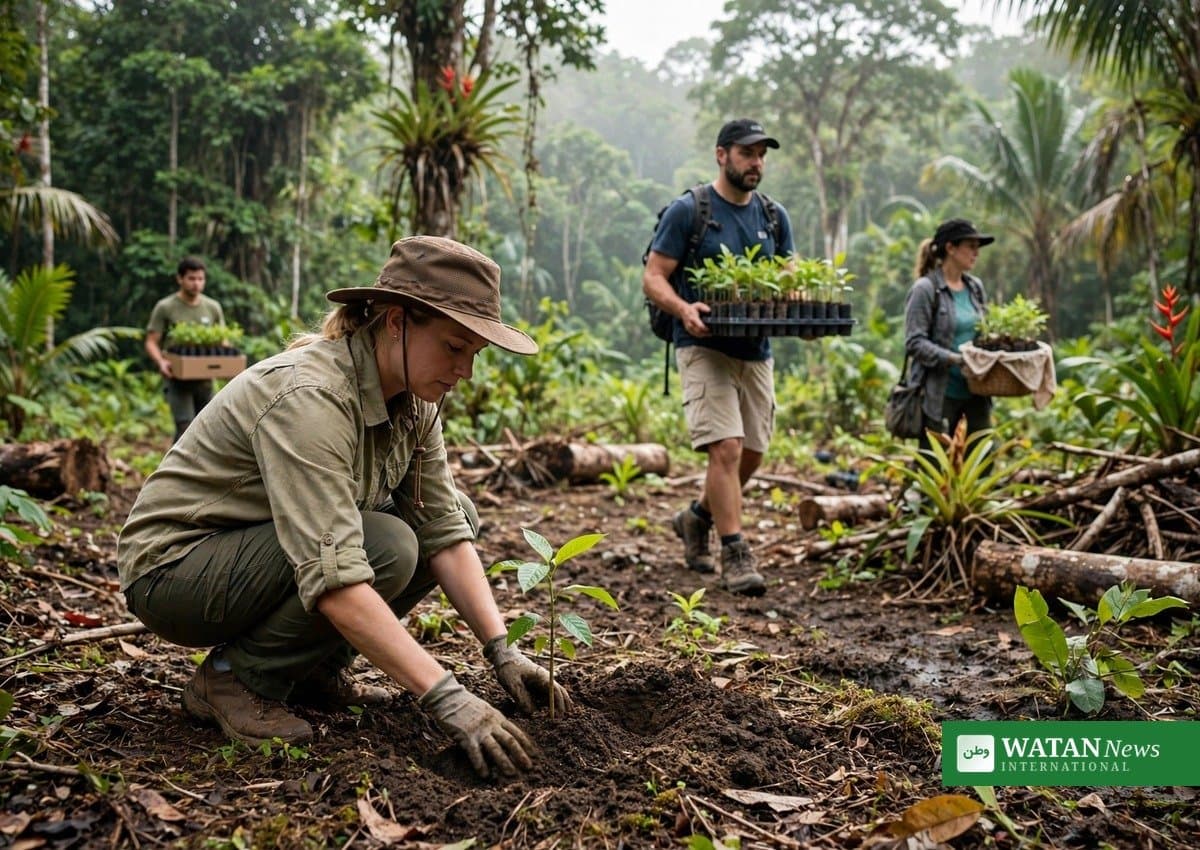
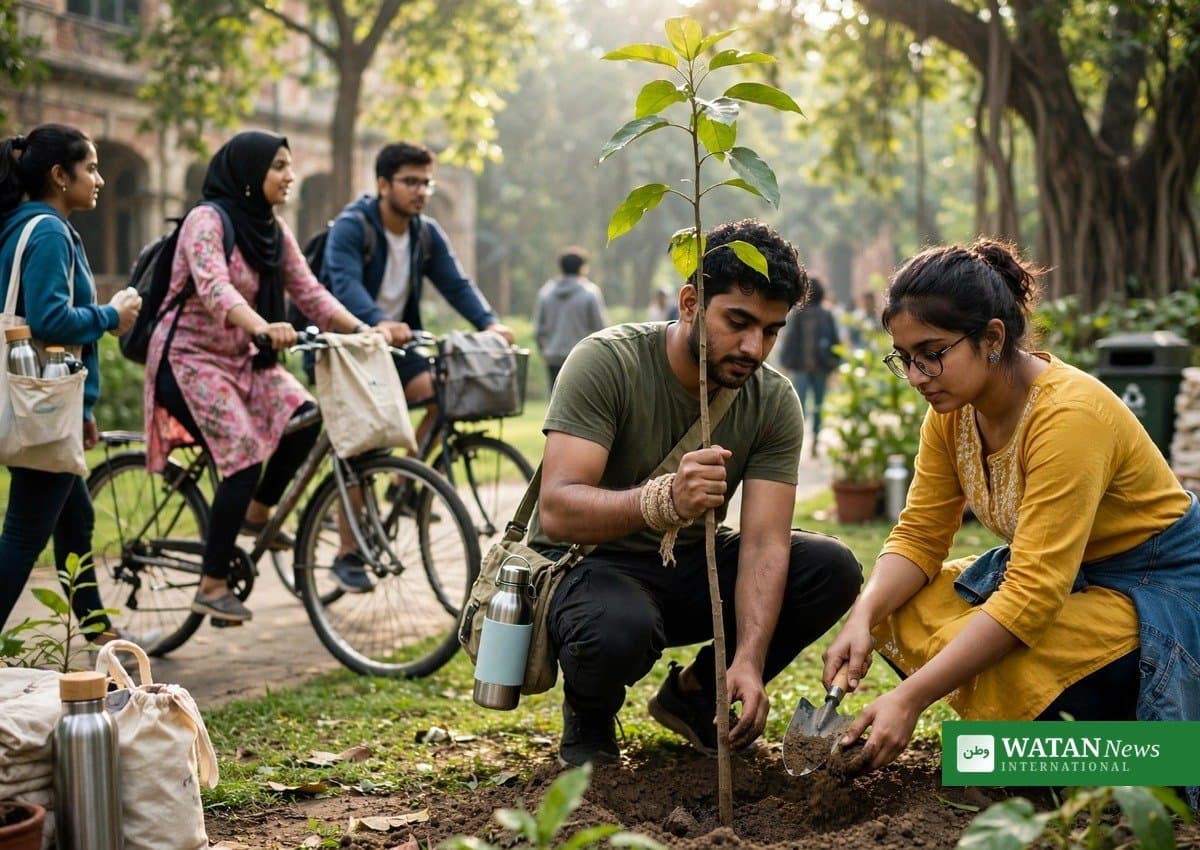
Play Green has since held workshops in more than 40 schools. It prioritises fruit trees, including avocado, mango and guava, so that planting also helps address food insecurity among schoolchildren. Each child adopts a planted tree, labelled with their name and the year of planting. Wekesa has said more than 8,000 fruit trees have been planted in schools through the programme.
The initiative also introduced reusable bottles for Kenya’s men’s and women’s national sevens teams, saving approximately 1,000 single-use plastic bottles every week. At the 2026 Safari Sevens tournament at Nyayo National Stadium, Play Green mobilised volunteers who collected approximately 850 kilograms of recyclable plastic, equivalent to an estimated 34,000 plastic bottles, with 67 volunteers contributing 137 volunteer-days. That was 85% of the organisation’s 1,000-kilogram target, at an event that recorded an estimated 33,000 fan visits.
Wekesa had previously received an International Olympic Committee Climate Action Award, and in April 2026 he met UN Environment Programme Executive Director Inger Andersen to discuss reducing single-use plastics during the 2027 Africa Cup of Nations, to be co-hosted by Kenya, Uganda and Tanzania.
“This award belongs to everyone who believes in the power of sport to drive climate change action and transform communities. Through Play Green, we are proving sport can be a force for lasting change,” Wekesa said. “From over 8,000 fruit trees planted in schools to recycling almost a tonne of PET at Safari Sevens, we have only just begun.”
Key facts
- Award: 2026 United Nations in Kenya Person of the Year, reported 27 October 2026.
- Winner: Bornface Otieno Owino, 29, farmer from Homa Bay County, Kenya; first recipient under 30.
- Runner-up: Kevin Wekesa, Kenya Sevens international and Olympian, founder of Play Green.
- Farming model: Certified seeds, efficient irrigation, integrated pest management and soil conservation, taught on a demonstration farm.
- Sport model: More than 40 schools reached; fruit trees adopted by children; reusable bottles saving about 1,000 single-use bottles a week.
- Event count: About 850 kilograms of recyclable plastic collected at Safari Sevens 2026, equal to an estimated 34,000 bottles.
Why two champions matter
The two honourees show two different routes to the same goal. One route works through the land itself: better seeds, careful water use and healthy soil, passed from farmer to farmer. The other works through the places where young people already gather: schools and sports grounds, where a tree with a child’s name on it, or a bottle that is refilled instead of thrown away, makes climate action something people can see and count.
Both models are built to be copied. A demonstration farm can train a village, and a school programme can spread from one pitch to the next. That replicability is what turns a single award into wider change, and it is why the recognition of grassroots champions matters alongside national policy and international negotiations. Readers can follow more climate champion stories on Watan News International.