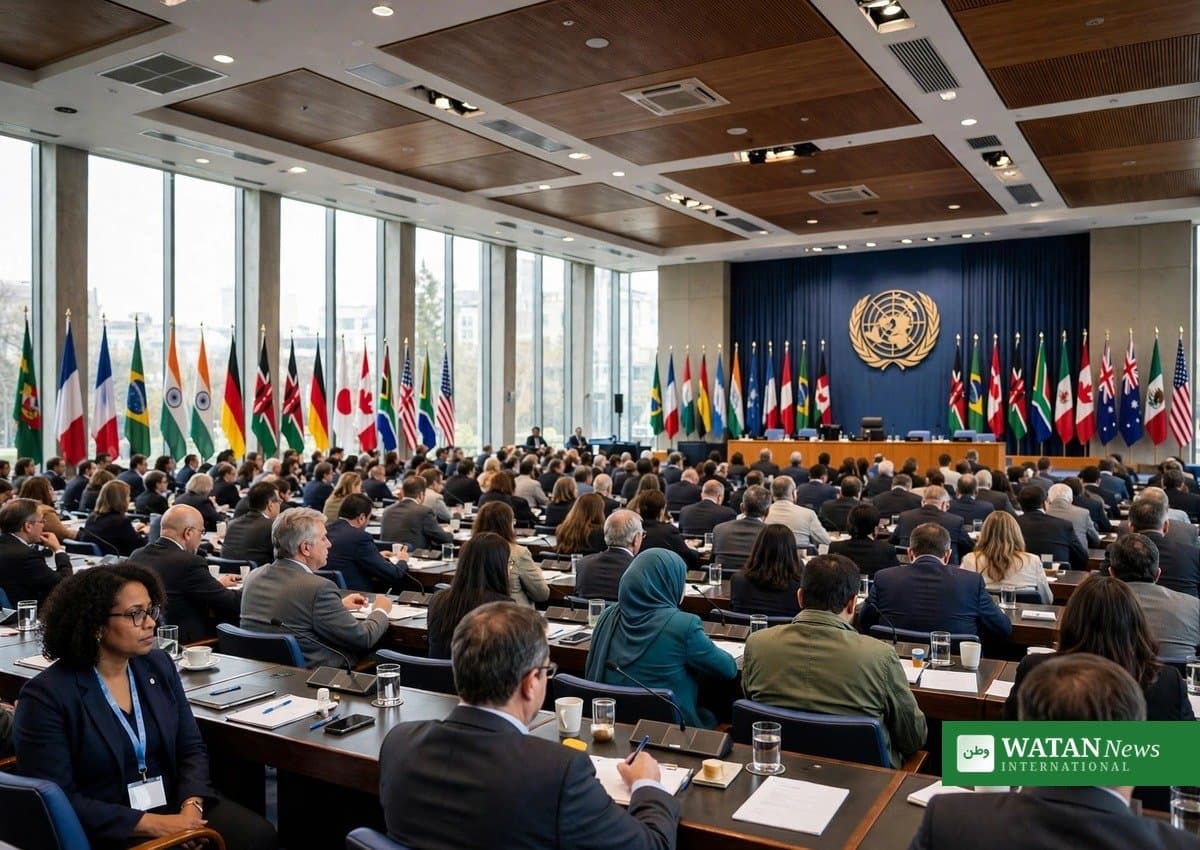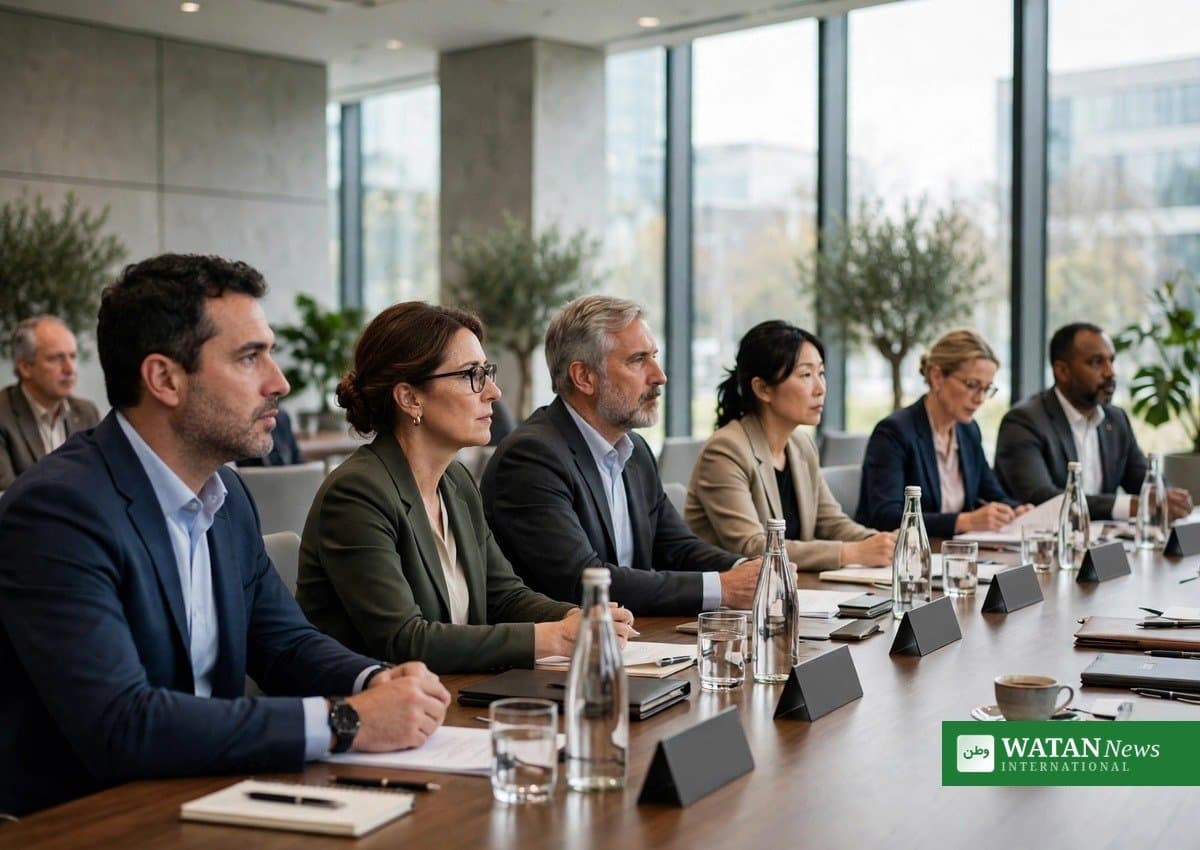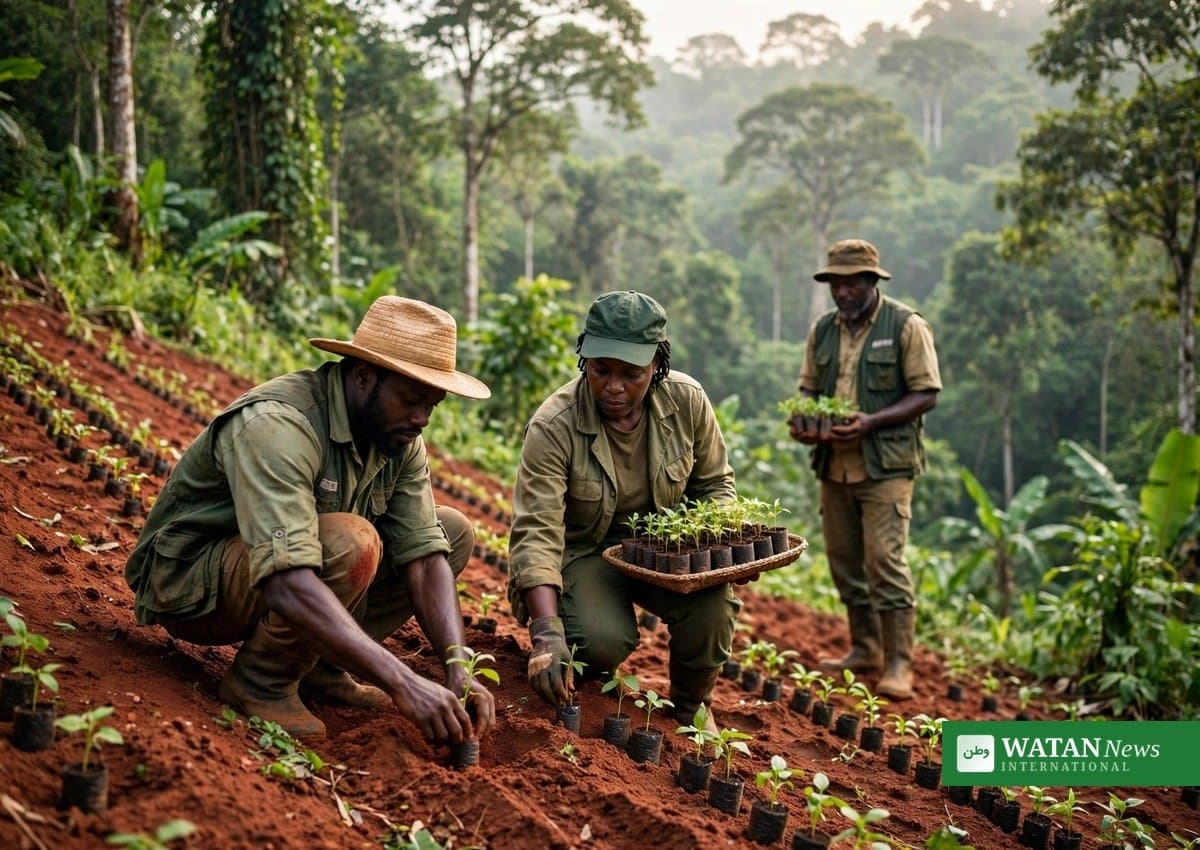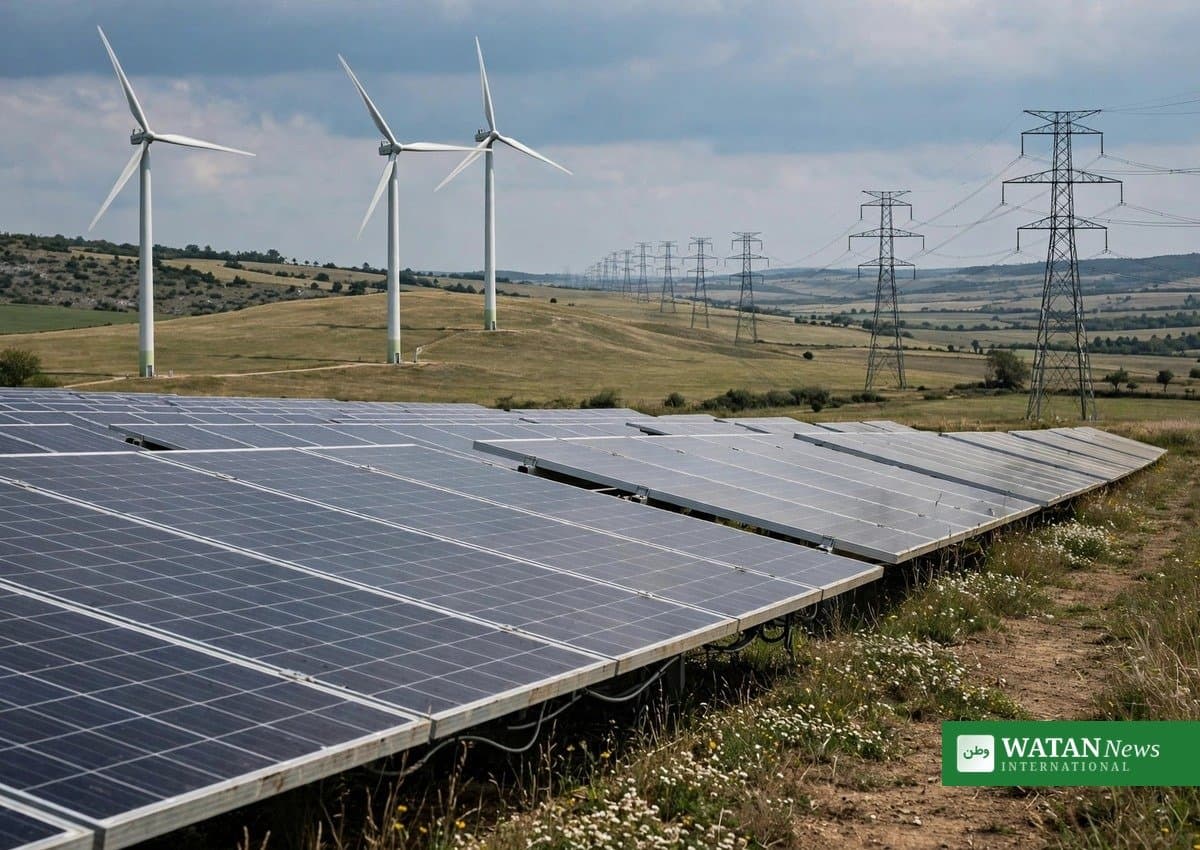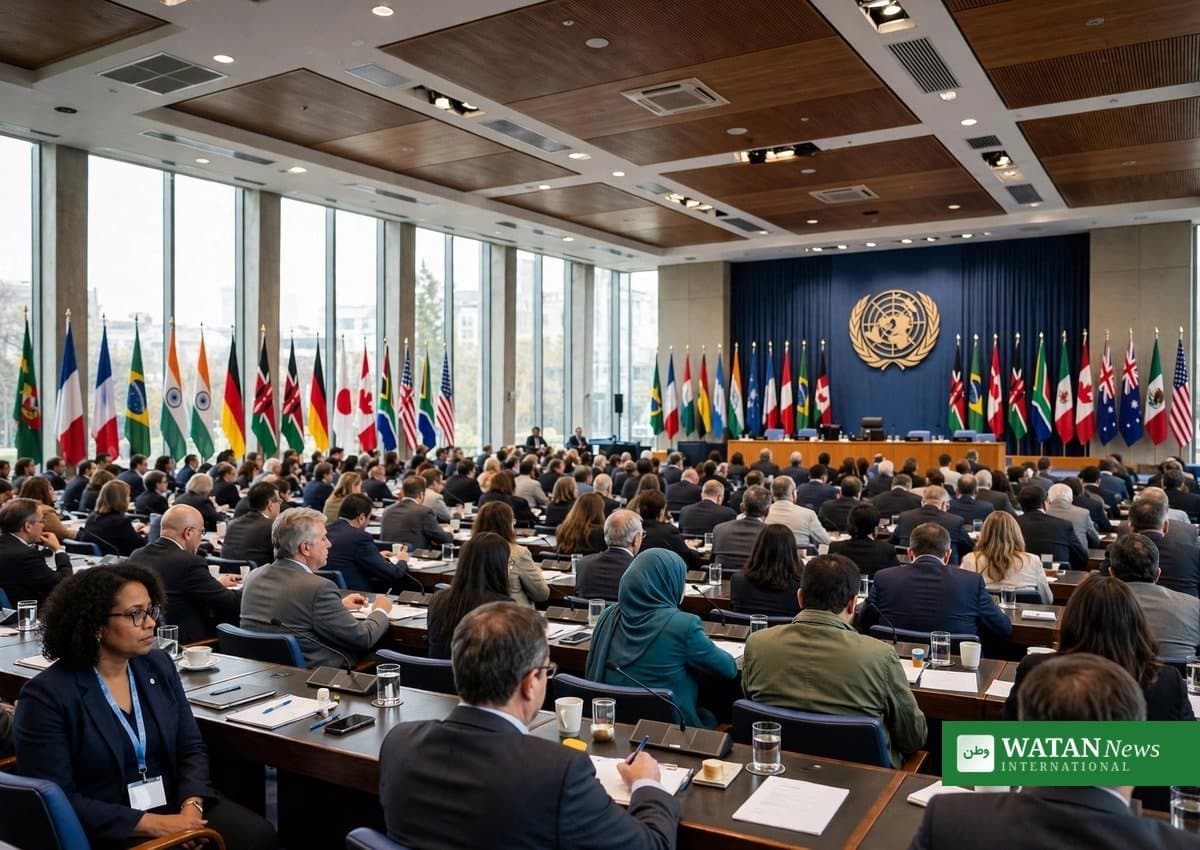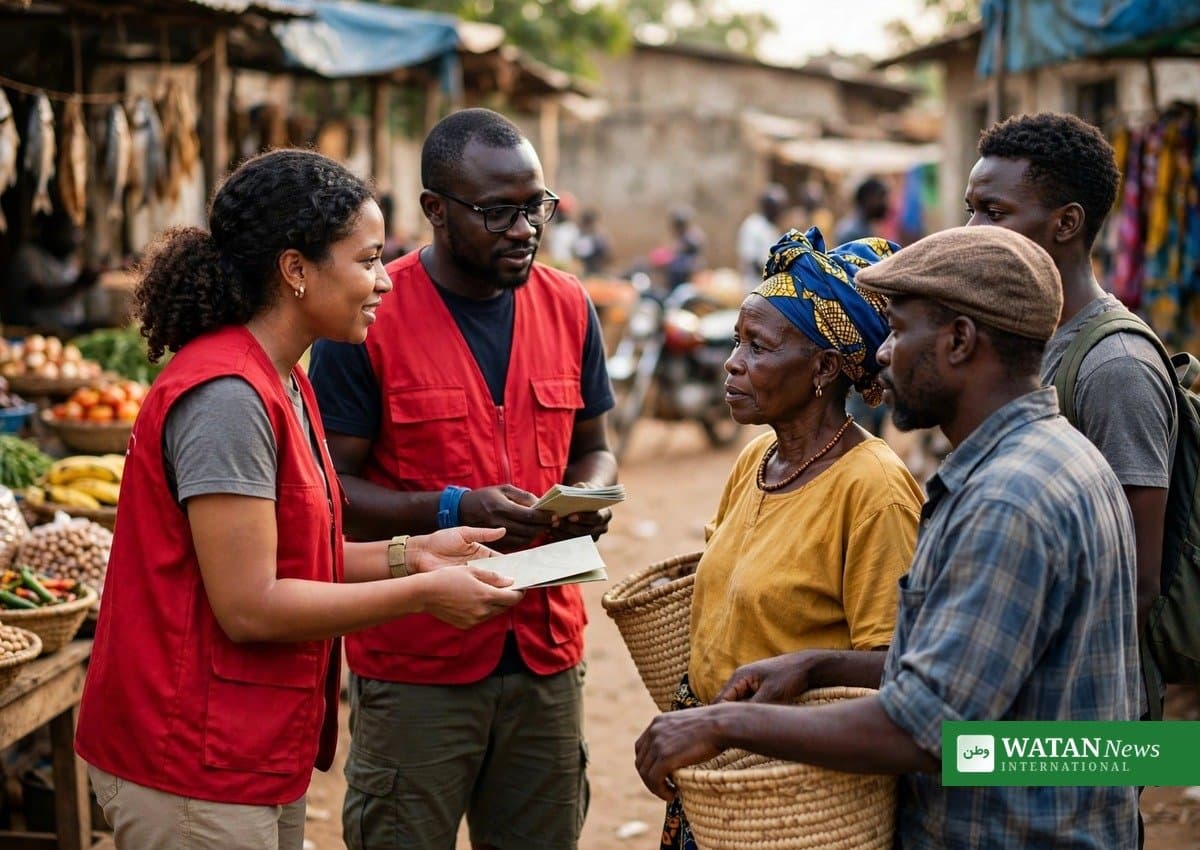
Türkiye’s Communications Director Burhanettin Duran has urged journalists covering climate change to give solutions as much space as risks, warning that relentlessly negative coverage can deepen public anxiety and produce “green fatigue”. He made the remarks on Tuesday at a panel in Ankara titled From Zero Waste to COP31: Türkiye’s Climate Diplomacy, as Türkiye prepares to host the COP31 climate summit in Antalya on 9–20 November 2026.
For climate journalism, the message matters: COP31 will be one of the most reported climate events of the year, and how its story is told will shape what audiences take away from the negotiations.
A call for solutions reporting
Duran said COP31 is an important opportunity for Türkiye to share its vision of climate diplomacy with the international community. Climate challenges such as biodiversity loss, ocean pollution, desertification, water problems, global warming and waste management, he said, have long exceeded what any single country can address with national resources alone.
“Climate diplomacy is a concept we use precisely for this reason,” he said, adding that government policies become meaningful only through international negotiations, cooperation and shared commitments. He also announced that a climate diplomacy book prepared by the Communications Directorate aims to bring together Türkiye’s experience, efforts and vision, and to contribute to policymaking.
Scientific knowledge alone is not enough, Duran argued: it must also be reflected positively in political decision-making. He cited political scientist Joseph Nye’s description of climate change as a “threat multiplier” rather than merely an ecological crisis, saying the issue is directly linked to global justice and equity. Countries with greater responsibility for climate change, he said, are expected to build greater capacity for technology transfer and climate finance, within a fair negotiation framework that reconciles national interests.
Duran also said conflicts in different parts of the world have serious environmental and climate consequences. He said Israel’s attacks on Gaza not only threaten human life but also deepen the climate crisis through the intensive greenhouse gas emissions they release, and claimed that carbon emissions caused by those attacks since October 2023 had exceeded the annual emissions of hundreds of countries.
Key facts
- COP31 takes place in Antalya, Türkiye, on 9–20 November 2026.
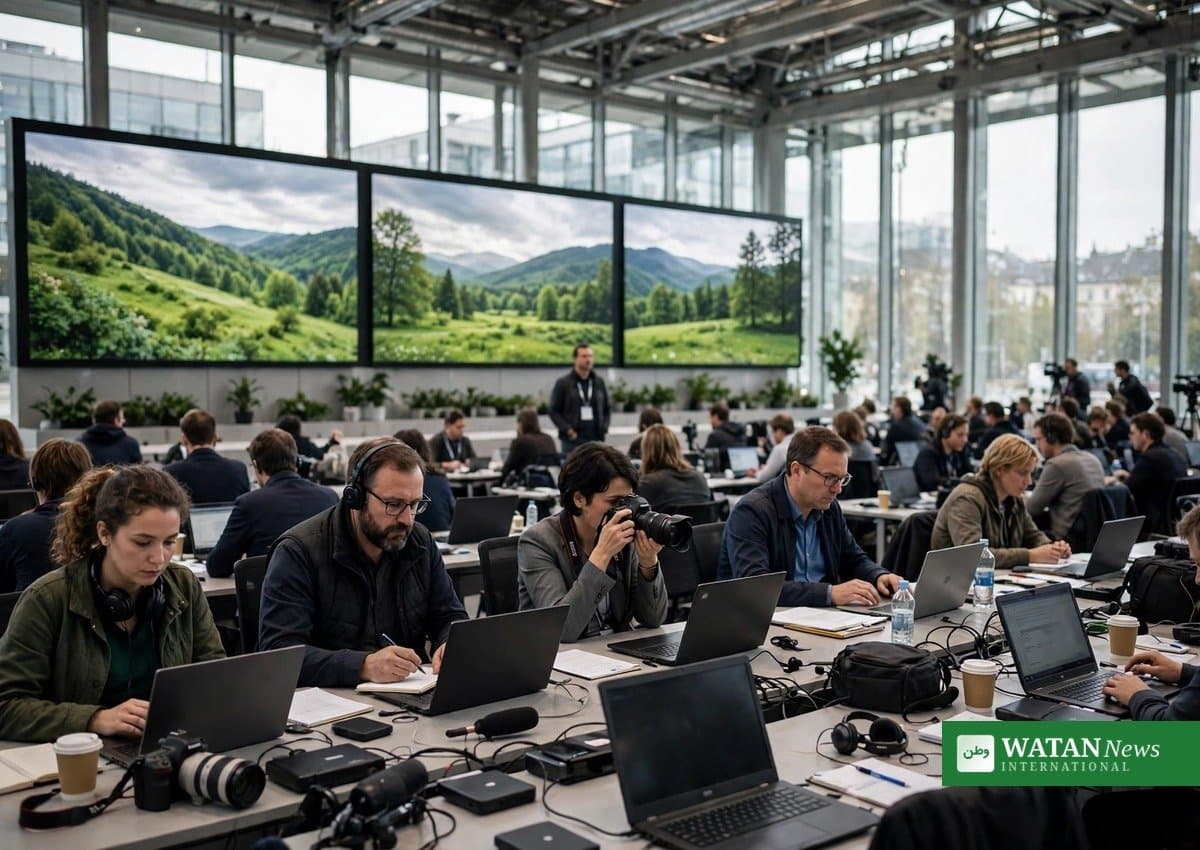
- Türkiye’s Communications Directorate is organising media tours and accrediting journalists for COP31; of about 3,000 press members, procedures for 1,400 have been completed, according to Duran.
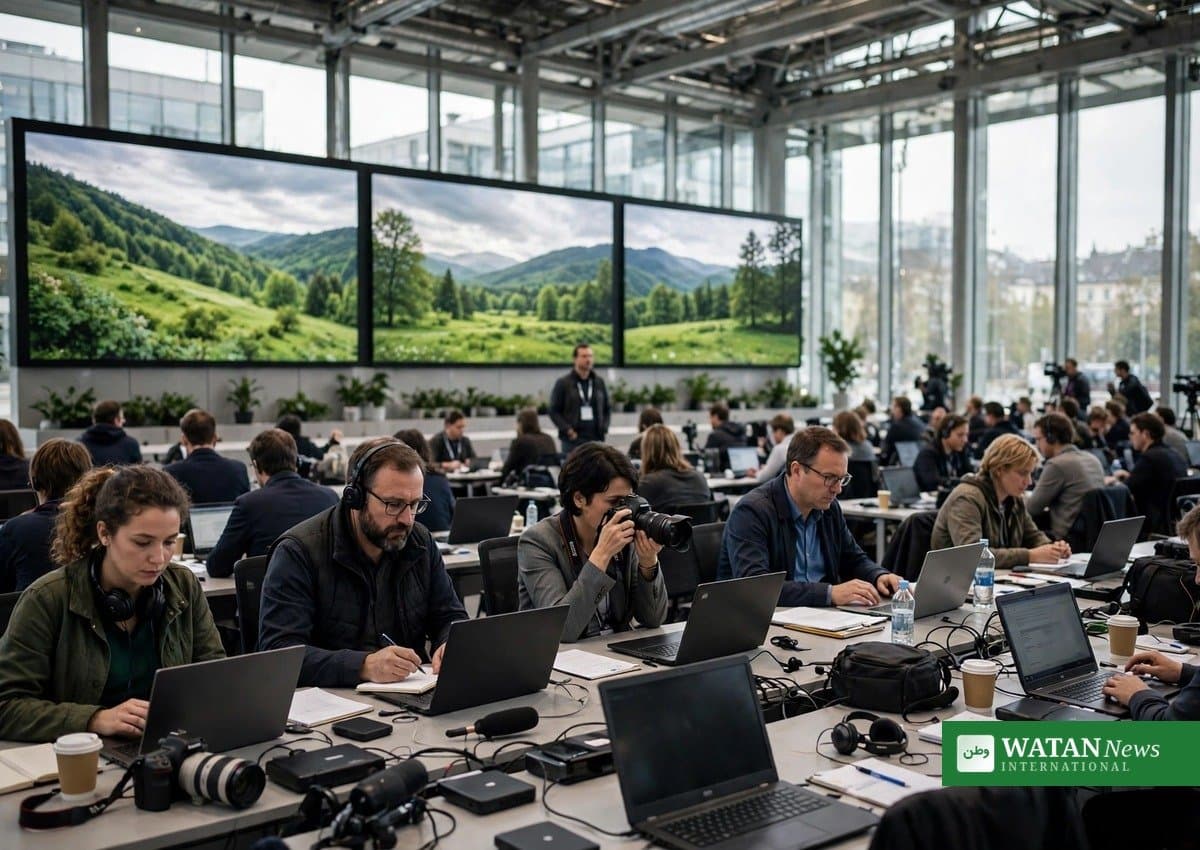
- A media centre for 4,000 press members has been prepared at the venue, according to earlier remarks by Environment Minister Murat Kurum.
- Türkiye ratified the Paris Agreement in 2021 and has set a 2053 net-zero emissions target.
- Anadolu’s “Green Line” project, launched in 2022, provides accessible coverage of environmental and climate issues.
- The UN General Assembly designated 30 March as International Zero Waste Day, with support from 105 countries under Türkiye’s leadership.
Media preparations for Antalya
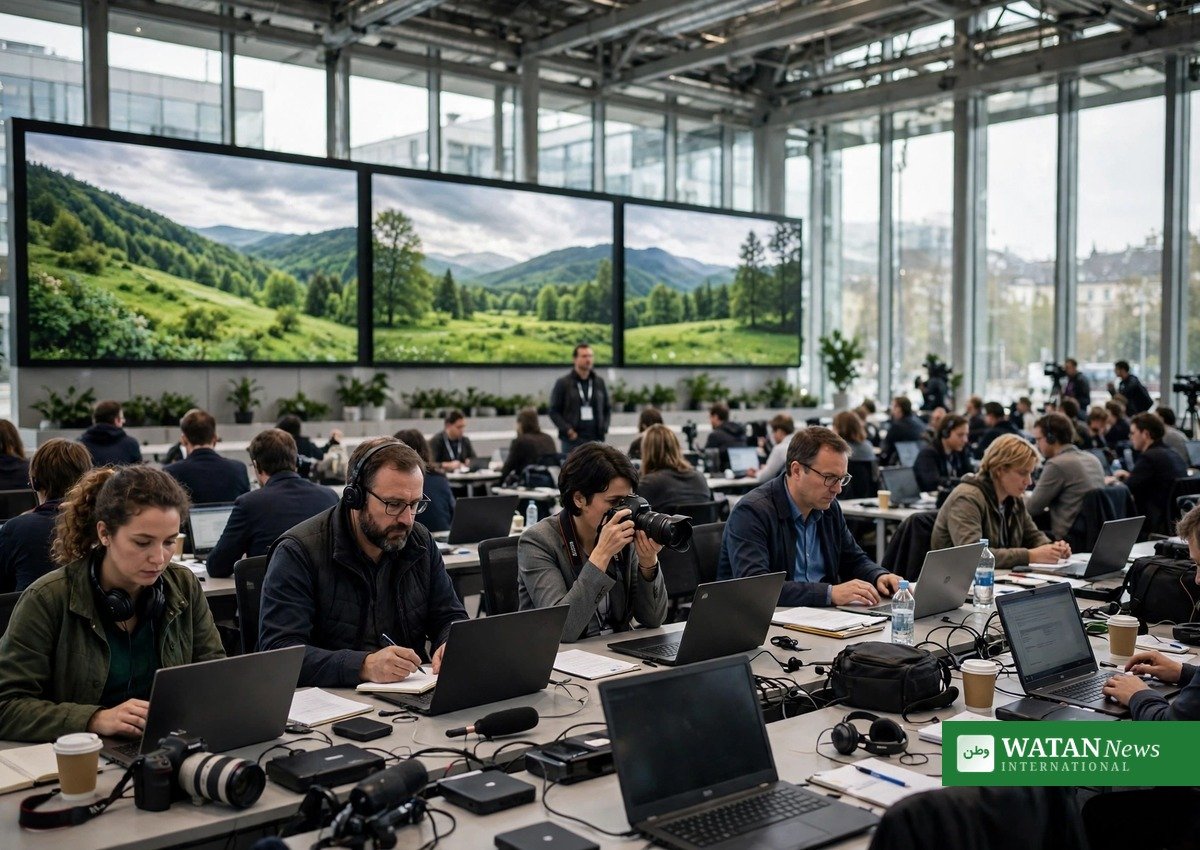
The Communications Directorate is organising environmental and climate media tours, accrediting national and international journalists for COP31, and helping to plan and establish the media centre at the conference venue, Duran said. “Of approximately 3,000 members of the press, the procedures for 1,400 have been completed,” he said.
Türkiye’s vision for COP31, he added, is based on restoring trust through dialogue and translating commitments into concrete results on the ground. “Our goal is to help turn climate pledges into measurable and lasting action,” Duran said, adding that Türkiye aims to accelerate the implementation of international commitments and strengthen cooperation among countries.
Readers following the road to Antalya can also read Watan News coverage of the COP31 co-facilitators’ talks in Antalya.
Everyday climate communication
Duran said climate change is a long-term issue that will affect future generations even more than the present one, and called for hopeful messaging across communication platforms. Türkiye envisions a multifaceted, long-term climate communication strategy, including age-appropriate environmental education for children through experiments, trips, books and stories.
He stressed the role of Turkish public broadcaster TRT in promoting environmental awareness through children’s programmes. He also cited Anadolu’s “Green Line” project, launched in 2022, to provide accessible coverage of environmental and climate issues, and a joint statement on Mediterranean forest fires signed by news agencies from Italy, Spain and Greece.
Environmental awareness, Duran said, needs to become part of everyday life — including home heating, transport, consumption habits, packaging and waste management — rather than remaining limited to expert opinions. He also warned that inadequate public communication could leave climate efforts vulnerable to disinformation and social resistance, noting that the Directorate’s Center for Combating Disinformation monitors misleading campaigns on climate issues.
Why this matters for climate journalism
The appeal lands at a moment when climate reporting is under pressure from both sides: audiences need to understand the scale of the crisis, but constant crisis-only coverage can switch them off. Duran’s “green fatigue” warning echoes a debate inside newsrooms about solutions journalism — reporting that still holds power to account, but also shows what works, where, and for whom. For COP31, that balance will be tested daily in Antalya, where thousands of journalists will translate complex negotiations into stories the public can use.