Iran’s security chief held talks with the country’s supreme leader in Tehran on Tuesday, a day after officials from Saudi Arabia, Turkey and Pakistan visited the Iranian capital in a bid to ease Middle East tensions. Security Council chief Mohsen Rezaei met Supreme Leader Ayatollah Mojtaba Khamenei, not seen in public since succeeding his father this year.
According to Iranian state media, Khamenei told Rezaei that Iran must protect its interests and hold to its conditions for ending the war that has gripped the region since February.
FAKTA: Key facts
- Who met: Security Council chief Mohsen Rezaei and Supreme Leader Ayatollah Mojtaba Khamenei, in Tehran on Tuesday, 27 October.
- What came before: Officials from Saudi Arabia, Turkey and Pakistan visited Tehran on Monday to discuss easing regional tensions.
- Why it matters: First high-level contact between Iran and the three countries since they signed the Mecca mutual defence pact in August.
- Main topics: National and regional security, control of the Strait of Hormuz, and stronger ties with neighbours.
- Iran’s position: No talks on its nuclear programme until its demands for ending the war are met, including ending the blockade of its ports and oil sanctions.
A day after the Tehran talks
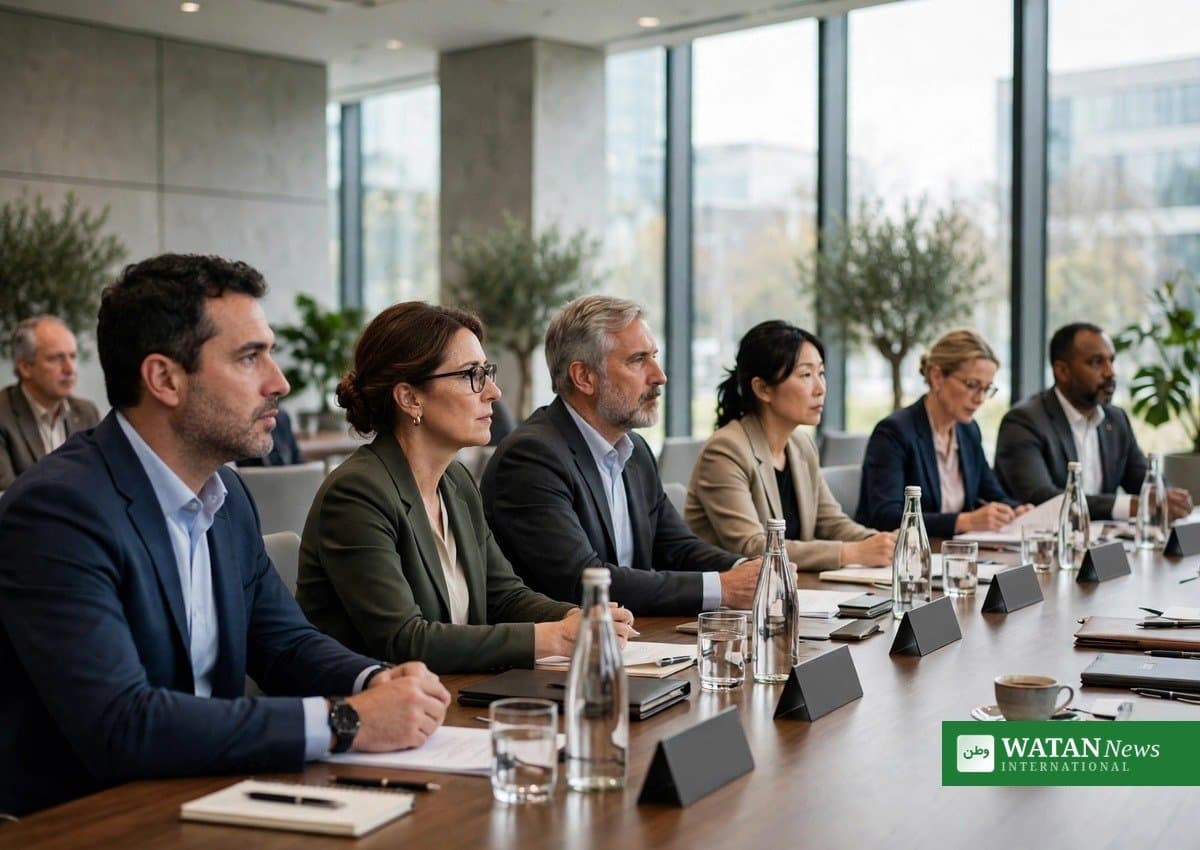
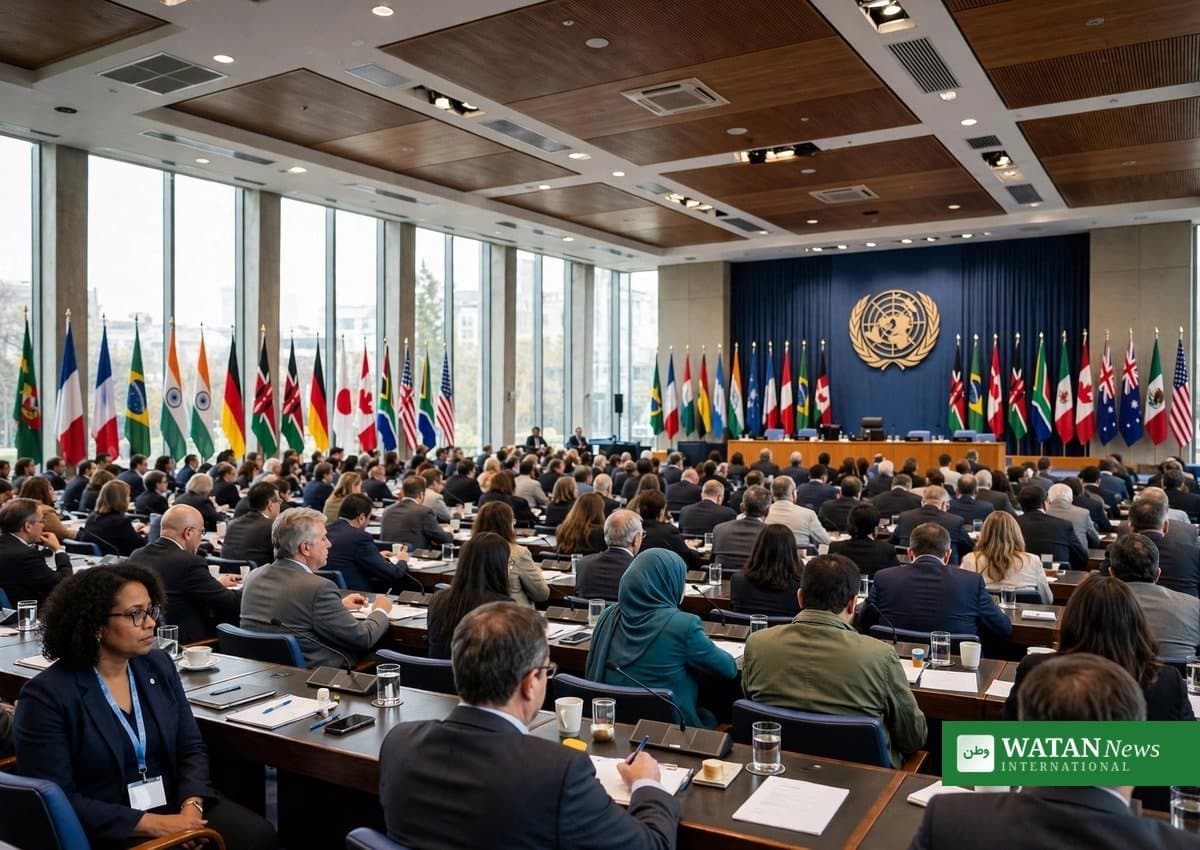
Monday’s visit was the first high-level contact of its kind since the war pulled Saudi Arabia and Yemen’s Houthi movement into conflict. The three visiting countries signed a mutual defence pact in Mecca in August, and their trip was aimed at exploring whether the fighting can be ended through negotiation.
State media reported that Khamenei and Rezaei reviewed the outcome of those discussions and Iran’s security position. Khamenei has kept a low public profile since taking over from his father, who died in March,
Strait of Hormuz and the nuclear question
Among the subjects discussed was the Strait of Hormuz, the narrow waterway through which a large share of the world’s seaborne oil passes. Iranian state media said safeguarding control over the strait and strengthening relations with neighbouring countries were central to the conversation.
On the nuclear issue, an Iranian official said Tehran would not discuss its programme during Monday’s meeting, and would only address it once its demands for ending the war are met. Iran rejects Western claims that its programme serves military purposes, while Washington has pressed Tehran to scale back enrichment. US Vice President JD Vance said three weeks ago that Iran must reduce nuclear enrichment before the war can end, underlining how far apart the two sides remain.
No agreement yet, but a channel stays open
No agreement to end the fighting was announced after either the Monday talks or Tuesday’s leadership meeting. Even so, the visits and the Tehran discussion signal regional countries are seeking to lower tensions rather than let the conflict widen. The channel between Tehran and the Mecca pact countries is open again, and further contacts are likely as the region searches for an exit from the war. More on the region’s diplomacy can be found on Watan News International.