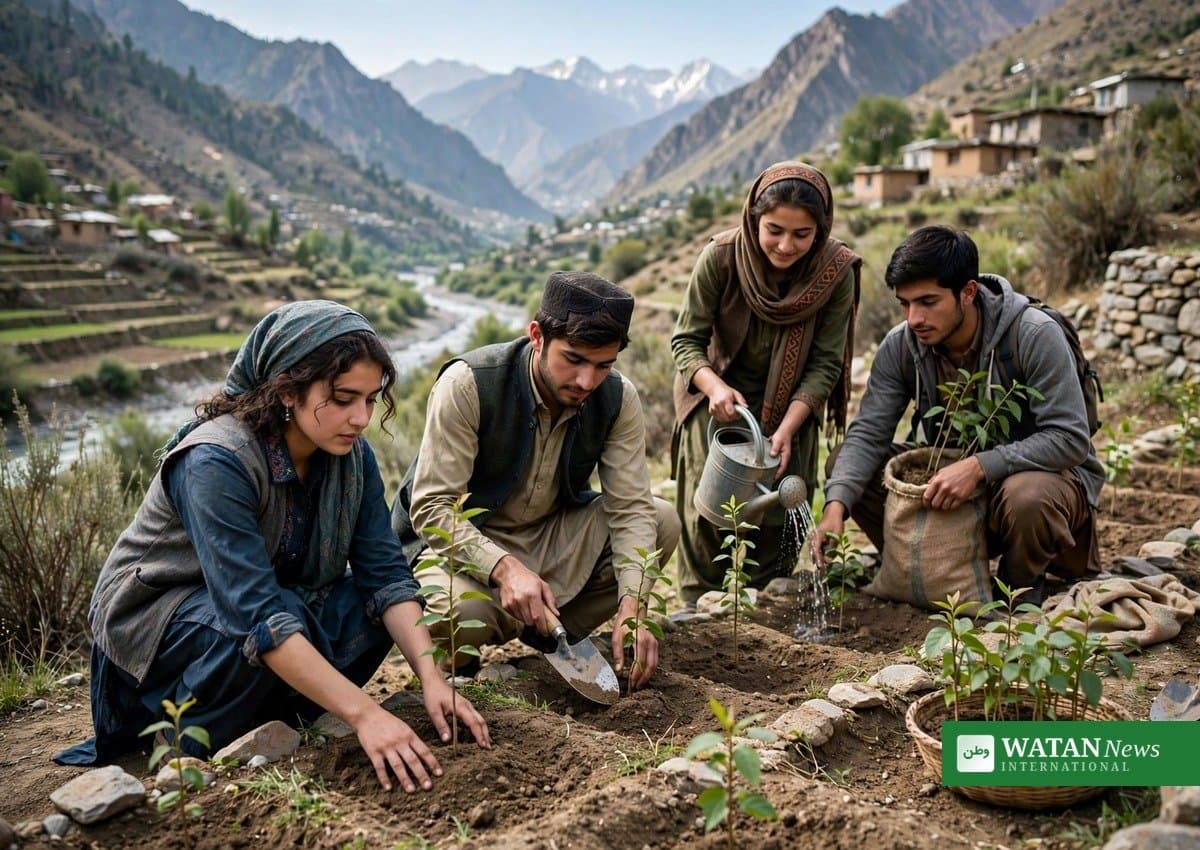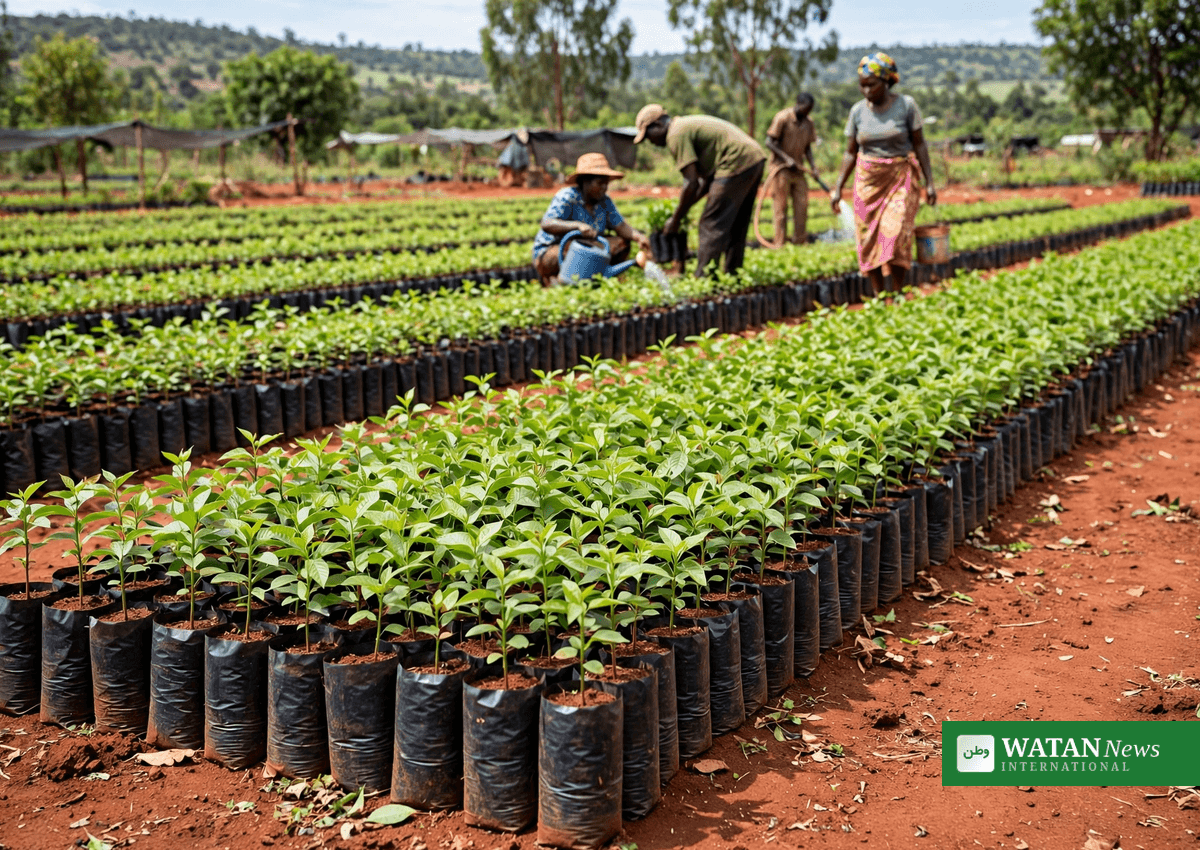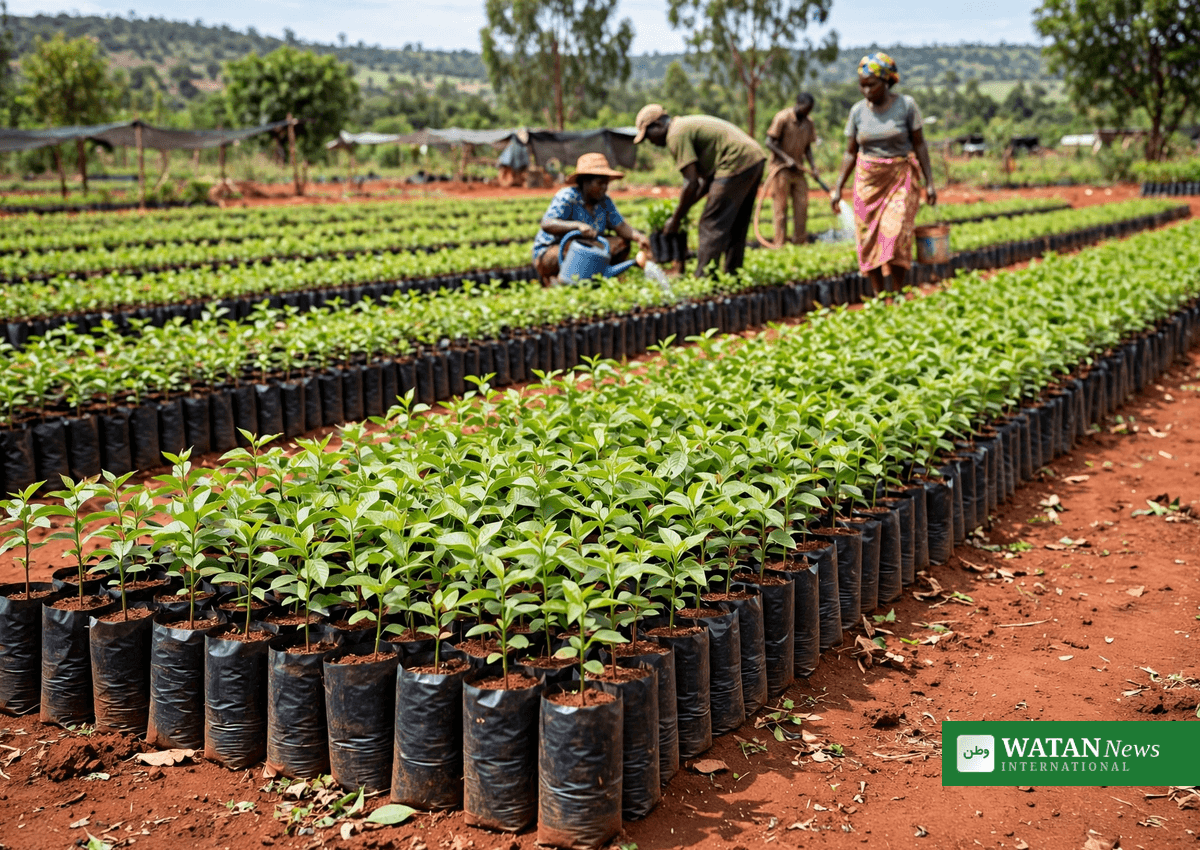
LILONGWE, Malawi — Lilongwe City Council plans to build a state-of-the-art tree nursery that will produce 10 million seedlings between 2026 and 2028, in a major push to restore the Malawian capital’s green cover and curb environmental degradation.
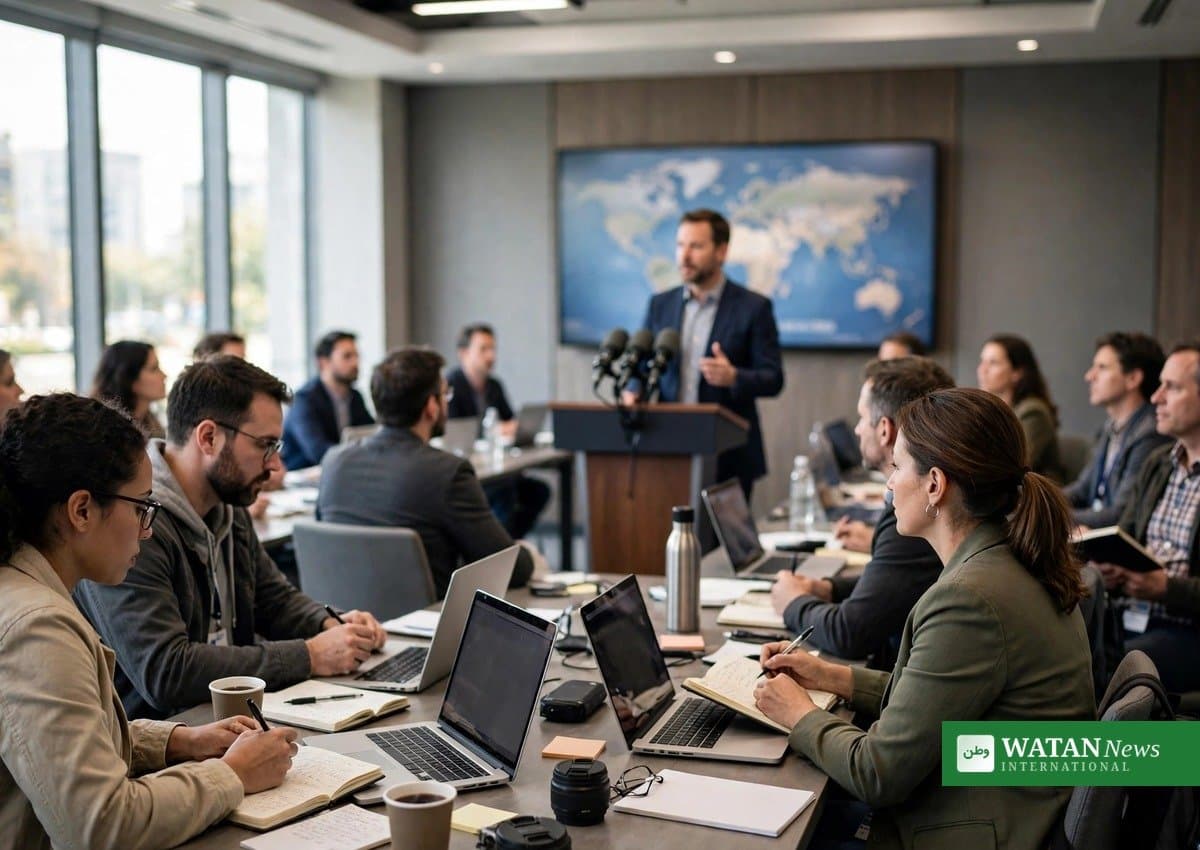
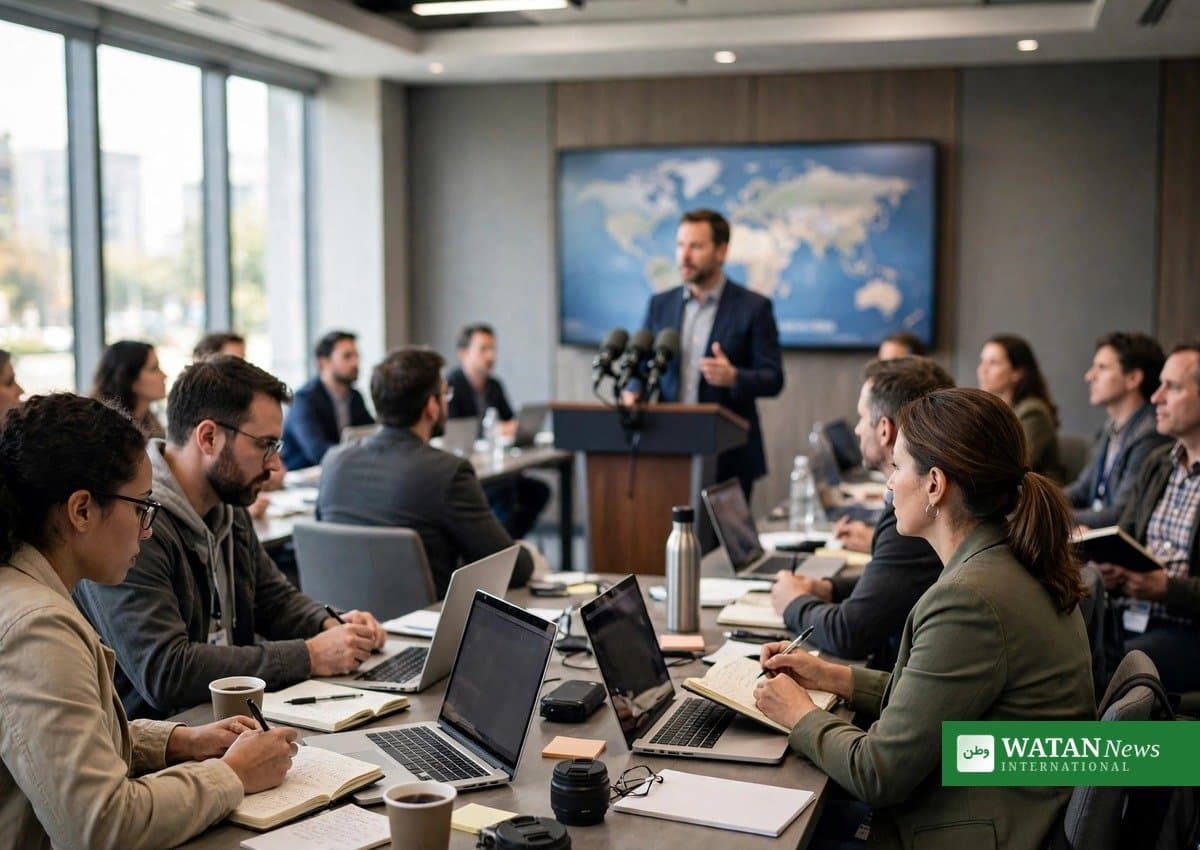
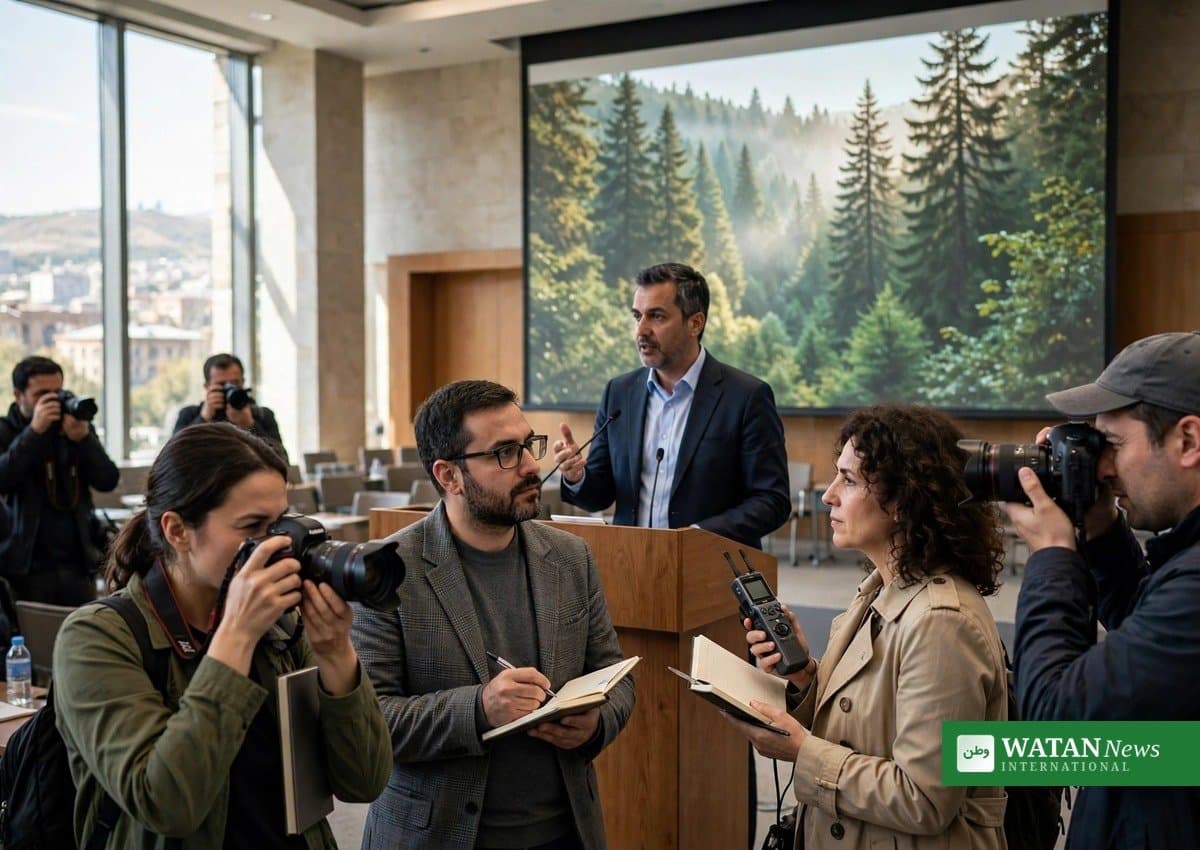
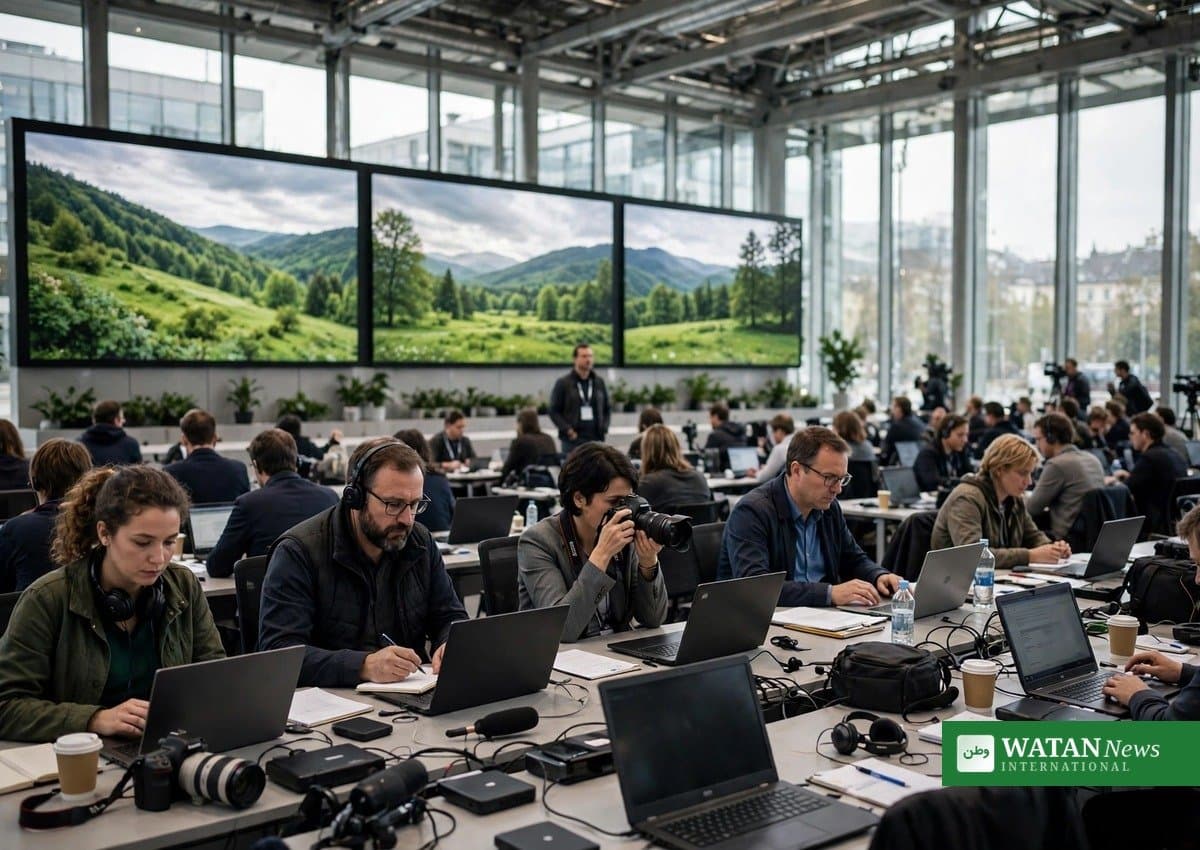
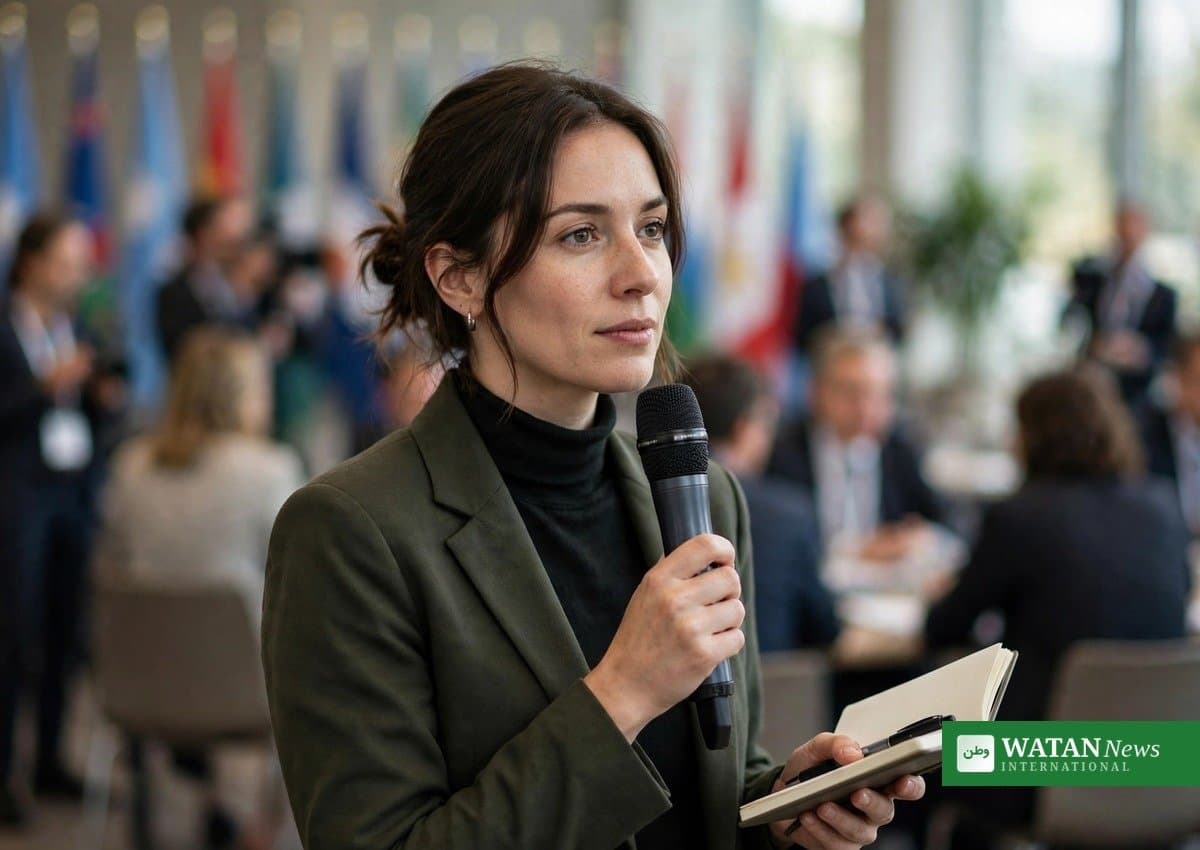
The Lilongwe tree seedlings plan was outlined at a media briefing in Lilongwe on Friday, 30 October, where city leaders said four million seedlings are earmarked for Lilongwe City and six million for the wider Lilongwe District within two years. The initiative sits under the Lilongwe Green City Initiative, which aims to rebuild tree cover and make the city greener and more climate-resilient.
A hundredfold scale-up for Lilongwe tree seedlings
The scale of the ambition is stark when set against current output. Lilongwe City Council currently produces fewer than 100,000 seedlings a year, according to Mayor Peter Alex Banda — far short of what the new two-year target requires.
Reaching 10 million seedlings in two years means producing, on average, about five million seedlings a year — roughly 50 times the current annual output. City leaders were open about the gap, and framed the nursery as a corrective effort rather than a continuation of past planting routines.
“We need corrective effort to restore the city’s greenery,” Chief Executive Officer Clement Stambuli said at the briefing, as reported by News265.
Why Lilongwe lost its green cover
Officials pointed to several pressures that have stripped the city of trees. Construction and development have removed trees in several parts of the city, while rapid urban expansion has put pressure on open spaces and sensitive ecosystems.
The council also cited loss of vegetation, dust pollution and soil erosion among the environmental problems the greening push must address. Stambuli noted that areas once covered with trees are increasingly losing their green cover, and called for a more coordinated approach to environmental management.
The nursery plan therefore covers more than seedling numbers: it is presented as part of restoring the city’s environment, improving the urban landscape and supporting sustainable urban development.
What partners are being asked to do
The council has appealed to partners to help close the production gap. The call includes sponsoring seedling production, providing polythene tubes, supplying mature seedlings, supporting fruit trees in primary schools, and adopting designated areas for tree planting and maintenance.
Residents are also being encouraged to plant trees along roads, in residential areas and in other designated spaces. The Association of Environmental Journalists (AEJ), which hosted the briefing, pledged support in promoting conservation and raising public awareness, with its representative Grace Kapatuka calling on government, the private sector, faith-based organisations and citizens to join the effort.
Planting is only the first step
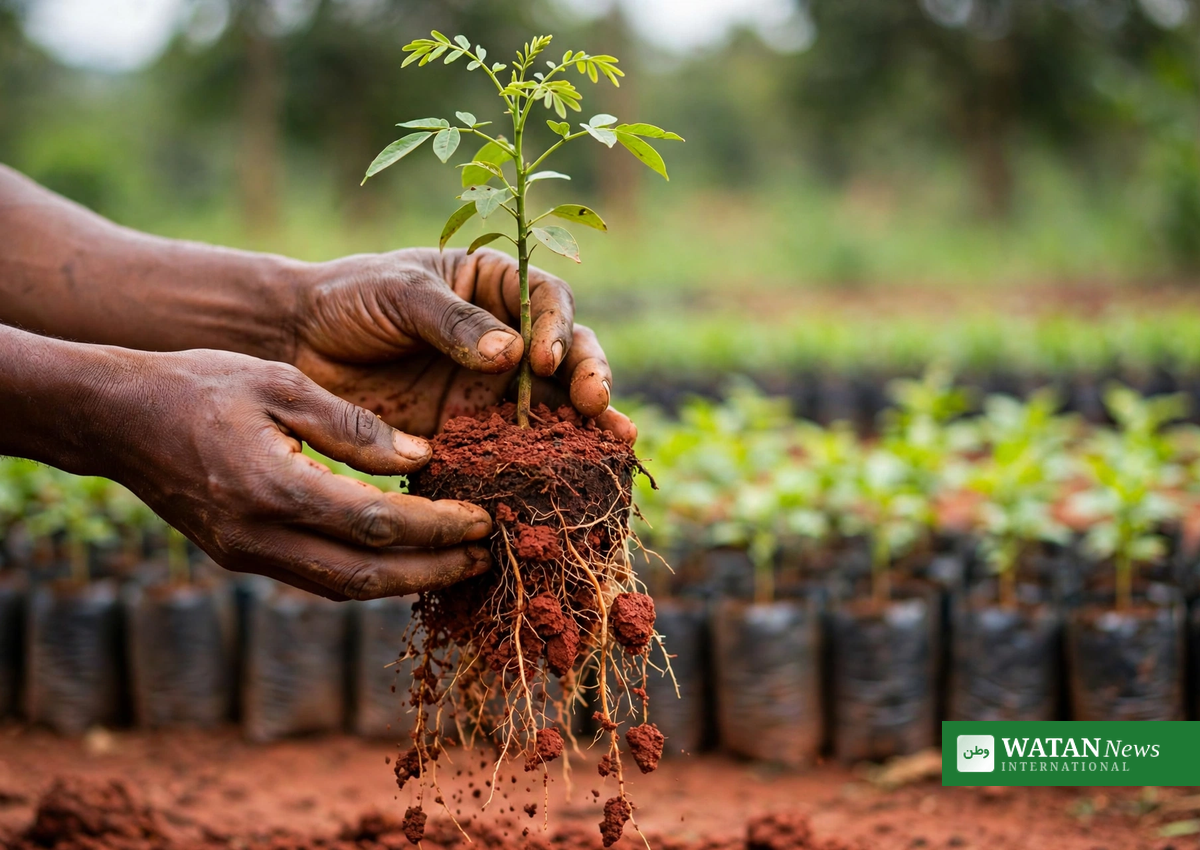
Both city leaders stressed that planting alone will not restore Lilongwe’s green cover. Stambuli called on the public not only to plant trees but also to take care of them, in order to restore what he described as the city’s lost glory.
Banda made the same point in stronger terms, saying successful urban greening goes beyond organising tree-planting ceremonies. Sustained commitment, he said, is needed to ensure planted trees are properly maintained and protected, with communities and other stakeholders playing a central role in their survival.
That emphasis on aftercare matters because the programme’s success will be judged not by seedlings produced, but by trees that survive to shade streets, stabilise soil and rebuild the city’s green identity over the coming years.
For more climate news, see Watan News International’s climate coverage.
Key facts
- Target: 10 million tree seedlings between 2026 and 2028.
- Split: Four million for Lilongwe City and six million for Lilongwe District.
- Current output: Fewer than 100,000 seedlings a year.
- Programme: Lilongwe Green City Initiative, led by Lilongwe City Council.
- Announced: At a media briefing in Lilongwe on 30 October 2026.