
Chinese leader Mao Zedong was remembered for his role in building modern China and laying the foundations of enduring Pakistan-China friendship on his 50th death anniversary. Speakers at a ceremony marking the occasion praised his political legacy and reaffirmed China’s importance in Pakistan’s foreign policy.
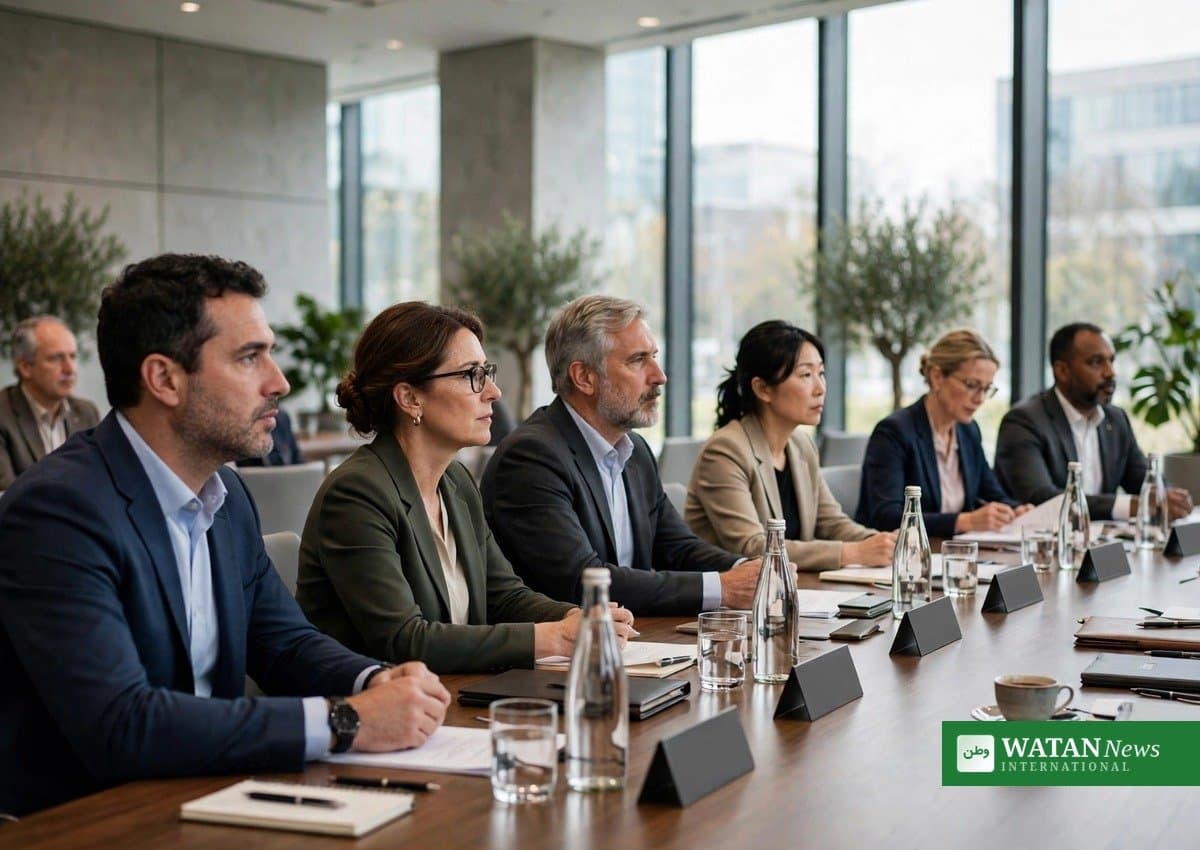
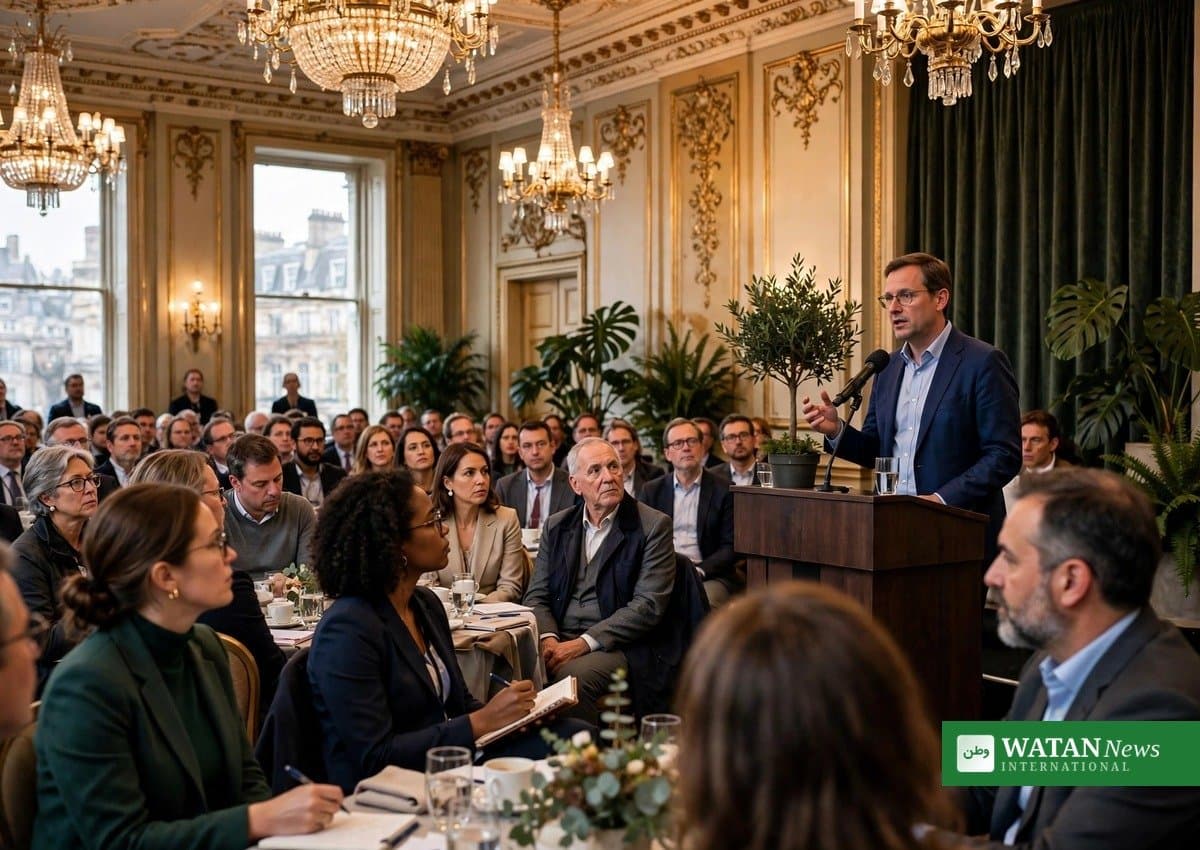
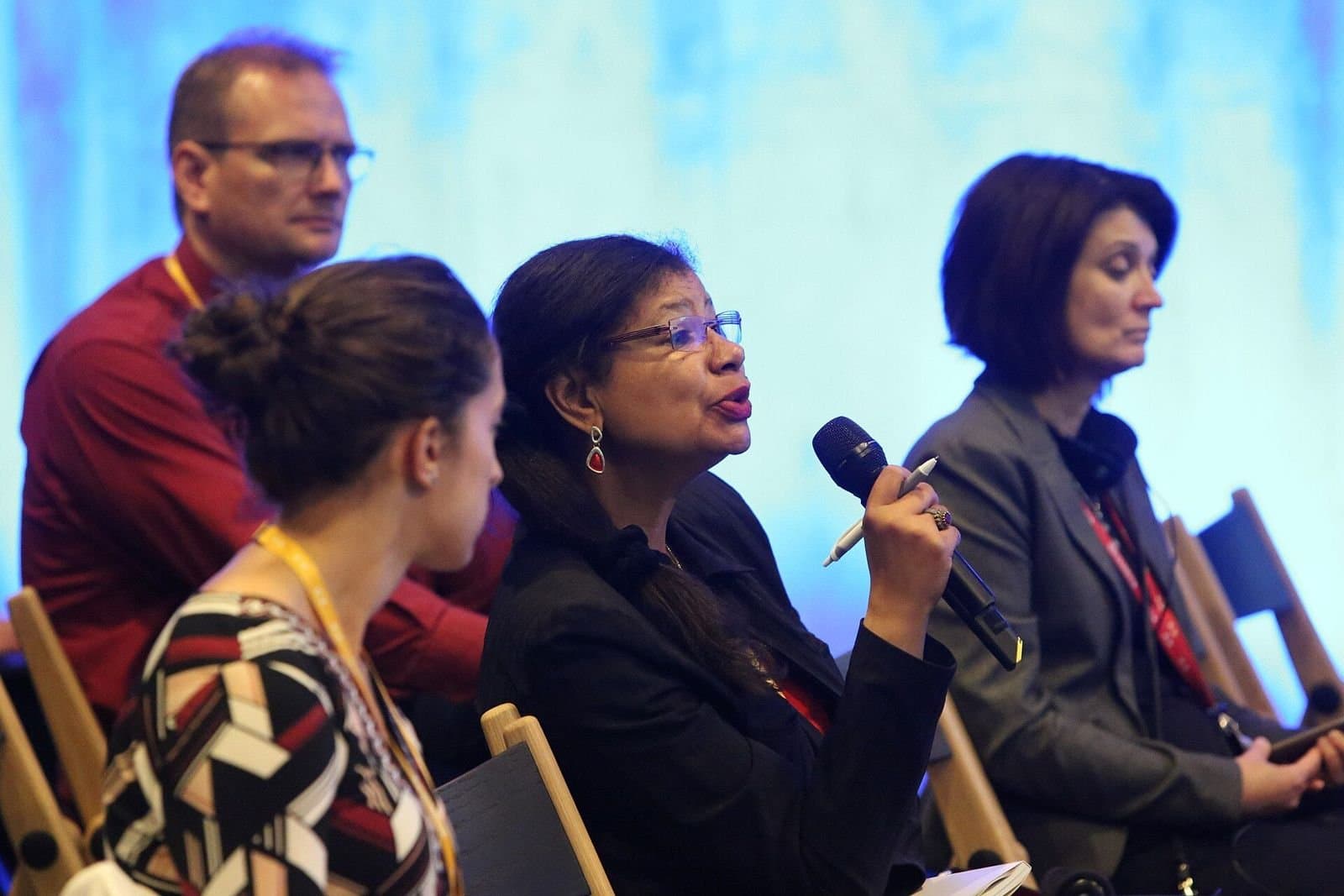
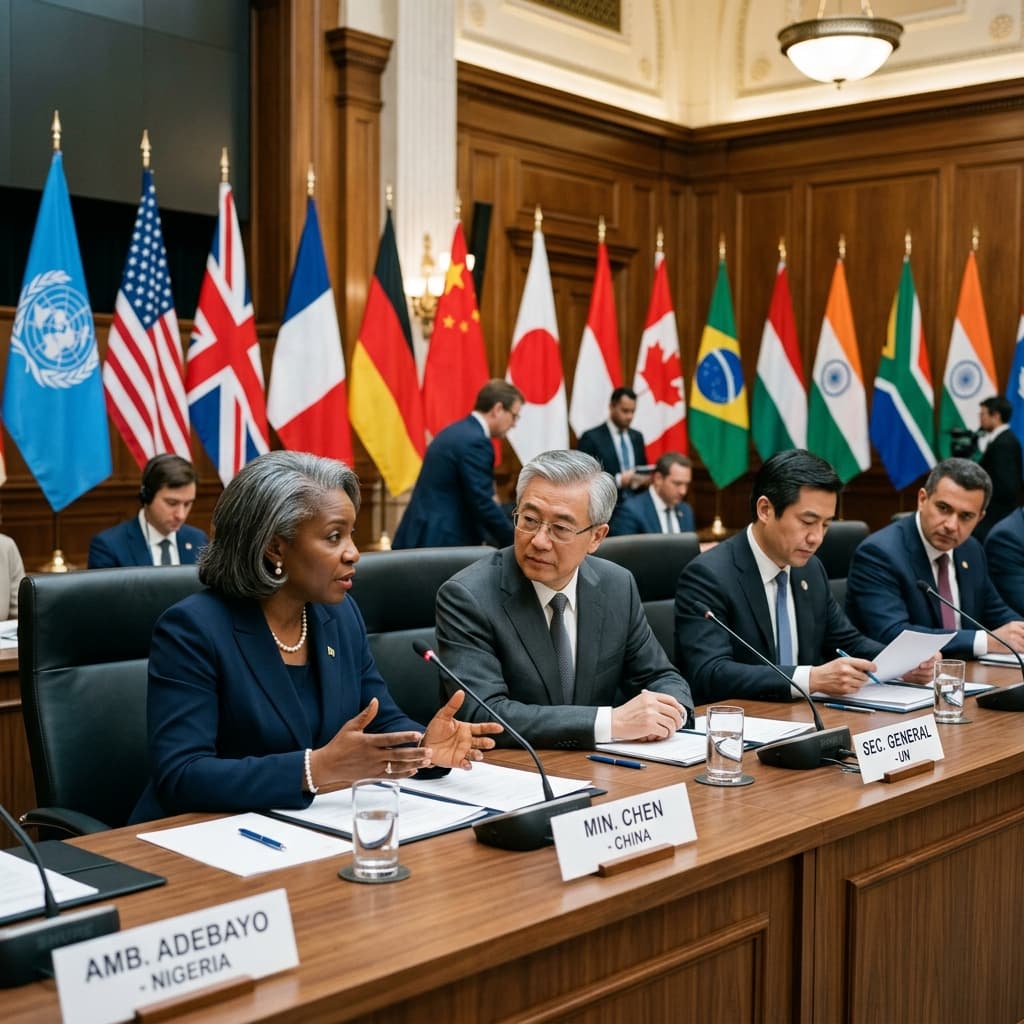
The ceremony, organised by the Pakistan-China Institute, was attended by parliamentarians, policymakers, diplomats, business leaders, students, and scholars.
- Mao Zedong was hailed as the architect of Pak-China friendship.
- Speakers praised his role in building modern China.
- China remains the “pivot” of Pakistan’s foreign policy.
Mao’s Legacy in Building Modern China
Senator Mushahid Hussain, Chairman of the Pakistan-China Institute, described Mao as one of the three “historical giants” of the 20th century who shaped the course of history. He said Mao transformed Chinese society by ending feudal structures, expanding education, improving life expectancy, advancing women’s rights, and developing the country’s scientific and technological capabilities.
Mao’s Support for Pakistan
Senator Mushahid also described Mao as an “architect” of Pakistan-China friendship, saying the Chinese leader had extended full support to Pakistan during the 1965 war with India. He said Mao had also supported causes including Kashmir and Palestine, besides backing liberation movements in Africa.
Decisive Moments in Mao’s Leadership
Senator Mushahid highlighted three decisive moments in Mao’s leadership: the Long March in 1935, the Cultural Revolution launched in 1966, and Mao’s diplomatic opening to the United States in 1971.
Other Speakers Pay Tribute
Other speakers paid tribute to Mao as a revolutionary, thinker, and philosopher, describing him as a selfless patriot whose political focus remained centred on the welfare of the Chinese people.
Conclusion
The ceremony marked a significant milestone in the history of Pakistan-China relations, highlighting the enduring legacy of Mao Zedong in shaping the friendship between the two nations.
Q1: Who was Mao Zedong?
A1: Mao Zedong was a Chinese revolutionary, politician, and founding father of the People’s Republic of China.
Q2: What was the significance of the ceremony marking Mao’s 50th death anniversary?
A2: The ceremony marked a significant milestone in the history of Pakistan-China relations, highlighting the enduring legacy of Mao Zedong in shaping the friendship between the two nations.
Q3: What was Mao’s role in building modern China?
A3: Mao transformed Chinese society by ending feudal structures, expanding education, improving life expectancy, advancing women’s rights, and developing the country’s scientific and technological capabilities.
Q4: What was Mao’s stance on Pakistan-China friendship?
A4: Mao was a strong supporter of Pakistan and extended full support to Pakistan during the 1965 war with India. He also supported causes including Kashmir and Palestine, besides backing liberation movements in Africa.
Q5: What were the three decisive moments in Mao’s leadership?
A5: The three decisive moments in Mao’s leadership were the Long March in 1935, the Cultural Revolution launched in 1966, and Mao’s diplomatic opening to the United States in 1971.
Q6: Who attended the ceremony marking Mao’s 50th death anniversary?
A6: The ceremony was attended by parliamentarians, policymakers, diplomats, business leaders, students, and scholars.