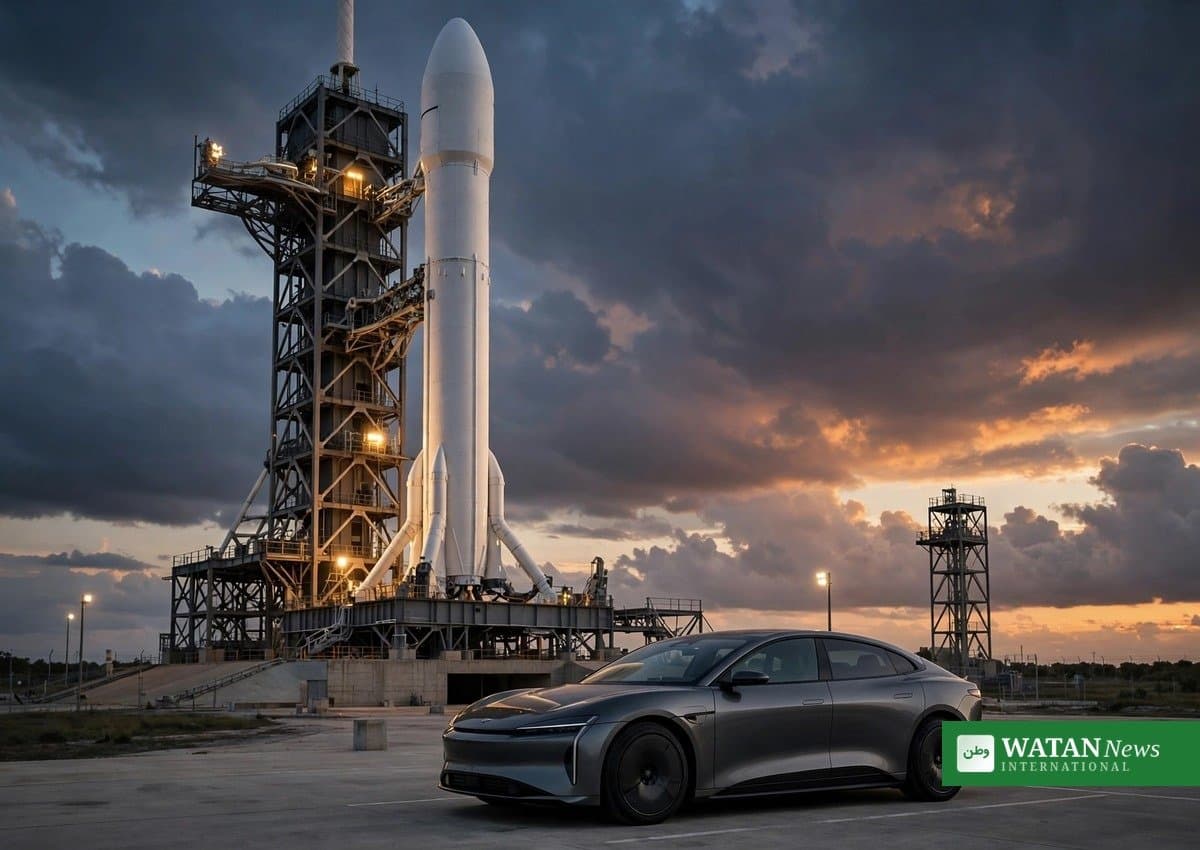
Elon Musk has confirmed that Tesla and SpaceX have each formed special committees of independent directors to explore a possible merger, a combination that would unite two companies worth about $3.5 trillion. The announcement came on SpaceX’s third-quarter earnings call on 20 October 2026, alongside results showing SpaceX revenue surging 161 percent to $14.6 billion — and the Tesla SpaceX merger plan instantly became the biggest question in technology and artificial intelligence.
FAKTA
- Special committees of independent directors at both Tesla and SpaceX are exploring a possible merger; no deal terms have been agreed and no deal price has been set.
- Based on reported market values, SpaceX is worth about $2 trillion and Tesla nearly $1.5 trillion, giving a combined value of about $3.5 trillion.
- SpaceX third-quarter 2026 revenue was $14.6 billion, up 161 percent year on year; net income was $4.4 billion, compared with a $1.1 billion loss a year earlier.
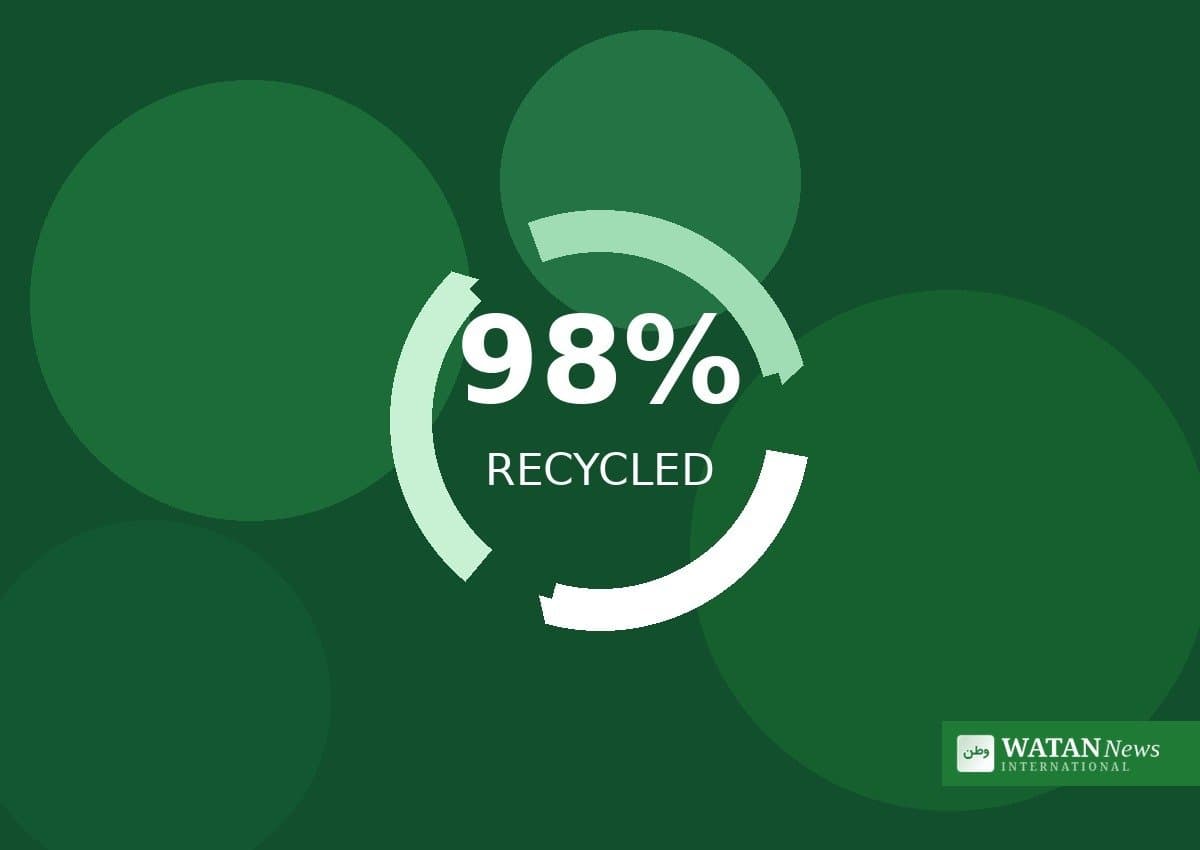
- SpaceX’s artificial intelligence division, rebranded as Super Intelligence AI, generated $7.56 billion in quarterly revenue — roughly a ninefold increase — overtaking Starlink as its largest segment for the first time.
- Musk described himself as a conflicted party who cannot take part in the committees’ discussions, and said any deal would need approval from a majority of all outstanding Tesla shares.
- Tesla reported its own third-quarter results after the market closed on 21 October, with a webcast at 5:30 p.m. Eastern Time.
Tesla SpaceX merger plan: what is actually on the table
The Tesla SpaceX merger plan is, for now, an exploration — not a deal. Musk confirmed the review on 20 October during SpaceX’s quarterly earnings call, and stressed that there is no guarantee a merger will happen. Tesla’s proxy statement for its 3 December 2026 annual meeting includes no merger proposal, and analysts note that the eventual exchange ratio, not just the headline valuation, will be the real battleground if formal terms are proposed.
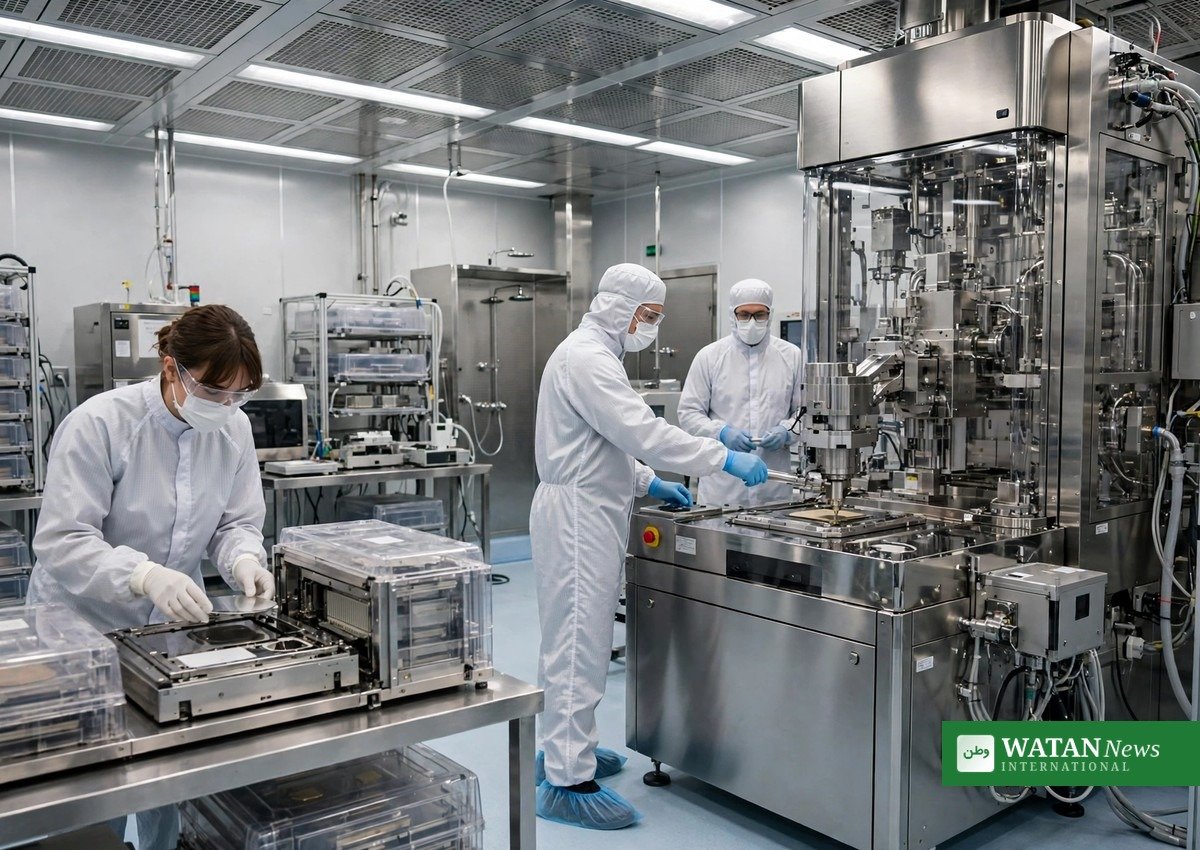
The strategic case Musk outlined centres on deepening cooperation in artificial intelligence software, chip design through the jointly developed Terafab semiconductor facility, robotics and space-based computing infrastructure. The two companies already share commercial ties and overlapping personnel, and Tesla holds about $2 billion of SpaceX shares following its January 2026 investment in xAI Holdings, which later became part of SpaceX.
Governance is the complication Musk himself flagged. He sits on both sides of any combination, which is why independent committees are handling the review and why he has described the situation as “an odd kabuki dance”. Any deal would need approval from a majority of all outstanding Tesla shares — a high hurdle, because the count includes every outstanding share, even shares that never vote.
SpaceX’s quarter: the numbers behind the pitch
The timing of the announcement was not accidental. SpaceX reported third-quarter revenue of $14.6 billion, up 161 percent from a year earlier and ahead of analyst expectations of about $12.86 billion. Net income of $4.4 billion marked a sharp reversal from the $1.1 billion loss in the year-ago period.
The standout figure was artificial intelligence. The AI segment generated $7.6 billion in quarterly revenue, an increase of 830 percent year on year, making it SpaceX’s largest segment for the first time, ahead of Starlink. Musk also said SpaceX could reach a $500 billion to $1 trillion annual recurring revenue run rate by the end of 2027, with the upper end depending on expanding compute capacity. First test chips from the Terafab project are targeted for release in May or June 2027.
| Company / segment | Reported value / result | Context |
|---|---|---|
| SpaceX market value | About $2 trillion | Following its initial public offering |
| Tesla market value | Nearly $1.5 trillion | Combined figure about $3.5 trillion |
| SpaceX Q3 revenue | $14.6 billion, up 161 percent | Above analyst expectations of about $12.86 billion |
| SpaceX AI segment revenue | $7.56 billion, up about 830 percent | Largest segment for the first time, ahead of Starlink |
| SpaceX Q3 net income | $4.4 billion | Compared with a $1.1 billion loss a year earlier |
AI earnings context: a decisive week for technology
The merger news landed in the middle of a decisive earnings week. SpaceX shares jumped as much as 10 percent in premarket trading after its results, while Tesla rose about 2 percent. On 21 October after the market close, Meta, Tesla, Lam Research, Texas Instruments and IBM were all due to report — with Meta’s artificial intelligence spending under particular scrutiny, as analysts expected quarterly revenue of about $63.3 billion to $63.4 billion alongside capital expenditure of $41 billion to $42 billion for the quarter.
That context explains why the merger idea is being read as an AI story first and a car or rocket story second. A combined Tesla-SpaceX would bring electric vehicles, satellite communications, space launches and artificial intelligence under one corporate structure, with data centres on Earth and potentially in orbit. Whether shareholders accept that logic — and at what exchange ratio — is now the question the two special committees must answer.
Conclusion
A Tesla-SpaceX merger would be one of the largest corporate combinations in history, worth about $3.5 trillion on current valuations. But it is not yet a deal: no terms have been agreed, no price has been set, and a majority of all outstanding Tesla shares would have to approve it. SpaceX’s surging AI revenue gives the idea momentum; the governance hurdles and the shareholder vote will decide whether it becomes reality.
More technology coverage: Watan News Technology.