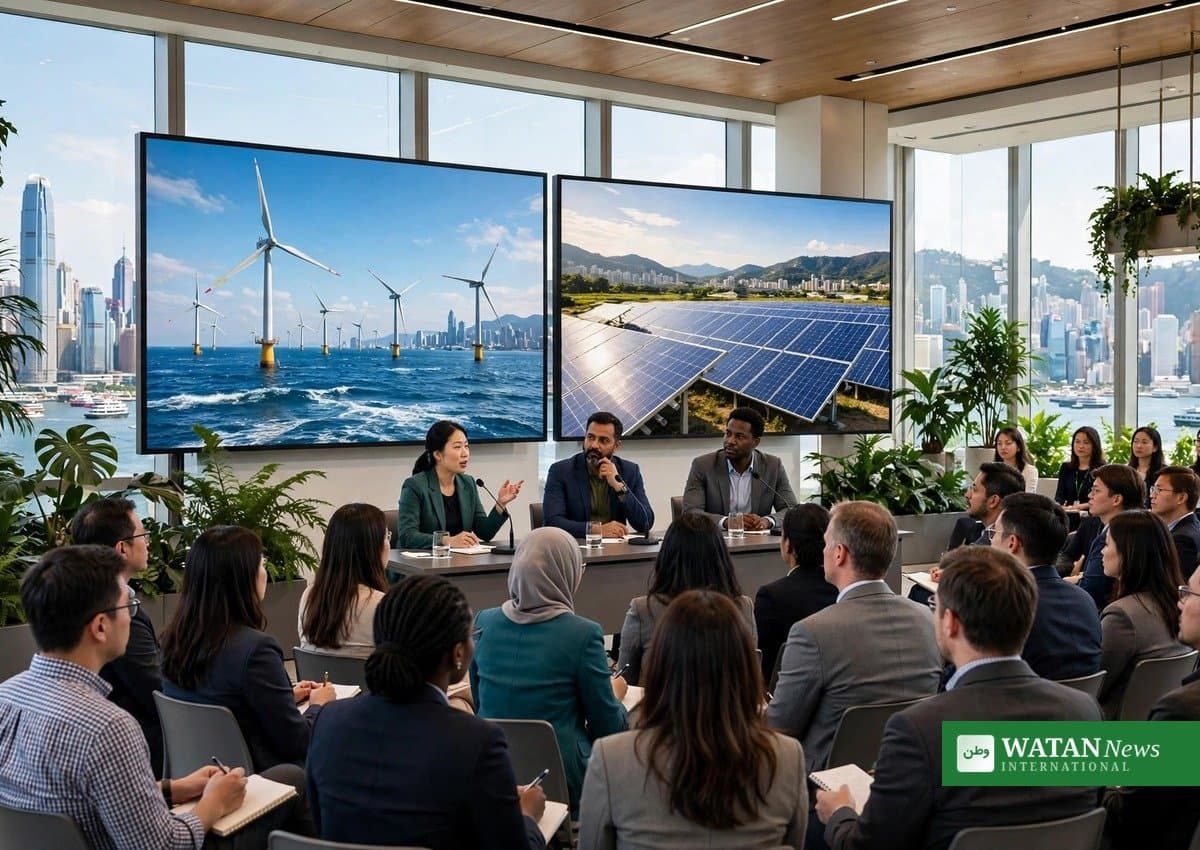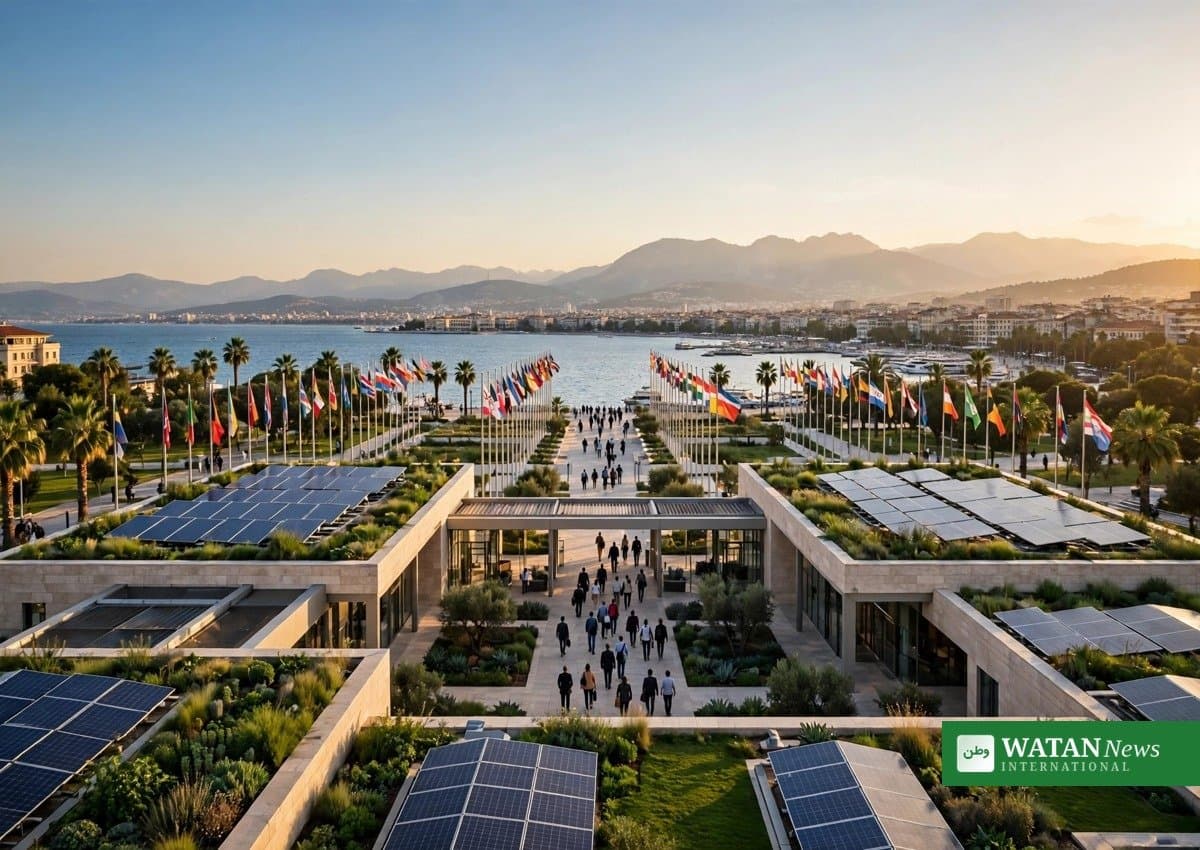
Türkiye has presented the COP31 climate summit in Antalya as a COP31 implementation conference, telling an audience in Jakarta that the summit must turn climate pledges into concrete projects backed by adequate funding. The message was delivered on 19 October 2026 at the ESG Now Leadership Forum and Awards 2026 in Jakarta, where Burak Gunes, communications consul at the Turkish Embassy in Indonesia, set out how Türkiye wants the conference to be judged.
“For years, international climate meetings have produced many ambitious promises. But action on the ground has been too slow,” Gunes said, according to a report of the Jakarta forum. “Through COP31 in Antalya, Turkey wants to change this. We define COP31 as an implementation conference, focused on putting commitments into practice.”
What was said in Jakarta at the COP31 implementation conference briefing
The forum, organised by Republika at the Borobudur Hotel in Jakarta, heard that Türkiye links its climate approach to a long heritage of living in harmony with nature, beginning at the ancient site of Göbekli Tepe, and to modern leadership on net-zero emissions. Gunes said Antalya, on Türkiye’s Mediterranean coast, would act as a global bridge, bringing international agreements together with tangible results at local level.
The central philosophy, he said, is to show intent through commitments and to build trust by delivering implementation. “In a world facing various political and economic challenges, we can rebuild trust only when climate pledges are translated into concrete projects with adequate funding,” he said.
Two zones, one aim: negotiations and public action in Antalya
COP31, the 31st Conference of the Parties to the United Nations Framework Convention on Climate Change, takes place in Antalya from 9 to 20 November 2026 at the Antalya Expo Center. The World Leaders’ Summit is scheduled for 11 and 12 November.
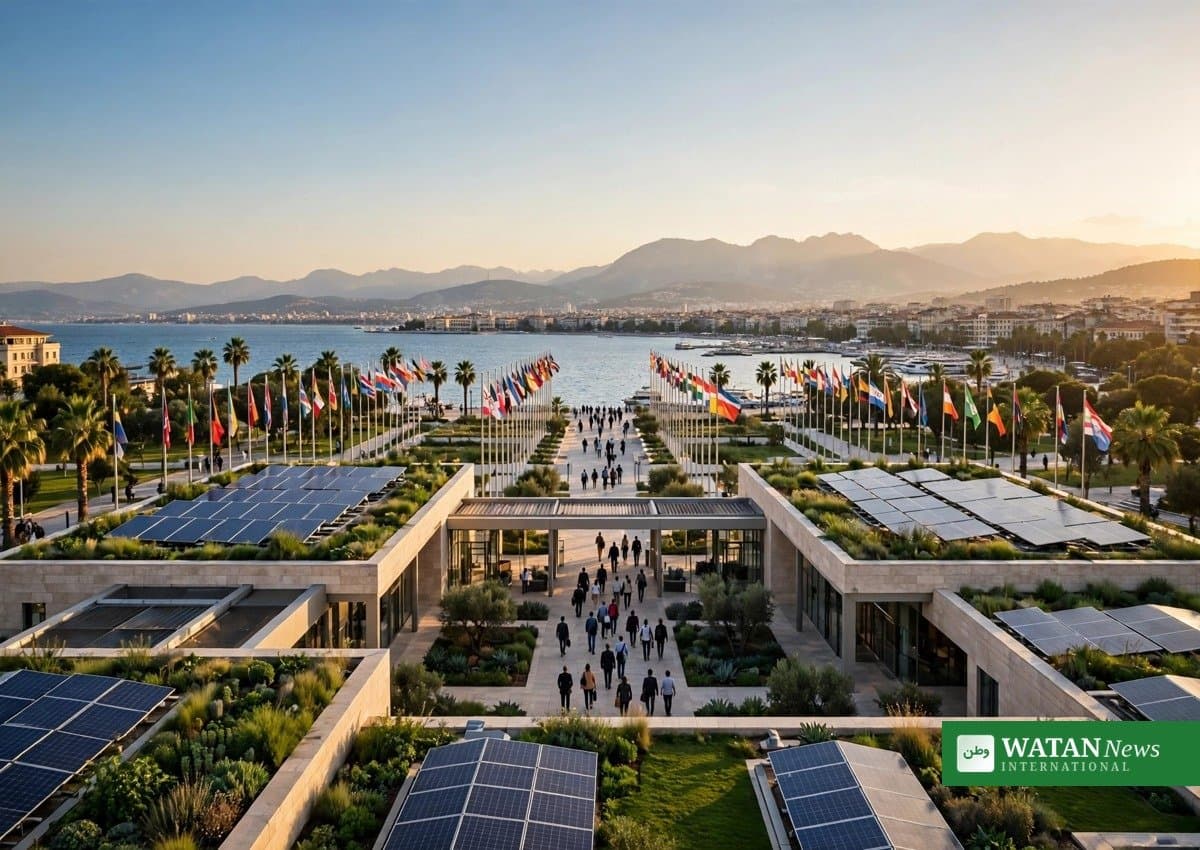
The venue is divided into two main areas. The Blue Zone, managed by the United Nations, is the official area where heads of state, ministers and accredited negotiators work on global policies and national climate plans, known as Nationally Determined Contributions. The Green Zone is a public space where businesses, universities, young people and civil society showcase practical green technologies and circular-economy solutions. The official COP31 Türkiye site confirms the same division: the Blue Zone is open only to accredited participants, while the Green Zone is open to the public.
Türkiye holds the COP31 Presidency and leads the COP31 Action Agenda, with Environment, Urbanization and Climate Change Minister Murat Kurum as President-Designate. Australia, through Climate Change and Energy Minister Chris Bowen, leads the formal negotiations as President of Negotiations under the Türkiye–Australia partnership agreed at COP30.
Key facts
- COP31 takes place in Antalya, Türkiye, from 9 to 20 November 2026.
- The World Leaders’ Summit is scheduled for 11 and 12 November 2026.
- Türkiye holds the Presidency; Murat Kurum is President-Designate and leads the Action Agenda.
- Australia leads the formal negotiations, with Chris Bowen as President of Negotiations.
- The Jakarta message was delivered on 19 October 2026 by Burak Gunes, communications consul at the Turkish Embassy in Indonesia.
- The Blue Zone hosts official negotiations; the Green Zone is open to the public.
Why implementation is the test
The Jakarta message fits the Presidency’s wider framing of COP31 as a conference of implementation, guided by dialogue, consensus and action. The COP31 Action Agenda covers ten priority themes — Zero Waste, Oceans and Seas, Food Security, Climate-Resilient Cities, Powering Climate Action, Youth and Education, Green Industrialization, Clean Energy Transition, Rio Synergy, and Dynamic and Resilient Health Systems — with finance, technology and capacity building as cross-cutting enablers.
That framing matters because the formal negotiating agenda is, by several accounts, relatively light on headline decisions, placing greater weight on voluntary commitments and on delivering what countries have already promised. Türkiye’s earlier COP31 messages have also stressed local delivery: at the Ankara Climate Transition Forum in mid-October, Turkish officials said pilot projects in Antalya would demonstrate local climate action at the summit. Readers can follow the Presidency’s earlier message in Watan News coverage of the COP31 Presidency’s call on climate spending.
What happens next
With less than three weeks to go before the summit opens, the test set in Jakarta is a practical one: whether Antalya produces funded, visible projects rather than another round of promises. Delegations, businesses and youth groups in the Green Zone will be watched closely for the technologies and local solutions they bring, while negotiators in the Blue Zone work on finance, adaptation and the next steps on national climate plans.
The Presidency’s own measure of success, as stated in Jakarta, is trust rebuilt through delivery. That standard will be easy for observers to apply when the conference closes on 20 November: what was promised, what was funded, and what is already being built.