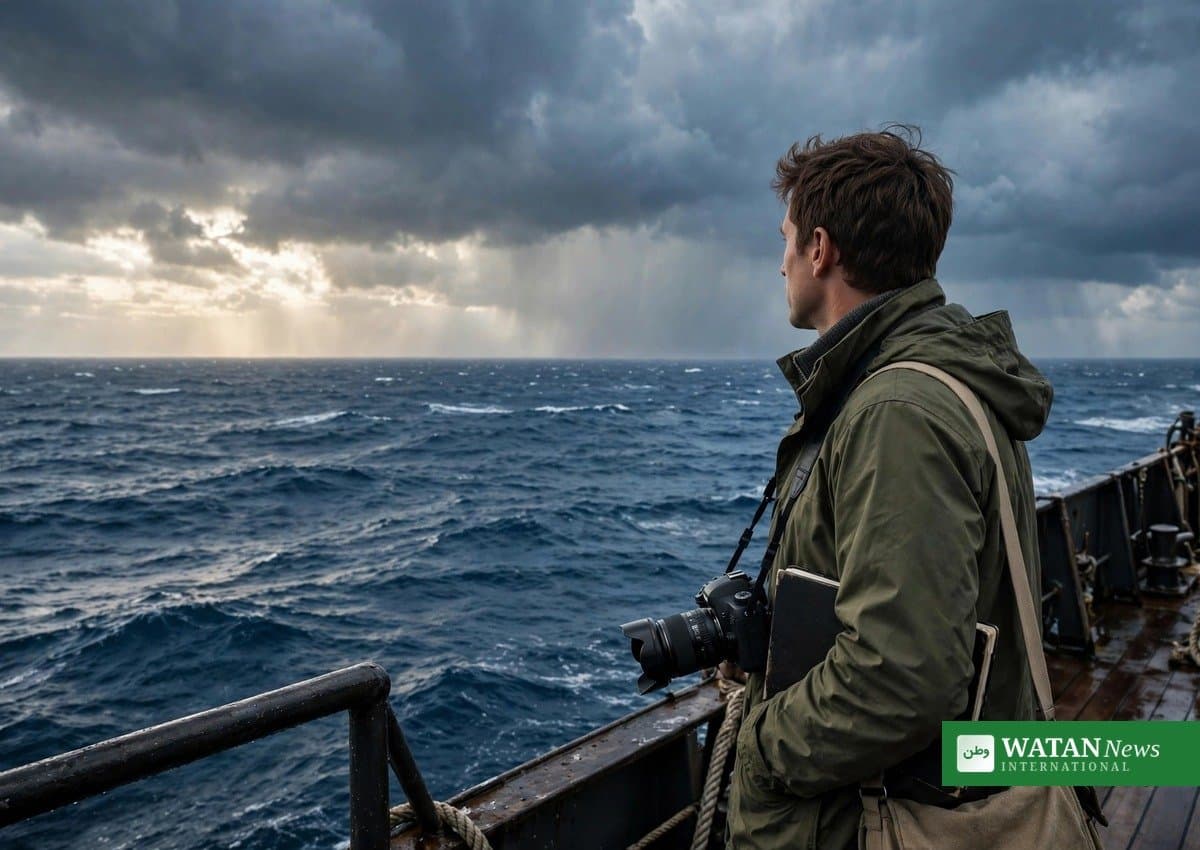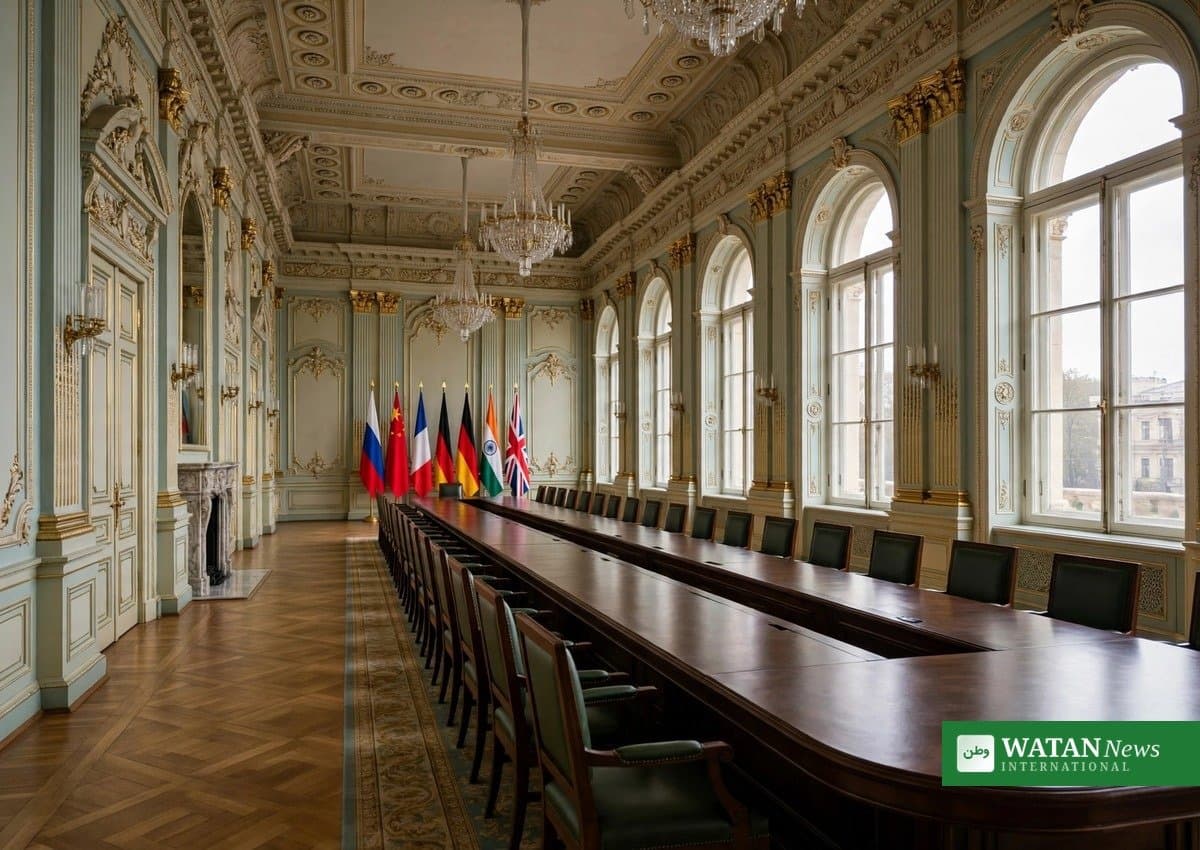
Russia has agreed in principle to resume trilateral talks with the United States and Ukraine around 10 November, following a meeting in St. Petersburg between Russian President Vladimir Putin and United States special envoy Steve Witkoff on 21 October 2026. The agreement, announced by Kremlin foreign affairs adviser Yuri Ushakov, sets up the next stage of the Ukraine trilateral security talks — but at technical level, not as a meeting of leaders, and with no breakthrough claimed by either side.
FAKTA
- Putin agreed “in principle” to resume trilateral talks around 10 November, according to Kremlin adviser Yuri Ushakov.
- The talks would take place at technical level between the United States, Russia and Ukraine — not face to face between leaders, according to a United States official.
- Witkoff met Ukrainian President Volodymyr Zelenskyy and European leaders in Oslo on 20 October, then travelled to St. Petersburg on 21 October.
- The St. Petersburg meeting at the Constantine Palace lasted about three hours, according to the Kremlin.
- American teacher Stephen Hubbard, 72, was released as the talks opened, after being held since 2022.
- Both sides remain far apart on the terms of any settlement, and fighting continues on the battlefield.
Ukraine trilateral security talks: what the format would cover
The subject of the resumed talks, as described by Ushakov, is building a security system for Russia and Ukraine after the conflict ends. United States officials said the Oslo discussions covered a post-war economic and prosperity plan, a broader European security architecture, and plans for the upcoming trilateral meeting.
The proposal discussed in Oslo also laid out security guarantees for Kyiv, economic recovery funds and other items, according to officials who took part. Zelenskyy has said Ukraine would accept a peace deal that freezes the front lines, describing that as a realistic way to end the war, while stressing that Ukrainians want to remain in their own country.
A technical-level format matters for what can realistically be agreed. Technical teams can work through the details of security arrangements, monitoring and economic measures step by step, without the political pressure of a leaders’ summit. It also means the hardest questions — territory, guarantees and enforcement — would be negotiated by officials before any leaders are asked to endorse a result.
The Oslo to St. Petersburg sequence
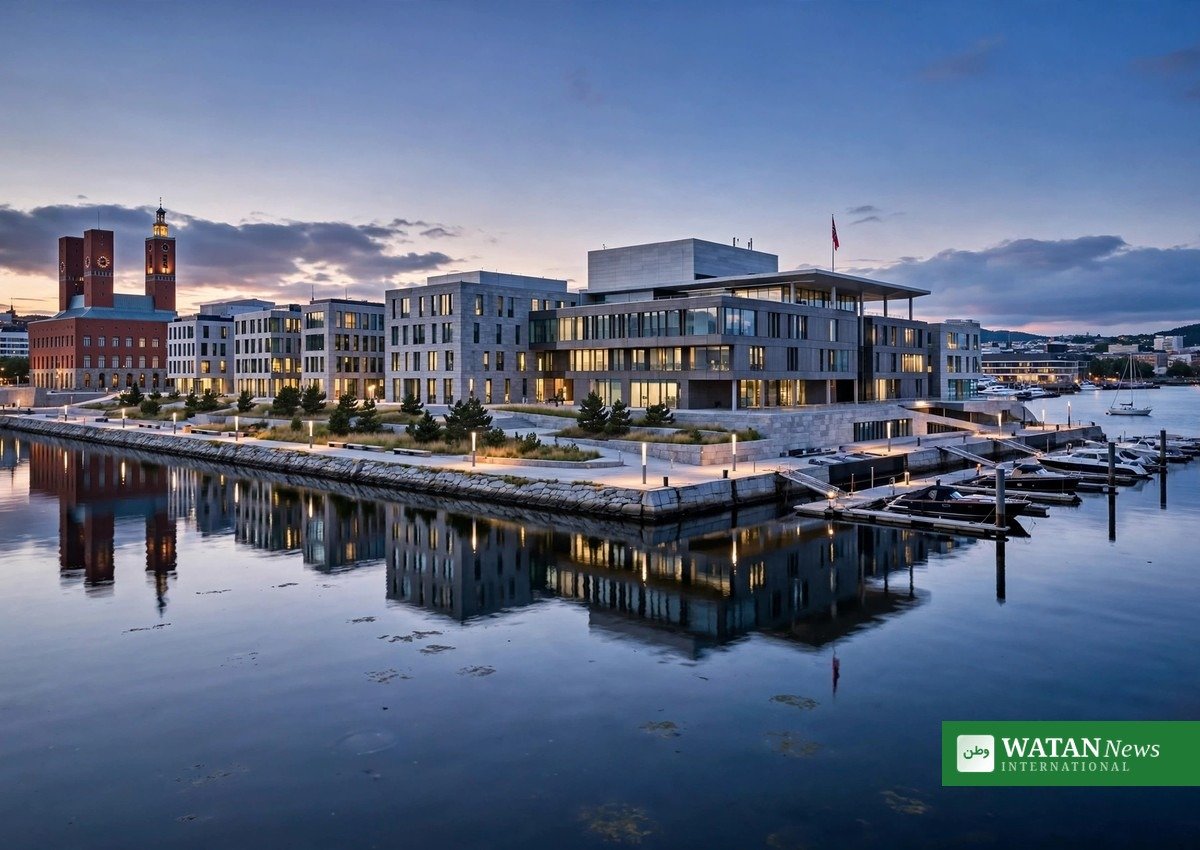
The diplomacy moved in two stages over two days. On Tuesday, Witkoff met Zelenskyy and European leaders in Oslo to weigh the proposal covering security guarantees, economic recovery and the wider European security architecture. On Wednesday, he presented the document to Putin in St. Petersburg.
At the start of the St. Petersburg meeting, Witkoff said he hoped to discuss resuming trilateral talks so that technical teams could work on the next steps towards a settlement. Putin thanked United States President Donald Trump and Witkoff for their efforts to end the war. The Kremlin described the talks as productive, while noting that no particular breakthrough was announced beyond the plan for a further meeting.
| Day | Meeting | Outcome reported |
|---|---|---|
| 20 October, Oslo | Witkoff with Zelenskyy and European leaders | Ukraine consented to trilateral talks; proposal on guarantees, recovery and security architecture discussed |
| 21 October, St. Petersburg | Witkoff with Putin, about three hours | Russia agreed “in principle” to resume talks around 10 November at technical level |
Security implications beyond the negotiating table
For the security debate, the most important signal is not the date alone but the subject: a post-conflict security system for both Russia and Ukraine. That framing goes beyond a ceasefire and points towards arrangements that would have to cover force levels, monitoring, guarantees for Ukraine and the wider European security architecture discussed in Oslo.
At the same time, the gap between the two sides remains wide. Reports of the talks note that Russia and Ukraine are still far apart in their terms for a settlement, that their armies remain locked on the battlefield, and that both sides continue long-range strikes. A technical-level meeting in November would therefore be a test of whether detailed work can narrow differences that leaders’ diplomacy has not yet closed.
The release of Stephen Hubbard as the St. Petersburg talks opened was presented as a goodwill gesture. The 72-year-old retired American teacher had been held since 2022, after being taken captive in eastern Ukraine following the start of the war.
What to watch next
Three things will show whether the November talks have substance: whether a venue and agenda are confirmed, whether the technical teams are given a mandate covering security guarantees and not only procedure, and whether the fighting and long-range strikes ease or continue while the talks are prepared. United States officials have described progress in the Oslo talks; the November round will test whether that progress survives contact with the detailed issues.
Conclusion
The St. Petersburg meeting did not end the war, and none of the participants claimed that it had. What it produced is narrower but still significant: an agreement in principle to bring technical teams from the United States, Russia and Ukraine back to the same table around 10 November, to work on a post-conflict security system. Whether that becomes a path to a settlement will depend on the detailed negotiations that follow — and on events on the battlefield in the meantime.
Read more on related diplomacy: Trump Open to Trilateral Summit With Putin and Xi on Ukraine War and Zelenskiy Heads to Oslo for High-Stakes Meeting With Trump’s Envoy.