The United States and Mexico are simultaneously described as close to a trade deal and stuck in stalled talks, after President Donald Trump said on 19 October that the two countries were “very close to a great deal” while reports on 20–21 October said negotiations had hit an impasse over tariffs on cars, steel and aluminium. The conflicting signals sum up the state of the US Mexico trade deal talks: political optimism at the top, hard disagreements over the details below.
FAKTA
- President Donald Trump said at a rally in Park City, Kansas, on 19 October that the United States and Mexico were very close to a great deal, and suggested the trade deficit could fall substantially, possibly to zero.
- Mexican President Claudia Sheinbaum said on 20 October that a deal was very close, while repeating that Mexico’s aim is to lower the tariffs its goods currently face as much as possible.
- The Wall Street Journal reported, via Reuters and Bloomberg Law, that talks have hit an impasse, with United States Commerce Secretary Howard Lutnick opposing substantial reductions in existing duties.
- Mexico’s deputy trade minister, Luis Rosendo Gutierrez, told the Journal there was progress in the negotiations, while a United States Commerce Department spokesperson said the department was in constant dialogue with Mexico.
- Current United States tariffs include 25 percent on Mexican automobiles and 50 percent on steel and aluminium; Mexico seeks to cut the automobile tariff to 15 percent or less.
- The United States goods trade deficit with Mexico totalled about $155.9 billion from January through August 2026, up 21.2 percent on the same period in 2025, according to United States Census Bureau figures.
US Mexico trade deal: close, or stalled?
Both descriptions are circulating at the same time, and both have a source. Trump told the Kansas crowd: “Mexico and us are very close to a great deal,” adding: “We’re not going to lose $150 billion with Mexico anymore!” He offered no details about what the agreement would contain and did not say which products or industries would be affected. Sheinbaum agreed the next day that a deal was very close, but did not address the claim that the deficit could fall to zero.
The impasse reports describe a different picture behind closed doors. According to the Wall Street Journal, cited by Reuters and Bloomberg Law, United States and Mexican negotiators have hit an impasse over tariffs on steel and aluminium, dashing earlier optimism for an imminent deal and likely pushing major progress until after the midterm elections on 3 November. Talks have cooled in recent days after United States officials, including Lutnick, took issue with Mexican demands for reduced tariffs on metals.
The gap between the two accounts may be less a contradiction than a difference in vantage point: leaders signalling that a political understanding is near, while negotiators remain divided over the tariff schedules that would give it effect. Until a text is published, neither claim can be confirmed as a completed deal — and no completed deal has been confirmed by either government.
What is actually being negotiated
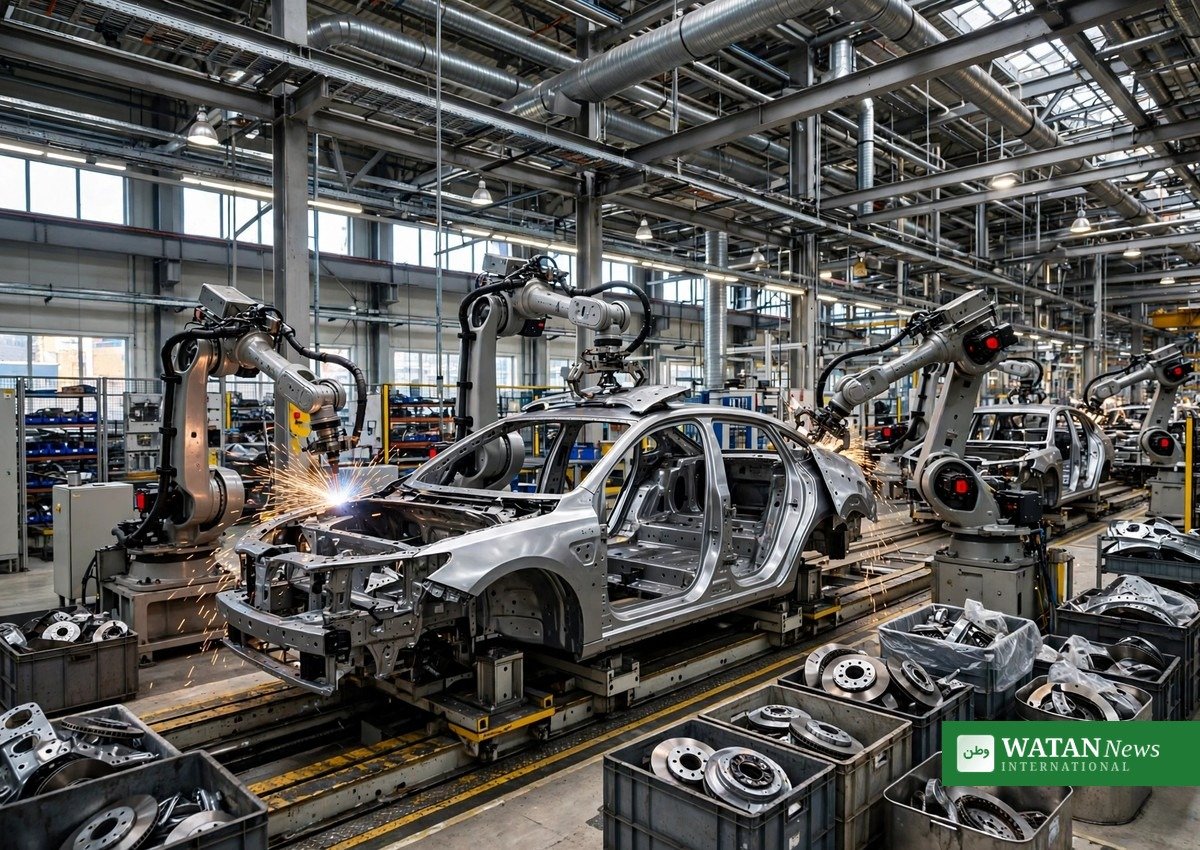
Three tariff questions dominate the talks. Mexico seeks to lower the United States tariff on its automobiles from 25 percent to 15 percent or less, so its vehicles do not compete at a disadvantage against vehicles from Japan and South Korea, which have already secured that rate. It also seeks reductions in the 50 percent tariffs on steel and aluminium, including on finished products made of those metals — reductions Lutnick has opposed, according to the reports.
The United States, meanwhile, is reported to be seeking a greater role for its own industry in manufacturing vehicles exported from Mexico. Among the reported American demands is raising the regional content requirement for vehicles to comply with United States-Mexico-Canada Agreement rules of origin from 75 percent to about 82 percent, along with a requirement that roughly half of vehicle components come from the United States. No deal has been reached on adopting those proposals.
| Issue | Current position | What is sought / reported |
|---|---|---|
| Automobile tariff | 25 percent on Mexican automobiles | Mexico seeks 15 percent or less; Lutnick reported to oppose substantial cuts |
| Steel and aluminium tariffs | 50 percent | Mexico seeks reductions, including on finished products; Lutnick reported to object |
| Regional content rule | 75 percent under USMCA rules of origin | Reported United States demand: about 82 percent, with roughly half of components from the United States |
| Goods trade deficit, Jan–Aug 2026 | About $155.9 billion | Up 21.2 percent year on year; imports about $419.3 billion, exports about $263.5 billion |
Why the talks matter beyond tariffs
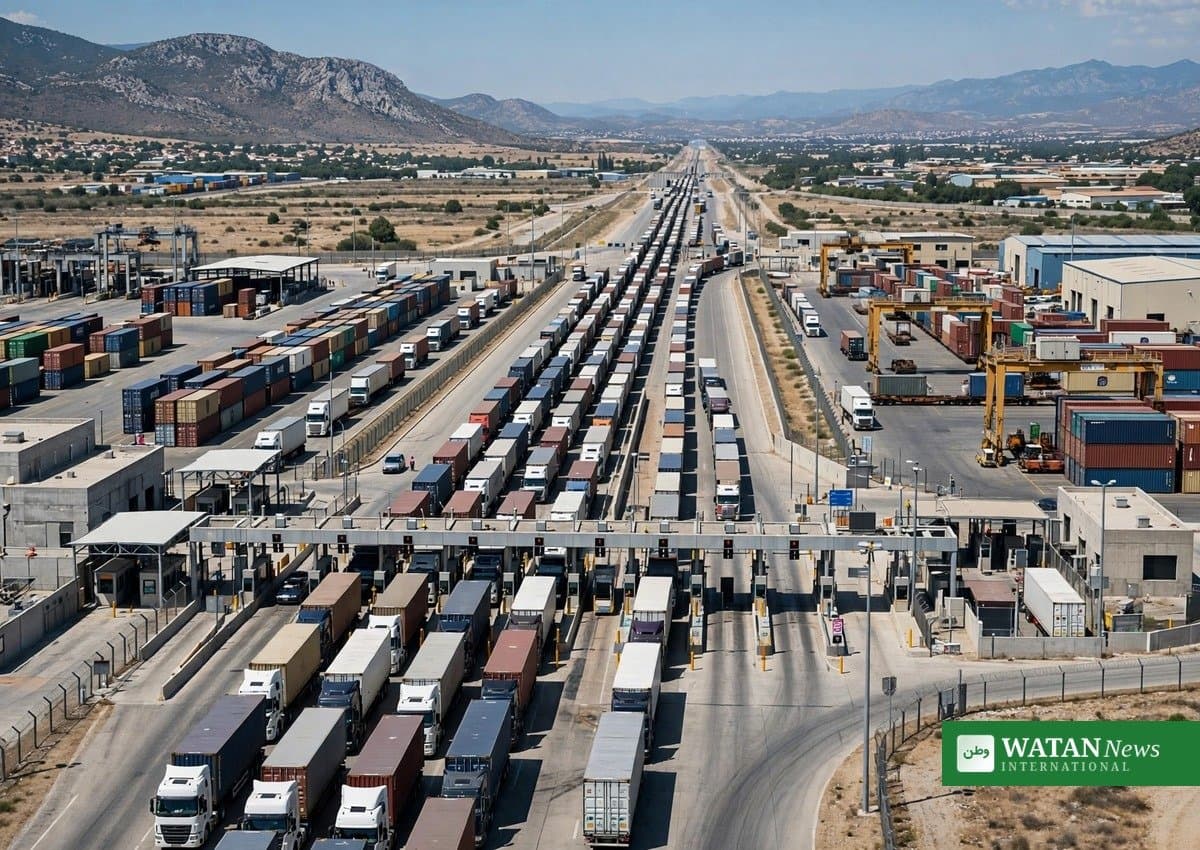
Mexico remains the United States’ top trading partner in goods, accounting for $682.8 billion in combined trade this year, or 16.8 percent of the total. The automotive industry depends on components moving across borders multiple times before a vehicle is sold, so uncertainty over tariff rates affects supplier pricing, factory investment and long-term production planning.
The negotiations have continued through 2026, including a third formal round in Mexico City in July covering automotive production, agriculture, labour standards, economic security and industrial supply chains. A fourth round originally planned for September was postponed, although Mexican officials reported that technical exchanges continued. The negotiating agenda has expanded from 54 issues to nearly 90, showing how complex the discussions have become.
For Canada, the separate track matters too: if Washington reaches an understanding with Mexico first, it adds another complication to an already tense relationship over the future of the Canada-United States-Mexico Agreement, whose review remains uncertain.
Conclusion
The honest summary of the United States-Mexico trade talks on 21 October is that the leaders say a deal is close and the negotiators are reported to be stuck. Both can be true at once when the political signal has run ahead of the tariff text. Businesses and households should judge any eventual agreement by its published terms — the tariff rates, the content rules and the timetable — rather than by the negotiating signals that precede it.
More world coverage: Watan News World.