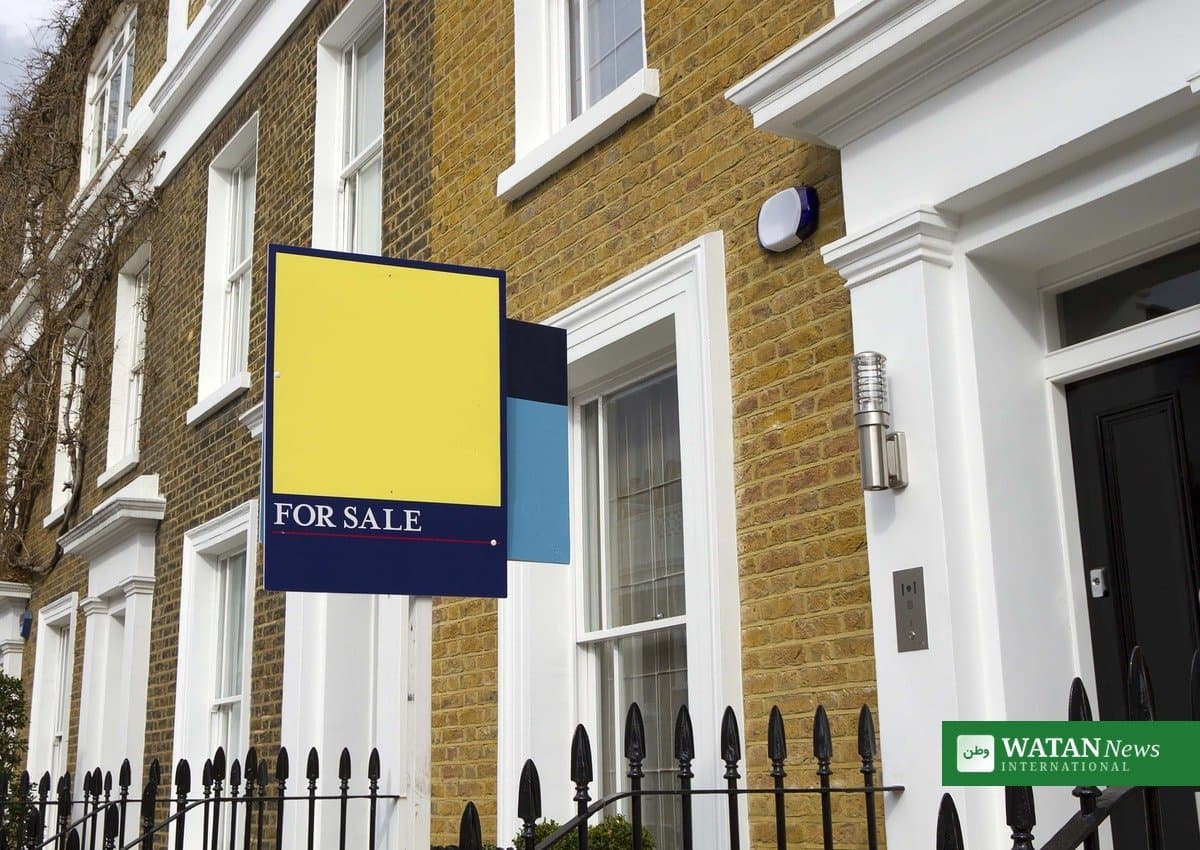
Contracts to buy previously owned homes in the United States plunged to a record low in September 2026, as fast-rising mortgage rates pushed buyers out of the market. The US pending home sales record low was set as the pending home sales index tumbled 7.3 percent to 66.0 — the lowest level since the series began in 2001 — far worse than the 0.5 percent fall economists had forecast.
FAKTA
- The pending home sales index tumbled 7.3 percent in September 2026 to 66.0, the lowest level since the National Association of Realtors (NAR) series began in 2001.
- Economists polled by Reuters had forecast a fall of only 0.5 percent; the actual drop was more than fourteen times larger.
- Pending home sales fell 11.3 percent year on year in September, and contracts fell in all four regions of the United States.
- The 30-year fixed mortgage rate averaged 7.40 percent in the week before the report, the highest level in nearly three years, according to Freddie Mac data.
- “Market conditions weakened in September due to fast-rising mortgage rates,” said Lawrence Yun, the NAR’s chief economist.
- Home builder confidence also weakened: buyer traffic fell to a 14-year low, according to a report published on Monday 19 October.
US pending home sales record low: how bad is 66.0?
The US pending home sales record low is significant because pending sales are a forward-looking measure. They count contracts signed but not yet closed — deals that typically become completed sales after a month or two. A record low in contract signings therefore points to weaker completed sales in the months ahead, not just a weak month already past.
The scale of the miss also matters. Economists had expected a modest 0.5 percent slip; instead contracts fell 7.3 percent. The year-on-year fall of 11.3 percent shows the weakness is not a one-month blip, and the fact that contracts fell in all four regions shows it is nationwide rather than concentrated in one part of the country.

Why mortgage rates are doing the damage
The mechanism is straightforward: higher mortgage rates mean higher monthly payments, and higher payments mean fewer buyers can afford the same house. In September, surging oil prices and expectations of possible interest-rate rises by the Federal Reserve pushed the 30-year mortgage rate beyond 7 percent, and it averaged 7.40 percent in the week before the NAR report — the highest in nearly three years.
The effect on individual buyers is concrete. MarketWatch reported the case of one buyer whose mortgage payment on a house they were looking at rose by $400 a month when the average 30-year rate moved from 7 percent to 7.5 percent, pricing them out until their agent found a 7.25 percent rate from a fifth lender. Multiply that arithmetic across the market, and the record-low contract figure follows.
| Measure | September 2026 | Comparison |
|---|---|---|
| Pending home sales index | 66.0 | Lowest since the series began in 2001 |
| Monthly change | Down 7.3 percent | Forecast was down 0.5 percent |
| Annual change | Down 11.3 percent | Contracts fell in all four regions |
| 30-year fixed mortgage rate | 7.40 percent average | Highest in nearly three years (Freddie Mac) |
What it means for buyers, sellers and builders
For buyers, the message is that affordability, not availability, is the binding constraint: even willing buyers are being priced out by the monthly payment. For sellers, weaker contract signings mean longer selling times and more pressure on prices — a pattern already visible in reports of sellers cutting asking prices at a fast pace while mortgage rates stay above 7 percent.
For builders, the outlook is equally gloomy. Home builders reported a gloomy outlook on Monday 19 October, with buyer traffic falling to a 14-year low. With fewer contracts being signed for existing homes, demand for new homes faces the same affordability wall. The next data points to watch are completed existing-home sales for October and November, which will show how much of September’s contract collapse flows through to closed deals.
Conclusion
September’s pending home sales figure is not just a weak number — it is the weakest in the 25-year history of the series, and it arrived alongside the highest mortgage rates in nearly three years. Until borrowing costs ease, the United States housing market is likely to stay in its deep freeze, with buyers waiting, sellers adjusting and builders bracing for a slow autumn.
Related housing coverage: U.S. Housing Market Cools as 30-Year Mortgage Rate Tops 7%.