LIVE
BREAKING
Germany Gen Z Protests Turn Violent as Frankfurt Shops LootedIndia’s Colleges Begin BRICS Sustainable Lifestyle Week: Seven Days, Seven Green HabitsTaiwan Accuses China of Harassing Shipping in Latest East Coast Patrol€32,000 Youth Climate Grant Opens for EU Groups to Coordinate Young Voices Ahead of COP32UN Rights Chief Demands Probe After UN Staff Member Dies in Houthi CustodyWTM London 2026 Puts Regenerative Tourism at the Centre as 50 Ministers MeetJudge Dismisses Trump’s Wall Street Journal Lawsuit Over Epstein Letter Report160 Volunteers Plant 190 Trees to Restore Belize’s Machaca Forest ReservePaper Recyclers Warn EU Digital Waste System Could Disrupt Global RecyclingCongo Basin Voice at COP31 as Türkiye Courts Congo Ahead of AntalyaBorsa Istanbul Chief Detained in Bribery Probe as Fund Investigation WidensFall Fashion 2026: Deep Purple, Plush Coats and Wearable Runway TrendsThe Social Society Helping Women Over 40 Join the AI Boom, One Dinner at a TimeStartup Funding in October 2026: Big Cheques Follow Revenue, Not HypeWinter Sun Seaside and Island Escapes: From the Maldives to Santorini and BaliUS Midterm Campaign Enters Final Weekend as Early Voting Hits Record 49 MillionGulf Mediation in Focus as Iranian Envoys Meet Qatari Mediators in DohaFrance Halloween Protests End in Paris Clashes as 320,000 March NationwideStephanie Wallcraft Wins 2026 AJAC Environmental Journalism AwardIran Rules Out Immediate US Talks Despite Reviewing Vance LetterGermany Gen Z Protests Turn Violent as Frankfurt Shops LootedIndia’s Colleges Begin BRICS Sustainable Lifestyle Week: Seven Days, Seven Green HabitsTaiwan Accuses China of Harassing Shipping in Latest East Coast Patrol€32,000 Youth Climate Grant Opens for EU Groups to Coordinate Young Voices Ahead of COP32UN Rights Chief Demands Probe After UN Staff Member Dies in Houthi CustodyWTM London 2026 Puts Regenerative Tourism at the Centre as 50 Ministers MeetJudge Dismisses Trump’s Wall Street Journal Lawsuit Over Epstein Letter Report160 Volunteers Plant 190 Trees to Restore Belize’s Machaca Forest ReservePaper Recyclers Warn EU Digital Waste System Could Disrupt Global RecyclingCongo Basin Voice at COP31 as Türkiye Courts Congo Ahead of AntalyaBorsa Istanbul Chief Detained in Bribery Probe as Fund Investigation WidensFall Fashion 2026: Deep Purple, Plush Coats and Wearable Runway TrendsThe Social Society Helping Women Over 40 Join the AI Boom, One Dinner at a TimeStartup Funding in October 2026: Big Cheques Follow Revenue, Not HypeWinter Sun Seaside and Island Escapes: From the Maldives to Santorini and BaliUS Midterm Campaign Enters Final Weekend as Early Voting Hits Record 49 MillionGulf Mediation in Focus as Iranian Envoys Meet Qatari Mediators in DohaFrance Halloween Protests End in Paris Clashes as 320,000 March NationwideStephanie Wallcraft Wins 2026 AJAC Environmental Journalism AwardIran Rules Out Immediate US Talks Despite Reviewing Vance Letter
Denmark

Nordic Countries Unite to Protect Children from Tech Giants with Marienborg Manifesto

News Desk 2Published October 30, 2026
Nordic Countries Unite to Protect Children from Tech Giants with Marienborg Manifesto
Share this story

The Nordic countries have joined forces to protect children and young people from the influence of major technology companies, signing a joint declaration known as the Marienborg Manifesto. The agreement, announced on Tuesday, 27 October in Helsinki, brings together Denmark, Sweden, Norway, Finland and Iceland, along with Greenland, the Faroe Islands and Åland, in a shared push for tougher digital rules.

According to reporting by Danish news agency Ritzau, the leaders want closer cooperation on digital regulation across the Nordic region and beyond, arguing that the way digital technology is designed and used can undermine children’s concentration, learning and wellbeing.

FAKTA

  • What: The Marienborg Manifesto, a joint Nordic declaration on children and technology.
  • Announced: 27 October 2026, in connection with a Nordic government meeting in Helsinki.
  • Who signed: Denmark, Sweden, Norway, Finland and Iceland, plus Greenland, the Faroe Islands and Åland.
  • Key demands: Tougher regulation of large technology companies, social media age limits, and schools free of private smart devices.
  • Denmark’s step: A social media age limit of 15, expected to take effect in July 2027.

What the Nordic countries want to change

The declaration calls for tougher regulation of large technology companies, age limits for social media, and action to remove personal smart devices from schools. It also urges action against addictive algorithms and design features on social media platforms.

Age limits on the way

Several Nordic governments are already moving on their own. Denmark has decided to introduce a social media age limit of 15, expected to take effect in July 2027, according to Ritzau. Norway has proposed a separate minimum-age system tied to the calendar year in which a child turns 16, and in October its government said its planned bill would target so-called harmful platforms, naming services such as TikTok, Roblox and Snapchat among those likely to be covered.

A shared position, not yet a shared law

The manifesto itself does not establish new, enforceable rules across the region. Instead, it sets out a shared political commitment: the governments will continue work on national and European social media age limits, explore stricter rules for technology companies, and press for a school environment free of private smart devices.
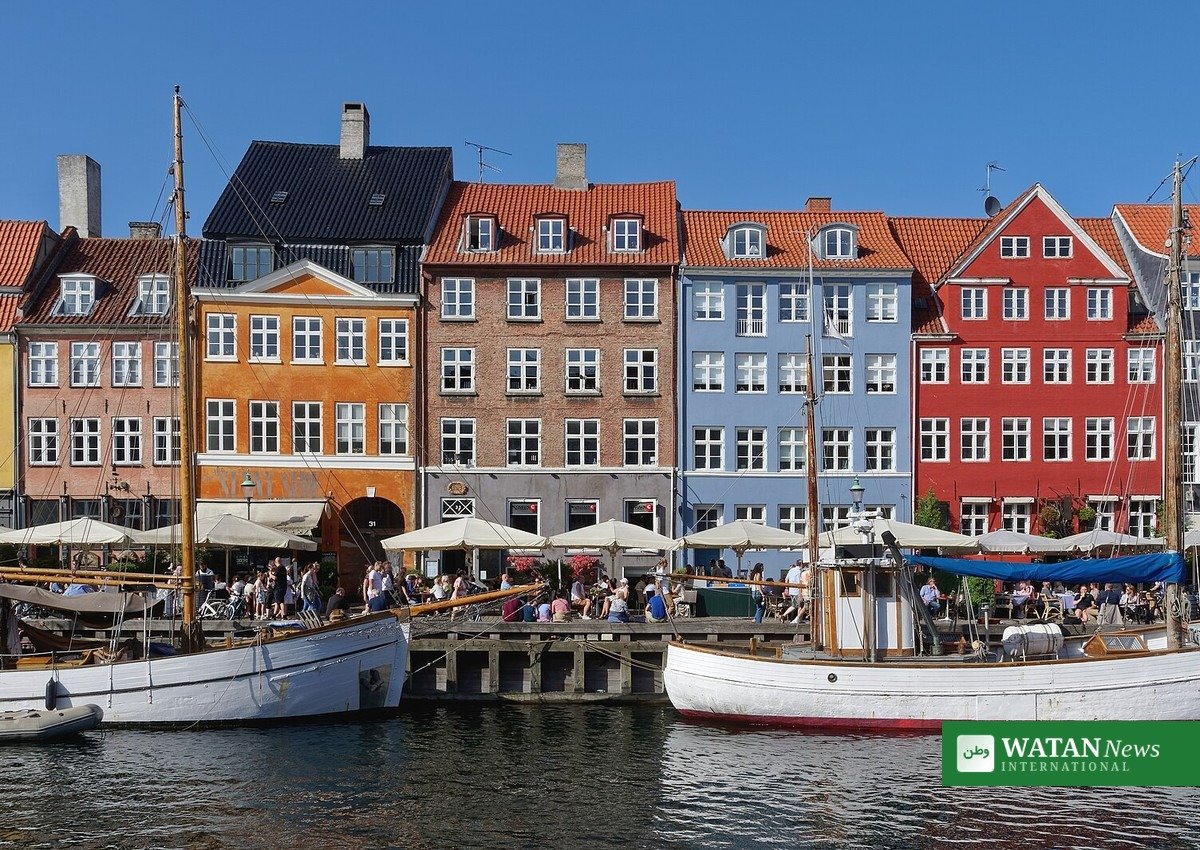
Marienborg Manifesto Copenhagen Nyhavn waterfront
Copenhagen’s Nyhavn waterfront. Denmark is among the Nordic countries backing the Marienborg Manifesto.

The wider European picture

The Nordic push comes as Europe debates the same questions. At EU level, the European Commission proposed the EU KIDS Act in September 2026, including a minimum age of 15 for opening a social media account independently. Australia took the lead last December with the world’s first under-16 social media ban, and several European nations have since sought to rein in children’s social media use.

Danish Prime Minister Mette Frederiksen has said governments allowed screens into children’s lives too uncritically, with consequences for young people and society, public broadcaster DR reported. The declaration is therefore intended to give the Nordic governments a common position in negotiations with technology companies, rather than to introduce an immediate Nordic-wide ban.

Conclusion

For now, the Marienborg Manifesto is a statement of intent. Its effect will depend on the national measures that follow — Denmark’s age limit in 2027, Norway’s bill, and the wider European rules — and on how much influence the Nordic governments can exert over the world’s largest technology companies.


Frequently Asked Questions

Related Stories

Planet & environment

Climate & Sustainability

News, stories and solutions driving change towards a greener and more sustainable planet for future generations.

India’s Colleges Begin BRICS Sustainable Lifestyle Week: Seven Days, Seven Green Habits
Featured story

India’s Colleges Begin BRICS Sustainable Lifestyle Week: Seven Days, Seven Green Habits

India's universities begin BRICS Sustainable Lifestyle Week 2026 today, 1 November, with seven daily themes on healthy lifestyles, energy, water, food, plastics, e-waste and waste under Mission LiFE.

Read full story

GREEN JOURNALISM

IPI Demands Stronger Protection for Africa’s Climate Reporters
Green Journalism

IPI Demands Stronger Protection for Africa’s Climate Reporters

The International Press Institute (IPI) has called for stronger protection for journalists reporting on climate and environmental issues in Africa, and for guaranteed public access to climate and environmental information, in a statement marking the International Day of Climate Action. IPI also urged African states to counter abusive litigation against reporters and to guarantee access

Read full story

Every Action Counts

Small steps today, big impact tomorrow.

Explore more stories