A first airline buyer for Singapore’s waste-gas jet fuel
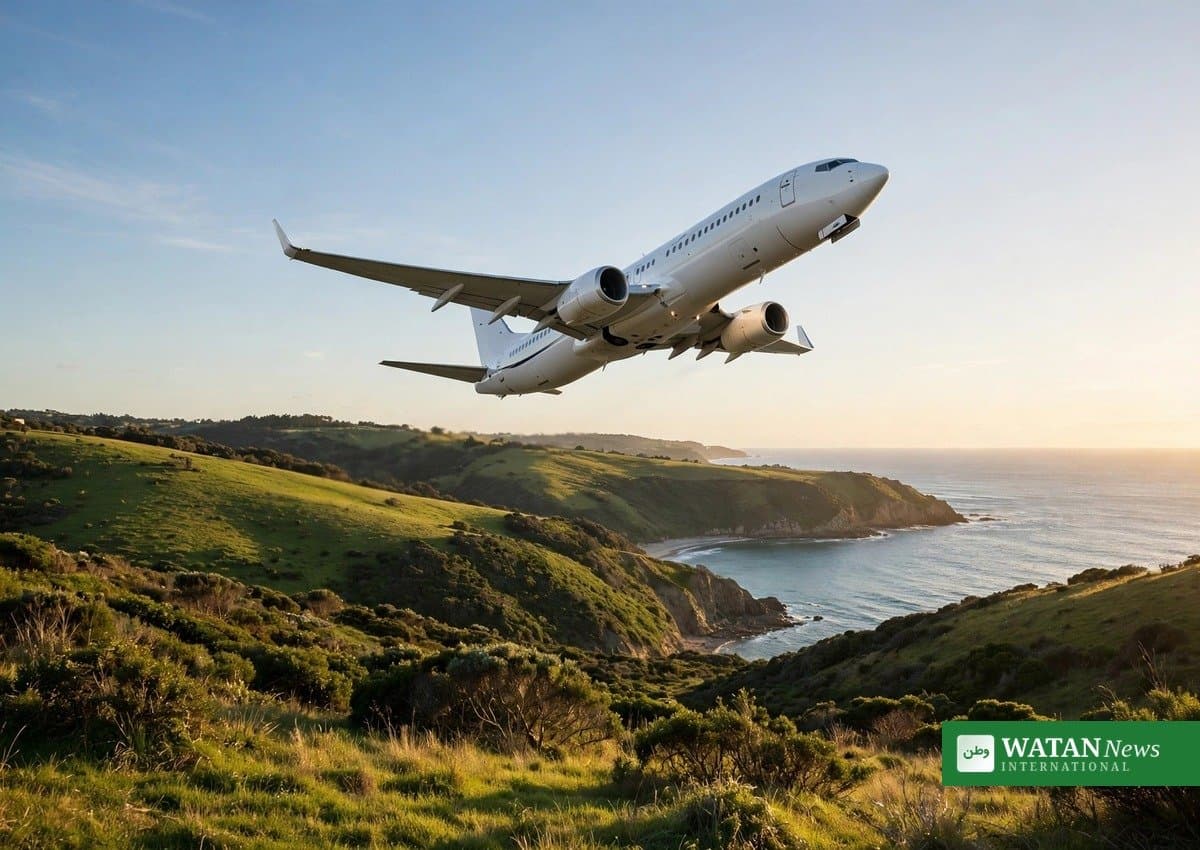
Singapore Airlines has agreed to buy up to 4,800 tonnes of next-generation sustainable aviation fuel (SAF) from Aether Fuels over three years, with deliveries starting in 2028. The binding offtake agreement, signed on 23 October 2026 and announced on 28 October, makes Singapore Airlines the first airline customer for Aether’s Project Beacon facility in Singapore.
The deal matters less for its size than for what it tests: whether fuel made from waste gases, rather than oils and fats, can become a reliable new supply route for greener flying. For travellers, it is a step toward lower-carbon air travel — not an overnight change to any flight today, since deliveries only begin in 2028.
What Project Beacon will produce
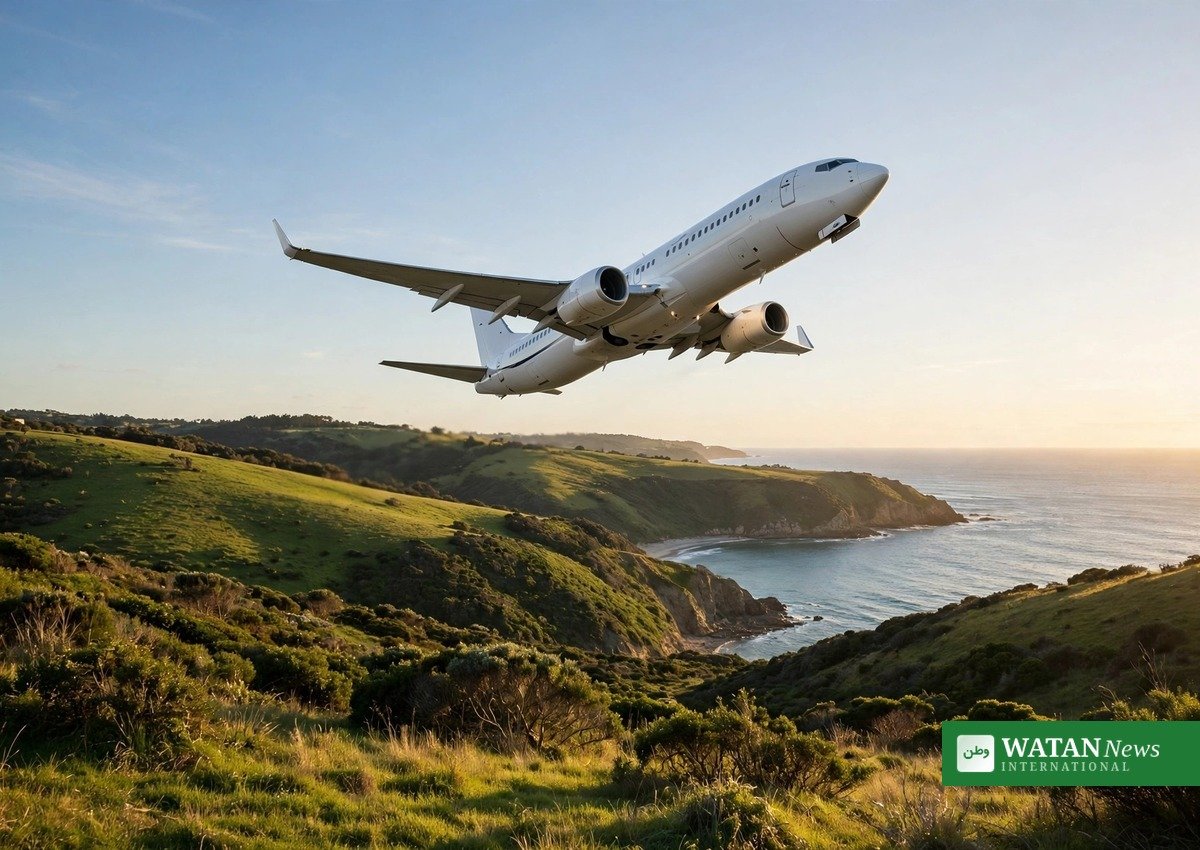
Project Beacon is Aether’s first commercial SAF production facility. It is being developed at Aster’s refining complex on Pulau Bukom in Singapore, and will use feedstocks such as biomethane and industrial waste gases.
Aether’s Aurora technology adapts the Fischer-Tropsch process to turn those waste-derived gases into liquid aviation fuel. That offers an alternative to the established HEFA pathway, which relies on lipid-based feedstocks whose availability is constrained. The fuel supplied under the agreement will be certified under the Carbon Offsetting and Reduction Scheme for International Aviation (CORSIA).
In a September 2026 project update, Aether described planned SAF output of approximately 2,000 tonnes a year beginning in 2028, and projected lifecycle greenhouse gas emissions more than 70 percent below those of conventional jet fuel. Those figures are the developer’s expectations for a facility that has yet to begin commercial operations, not measured results.
From a 2025 understanding to a binding deal
The binding agreement follows a memorandum of understanding signed by Singapore Airlines and Aether in 2025. At that stage Project Beacon had not yet been announced; Aether has since selected Singapore as the home of its first commercial facility and built partnerships across the local supply chain.
“Supporting the development and adoption of SAF, and securing future supplies, are integral to SIA’s ambition of achieving net zero carbon emissions by 2050,” said Lee Wen Fen, Singapore Airlines’ chief sustainability officer. She said becoming Beacon’s first airline customer demonstrates demand for new lower-carbon fuel production pathways in Singapore.
Conor Madigan, co-founder and chief executive officer of Aether Fuels, said Singapore is building a strong ecosystem for aviation decarbonisation through refining and aviation infrastructure, investment support and sustainability policies, and its position as a global aviation hub. He described committed demand from a leading airline as the type of collaboration needed to bring new SAF pathways to scale.
What comes next — and what is not yet known
Aether aims to start its first large-scale commercial plant by 2031, with production capacity at least ten times greater than Beacon’s. That remains an expansion plan; the immediate commitment is the purchase of up to 4,800 tonnes from the Singapore project.
The 4,800-tonne figure is the maximum total across the three-year term, not an annual volume, and the agreement does not disclose the price per tonne or the total contract value. The real test will be whether Project Beacon delivers fuel reliably at scale from 2028 — and whether other airlines follow with their own orders for waste-carbon fuel.
For readers interested in how sustainable tourism is developing more broadly, see also: Dhaka Travel Fair Puts Sustainable Destinations at the Centre as BTTF 2026 Opens.
FAKTA
- Buyer: Singapore Airlines — first airline customer for Project Beacon.
- Volume: up to 4,800 tonnes of SAF over three years, deliveries from 2028.
- Facility: Project Beacon, at Aster’s refining complex on Pulau Bukom, Singapore.
- Feedstocks: biomethane and industrial waste gases, via Aether’s Aurora technology.
- Certification: CORSIA; developer projects lifecycle emissions more than 70% below conventional jet fuel.
- Next step: a larger plant by 2031, with at least ten times Beacon’s capacity.