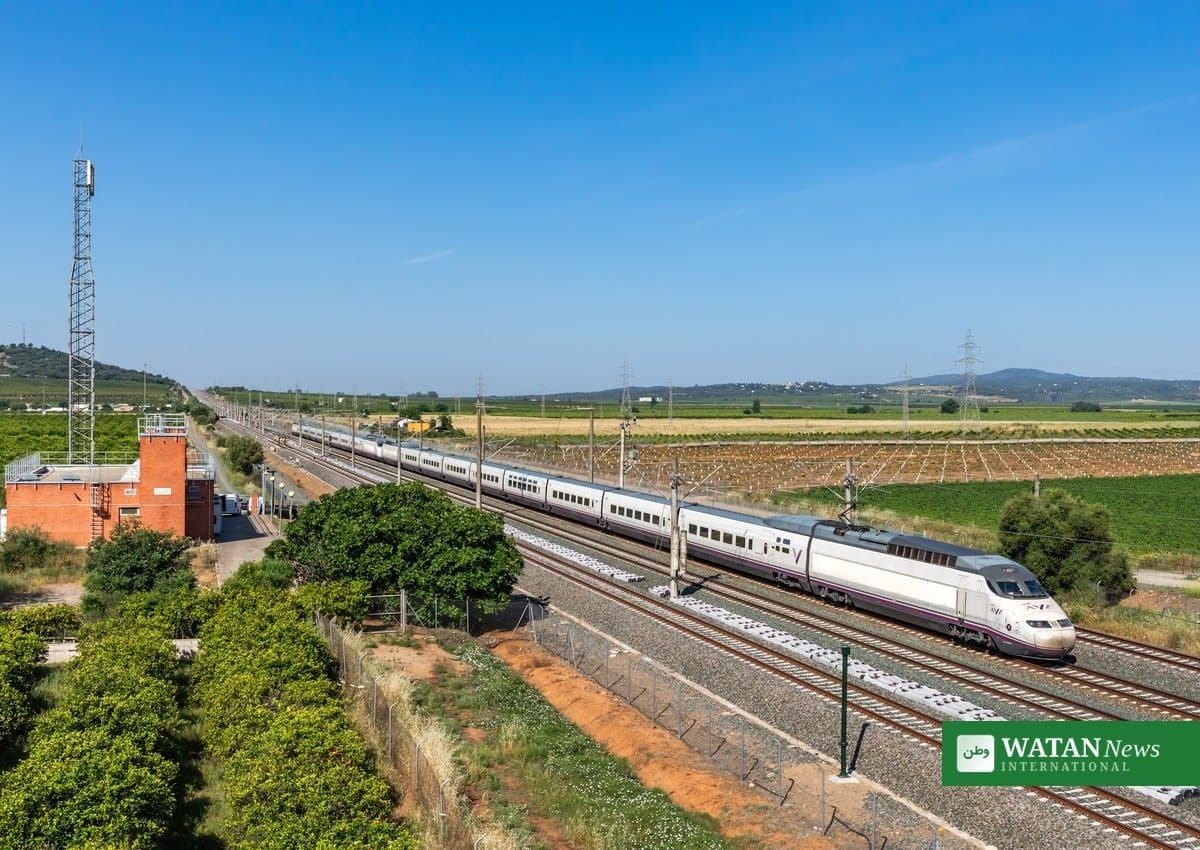
At least 30 people have been killed after two high-speed trains collided in central Spain on Wednesday morning, in the country’s second deadly rail disaster this year. The Spain high-speed train crash happened near the town of Urda in Toledo province, when a Renfe train ran into the rear of an Iryo train that had stopped on the line.
Regional authorities first confirmed 10 deaths, then raised the toll to at least 30, warning it could rise further as rescuers worked through the wreckage. Some Spanish media reports put the feared toll higher, at 46, but officials have not confirmed that figure.
FAKTA
- Spain high-speed train crash: Two high-speed trains collided on Wednesday morning, 28 October 2026, near Urda in Toledo province, central Spain
- Death toll: At least 30 people confirmed dead; regional officials warn the toll is expected to rise, and some media reports put it as high as 46
- Trains involved: A state-owned Renfe train and a private Iryo train, both travelling from Madrid towards Seville in the same direction
- Passengers: 544 people were on board — 397 on the Renfe train and 147 on the Iryo train
- Damage: Two carriages derailed, with wreckage falling down an embankment; one carriage was shredded by the impact
- Services: High-speed services between Madrid, Ciudad Real and Andalusia have been suspended
- Cause: Not yet known; investigators have not confirmed why the leading train stopped or how the second train approached it
Spain high-speed train crash: what happened near Urda
Spain’s rail infrastructure manager Adif said the collision happened on Wednesday morning on the Madrid-Seville high-speed line in Toledo province, between the towns of Urda and Los Yébenes. Regional government spokeswoman Esther Padilla told state broadcaster TVE that the two trains were heading in the same direction from Madrid to Seville when one ran into the tail of the other, which had stopped, knocking two of its cars off the track.
The crash happened on a flat stretch surrounded by fields. Footage from the scene showed derailed carriages, twisted metal and debris scattered down a gravel slope. Health Minister Mónica García told TVE that emergency workers were focusing on rescuing survivors and recovering bodies from the two most damaged carriages. “It was a high-speed impact, so we are expecting this to be a tragedy,” she said.
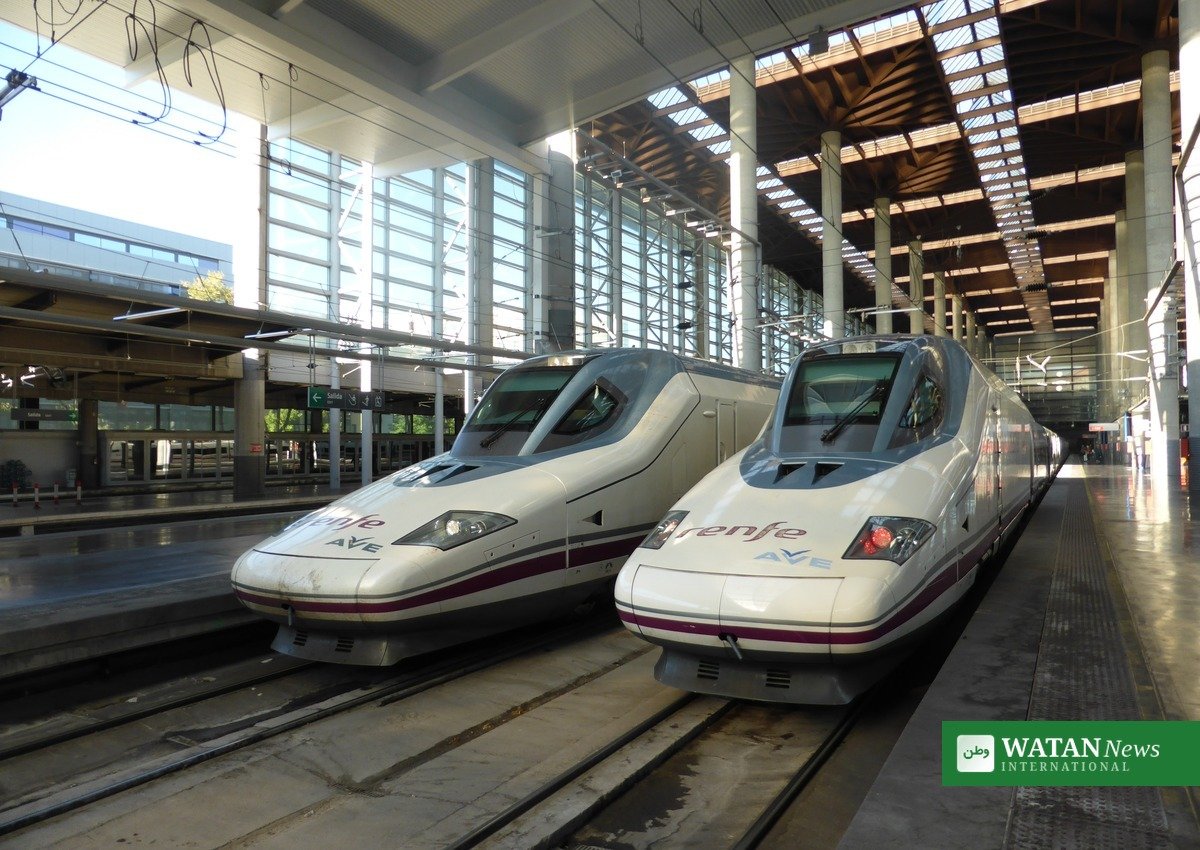
Renfe AVE high-speed trains at Madrid’s Atocha station, where the Madrid-Seville services begin (file photo).
Rescue effort and suspended services
Firefighters, police and medical teams rushed to the scene, supported by three medical helicopters and two mobile intensive care units. A military emergency brigade was also deployed to help. The mayor of Urda, Manuel Galán, said civil protection authorities had asked the town to prepare a sports pavilion to receive injured passengers, and the injured were being taken to hospitals across the area.
Adif suspended high-speed services between Madrid, Ciudad Real and Andalusia, one of Spain’s main transport corridors to the south. Renfe said it would offer free ticket changes and cancellations to affected passengers.
Spain high-speed train crash: reaction and investigation
Prime Minister Pedro Sánchez said he was dismayed by the accident and was in constant contact with the transport minister. “Emergency services are working on site to attend to the affected passengers,” he wrote. “All my thoughts are with the victims and their families.” He cancelled his agenda for the day, and political parties suspended campaign events ahead of next month’s general election.
The cause of the crash has not been established. Early Spanish media reporting, citing government sources, pointed to possible human error after a signalling fault, but officials have not confirmed any cause, and investigators have yet to say why the Iryo train had stopped or why the following Renfe train was able to approach it.
The disaster is the second major train accident in Spain this year. In January, a crash on the southern high-speed line near Córdoba killed 45 people — the deadliest in Spain since a 2013 crash that killed 80. Wednesday’s crash has again raised questions about safety on Spain’s extensive high-speed network, one of the largest in the world. For more coverage from the region, see Watan News Europe coverage.