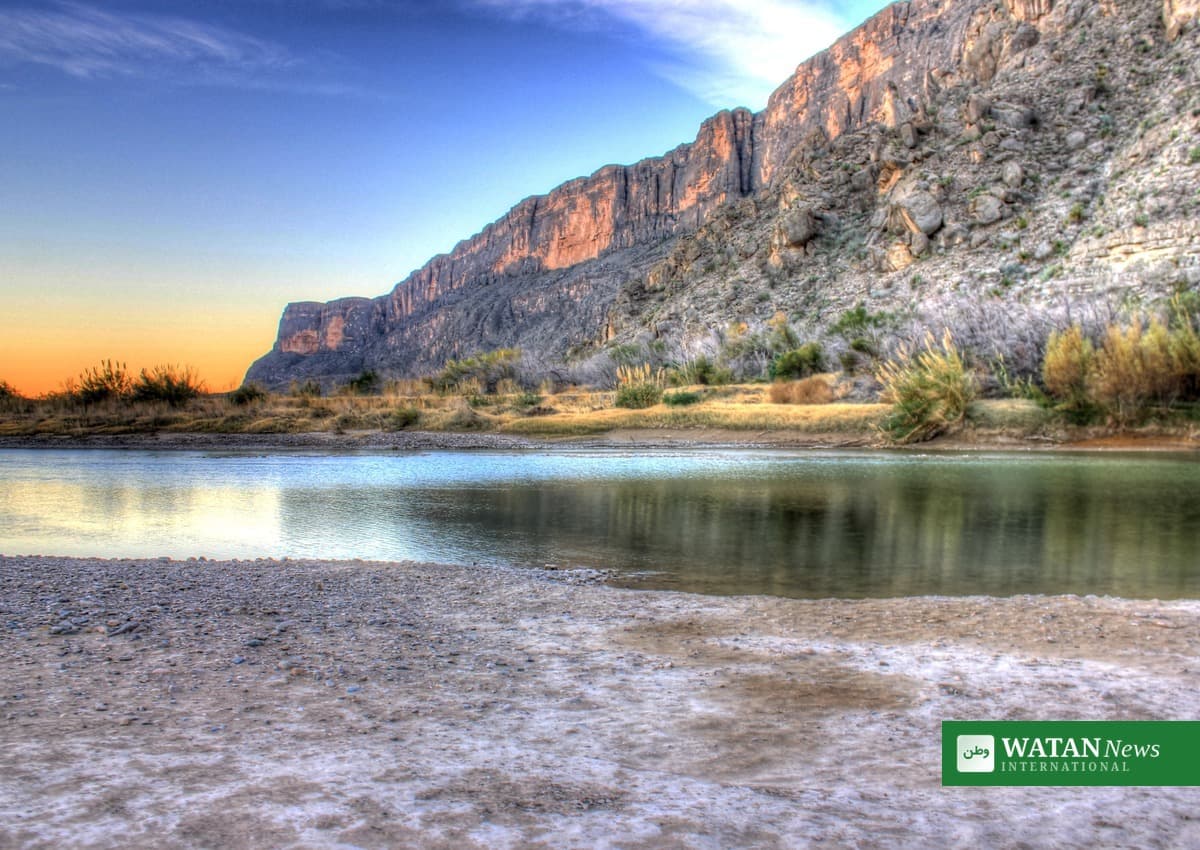
In a ruling on the Supreme Court Big Bend border wall case, the US Supreme Court on Monday gave President Donald Trump’s administration the green light to resume construction of border barriers in the Big Bend region of West Texas, including inside Big Bend National Park.
The court granted the administration’s emergency request to lift a federal judge’s order that had halted construction in the region while a lawsuit against the project plays out. The decision fast-tracks one of the president’s longstanding priorities: building or reinforcing barriers along the US–Mexico border.
FAKTA
- The Supreme Court ruled 8–1 in an unsigned opinion. Justice Ketanji Brown Jackson was the only justice to publicly dissent.
- The ruling lifts an October injunction by US District Judge Kathleen Cardone in El Paso, who had blocked the project in the Big Bend region.
- The Big Bend sector spans more than 300 miles (480 km) of the US–Mexico border. Big Bend National Park would get a 17-mile (27-km) noncontiguous vehicle barrier system, not the 30-foot (9-metre) pedestrian barrier planned for other areas.
- The waivers fast-tracking the work were issued between February and July by Homeland Security Secretary Markwayne Mullin and his predecessor Kristi Noem under a 1996 federal law.
- The lawsuit challenging the project continues in the lower court while construction proceeds.
What the Supreme Court Big Bend border wall ruling changes
The court said the government’s interest in border security outweighs the harm claimed by the challengers. “The government’s interest outweighs any aesthetic, recreational, and environmental harm alleged by respondents,” the court wrote in its brief ruling.
The administration has said most of the construction in the Big Bend sector will take place on privately owned land, and that the park, around 250 miles (400 km) southeast of El Paso, will not get the tall pedestrian barrier planned elsewhere. The Department of Homeland Security has not yet said when building in the park will resume.
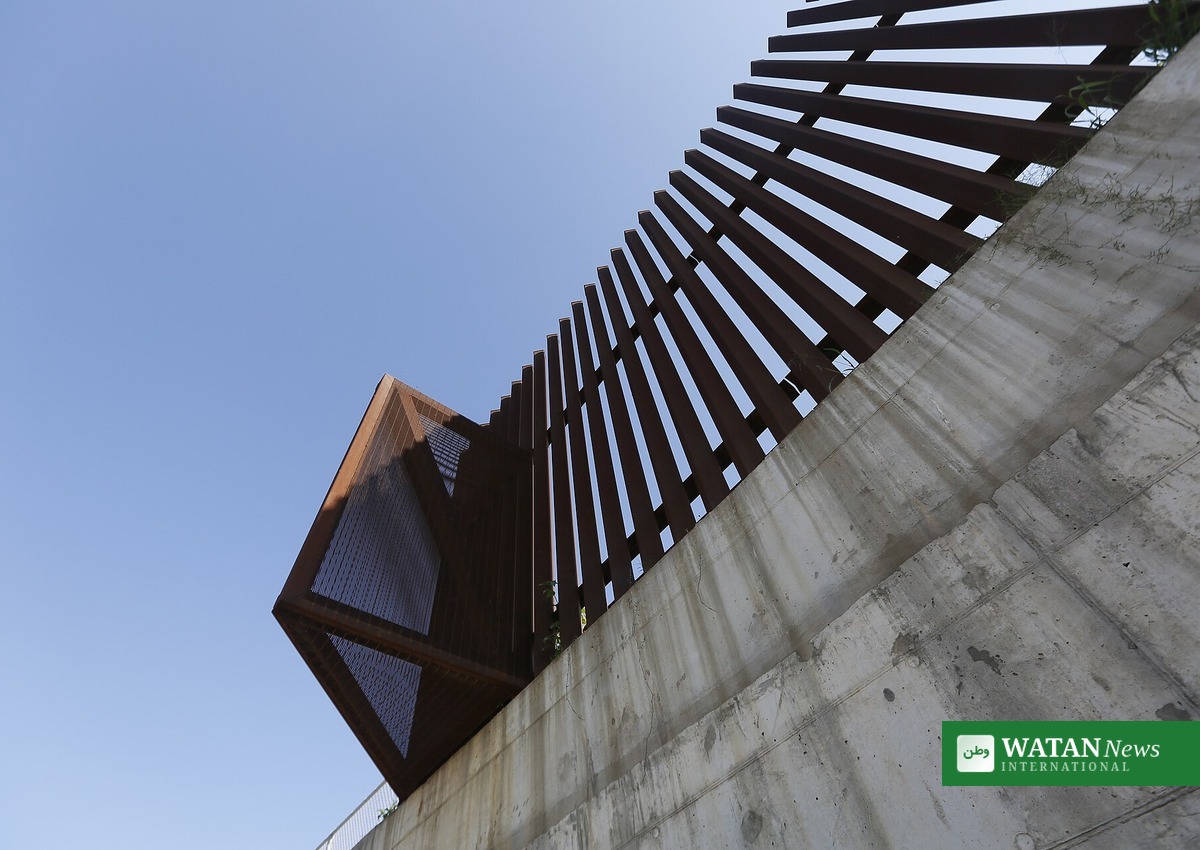
The legal fight behind the ruling
The lawsuit was brought by the Center for Biological Diversity, a Big Bend-area river guide and a group seeking to preserve a historic church in Ruidosa, Texas, which says its fragile adobe structure is threatened by the construction. The plaintiffs challenged the Homeland Security waivers, which let the project skip a series of environmental and conservation laws, arguing that the waivers exceeded the secretary’s authority.
Judge Cardone found that the waivers lacked clear congressional authorisation and violated the so-called “major questions” doctrine, noting that Big Bend has by far the lowest rate of migrant apprehensions along the entire border. “Therefore, if the Big Bend Sector is an area of high illegal entry, so is every other sector, and the waiver authority would apply to the entire US-Mexico border,” she wrote.
The Justice Department told the Supreme Court that her ruling was baseless, saying the waiver authority reflects “a crystal-clear, indisputably valid express delegation from Congress that the executive has used for decades to expedite border-wall construction.” The administration has also said border officials have seized large quantities of drugs in the region and that cartels operate south of the region in Mexico.
Opposition and next steps
The push to extend border infrastructure into the national park has faced opposition from local officials, conservationists and some Texas Republicans. In August, the administration paused construction in Big Bend after bipartisan criticism over its potential impact on the park’s landscape and wildlife. Crews had already begun clearing land in the park for roads and border security infrastructure, prompting protests and lawsuits.
Conservation groups criticised Monday’s ruling. “The Trump administration and its contractors are hellbent on destroying one of America’s greatest national parks, and the Supreme Court just gave them the green light,” Laiken Jordahl, a public lands advocate at the Center for Biological Diversity, said in a statement. The case itself continues in the lower court, where the challengers’ claims will be heard in full.
Read more world news on Watan News.