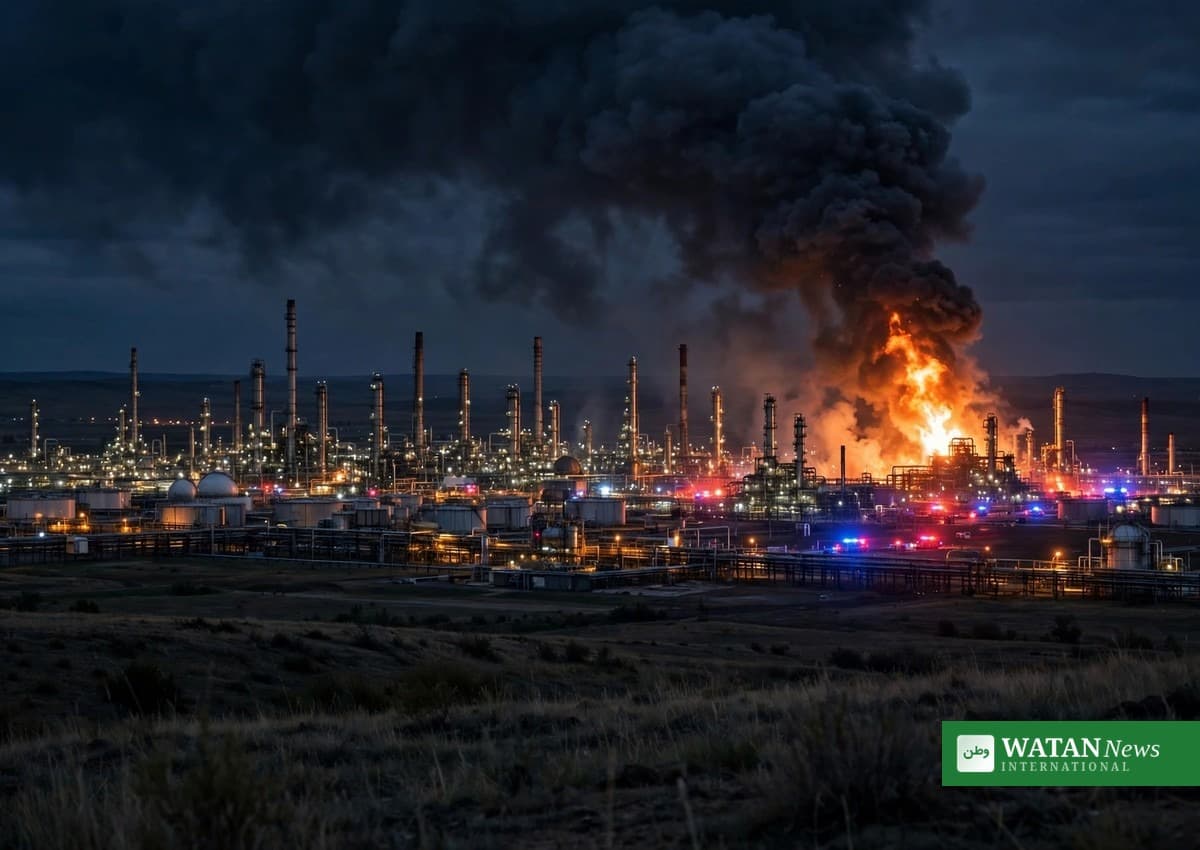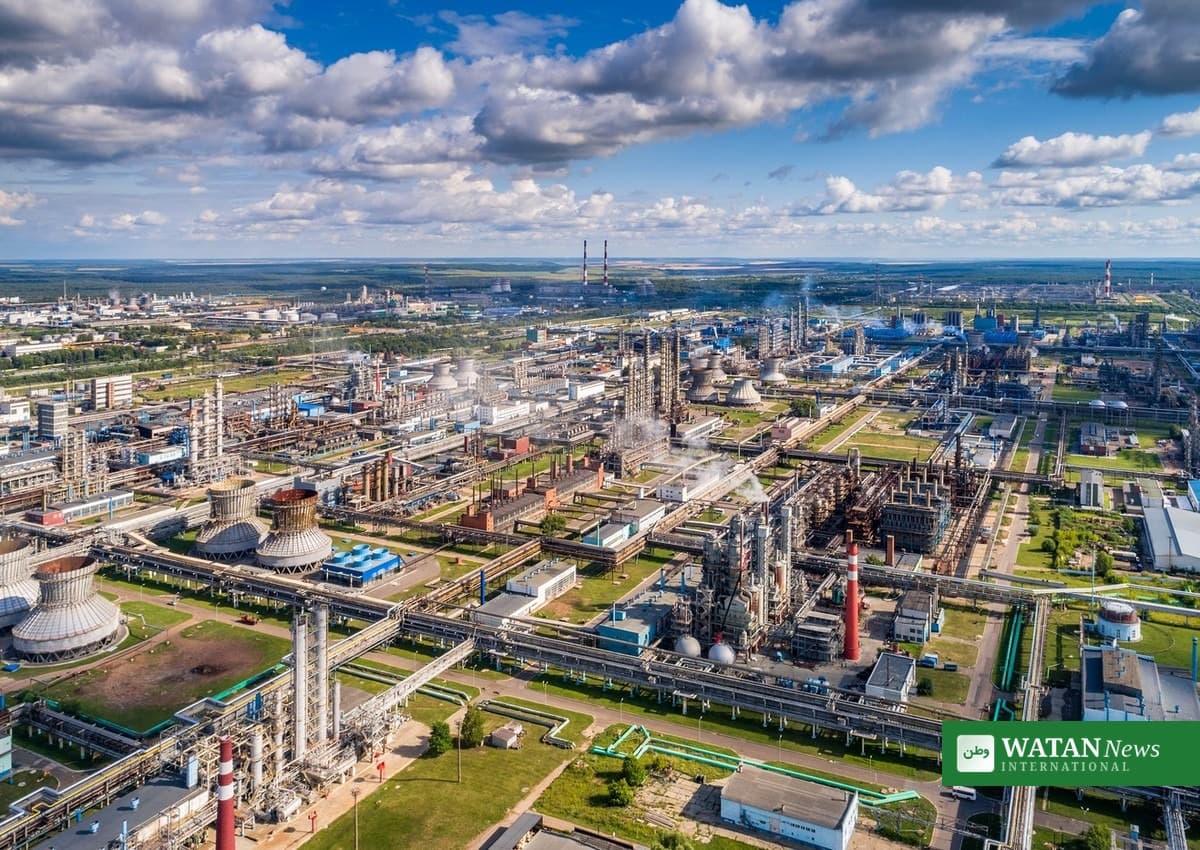
Ukrainian drones struck one of Russia’s largest petrochemical plants overnight into Sunday, setting off a fire at the Nizhnekamskneftekhim complex in Nizhnekamsk, Tatarstan, more than 1,000 kilometres from the Ukrainian border, Kyiv’s General Staff said.
The overnight operation — Ukraine strikes Tatarstan petrochemical plant and oil refinery in a single wave — also hit the TAIF-NK refinery in the same city and a helicopter plant in the Bryansk region, the General Staff said, in one of the deepest Ukrainian strikes of the war.
FAKTA
- What happened: Ukrainian drones struck the Nizhnekamskneftekhim petrochemical complex and the TAIF-NK oil refinery in Nizhnekamsk, Tatarstan, overnight into Sunday, 15 November 2026, Ukraine’s General Staff said.
- Where: Nizhnekamsk, in Russia’s Republic of Tatarstan, more than 1,000 kilometres from the Ukrainian border.
- Injured: Three people were injured in Nizhnekamsk, regional authorities said. A residential building was also damaged and residents were evacuated.
- Killed: An engineer was killed at an electricity substation in Taganrog, in the Rostov region, the regional governor said.
- Third target: The Monolit defence and aviation plant in Trubchevsk, Bryansk region, which produces helicopters and spare parts.
- Russia’s account: Moscow said it shot down 533 Ukrainian drones overnight across a dozen regions and annexed Crimea.
- Damage: The extent of the damage at the Tatarstan plants is still being assessed, the General Staff said.
Ukraine strikes Tatarstan petrochemical plant: what happened in Nizhnekamsk
Kyiv’s General Staff said its forces struck the Nizhnekamskneftekhim plant, a major producer of synthetic rubber and plastics and one of Russia’s largest petrochemical plants, and the TAIF-NK refinery in the same city. Explosions were reported at the Nizhnekamskneftekhim complex, followed by a fire, and a fire was also recorded at the refinery.
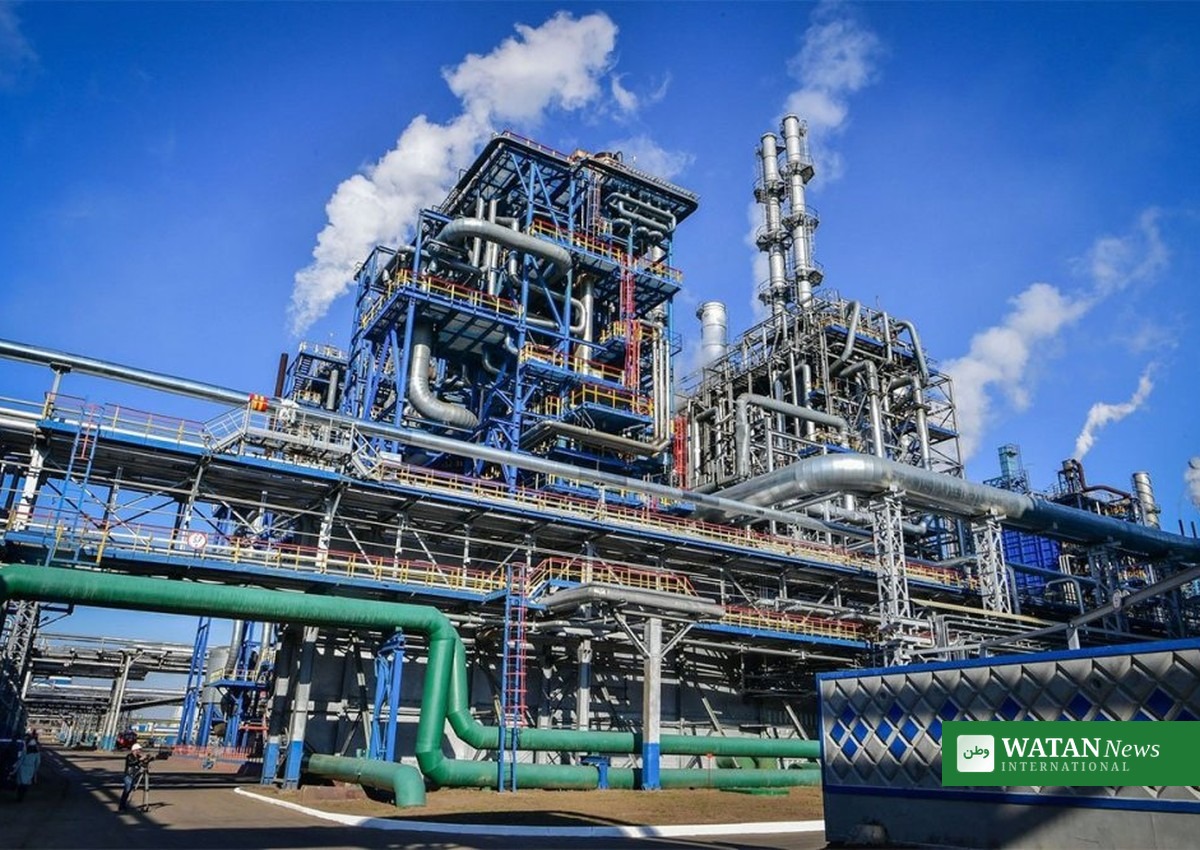
At the TAIF-NK refinery, the strike hit the plant’s only primary processing unit, known as ELOU-AVT-7, which carries out the first stage of crude oil processing. The General Staff said the plants supply the war with fuel and raw materials, and that the scale of the damage at both sites is still being assessed.
Nizhnekamsk’s mayor, Radmir Belyaev, said the city came under a massive and prolonged drone attack early on Sunday. “Early this morning, Nizhnekamsk was the target of a massive and prolonged attack by enemy drones. As a result of this attack, facilities in the industrial zone were damaged,” he wrote on Telegram. A residential building was also damaged, he said.
Ukrainian and Russian media said the strikes caused a fire at the Nizhnekamskneftekhim complex, which is owned by the Russian chemicals company Sibur. Videos published on social networks showed flames and thick smoke rising above the industrial site.
Strikes in Taganrog and Bryansk
In Taganrog, an industrial port city in the Rostov region, drones hit two electricity substations and damaged a bridge, disrupting rail traffic and power supplies. An engineer at one of the substations was killed, regional governor Yuri Slyusar said. Taganrog’s mayor, Svetlana Kambulova, said a fire at a substation had been put out and a local state of emergency had been declared.
The third target named by the General Staff was the Monolit company in Trubchevsk, in Russia’s Bryansk region, a defence and aviation manufacturing plant that produces helicopters and spare parts.
Moscow’s defence ministry said it had shot down 533 Ukrainian drones between Saturday night and Sunday morning over a dozen regions of Russia and annexed Crimea.
The strikes came a day after President Volodymyr Zelenskyy said US negotiators had raised the idea of Ukraine joining NATO in exchange for withdrawing from the Donbas region, at talks in Abu Dhabi.
A widening deep-strike campaign
The Nizhnekamsk strikes are the latest sign that Kyiv is widening its long-range drone campaign from oil refineries to the petrochemical plants behind them. Nizhnekamskneftekhim produces ethylene, polyethylene, polypropylene and synthetic rubbers, the building blocks of plastics and tyres, including tyres for military vehicles.
Nizhnekamsk has been hit before: Ukraine’s General Staff confirmed strikes against the TANECO refinery in the city in August and again in September.
Overnight, Russia also carried out strikes of its own. Ukraine’s Air Force said Russia launched 132 drones at Ukraine overnight, and that air defences shot down or jammed 106 of them, with hits recorded at 20 locations. In Zaporizhzhia, Russian aircraft carried out strikes using guided aerial bombs, injuring six people including a two-year-old child, and damaging a dormitory building whose residents are mostly internally displaced people.