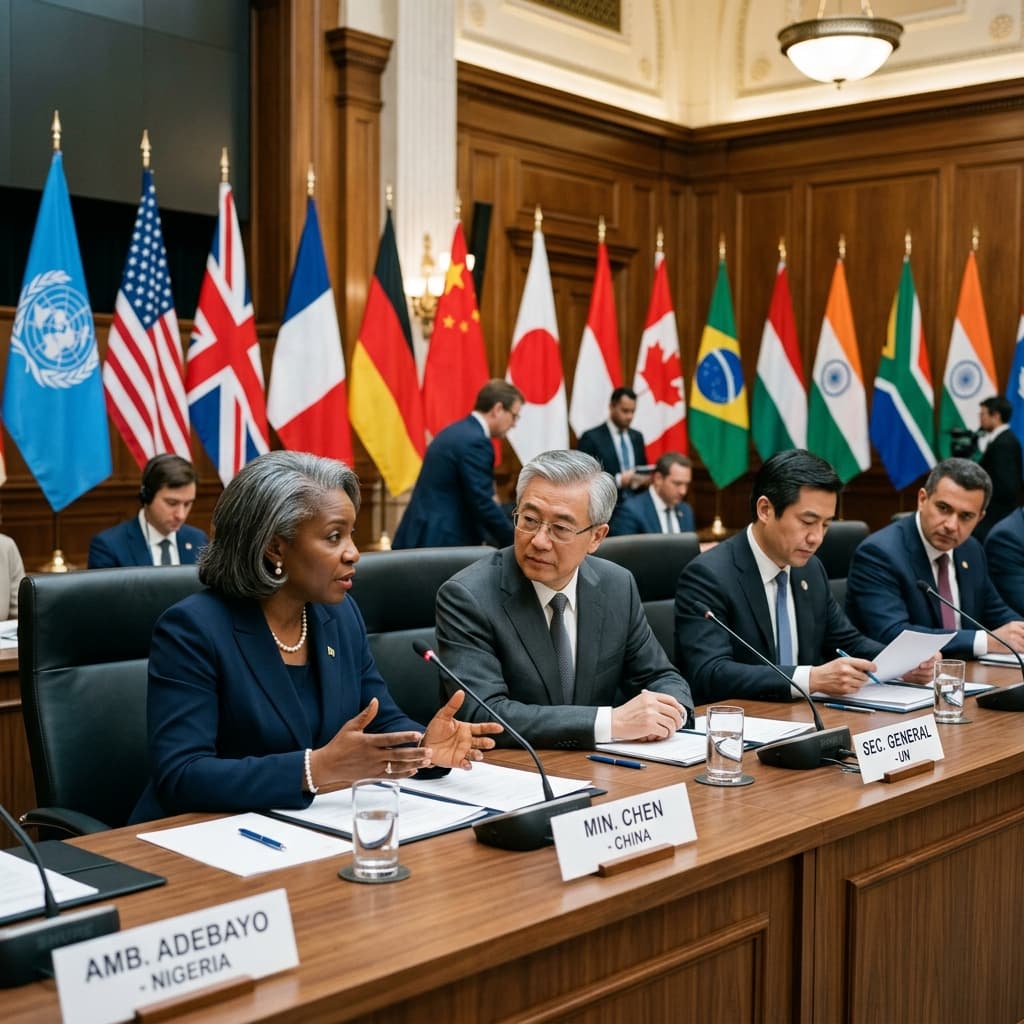
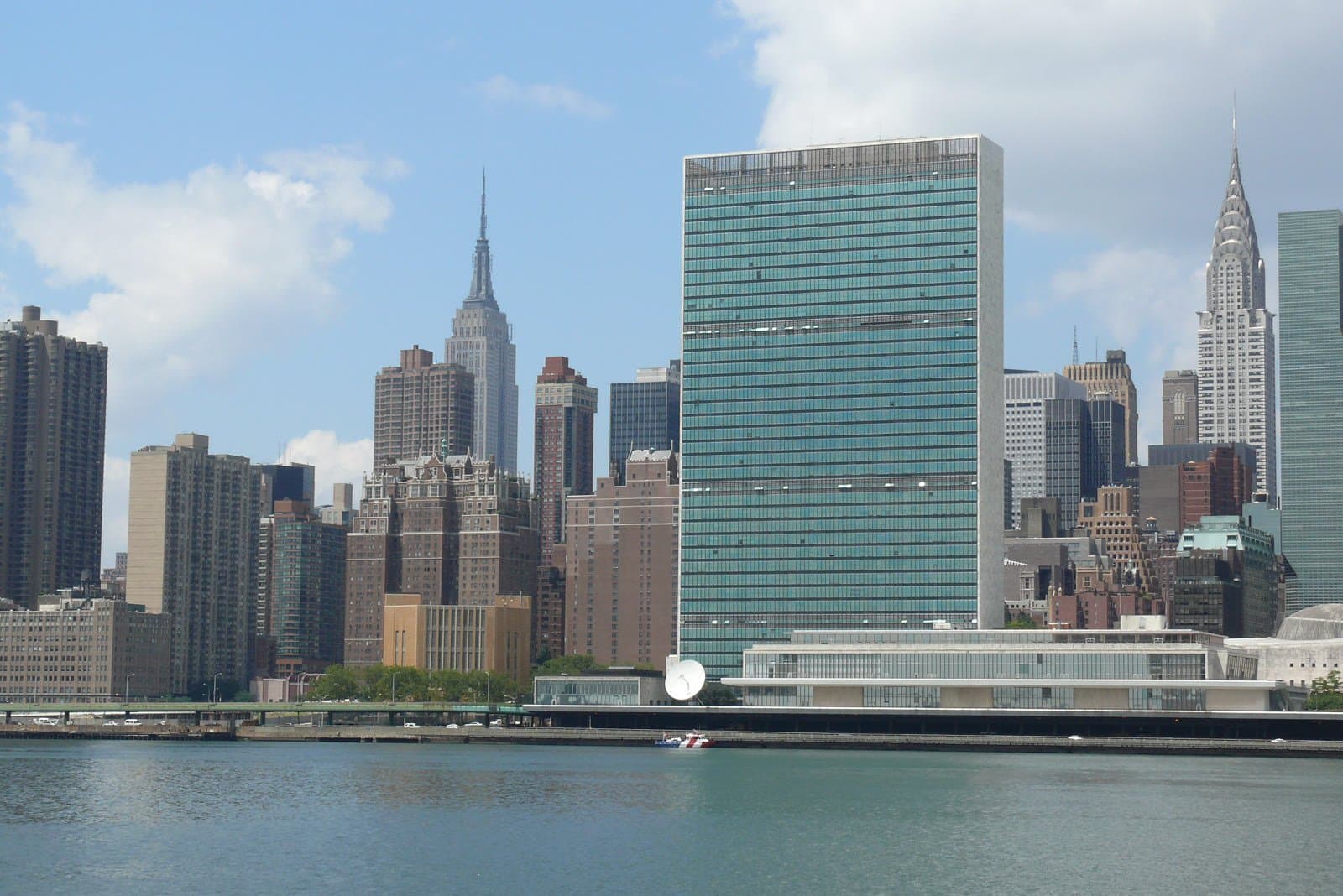
NEW YORK / ANTALYA — World leaders arrive in New York for the high-level week of the 81st United Nations General Assembly under mounting pressure to turn climate rhetoric into delivery, as governments look ahead to COP31 in Antalya from 9–20 November. Expert briefings this week frame the UNGA–COP31 corridor around Loss and Damage finance, electrification and grids, and a dual COP31 presidency that splits negotiations from the Action Agenda.
High-level week runs from about 22–29 September, with the general debate scheduled for 22–26 and 28 September. A high-level meeting on climate action and just transition is listed for 23 September, and a high-level plenary on sea-level rise for 24 September.
The backdrop is severe. Nepal has called for a “global effort” after a late-August glacier collapse and flooding killed more than 1,300 people in Nepal and China’s Tibet region, with thousands still reported missing. Analysts also cite extremes including more than one million hectares burned in Europe’s record 2025 wildfire season, and insurance modelling putting average annual global insured catastrophe losses near $171 billion — up $19 billion year-on-year. The International Energy Agency has separately described conflict-related disruption affecting Strait of Hormuz flows as the biggest energy crisis in history.
Experts: urgency, finance and grids
At a 16 September virtual press conference, Jennifer Morgan, senior fellow at Tufts University’s Fletcher School and former German climate envoy, said climate impacts had “really pushed us into new territory this year,” adding they are “no longer a future scenario” but “very much here and now, and it is everywhere.” She urged Türkiye and Australia to set out a precise COP31 vision in the weeks ahead.
Ajay Mathur, professor at IIT Delhi and a former Indian climate negotiator, said the Nepal disaster showed climate and energy crises compounding in real time. He said UNGA and COP31 were likely to see renewed pressure to fully resource the Loss and Damage Fund, plus greater investment in electricity grids and continued energy-transition momentum. “The current energy shocks” should not lock in permanent fossil dependence, he argued. Mathur also said COP31 needed “concrete measurable commitments,” warning that “diplomatic rhetoric alone will not lower electricity bills or stop the glacial melts that occurred in Nepal.”
Nathalie Jones of the International Institute for Sustainable Development cited Centre for Research on Energy and Clean Air figures that fossil-fuel importers paid an additional $330 billion for oil products and LNG in the first six months of the conflict versus pre-war forecasts, and said responses should include renewables, efficiency, electrification, grids and storage. Laurence Tubiana, CEO of the European Climate Foundation, said governments faced pressure to protect affordability while keeping long-term transition plans, and that “geopolitics of value chain” tensions were complicating the shift.
Antalya’s Action Agenda: “35 by 35”
COP31 will be hosted in Antalya with Türkiye as host and Action Agenda lead, while Australia’s Climate Change and Energy Minister Chris Bowen leads negotiations. Ümit Şahin of Istanbul Policy Center has summarised three Turkish presidency priorities: an “implementation COP,” electrification, and climate finance — without displacing negotiated outcomes needed for the Paris Agreement.
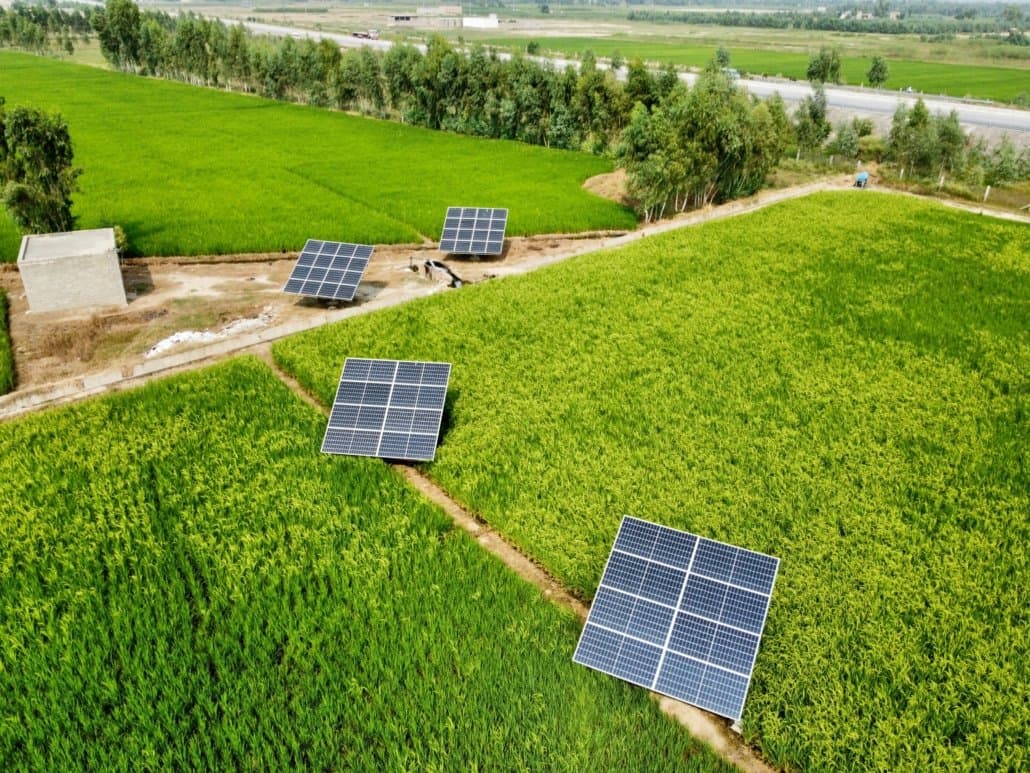
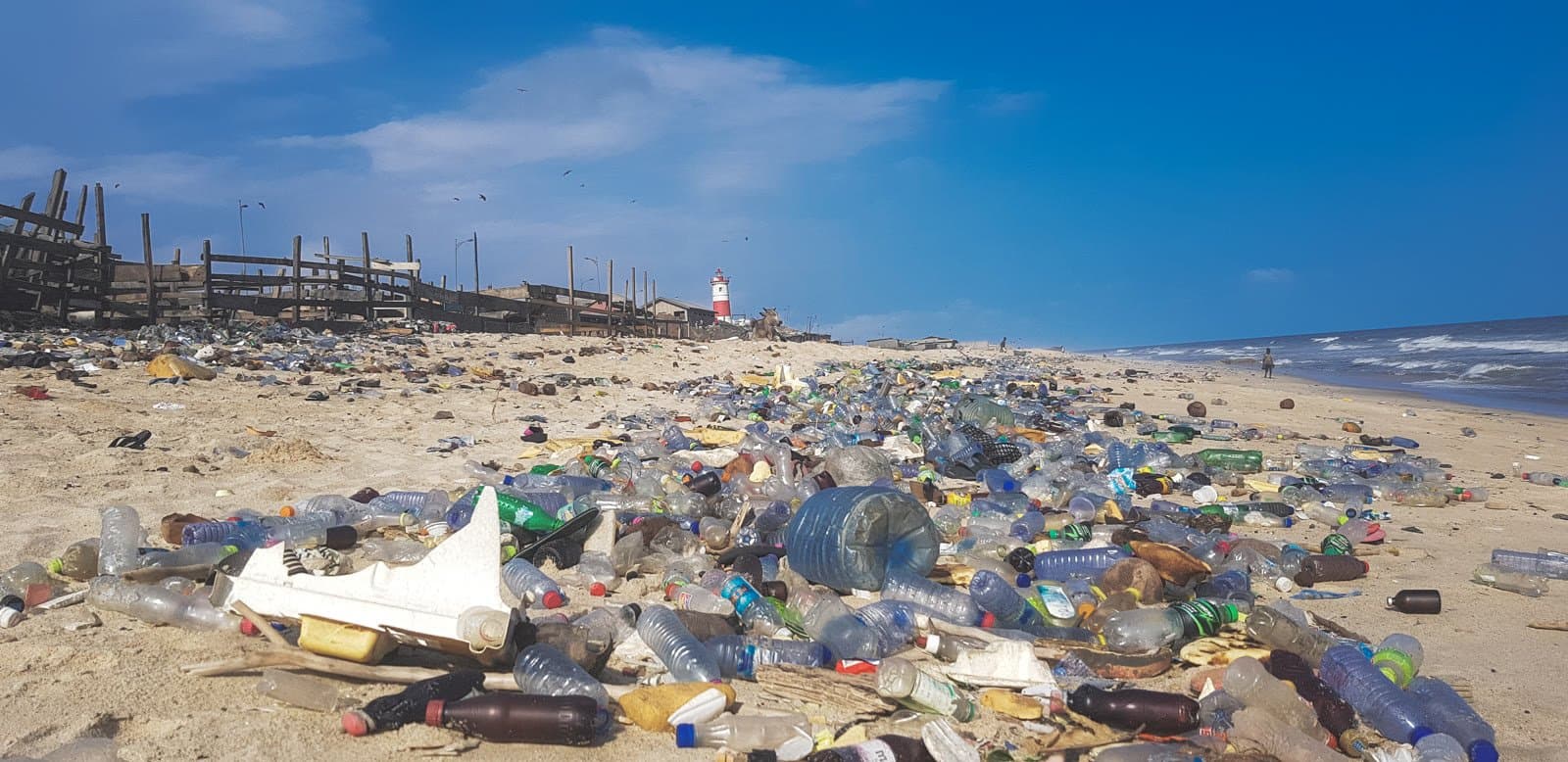
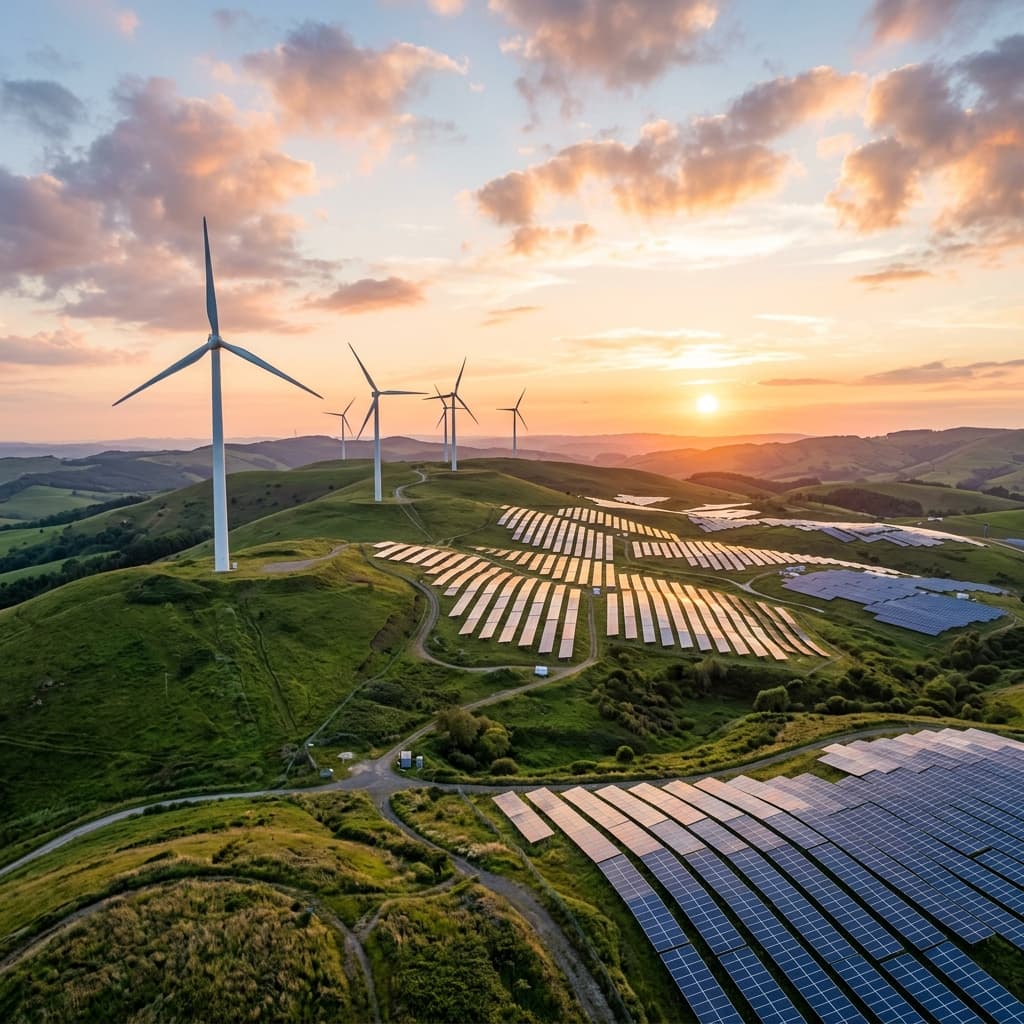
The Action Agenda, unveiled earlier in Bonn, includes a “35 by 35” goal to raise electricity’s share of final energy from just over 20% today to 35% by 2035; halving global waste growth by 2035; and cutting building-sector energy-consumption intensity by at least 25% by 2035 under a resilient-cities target. Official materials describe the Climate Implementation Bridge as a connector between national priorities and existing finance — not a new fund. The presidency has commissioned IEA pathway analysis with Australia and framed the Agenda as complementary to formal negotiations.
For UNGA week and the run-up to Antalya, the test experts describe is concrete: whether leaders signal Loss and Damage resources, grid and electrification investment, and trackable Action Agenda delivery — or leave New York with another round of diplomatic language.