The United States has widened its Hormuz blockade pressure campaign against Iran from the sea to the land, announcing a new task force to block Tehran’s overland supply routes days after President Donald Trump confirmed fresh, limited US strikes on an air defence site on Qeshm Island. The move comes during one of the most dangerous weeks yet for shipping in the Strait of Hormuz, with tankers reported hit by mines, a cargo ship disabled by US forces and 22 sailors rescued from a burning vessel in the Gulf of Oman.
Read this story on Watan News: US Widens Iran Blockade to Land Routes as Hormuz Tensions Escalate
FAKTA
- President Donald Trump confirmed on 6 November that US forces carried out “minor” strikes on an air defence system on Iran’s Qeshm Island, saying it was knocked out in about 15 minutes.
- US Central Command announced Task Force Iron Gate on 7 November, a team of about 20 civilian and military personnel based in Tampa, Florida, to block Iranian weapons and sanctioned goods moving over land borders and the Caspian Sea.
- Central Command says its naval blockade has prevented more than $25 billion in Iranian crude oil exports and redirected 144 commercial vessels through the end of October.
- US forces disabled the St Kitts-flagged cargo ship M/V Huda in the Gulf of Oman on 7 November after it repeatedly tried to break the blockade.
- The United Arab Emirates rescued 22 crew members from a burning cargo ship in the Sea of Oman on 8 November; all were reported in stable condition.
- Iran’s Revolutionary Guard navy said two oil tankers struck mines near the Strait of Hormuz and caught fire; the UK Maritime Trade Operations centre recorded 11 ships attacked in and around the strait over the past week, three of which sank.
- Houthi-run health authorities said 33 people, including 13 children, were killed in strikes on a village east of Sanaa on 7 November; Saudi Arabia says it is investigating and the account has not been independently verified.
The Hormuz Blockade Widens to Land Routes
The new unit, Task Force Iron Gate, was ordered by Admiral Brad Cooper, commander of US Central Command. It will coordinate with other US government agencies to stop the movement of advanced weapons systems, dual-use technologies, sanctioned materials and illegal revenue streams across Iran’s land borders and the Caspian Sea. Central Command described the step as an expansion of the naval blockade of Iranian ports that has been in force since a ceasefire collapsed in July.
President Trump first imposed the blockade in April, lifted it in June as part of a memorandum of understanding, and reinstated it on 14 July. The blockade has bottled up Iranian crude: Central Command estimates it has prevented more than $25 billion worth of oil exports, and 144 commercial vessels had been redirected by the end of October.
Strikes on Qeshm Island
Speaking to reporters on 6 November, President Trump described the latest strikes as limited. “They built a little bit of an anti-aircraft device and we knocked it out in about 15 minutes, maybe five,” he said. Iran’s official news agency IRNA reported the sound of two explosions on Qeshm Island, as well as explosions in the cities of Jask, Sirik and Bandar Abbas. Iran’s army said early on 7 November that it had destroyed a US-made MQ-9 drone using a new system, a claim the United States did not confirm.
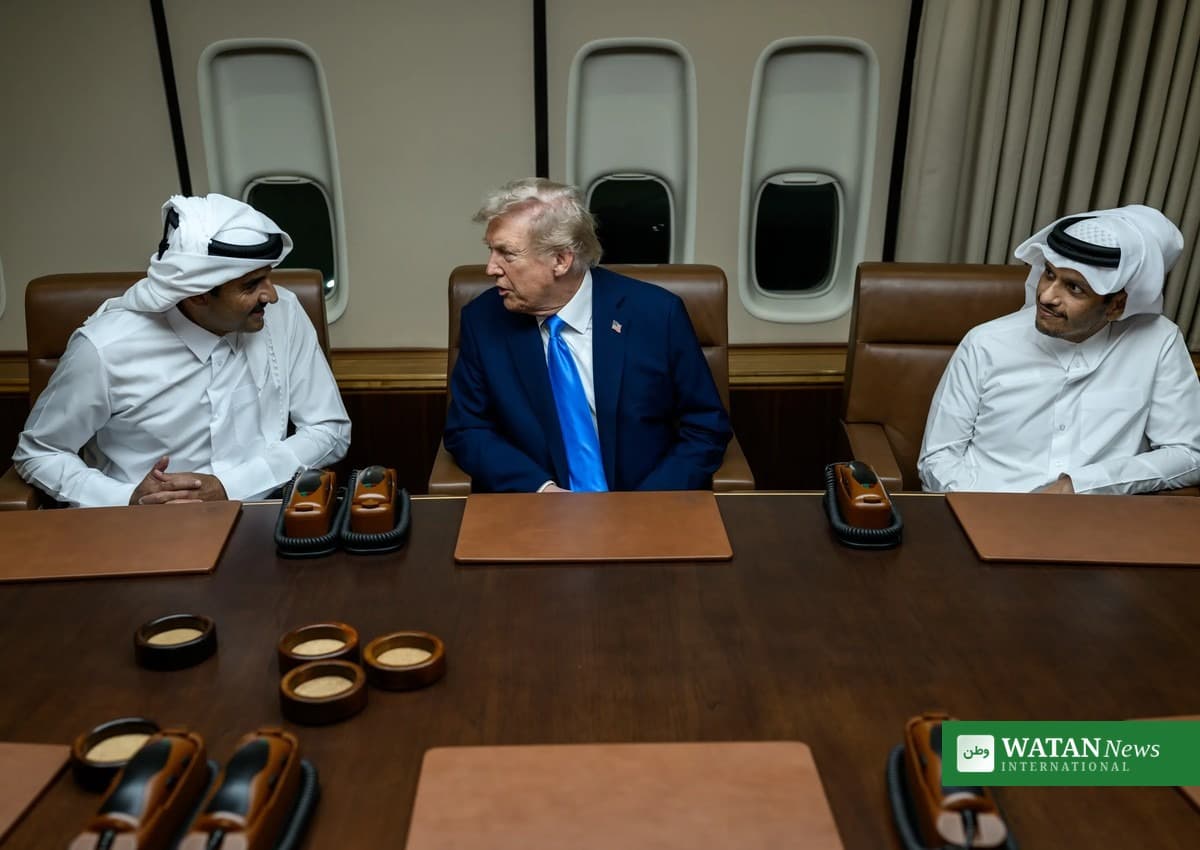
The strikes were the first since the US midterm elections on 3 November. At the same time, both sides said negotiations to end the war were continuing. Under a proposal relayed through Qatar, the United States would lift the blockade in the Strait of Hormuz and release some frozen Iranian assets, while Iran would allow International Atomic Energy Agency inspectors to return to bombed nuclear sites. Iran’s Foreign Ministry confirmed it was reviewing the latest text from Washington, relayed through Pakistan.
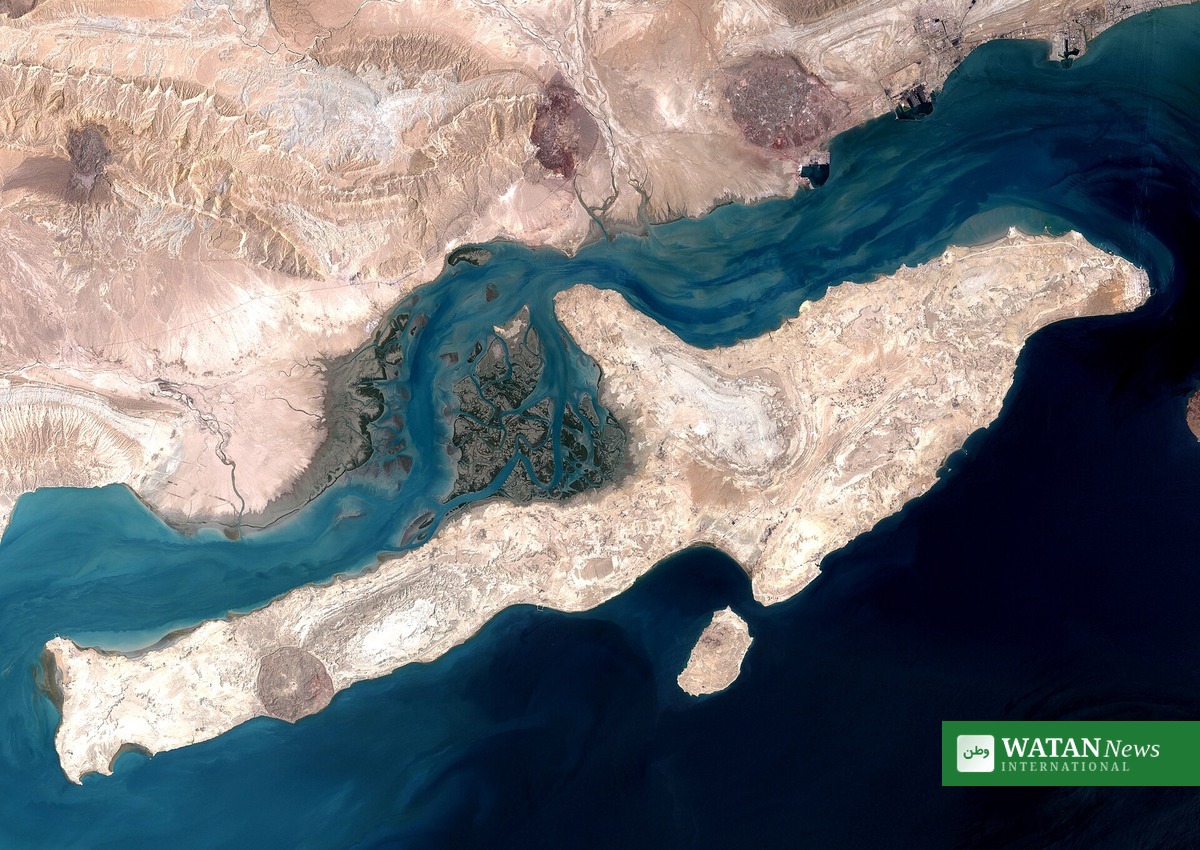
Qeshm Island sits at the mouth of the Strait of Hormuz, the narrow waterway at the centre of the confrontation.
A Dangerous Weekend at Sea
The Gulf of Oman and the Strait of Hormuz saw a series of incidents over the weekend. US Central Command said an American military aircraft fired precision munitions at the stern of the M/V Huda after its crew ignored repeated warnings and tried several times to break the blockade. The United Arab Emirates National Guard said its Coast Guard rescued all 22 crew members, all Arab nationals, from a separate cargo ship that caught fire in the Sea of Oman. The UAE authorities did not name the vessel or say what caused the fire, and there is no confirmed link between the two incidents.
Iran’s Revolutionary Guard navy said two oil tankers struck mines near the strait and caught fire, and the United Kingdom Maritime Trade Operations centre reported a tanker fire about eight nautical miles northwest of Khasab, Oman, with its crew evacuated. According to UKMTO figures cited in reporting, at least 11 ships were attacked in and around the strait over the past week and three of them sank.
Yemen Fighting Flares Again
The regional confrontation also spread to Yemen. Houthi-run health authorities said strikes on homes in Al-Shariya village in the Bani Hushaysh district, east of Sanaa, killed 33 people, including 12 men, eight women and 13 children, and wounded 39 more. The Houthis blamed Saudi Arabia. Saudi Arabia’s Center for International Communication said it was investigating the reports, and Reuters said it could not independently verify the account or the casualty figures. Riyadh has not claimed responsibility for the strikes.
The Houthis said they carried out six retaliatory operations against Saudi targets, including Riyadh airport and Aramco facilities. The Saudi-led coalition said it intercepted four Houthi missiles, including two cruise missiles over Riyadh and southern regions and two ballistic missiles aimed at the capital, and a separate ballistic missile aimed at the Eastern Province. Falling shrapnel damaged a Saudi Aramco office tower in Riyadh, with no injuries reported.
What Happens Next
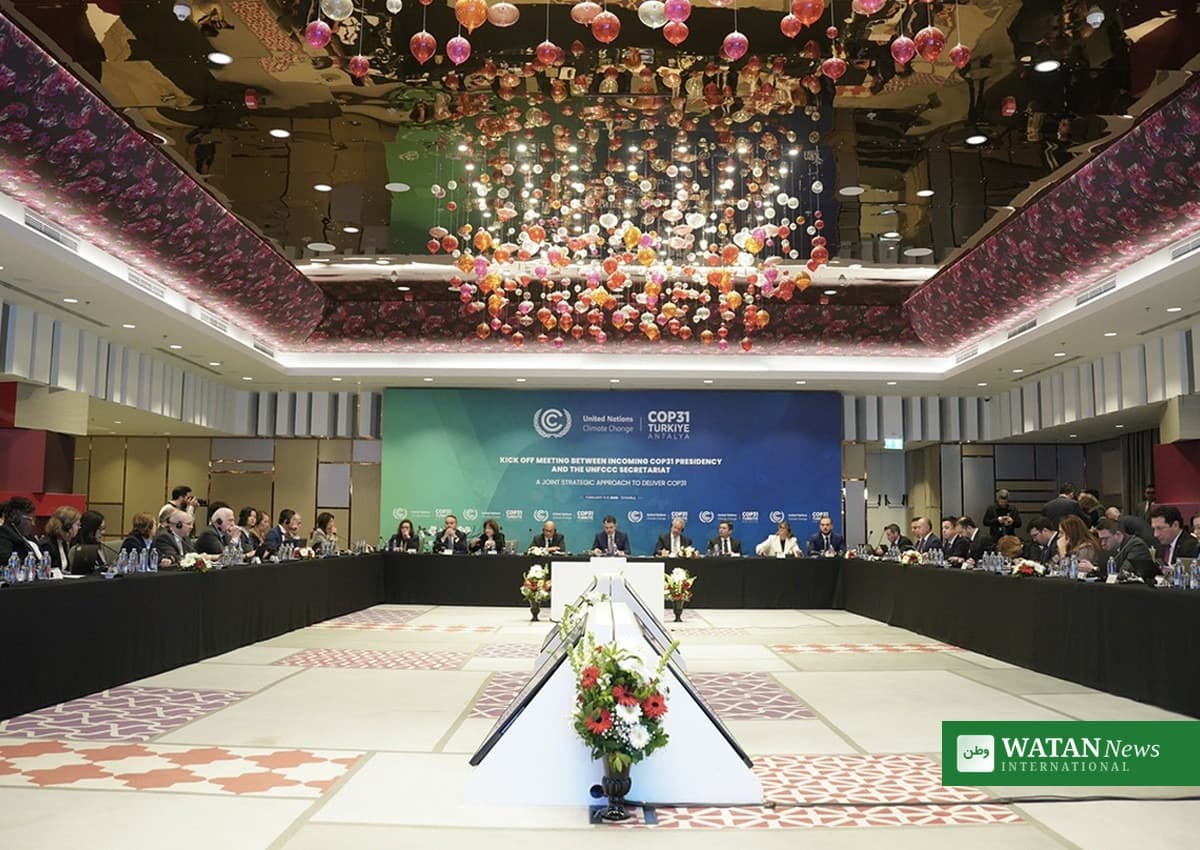
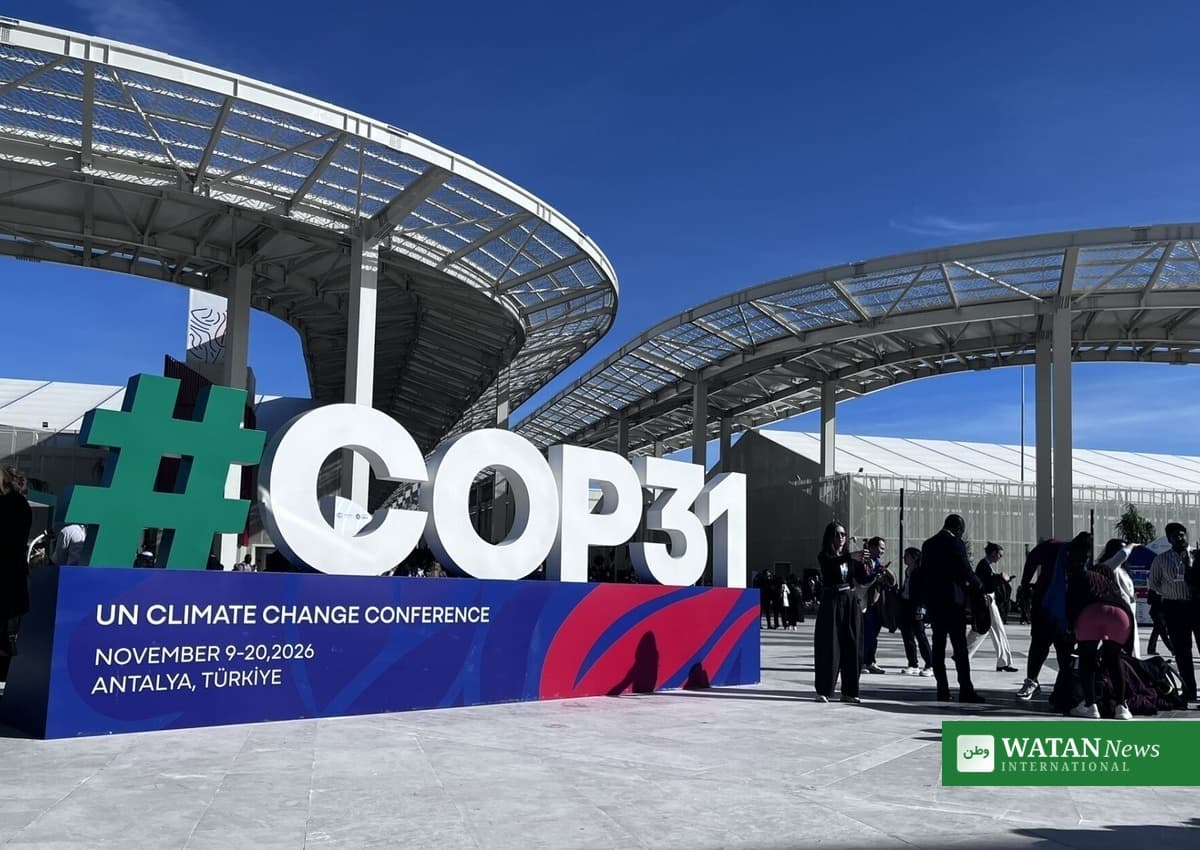
The coming days will test whether the new land blockade and the continuing Qatar-mediated talks can pull the confrontation back from the waterway that carries about a fifth of the world’s oil. Iran’s Foreign Ministry has urged what it called a more realistic approach from Washington, while Tehran has said the Strait of Hormuz will remain closed until its demands are met. With COP31 opening in Antalya on 9 November, the Gulf crisis is set to dominate the sidelines of a summit meant to focus on climate.
Timeline: A Week of Escalation
| Date | Development |
|---|---|
| 2-3 November | Limited US strikes on Qeshm Island reported |
| 5 November | Revolutionary Guard says tankers and a tug are burning near Hormuz |
| 6 November | Trump confirms new limited strikes on Qeshm Island |
| 7 November | CENTCOM creates Task Force Iron Gate and disables the M/V Huda; two tankers reported hit by mines |
| 8 November | UAE rescues 22 sailors from a burning cargo ship in the Sea of Oman |
Conclusion
Washington’s decision to extend its Iran blockade from the sea to the land marks a new phase in a confrontation that began on 28 February and has already shut down much of the shipping through the world’s most important oil waterway. With tankers burning, sailors being rescued and talks still under way through Qatari mediation, the next move now rests on whether diplomacy can outpace escalation.