LIVE
BREAKING
COP31 presidency floats Antalya AI energy pledge and 35×35 electrification at Climate WeekIRENA: record 693 GW renewables in 2025, but annual build must roughly double for 2030Nigeria’s 2026 plastic waste rules put producers on the hook for EPR — not a blanket banClimate Week research: AI-enabled buildings could cut energy use up to 22%, Schneider models sayGCash and Aboitiz launch Balamban drive for one million trees in CebuCovering Climate Now 2026 Awards: Harvey Lifetime, three Journalists of the YearSingapore SAF levy collection starts 1 Oct 2026 for 2027 passenger departuresCanada names Diana Fox Carney first Ocean Envoy for Our Ocean 2027 HalifaxAotearoa Youth COP: rangatahi draft climate statement toward COP31UNEP names Singapore, UAE and Dong Mingzhu inaugural Cool LeadersClimate Week NYC 2026 opens with 1,500+ events alongside UNGAUNEP: world set to cross 1.5°C, but overshoot–peak–decline still possibleSingapore cooling assembly advances heat-resilience roadmap and Nature for Cooling Challenge151,598 Children Vaccinated on Day One as ICT Polio Campaign Targets 447,614PM Arrives in New York to Attend 81st UNGA SessionElbit Systems Factory Blockaded by Protesters Over Israel Arms SupplyYemenis Flee Red Sea as Houthis and Saudi-Backed Forces Escalate WarMerz Vows to Keep Ruling Coalition Together for Germany’s ‘Democratic Future’Asia Technology Future: Digital Edge Over Europe, AmericasWMO: 2025 among driest river years in 35 years as land water storage keeps fallingCOP31 presidency floats Antalya AI energy pledge and 35×35 electrification at Climate WeekIRENA: record 693 GW renewables in 2025, but annual build must roughly double for 2030Nigeria’s 2026 plastic waste rules put producers on the hook for EPR — not a blanket banClimate Week research: AI-enabled buildings could cut energy use up to 22%, Schneider models sayGCash and Aboitiz launch Balamban drive for one million trees in CebuCovering Climate Now 2026 Awards: Harvey Lifetime, three Journalists of the YearSingapore SAF levy collection starts 1 Oct 2026 for 2027 passenger departuresCanada names Diana Fox Carney first Ocean Envoy for Our Ocean 2027 HalifaxAotearoa Youth COP: rangatahi draft climate statement toward COP31UNEP names Singapore, UAE and Dong Mingzhu inaugural Cool LeadersClimate Week NYC 2026 opens with 1,500+ events alongside UNGAUNEP: world set to cross 1.5°C, but overshoot–peak–decline still possibleSingapore cooling assembly advances heat-resilience roadmap and Nature for Cooling Challenge151,598 Children Vaccinated on Day One as ICT Polio Campaign Targets 447,614PM Arrives in New York to Attend 81st UNGA SessionElbit Systems Factory Blockaded by Protesters Over Israel Arms SupplyYemenis Flee Red Sea as Houthis and Saudi-Backed Forces Escalate WarMerz Vows to Keep Ruling Coalition Together for Germany’s ‘Democratic Future’Asia Technology Future: Digital Edge Over Europe, AmericasWMO: 2025 among driest river years in 35 years as land water storage keeps falling
Climate

The Threat of Global Warming: How Melting Glaciers in Iceland Impact Sea Levels

usman javedPublished September 19, 2026
The Threat of Global Warming: How Melting Glaciers in Iceland Impact Sea Levels
Featured Coverage: The Threat of Global Warming: How Melting Glaciers in Iceland Impact Sea Levels / Watan News Archive
Share this story

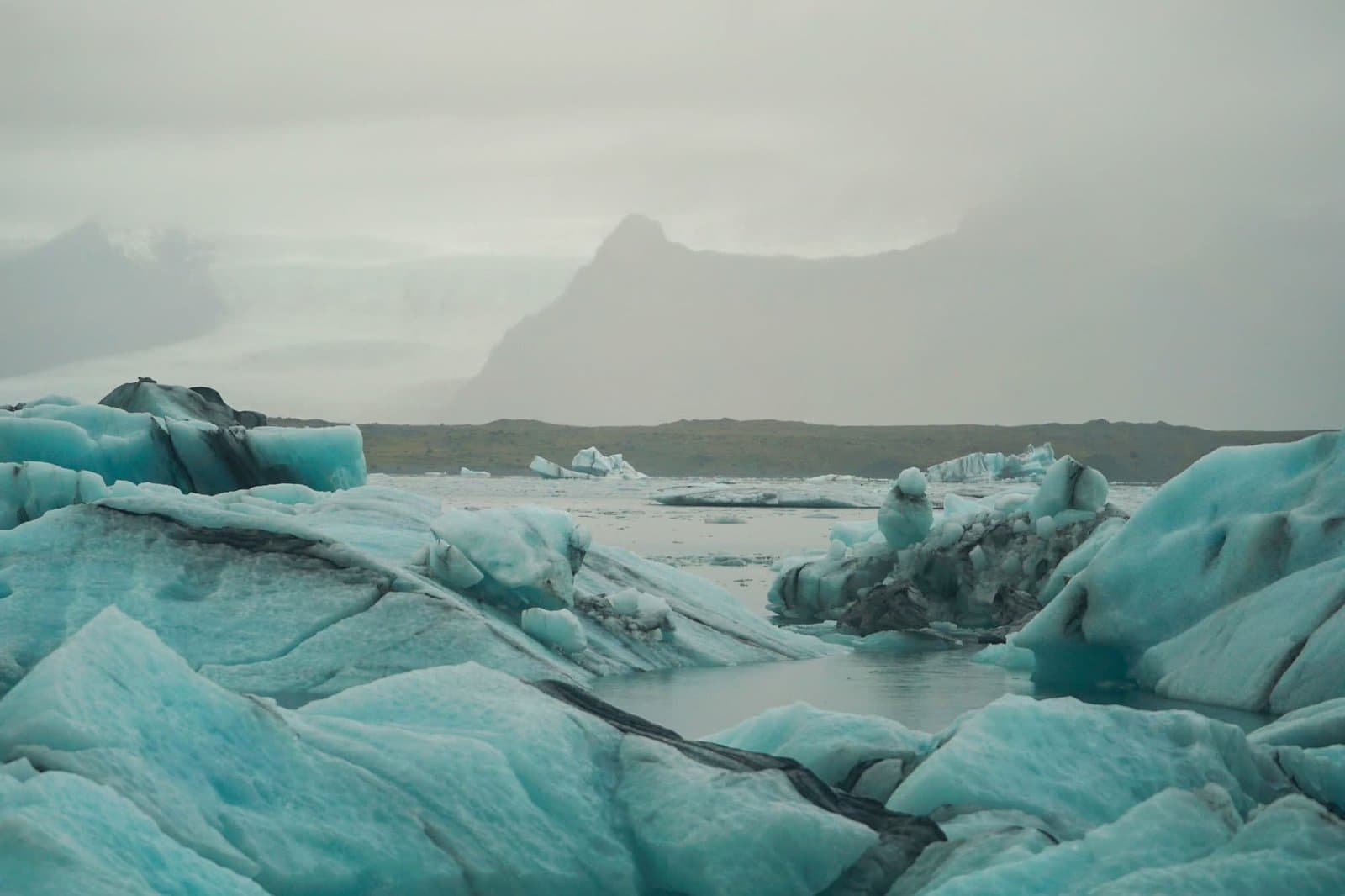
Global warming is one of the most pressing issues of our time, and its impact on glaciers in Iceland is a significant concern. The country’s glaciers have been melting at an alarming rate, contributing to rising sea levels and posing a threat to the environment.

The glaciers in Iceland are not only a natural wonder but also play a crucial role in regulating the Earth’s climate. However, due to global warming, these glaciers are melting at an unprecedented rate, causing sea levels to rise and posing a threat to coastal communities and ecosystems.

Key Takeaways

  • The melting of glaciers in Iceland is a significant contributor to sea level rise.
  • Global warming is the primary cause of glacier melting in Iceland.
  • The impact of glacier melting on sea levels has severe implications for coastal communities and ecosystems.
  • Reducing greenhouse gas emissions is crucial to mitigating the effects of global warming on glaciers and sea levels.

The Impact of Glacier Melting on Sea Levels

The melting of glaciers in Iceland has a significant impact on sea levels. As the glaciers melt, the water flows into the ocean, causing sea levels to rise. This, in turn, poses a threat to coastal communities and ecosystems, which are vulnerable to flooding and erosion.

The Causes of Glacier Melting in Iceland

Global warming is the primary cause of glacier melting in Iceland. The increase in temperature is causing the glaciers to melt at an unprecedented rate, contributing to sea level rise.

Consequences of Glacier Melting

The consequences of glacier melting in Iceland are severe. Rising sea levels pose a threat to coastal communities and ecosystems, and the loss of glaciers has a significant impact on the environment.

Mitigating the Effects of Global Warming

Reducing greenhouse gas emissions is crucial to mitigating the effects of global warming on glaciers and sea levels. Governments and individuals must take action to reduce their carbon footprint and transition to renewable energy sources.

Conclusion

The melting of glaciers in Iceland due to global warming has severe implications for sea levels. It is essential to take action to reduce greenhouse gas emissions and mitigate the effects of global warming on glaciers and sea levels.

Q1: What is the primary cause of glacier melting in Iceland?
A1: Global warming is the primary cause of glacier melting in Iceland.

Q2: What is the impact of glacier melting on sea levels?
A2: The melting of glaciers in Iceland contributes to sea level rise, posing a threat to coastal communities and ecosystems.

Q3: What can be done to mitigate the effects of global warming on glaciers and sea levels?
A3: Reducing greenhouse gas emissions is crucial to mitigating the effects of global warming on glaciers and sea levels.

Q4: Why is it essential to take action to reduce greenhouse gas emissions?
A4: Taking action to reduce greenhouse gas emissions is essential to mitigate the effects of global warming on glaciers and sea levels.

Q5: What is the significance of glaciers in regulating the Earth’s climate?
A5: Glaciers play a crucial role in regulating the Earth’s climate, and their melting has severe implications for the environment.

Planet & environment

Climate & Sustainability

News, stories and solutions driving change towards a greener and more sustainable planet for future generations.

COP31 presidency floats Antalya AI energy pledge and 35×35 electrification at Climate Week
Featured story

COP31 presidency floats Antalya AI energy pledge and 35×35 electrification at Climate Week

At Climate Week NYC (21 Sep), Türkiye’s COP31 presidency unveiled Antalya AI energy pledge (draft pending) and 35% electricity share of final energy by 2035.

Read full story

GREEN JOURNALISM

Every Action Counts

Small steps today, big impact tomorrow.

Explore more stories