LIVE
BREAKING
Africa No Filter opens 2026 Voices for Climate Justice storytelling grants — deadline 25 SeptemberTurkey’s ecological spotlight: Hrant Dink Award meets hard realities for environmental reportersAfter COP29, Azerbaijan journalists push deeper climate investigations through EaP networkCOP31 presidency floats Antalya AI energy pledge and 35×35 electrification at Climate WeekIRENA: record 693 GW renewables in 2025, but annual build must roughly double for 2030Nigeria’s 2026 plastic waste rules put producers on the hook for EPR — not a blanket banClimate Week research: AI-enabled buildings could cut energy use up to 22%, Schneider models sayGCash and Aboitiz launch Balamban drive for one million trees in CebuCovering Climate Now 2026 Awards: Harvey Lifetime, three Journalists of the YearSingapore SAF levy collection starts 1 Oct 2026 for 2027 passenger departuresCanada names Diana Fox Carney first Ocean Envoy for Our Ocean 2027 HalifaxAotearoa Youth COP: rangatahi draft climate statement toward COP31UNEP names Singapore, UAE and Dong Mingzhu inaugural Cool LeadersClimate Week NYC 2026 opens with 1,500+ events alongside UNGAUNEP: world set to cross 1.5°C, but overshoot–peak–decline still possibleSingapore cooling assembly advances heat-resilience roadmap and Nature for Cooling Challenge151,598 Children Vaccinated on Day One as ICT Polio Campaign Targets 447,614PM Arrives in New York to Attend 81st UNGA SessionElbit Systems Factory Blockaded by Protesters Over Israel Arms SupplyYemenis Flee Red Sea as Houthis and Saudi-Backed Forces Escalate WarAfrica No Filter opens 2026 Voices for Climate Justice storytelling grants — deadline 25 SeptemberTurkey’s ecological spotlight: Hrant Dink Award meets hard realities for environmental reportersAfter COP29, Azerbaijan journalists push deeper climate investigations through EaP networkCOP31 presidency floats Antalya AI energy pledge and 35×35 electrification at Climate WeekIRENA: record 693 GW renewables in 2025, but annual build must roughly double for 2030Nigeria’s 2026 plastic waste rules put producers on the hook for EPR — not a blanket banClimate Week research: AI-enabled buildings could cut energy use up to 22%, Schneider models sayGCash and Aboitiz launch Balamban drive for one million trees in CebuCovering Climate Now 2026 Awards: Harvey Lifetime, three Journalists of the YearSingapore SAF levy collection starts 1 Oct 2026 for 2027 passenger departuresCanada names Diana Fox Carney first Ocean Envoy for Our Ocean 2027 HalifaxAotearoa Youth COP: rangatahi draft climate statement toward COP31UNEP names Singapore, UAE and Dong Mingzhu inaugural Cool LeadersClimate Week NYC 2026 opens with 1,500+ events alongside UNGAUNEP: world set to cross 1.5°C, but overshoot–peak–decline still possibleSingapore cooling assembly advances heat-resilience roadmap and Nature for Cooling Challenge151,598 Children Vaccinated on Day One as ICT Polio Campaign Targets 447,614PM Arrives in New York to Attend 81st UNGA SessionElbit Systems Factory Blockaded by Protesters Over Israel Arms SupplyYemenis Flee Red Sea as Houthis and Saudi-Backed Forces Escalate War
Climate

IRENA: record 693 GW renewables in 2025, but annual build must roughly double for 2030

Ch UsmanPublished September 21, 2026
IRENA: record 693 GW renewables in 2025, but annual build must roughly double for 2030
Featured Coverage: IRENA: record 693 GW renewables in 2025, but annual build must roughly double for 2030 / Watan News Archive
Share this story

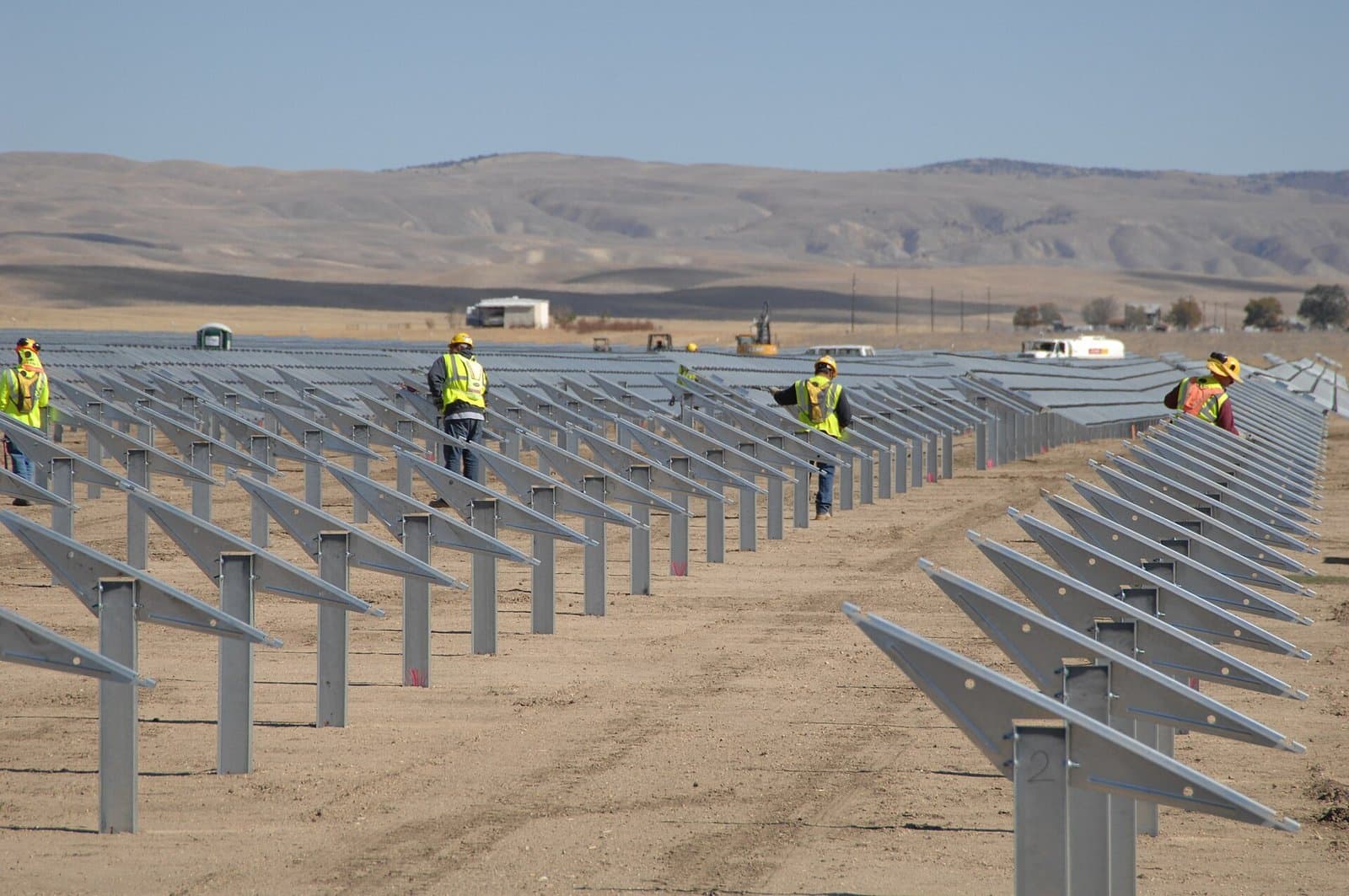
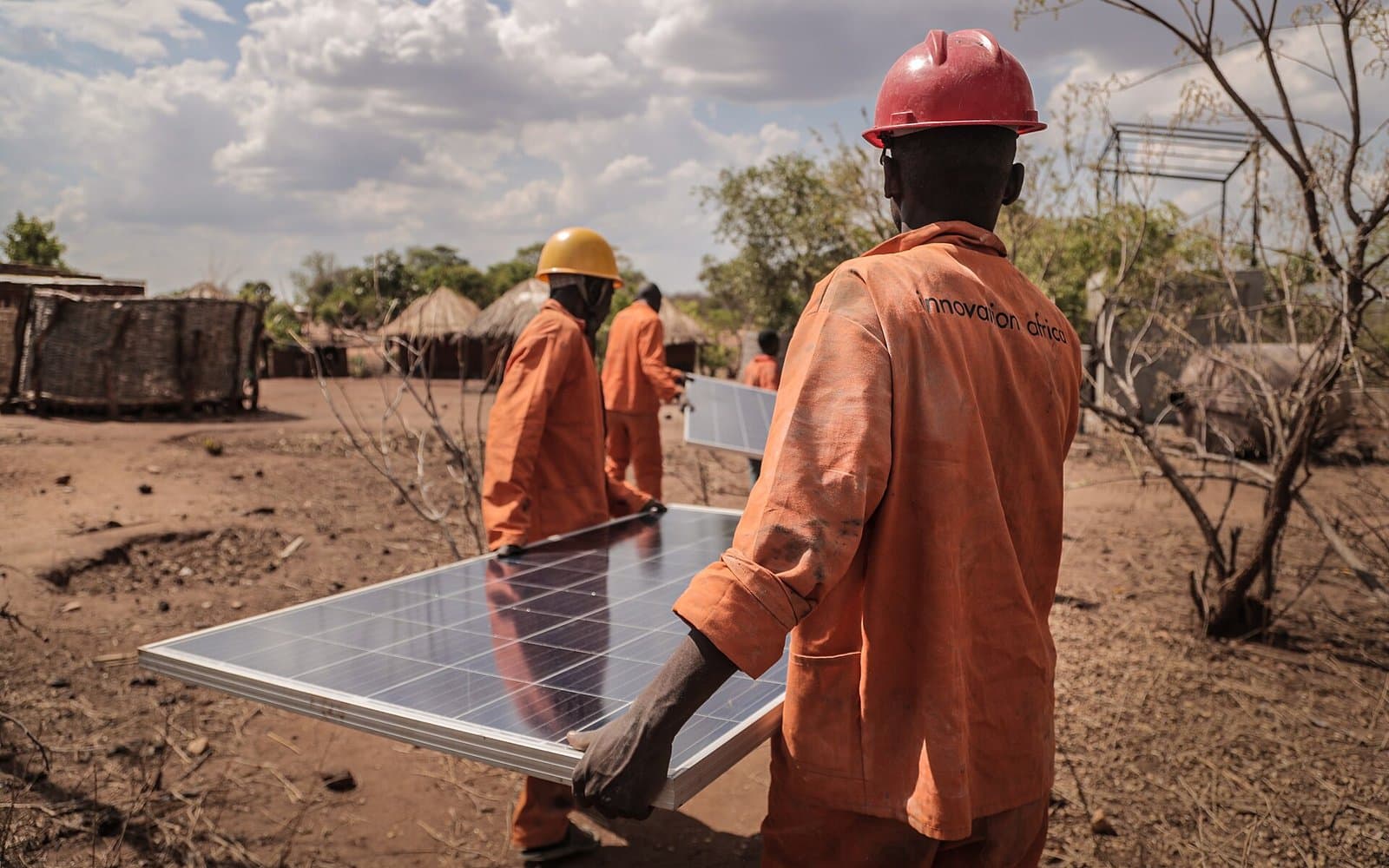
NEW YORK — The world added a record 693 gigawatts (GW) of renewable power capacity in 2025, according to an International Renewable Energy Agency (IRENA) assessment reported on 21 September 2026 during United Nations General Assembly week. Even so, annual deployment must more than double — to roughly 1,200 GW a year on average through 2030 — if countries are to meet the COP28 pledge to triple global renewable capacity this decade.

AFP, citing IRENA, said the 693 GW added in 2025 equals more than half the installed power capacity of the entire United States. Total renewable capacity stood at about 5.15 terawatts (TW) at the end of 2025 — still less than half of the roughly 11.2 TW implied by the tripling goal agreed at COP28 in Dubai in 2023.

Record year, still short of the tripling path

A report compiled by IRENA with the COP31 Presidency and the Global Renewables Alliance, summarised by Reuters, puts the required average annual build at about 1,200 GW through 2030. If the 2025 growth rate merely held constant, AFP reported, the world would reach about 10.6 TW by 2030 — roughly 0.6 TW short of 11.2 TW. That gap has narrowed from about 0.9 TW in last year’s assessment.

Earlier IRENA capacity statistics had put 2025 additions near 692 GW; later revisions brought the headline figure to 693 GW, with renewables approaching half of global power capacity. The 21 September package focuses on the remaining distance to the 2030 tripling target.

Efficiency and grids lag behind

The same assessment finds energy-efficiency progress lagging. Reuters reported energy intensity improved by about 2% in 2025, below the roughly 4% annual rate needed to double the rate of efficiency improvement by 2030. Grid investment needs are rising to nearly US$1 trillion a year on average between 2026 and 2030, up from about US$525 billion in 2025, the report said according to Reuters.

IRENA Director-General Francesco La Camera said renewables can still close the 2030 gap, but warned that efficiency is falling behind, electricity demand is rising faster than expected, and grid infrastructure has failed to keep pace. Ben Backwell, chair of the Global Renewables Alliance, said governments need to make renewables a national economic priority — including by expanding grids, deploying storage and electrifying homes, transport and industry.

Market momentum — and a fossil caveat

At an industry event covered by AFP, UN climate chief Simon Stiell said global renewables had helped humanity avoid almost half a trillion US dollars in fossil-fuel costs — a “mammoth decarbonisation dividend,” he said, larger than the GDP of more than three-quarters of countries. “The brute power of market forces is taking hold,” Stiell said, adding that “the shift to clean energy is now irreversible.”

Analysts cautioned that capacity records do not automatically displace fossil fuels when total energy demand is rising. David Waskow of the World Resources Institute told AFP that rising demand for cooling, along with AI and data centres, are among the largest drivers of growing electricity use — and that faster renewables must be paired with cuts in fossil-fuel consumption. The Energy Institute’s Statistical Review of World Energy, cited by AFP, found fossil fuels still supplied 86% of global energy in 2025, with fossil use still growing in absolute terms.

COP31 in Türkiye is expected to emphasise electrification alongside continued pressure to accelerate renewables. Whether 2025’s record becomes a floor for 1,200 GW-class annual additions will decide if the COP28 tripling pledge remains reachable.

Planet & environment

Climate & Sustainability

News, stories and solutions driving change towards a greener and more sustainable planet for future generations.

Africa No Filter opens 2026 Voices for Climate Justice storytelling grants — deadline 25 September
Featured story

Africa No Filter opens 2026 Voices for Climate Justice storytelling grants — deadline 25 September

Africa-focused green journalism call: 15–20 storytellers, up to US$4,000 grants, training on climate–debt–gender–fossil fuels; applications close 25 Sep 2026.

Read full story

GREEN JOURNALISM

Every Action Counts

Small steps today, big impact tomorrow.

Explore more stories