LIVE
BREAKING
Africa No Filter opens 2026 Voices for Climate Justice storytelling grants — deadline 25 SeptemberTurkey’s ecological spotlight: Hrant Dink Award meets hard realities for environmental reportersAfter COP29, Azerbaijan journalists push deeper climate investigations through EaP networkCOP31 presidency floats Antalya AI energy pledge and 35×35 electrification at Climate WeekIRENA: record 693 GW renewables in 2025, but annual build must roughly double for 2030Nigeria’s 2026 plastic waste rules put producers on the hook for EPR — not a blanket banClimate Week research: AI-enabled buildings could cut energy use up to 22%, Schneider models sayGCash and Aboitiz launch Balamban drive for one million trees in CebuCovering Climate Now 2026 Awards: Harvey Lifetime, three Journalists of the YearSingapore SAF levy collection starts 1 Oct 2026 for 2027 passenger departuresCanada names Diana Fox Carney first Ocean Envoy for Our Ocean 2027 HalifaxAotearoa Youth COP: rangatahi draft climate statement toward COP31UNEP names Singapore, UAE and Dong Mingzhu inaugural Cool LeadersClimate Week NYC 2026 opens with 1,500+ events alongside UNGAUNEP: world set to cross 1.5°C, but overshoot–peak–decline still possibleSingapore cooling assembly advances heat-resilience roadmap and Nature for Cooling Challenge151,598 Children Vaccinated on Day One as ICT Polio Campaign Targets 447,614PM Arrives in New York to Attend 81st UNGA SessionElbit Systems Factory Blockaded by Protesters Over Israel Arms SupplyYemenis Flee Red Sea as Houthis and Saudi-Backed Forces Escalate WarAfrica No Filter opens 2026 Voices for Climate Justice storytelling grants — deadline 25 SeptemberTurkey’s ecological spotlight: Hrant Dink Award meets hard realities for environmental reportersAfter COP29, Azerbaijan journalists push deeper climate investigations through EaP networkCOP31 presidency floats Antalya AI energy pledge and 35×35 electrification at Climate WeekIRENA: record 693 GW renewables in 2025, but annual build must roughly double for 2030Nigeria’s 2026 plastic waste rules put producers on the hook for EPR — not a blanket banClimate Week research: AI-enabled buildings could cut energy use up to 22%, Schneider models sayGCash and Aboitiz launch Balamban drive for one million trees in CebuCovering Climate Now 2026 Awards: Harvey Lifetime, three Journalists of the YearSingapore SAF levy collection starts 1 Oct 2026 for 2027 passenger departuresCanada names Diana Fox Carney first Ocean Envoy for Our Ocean 2027 HalifaxAotearoa Youth COP: rangatahi draft climate statement toward COP31UNEP names Singapore, UAE and Dong Mingzhu inaugural Cool LeadersClimate Week NYC 2026 opens with 1,500+ events alongside UNGAUNEP: world set to cross 1.5°C, but overshoot–peak–decline still possibleSingapore cooling assembly advances heat-resilience roadmap and Nature for Cooling Challenge151,598 Children Vaccinated on Day One as ICT Polio Campaign Targets 447,614PM Arrives in New York to Attend 81st UNGA SessionElbit Systems Factory Blockaded by Protesters Over Israel Arms SupplyYemenis Flee Red Sea as Houthis and Saudi-Backed Forces Escalate War
Climate

Turkey’s ecological spotlight: Hrant Dink Award meets hard realities for environmental reporters

Ch UsmanPublished September 21, 2026
Turkey’s ecological spotlight: Hrant Dink Award meets hard realities for environmental reporters
Featured Coverage: Turkey’s ecological spotlight: Hrant Dink Award meets hard realities for environmental reporters / Watan News Archive
Share this story

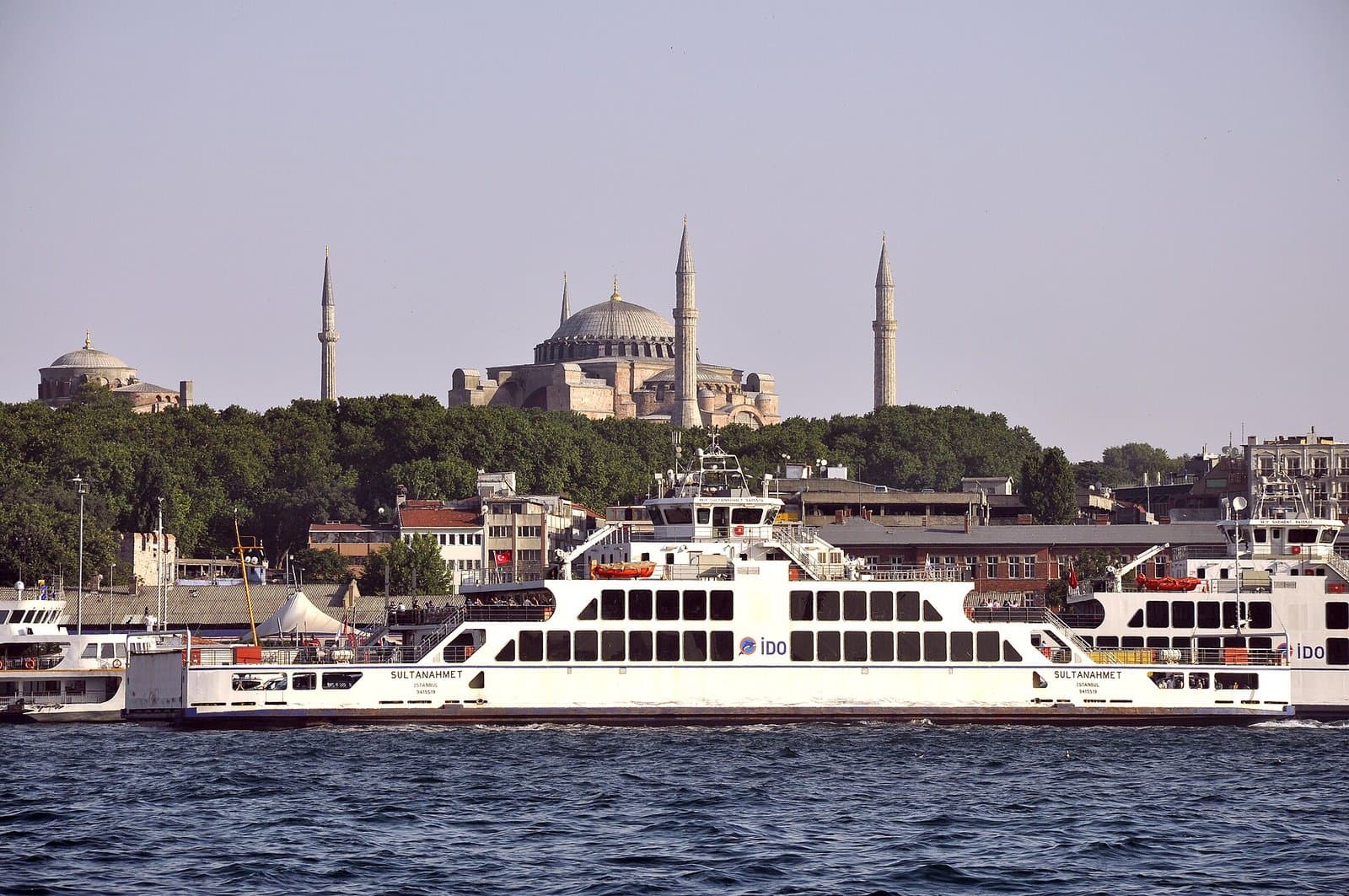
Istanbul — On 15 September 2026, the International Hrant Dink Award put ecological defence at the centre of Turkey’s civic calendar. The same week, European press-freedom documentation again underlined how costly — and legally fraught — environmental and urban reporting can be for Turkish journalists.

An award that centres land and ecology

The eighteenth International Hrant Dink Award ceremony at Istanbul’s Harbiye Muhsin Ertuğrul Stage named Süheyla Doğan of Turkey a laureate alongside Palestinian human-rights lawyer Raji Sourani. The Hrant Dink Foundation cited Doğan for refusing to abandon defence of the Kazdağları (Mount Ida) region and its natural and cultural resources, advancing women’s human rights, speaking out against state-backed ecocide projects, and championing the right to live with nature.

Doğan is an environmental and life advocate, not a newsroom journalist. The journalism angle is contextual: a major rights award has elevated ecological conflict into mainstream Turkish and international coverage at a moment when reporters who investigate mines, forests and urban land deals describe systemic barriers.

What environmental journalists say they face

In an interview published by the European Centre for Press and Media Freedom (ECPMF) while she was in the Journalists-in-Residence programme, investigative reporter Hazal Ocak described environmental and urban journalism in Turkey as chronically under-prioritised relative to politics, even as climate impacts intensify.

Ocak said colleagues struggle to obtain public information despite constitutional access rights (including via the CİMER system), face takedowns of published stories, and confront lawsuits that function as SLAPPs. She recounted multi-year litigation, including a case linked to a complaint by Presidential Communications Director Fahrettin Altun that sought a lengthy prison term before an acquittal that was then appealed; and a separate insult/slander fine tied to reporting involving Bilal Erdoğan that she has taken to the Constitutional Court. She frames such cases as designed to exhaust reporters.

Stockholm Center for Freedom, citing Reporters Without Borders (RSF), has also reported Turkey among countries where journalists covering environmental harm — including deforestation and mining — face legal harassment, referencing complaints against dozens of Sözcü-linked journalists.

Why this matters for green journalism

Awards that honour ecological defenders expand public language about land and climate. They do not, by themselves, secure press freedom. Ocak’s testimony suggests Turkish green journalism still depends on alternative outlets, mutual solidarity at hearings, and mentorship that teaches young reporters to connect local destruction to the wider climate crisis.

Careful framing

Readers should not conflate Doğan’s advocacy award with a journalism prize. The newsworthy link for a Green Journalism desk is the information ecosystem: high-profile ecological recognition arrives alongside documented legal and access pressures on the reporters who try to verify environmental claims for the public record.
Planet & environment

Climate & Sustainability

News, stories and solutions driving change towards a greener and more sustainable planet for future generations.

Africa No Filter opens 2026 Voices for Climate Justice storytelling grants — deadline 25 September
Featured story

Africa No Filter opens 2026 Voices for Climate Justice storytelling grants — deadline 25 September

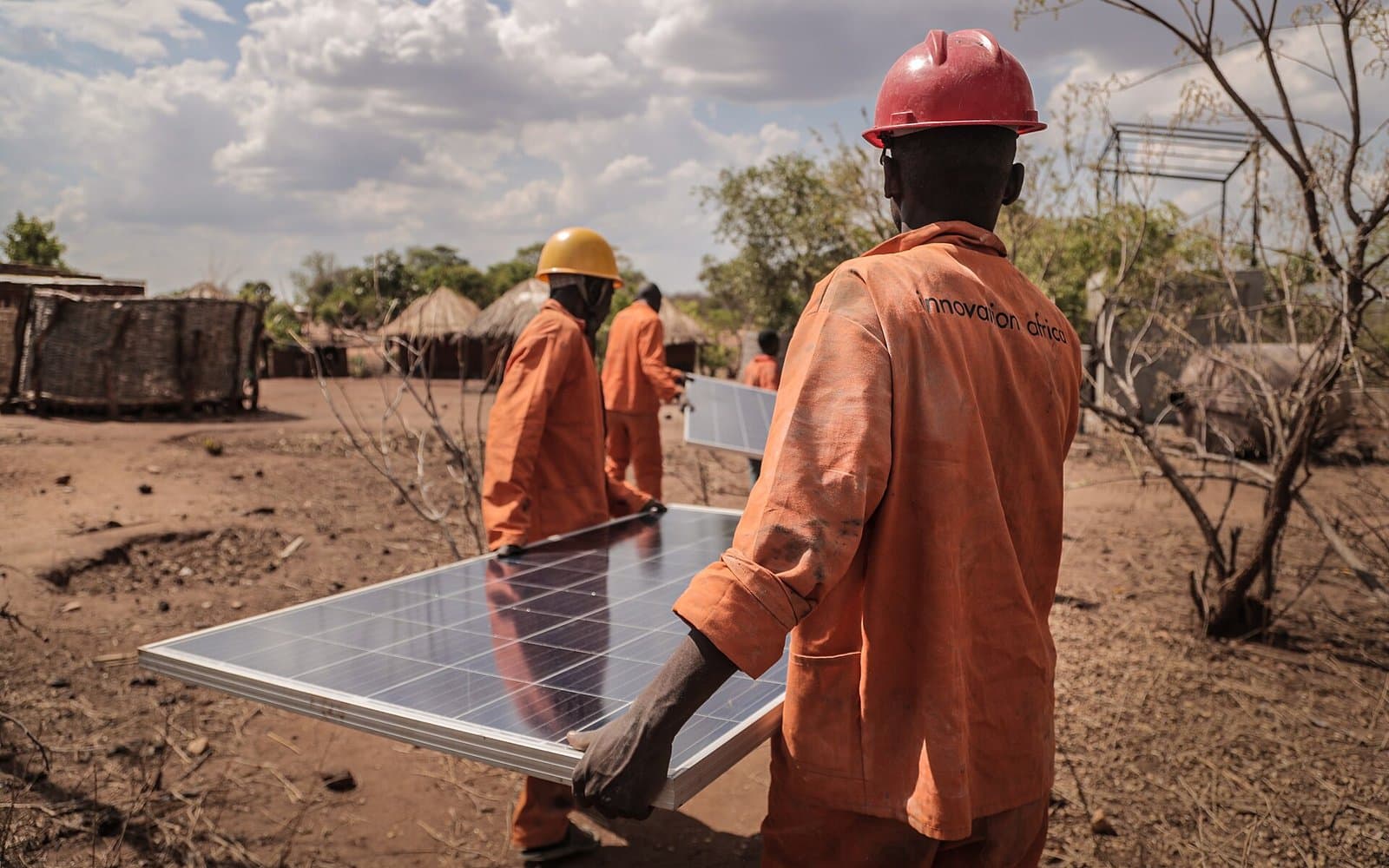
Africa-focused green journalism call: 15–20 storytellers, up to US$4,000 grants, training on climate–debt–gender–fossil fuels; applications close 25 Sep 2026.

Read full story

GREEN JOURNALISM

Every Action Counts

Small steps today, big impact tomorrow.

Explore more stories