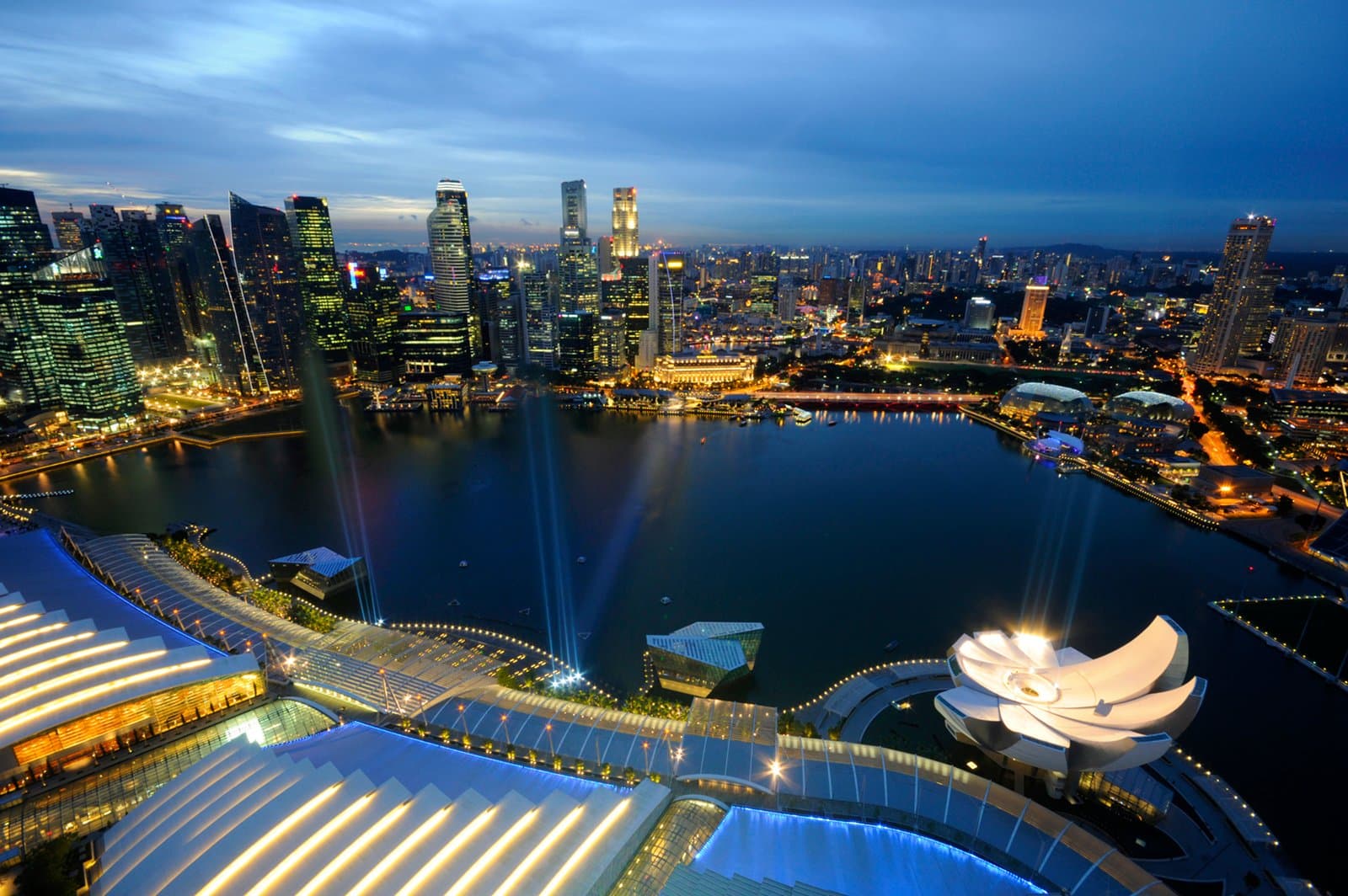
SINGAPORE — The United Nations Environment Programme named Singapore, the United Arab Emirates and Dong Mingzhu, chairwoman of Gree Electric Appliances, as the inaugural Cool Leaders on 17 September 2026, recognising leadership on sustainable cooling and heat resilience at the Global Cooling Pledge Assembly.
The awards were announced alongside other Assembly measures, including work on a Global Roadmap on Heat Resilience and a Nature for Cooling Challenge. This report focuses on the Cool Leaders recognition itself — not the roadmap or finance package covered separately.
Who the inaugural Cool Leaders are
According to UNEP’s press release from Singapore:
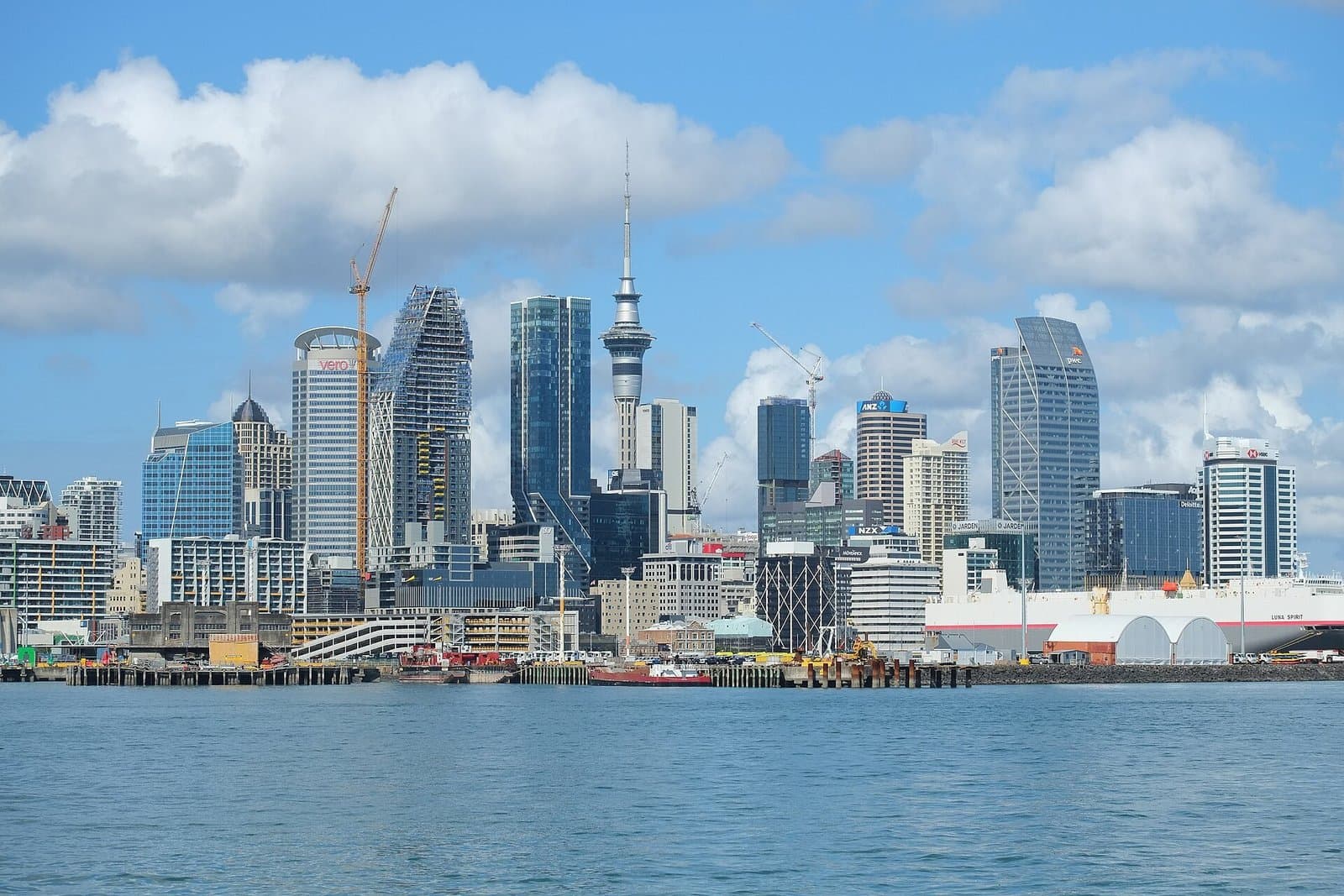
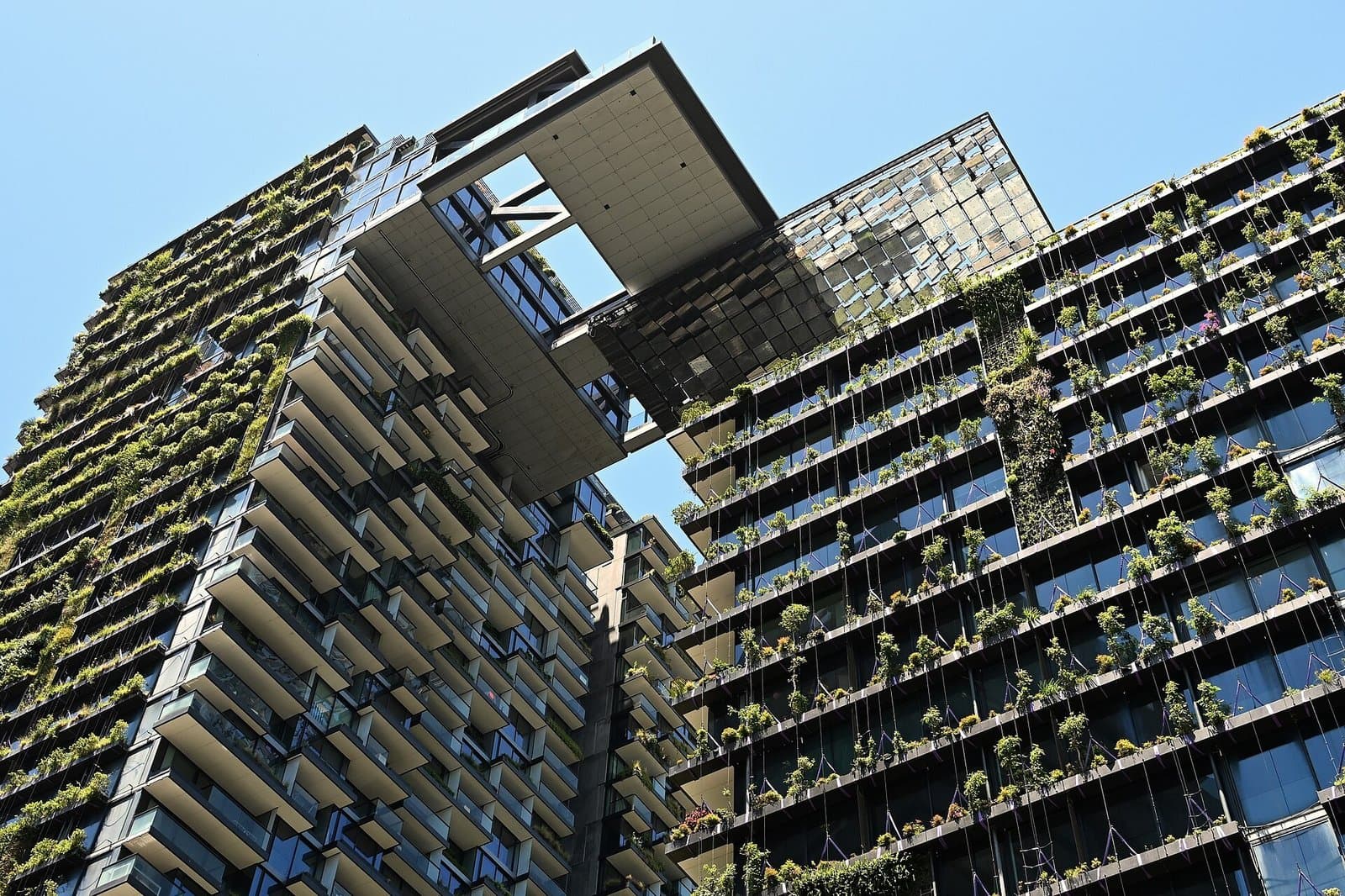
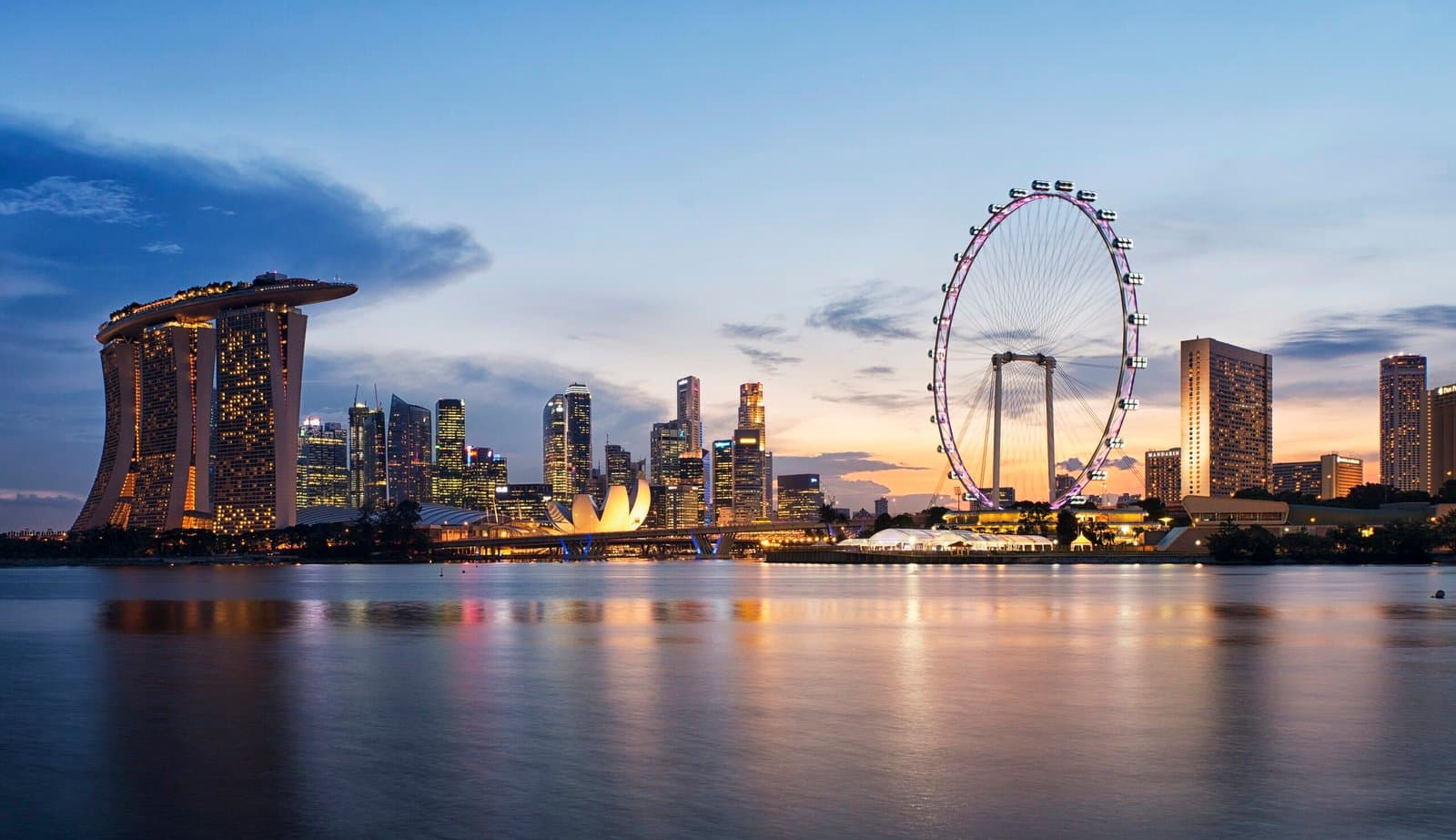
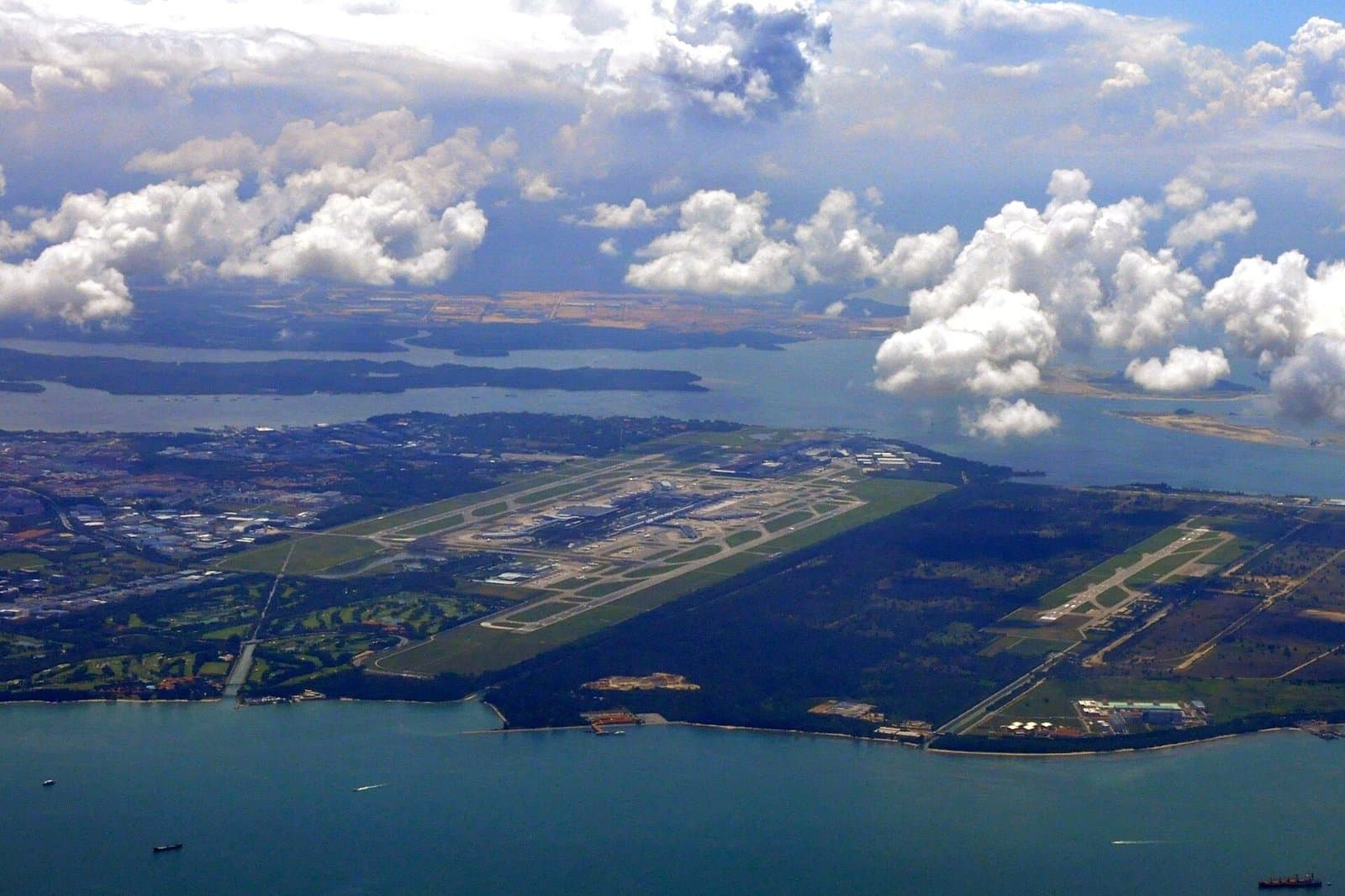
Singapore was honoured for leadership in passive cooling and heat resilience. The United Arab Emirates was recognised for leadership in district cooling and for advancing cooling in global climate and development policy. Dong Mingzhu was cited for spearheading development of ultra-efficient, low-carbon cooling technologies, including Gree’s Zero Carbon Source air-conditioning system.
UNEP framed the awards as recognising “outstanding leadership in advancing sustainable cooling and protecting people from extreme heat.” The Assembly convened under the Cool Coalition, which UNEP leads.
Cooling demand and the Pledge context
UNEP said global demand for cooling is rising rapidly and that the number of air conditioners worldwide is expected to reach 5.6 billion by 2050 — nearly three times today’s levels — underscoring the need for solutions that protect people from extreme heat without driving a surge in energy use and greenhouse gas emissions.
The Global Cooling Pledge, launched at COP28 in 2023, aims to reduce cooling-related emissions by at least 68 per cent below 2022 levels by 2050, significantly increase access to sustainable cooling by 2030, and collectively raise the global average efficiency rating of new air-conditioning equipment sold by 50 per cent by 2030 from the 2022 installed baseline, UNEP stated.
“The Global Cooling Pledge was created to address rising cooling demand and escalating heat risks through passive cooling solutions, super-efficient technologies and climate-friendly refrigerants,” said Inger Andersen, UNEP’s executive director. “Three years later, the world has never understood the danger of extreme heat better. The urgent challenge ahead of us is rapidly scaling sustainable cooling solutions that protect people, strengthen resilience and reduce emissions.”
Corporate honouree — what UNEP said, and what it did not
Dong Mingzhu’s recognition is an institutional award citation, not an independent product endorsement. UNEP attributes to her leadership on ultra-efficient, low-carbon cooling technologies, naming the Zero Carbon Source system among examples. Separate manufacturer materials published around the same dates repeat that framing; this article relies on UNEP’s description of the award criteria and does not independently verify commercial performance claims.
Gree also joined a new Manufacturing Platform announced at the Assembly — a voluntary Cool Coalition initiative operationalised by UNEP’s United for Efficiency programme — to advance energy efficiency and ultra-low-global-warming-potential refrigerant technologies, UNEP said. Platform membership is distinct from the Cool Leaders award.
Why the awards matter now
Extreme heat is described by UNEP as one of the deadliest and fastest-growing climate risks. Naming governments and an industry figure as Cool Leaders is intended to spotlight practices others can examine — from passive design and district cooling policy to efficiency standards — as Pledge signatories move from commitment language toward implementation through the Intergovernmental Committee on Cooling, which held its first meeting at the Assembly.
Whether the Cool Leaders programme becomes an annual recognition cycle will be determined by UNEP and partners; the 17 September announcement establishes the inaugural set of honourees and the cooling-and-heat-resilience rationale UNEP attached to each.